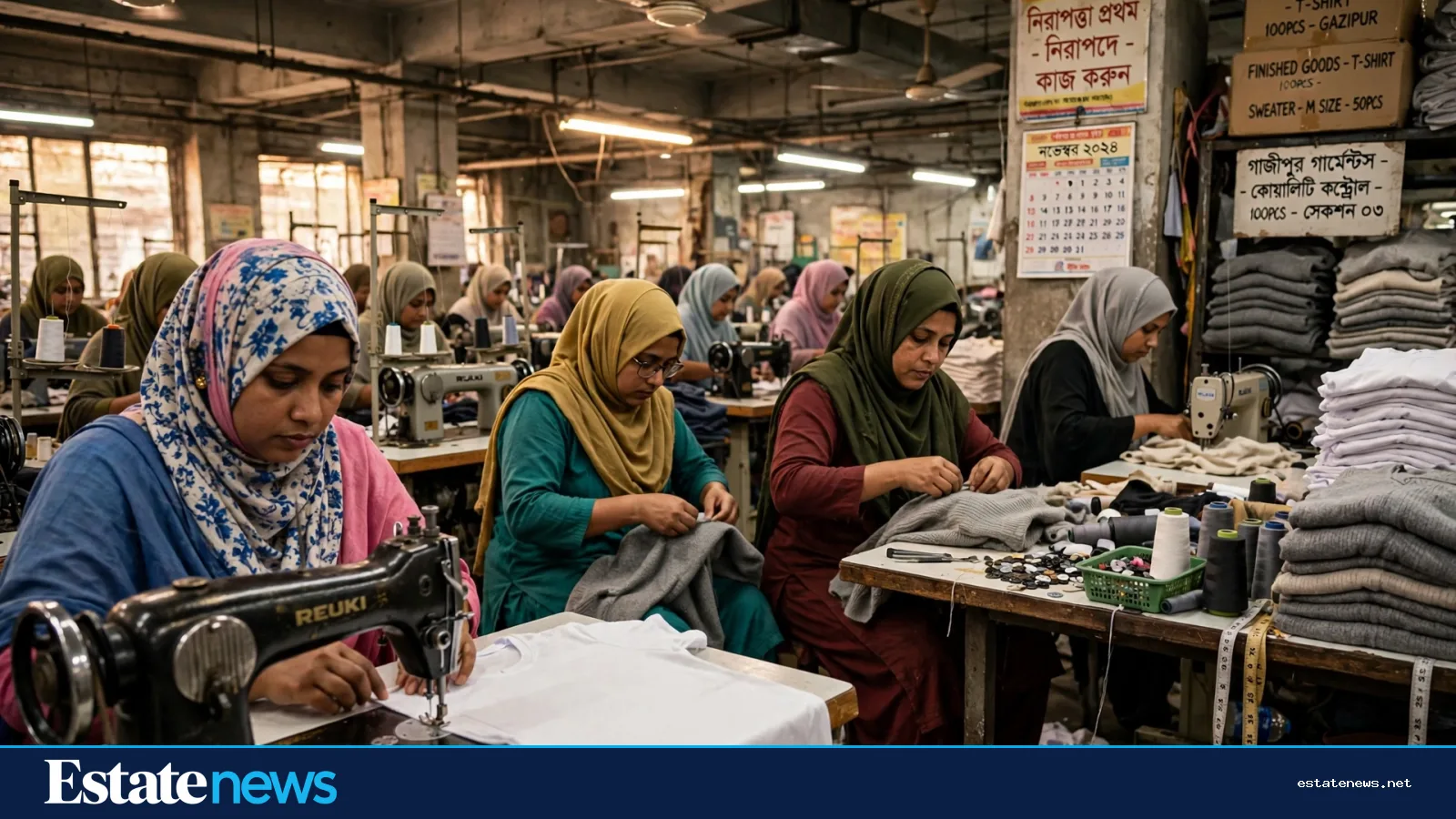
Britain is buying Bangladeshi clothes again, and the orders are coming faster than they did last year. Shipments to the United Kingdom reached $1.64 billion in the first four months of this fiscal year, July to October, up 6.92 percent on the same period a year earlier. After a dip in July, three months of double-digit growth followed: 10.53 percent in August, 11.71 percent in September and 10.72 percent in October, according to Export Promotion Bureau data.
The extra money is real. Four months of UK sales added $106.17 million over last year, and the average month brought in about $410 million, against about $383 million a year earlier. In four months, Bangladesh has already shipped 37.4 percent of its full-year UK total for last fiscal year, $4.39 billion. British buyers still enjoy full duty-free access under the Developing Countries Trading Scheme, and that access keeps the orders flowing.
Three items carry the growth

Look past the headline and the picture narrows. Nearly 97 percent of the growth in apparel exports over July to October came from basic garments. The numbers, compiled by Bangladesh Apparel Voice from EPB data, put it precisely: total apparel exports rose $756 million to $13.75 billion, and basic garments contributed $730.21 million of that increase, or 96.6 percent. In the July to September quarter the share was already 94.2 percent. It tightened further in October.
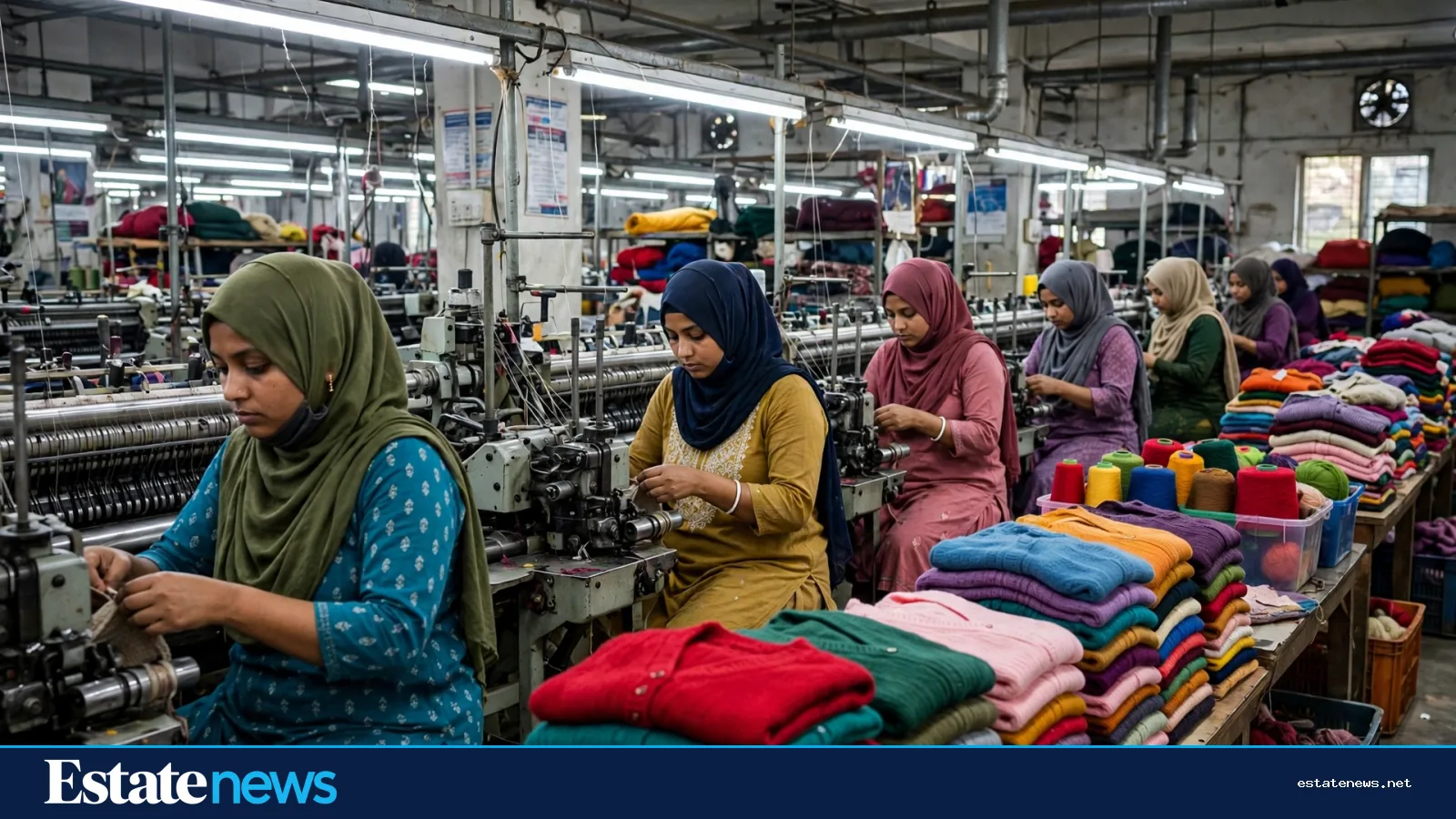
Three product lines did almost all of the work. Bottomwear added $287 million, sweaters and cardigans added $195 million, and T-shirts and vests added $141 million. Together they account for about 82 percent of the growth. Basic garments as a whole rose 7.27 percent to $10.78 billion, and their share of everything Bangladesh ships climbed to 78.41 percent, from 77.35 percent a year earlier.
The higher-value shelves stay quiet
Higher-value clothing barely moved. Advanced garments grew less than 1 percent, to $1.86 billion, adding only about $12 million to the four-month increase. Their share of total exports fell to 13.54 percent, from 14.23 percent. Outerwear gained $38 million and technical wear $16 million, but dresses fell 12.83 percent, sportswear and activewear fell 8.24 percent, and suits and ensembles fell 14.97 percent. Semi-basic garments, shirts and blouses, grew just 1.23 percent to $1.11 billion.


Mohiuddin Rubel, founder and chief executive of Bangladesh Apparel Voice and a former BGMEA director, said the industry has failed to upgrade sufficiently to move beyond basic garments despite four decades of development. The four-month figures reinforce the pattern of the first quarter rather than breaking it.
Khondaker Golam Moazzem, president of the Knowledge Hub Institute, pointed at the incentive structure. Exporters receive a 1 percent cash incentive across product categories, plus an additional 2.5 percent for garments made from locally sourced textile materials, whatever the level of value addition. That flat structure, he said, keeps manufacturers tied to basic products and encourages buyers to source low-value items to benefit from the incentives. He called for targeted support for higher-value products instead.
Why the UK rebound still matters
None of this makes the UK rebound bad news. Knitwear led the UK growth, up 11.30 percent to $1.14 billion, while woven exports to Britain slipped 1.78 percent to $504 million. The United States, the other big market, also grew: exports there rose 11.51 percent to $3.35 billion in the same July to October period, a story Estate News covered earlier this month. Total apparel exports of $13.75 billion, up 5.82 percent, show an industry still finding buyers in a difficult year.
The question is what the factories that sew those shirts will be doing in five years. A basic T-shirt order fills a line today and pays wages this month. A dress, a suit or a technical jacket pays more per piece, needs more skill, and leaves more of the value in Bangladesh. The towns that sew, Gazipur, Narayanganj, Chattogram, feel the difference in wages, in the training a factory offers, and in the houses its workers can afford.
Estate News has followed the port that carries these orders in "Chattogram Port: DP World to Take Over New Mooring Terminal in March 2027", and the factory economy behind them in "Factories Grew 8.79% in August: What It Means for Housing". The trade picture keeps improving in volume. The next step is value, and the figures say it has not arrived yet.