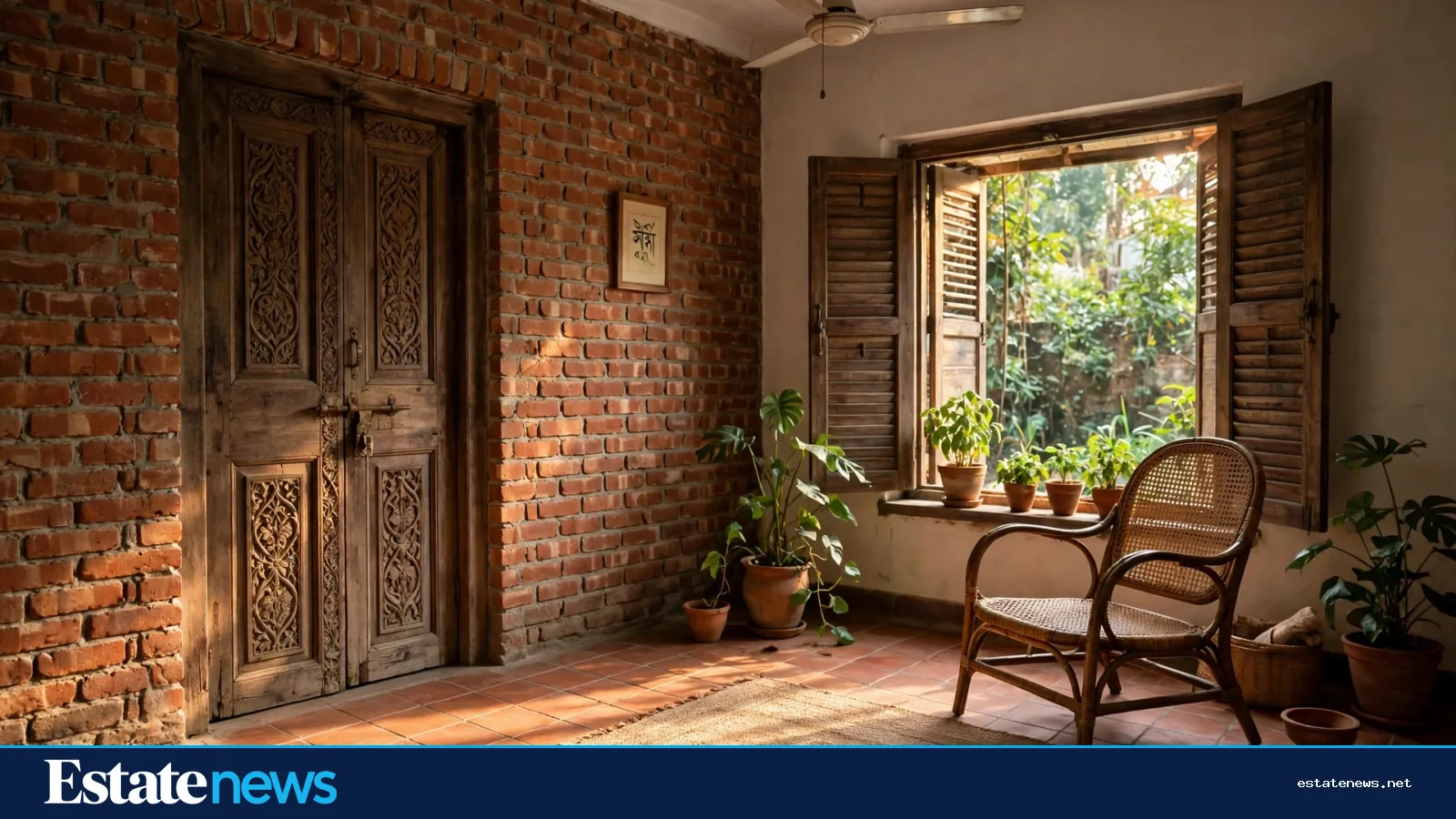
Walk into an old house in Old Dhaka and the first thing you notice is the temperature. The rooms are cooler than the street outside, even on a hot afternoon, and the light comes in softer, filtered through wooden shutters and high windows. The walls are thick brick, the floor is terracotta tile, and the ceiling is timber. Nothing in the room was imported. Everything in it was made from the earth and the trees of the delta.
That house was built from the same materials Dhaka has used for centuries, and the materials still have something to teach the city's new flats. Brick, timber and terracotta are not nostalgia. They are answers to the problems of heat, light and cost that every Dhaka home still faces.
Brick: the wall that holds the cool

Brick is the oldest building material in Bengal, and the most honest one. A thick brick wall absorbs heat slowly during the day and releases it slowly at night, which is why the old houses stay cooler than the concrete boxes around them. Modern flats use brick too, but usually as a thin skin over a concrete frame, and the thermal benefit is mostly lost. The brick is still there, in the walls of almost every apartment in the city, but it works as cladding rather than as structure.
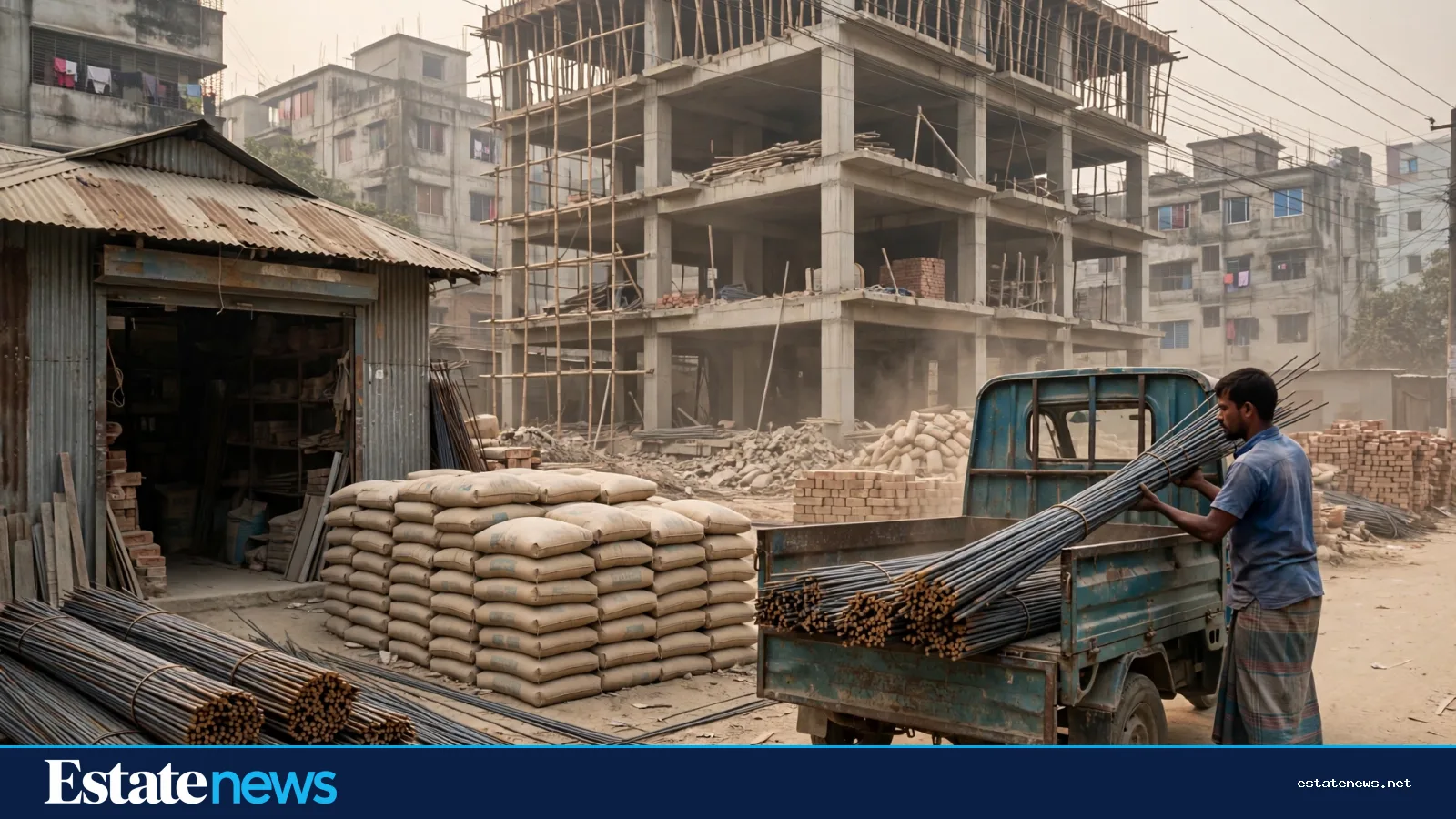
The cost of brick is part of the story of building in Bangladesh. The government's schedule of rates, approved by ECNEC on 18 November, is the official price list for public works, and it shows how fast material costs have moved. Coarse sand in the schedule rose to Tk 3,530 per cubic metre, up from Tk 1,900, and Portland Pozzolana Cement rose to Tk 10,400 a tonne. These are schedule rates for government projects, not retail prices in a Dhaka building-materials shop, and they should not be read as what a homeowner pays. What they show is the direction: the basic ingredients of a home are getting more expensive, and the materials that use less of them deserve a second look.
Timber: the material that bends
Timber in a Dhaka home does two jobs at once. It carries weight, in doors, windows, staircases and roof frames, and it softens the look of a room in a way concrete never does. A wooden door with a brass handle, a staircase with a polished handrail, a window frame that has been oiled rather than painted: these are the details that make a flat feel finished. Timber also handles the damp better than most people expect, provided it is seasoned and treated, and it can be repaired piece by piece rather than replaced wholesale.
The old houses used timber generously because it was available and because carpenters knew how to work it. The new flats use it sparingly, mostly in doors and kitchen cabinets, because good seasoned timber is expensive and because the supply chain for it is less organised than the one for cement and steel. The result is a flat that looks the same as every other flat: white walls, tiled floors, aluminium windows. Timber is the cheapest way to break that sameness, and the most durable.


Terracotta: the floor that breathes
Terracotta tile is the most Bangladeshi material of all. It is baked earth, and it has floored the temples of Bagerhat, the mosques of the delta and the courtyards of village homes for a thousand years. A terracotta floor is cool underfoot, it does not glare in bright light, and it ages well, darkening slightly with use rather than wearing out. In a Dhaka flat, terracotta works best where the sun is strongest: a balcony, a rooftop room, a kitchen that faces west. It is also the material of the city's craft tradition, and using it keeps a skill alive that machine-made tiles have nearly killed.
Jute and cane belong in the same conversation. A jute rug, a cane chair, a bamboo screen on a balcony: these are the light, cheap materials that make a small flat livable. They cost little, they can be replaced easily, and they carry the texture of the countryside into the city. A flat furnished only with imported-looking furniture looks like a showroom. A flat with cane and jute in it looks like a home.
What this means for a new flat
None of this is an argument against concrete and steel. A tower in Dhanmondi or Bashundhara cannot be built from brick and timber alone, and nobody should pretend otherwise. The point is smaller and more practical. A buyer furnishing a new flat, or a family renovating an old one, can choose materials that suit Dhaka's climate instead of fighting it. Thick curtains on a west-facing window, a terracotta-tiled balcony, wooden shutters that close against the afternoon sun, a cane chair where a plastic one would crack: these are small decisions, and they add up to a home that is cooler, quieter and cheaper to live in.
The materials also carry a cost logic. Imported finishes, Italian marble, German fittings, carry import duties and long supply chains. Brick, timber, terracotta, jute and cane are made here, by people here, and their prices move with the local economy rather than with the dollar. When the taka weakens, the imported kitchen costs more and the terracotta floor costs the same. That is a real saving, not a style choice.
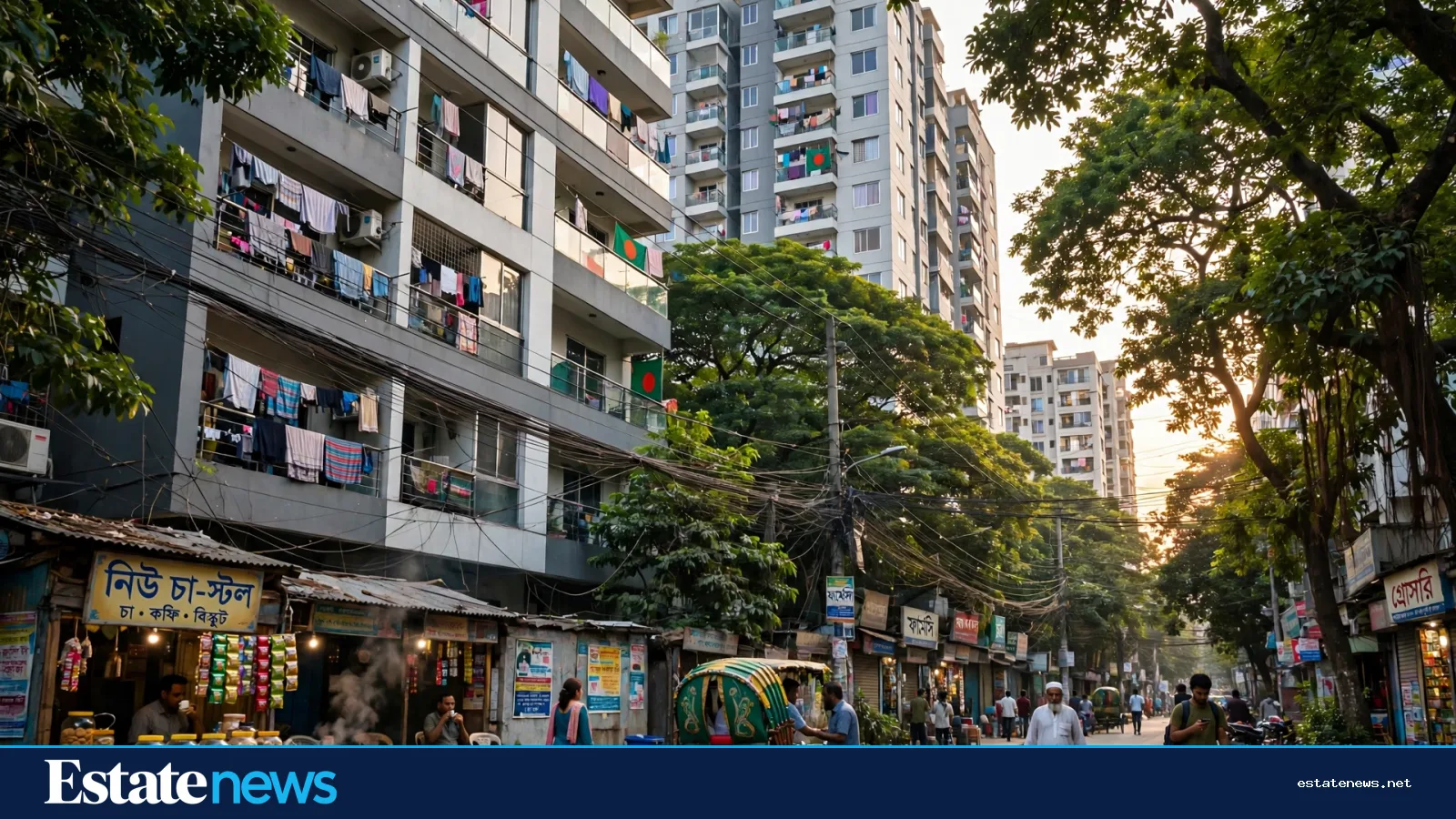
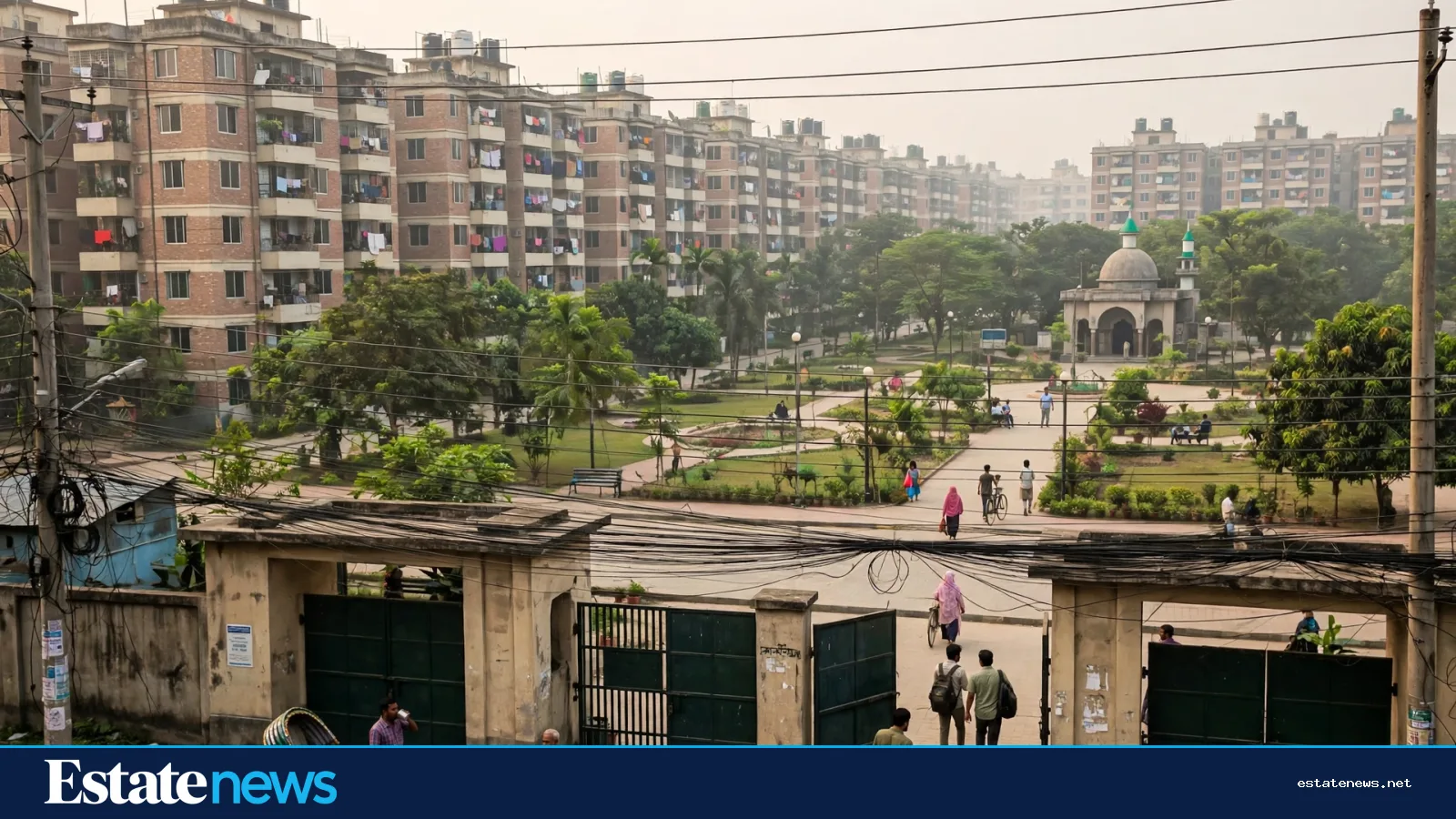
Dhaka's new flats are often criticised for looking alike, and the criticism is fair. The same tiles, the same paint, the same fittings, repeated from Mirpur to Uttara. The materials that made the city's old houses beautiful are still here, still cheap, and still suited to the heat. A home built from them does not look old. It looks like it belongs.