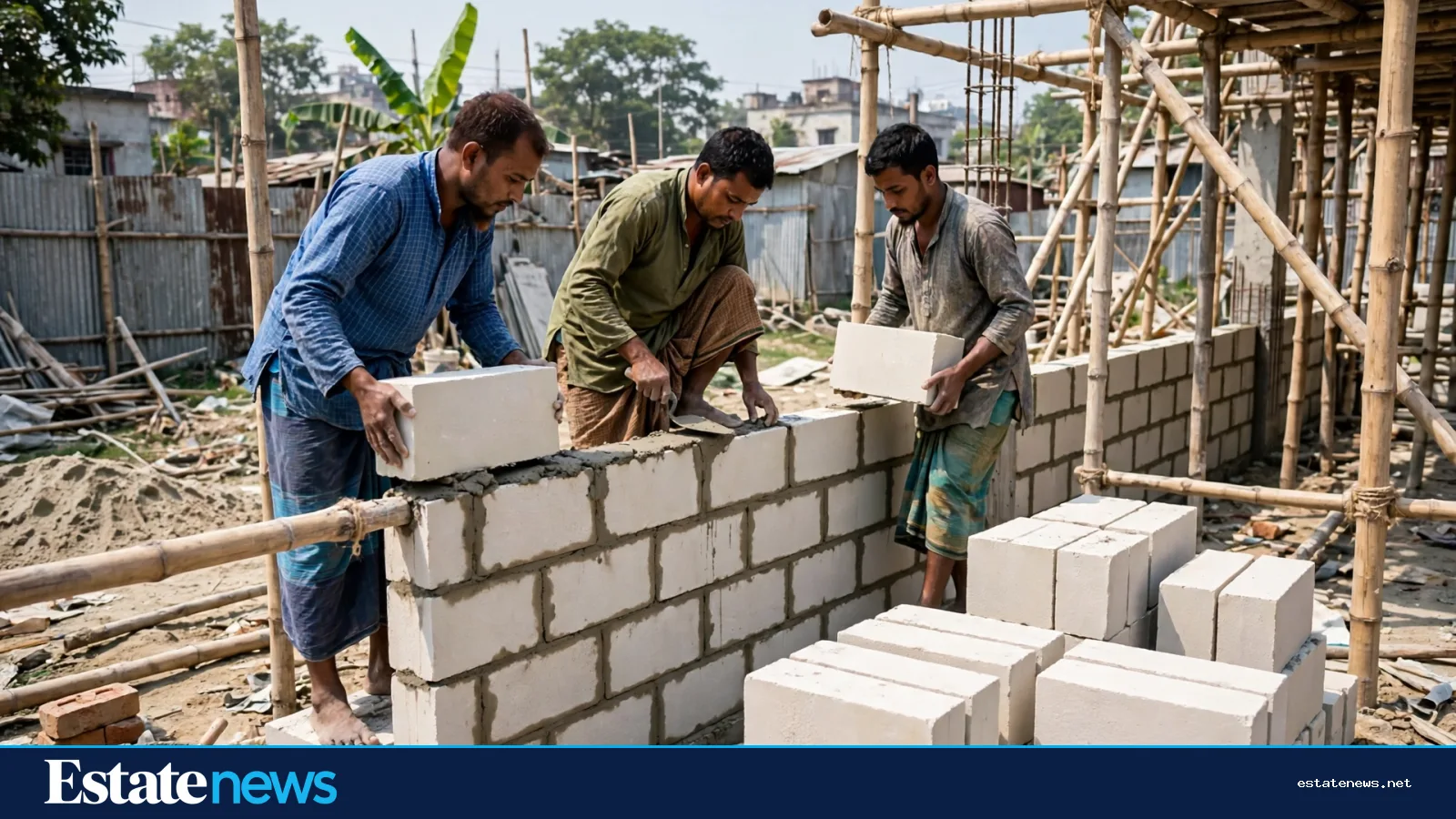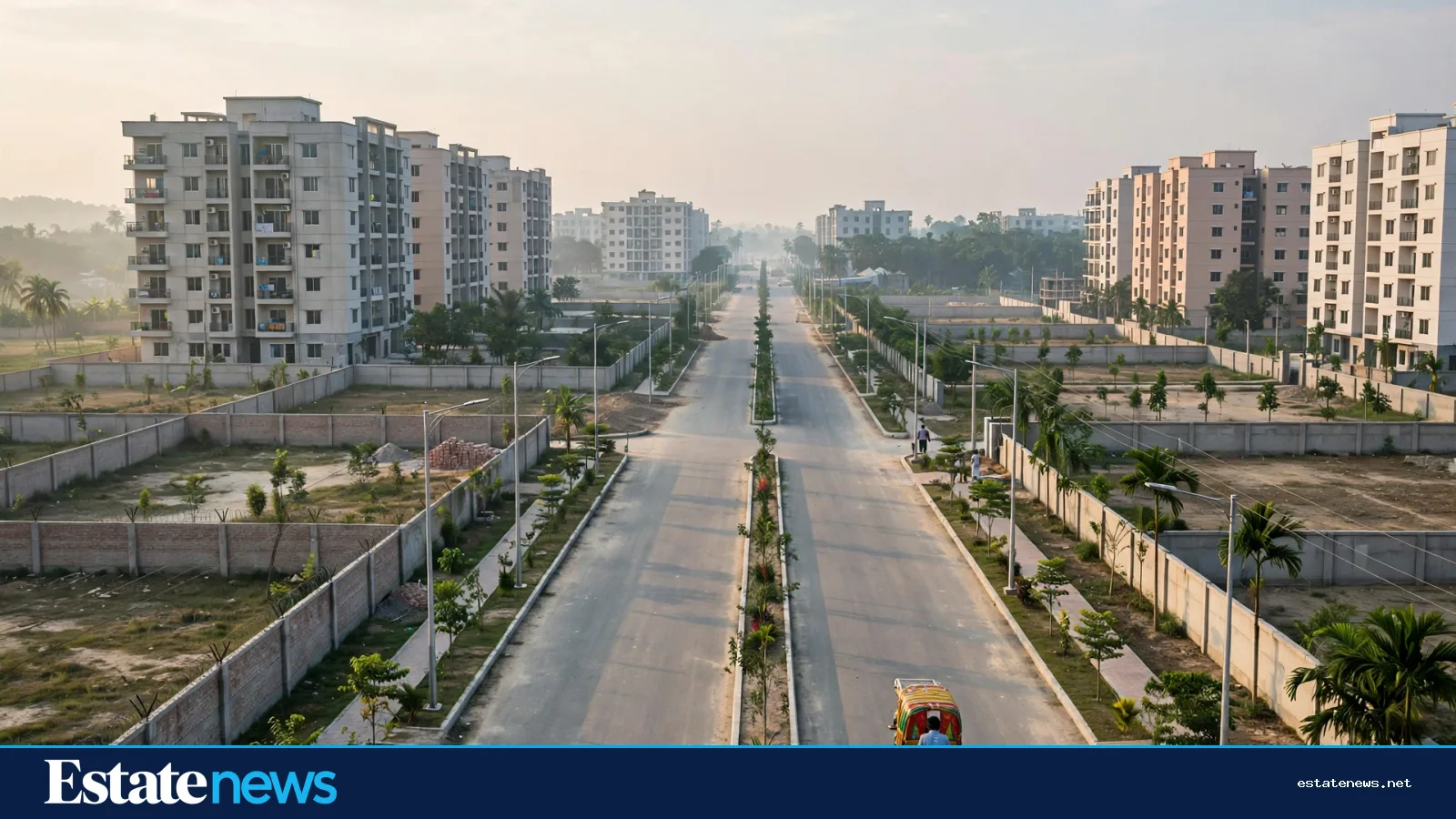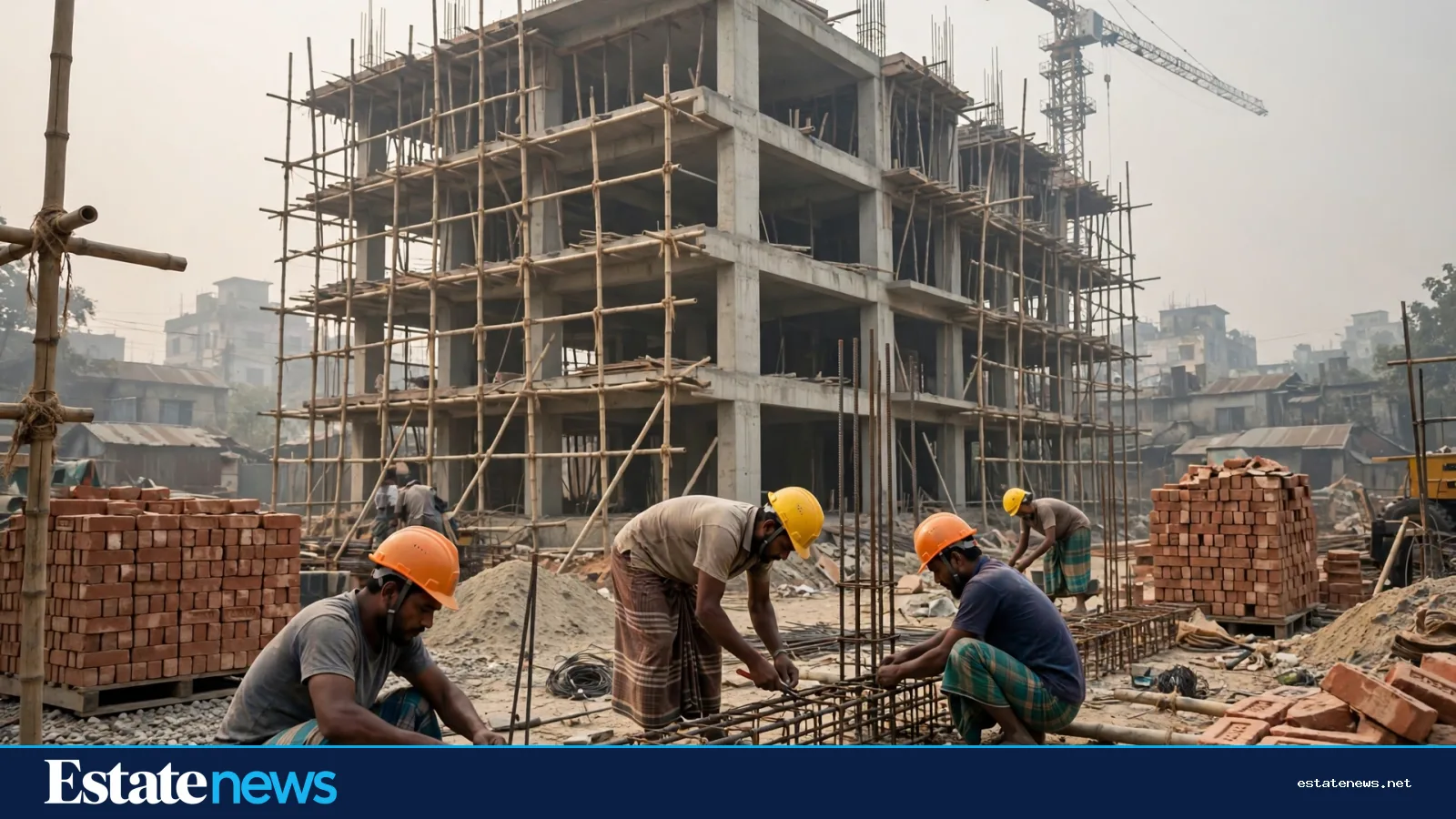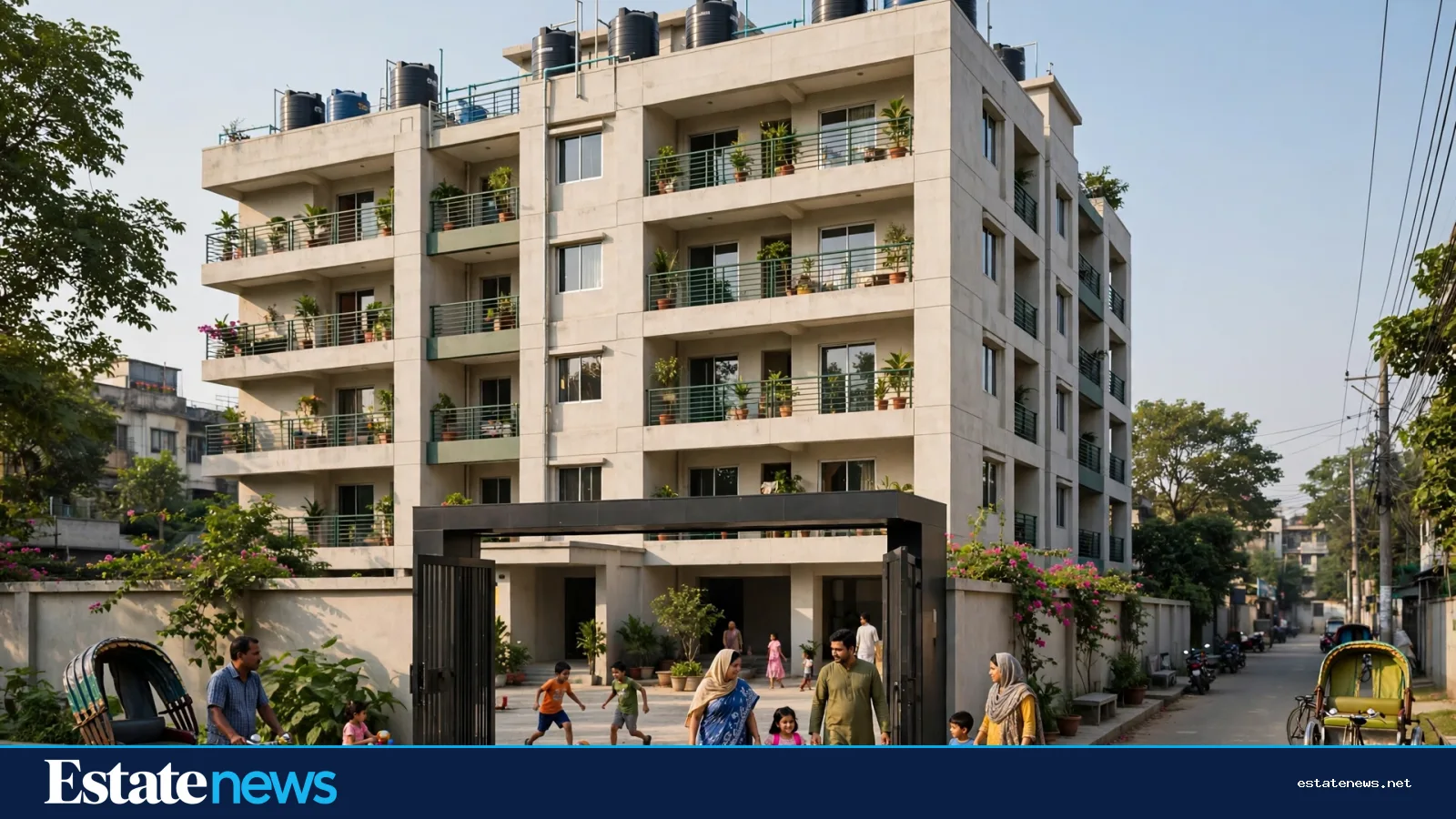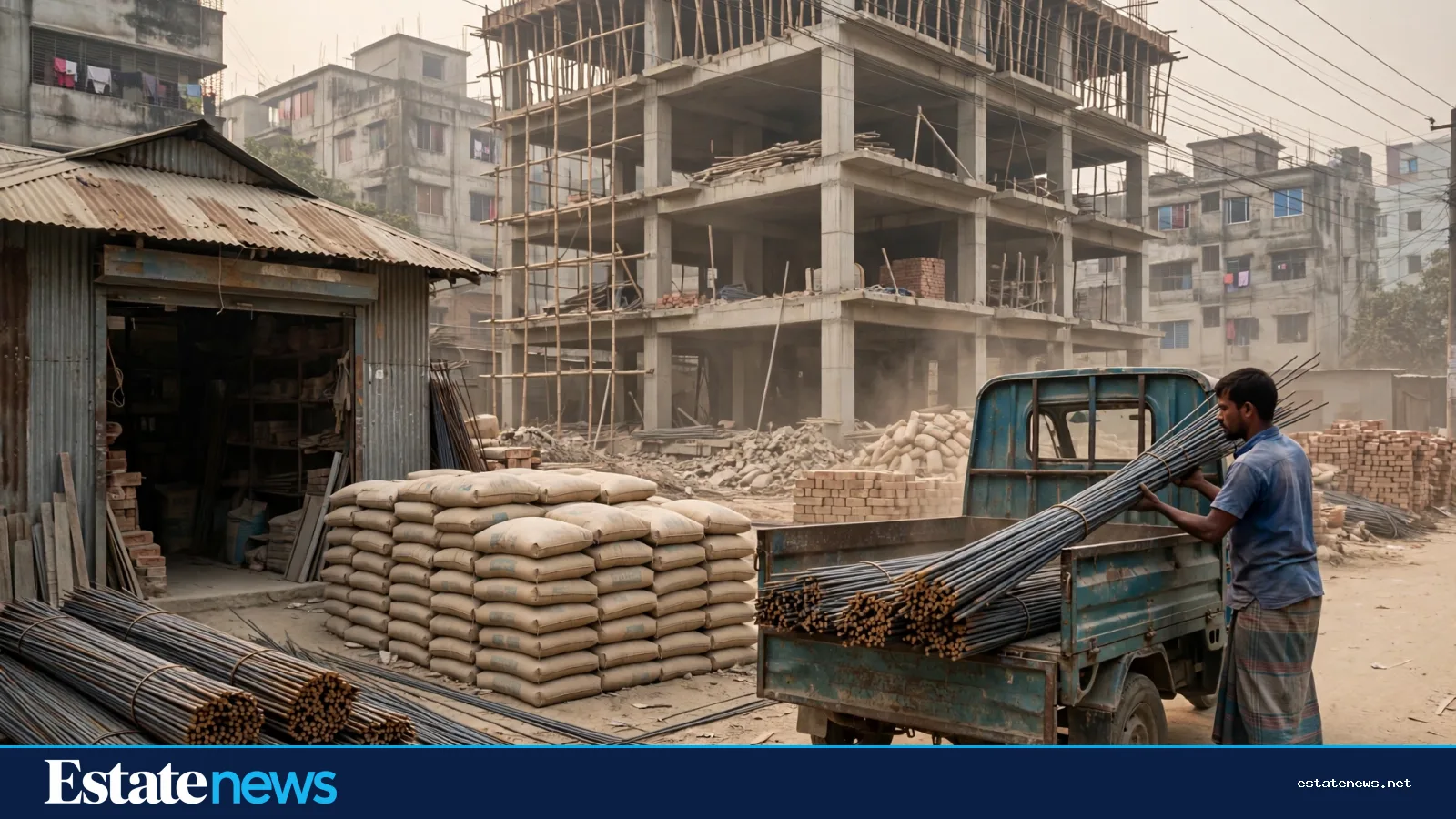
Anyone building a house in Dhaka this month will pay roughly the same for rod and cement as they paid last month, and that steadiness is itself news after a year of jumps. The latest retail figures, collected by the Trading Corporation of Bangladesh and published on 12 November, put 60-grade MS rod at Tk 91,250 a tonne, in a range of Tk 89,500 to Tk 93,000. The 40-grade rod sits at Tk 87,000 a tonne. Cement, in the latest press figures from 10 October, sells at Tk 540 to Tk 580 for a 50-kilogram bag, a midpoint of Tk 560. These are retail market prices, the numbers a buyer actually hears at the shop in Mirpur or Mohammadpur, and they are the ones that matter to a household budget.
The rod figure carries a year-on-year rise of 9.3 percent, and the cement midpoint is up 7.7 percent on the Tk 520 a bag recorded on 16 May. Neither rise is small, but neither is the kind of spike that stops a project. A family building a two-storey house will feel the rod price in the foundation and the columns, where the steel goes in first and in bulk. The cement price shows up later, in the plastering and the finishing, spread across months. The two prices move on different clocks, and that is why builders watch them separately.
What the brands are asking

The brand boards tell the same story with small differences. In a Bangladesh Post market review, BSRM rod was listed at Tk 92,300 a tonne, KSRM at Tk 90,500, AKS at Tk 91,500 and GPH Ispat at Tk 91,000. Those are indicative retail figures from a market review, not the mills' own price lists, and they move with the shop and the day. BSRM sits at the top of the list, as it usually does, and KSRM at the bottom, with AKS and GPH between them. The gap between the dearest and the cheapest brand is Tk 1,800 a tonne, which on a hundred tonnes of rod is Tk 1.8 lakh. That is enough to make a builder ask twice, and not enough to change the choice of brand on price alone.


Cement has its own brand spread. The same market review put cement at Tk 500 to Tk 530 a bag, below the Tk 540 to Tk 580 range in the press figures from October, which shows how much the number depends on where and when it was collected. The difference is a reminder to read every price with its date attached. A November price is not an October price, and a shop price in Keraniganj is not a shop price in Uttara.
The government's schedule is not the market
A second set of numbers arrived this month, and it is easy to confuse them with the retail prices. The ECNEC approved a revised schedule of rates on 18 November, and the schedule prices are government rates used for public works, not what a household pays at a shop. Under the schedule, coarse sand rose to Tk 3,530 a cubic metre, Portland Pozzolana Cement to Tk 10,400 a tonne, and 500 MPa steel rods to Tk 89,000 a tonne. The schedule rod price sits below the retail midpoint of Tk 91,250, and the schedule cement price, at Tk 10,400 a tonne, works out to Tk 520 a 50-kilogram bag, below the retail range of Tk 540 to Tk 580. The gap is normal. A schedule rate is a planning figure for a government project. A retail price is what the shop charges, with transport, handling and the shop's margin inside it. Anyone costing a private house should use the retail figures, and anyone costing a public project should use the schedule.
For a buyer, the practical reading of November is straightforward. Rod is steady around Tk 91,000 a tonne, cement is steady around Tk 560 a bag, and the brands sit within Tk 1,800 of each other. The costs that move a house budget now are elsewhere: the sand, the bricks, the labour and the land. Estate News tracks the full construction cost in its regular updates, and the registration cost that follows a purchase in "Flat Registration Cost in Bangladesh: A Buyer's Guide for 2026". The rod and cement numbers are the first line of that budget, and this month they are holding still.