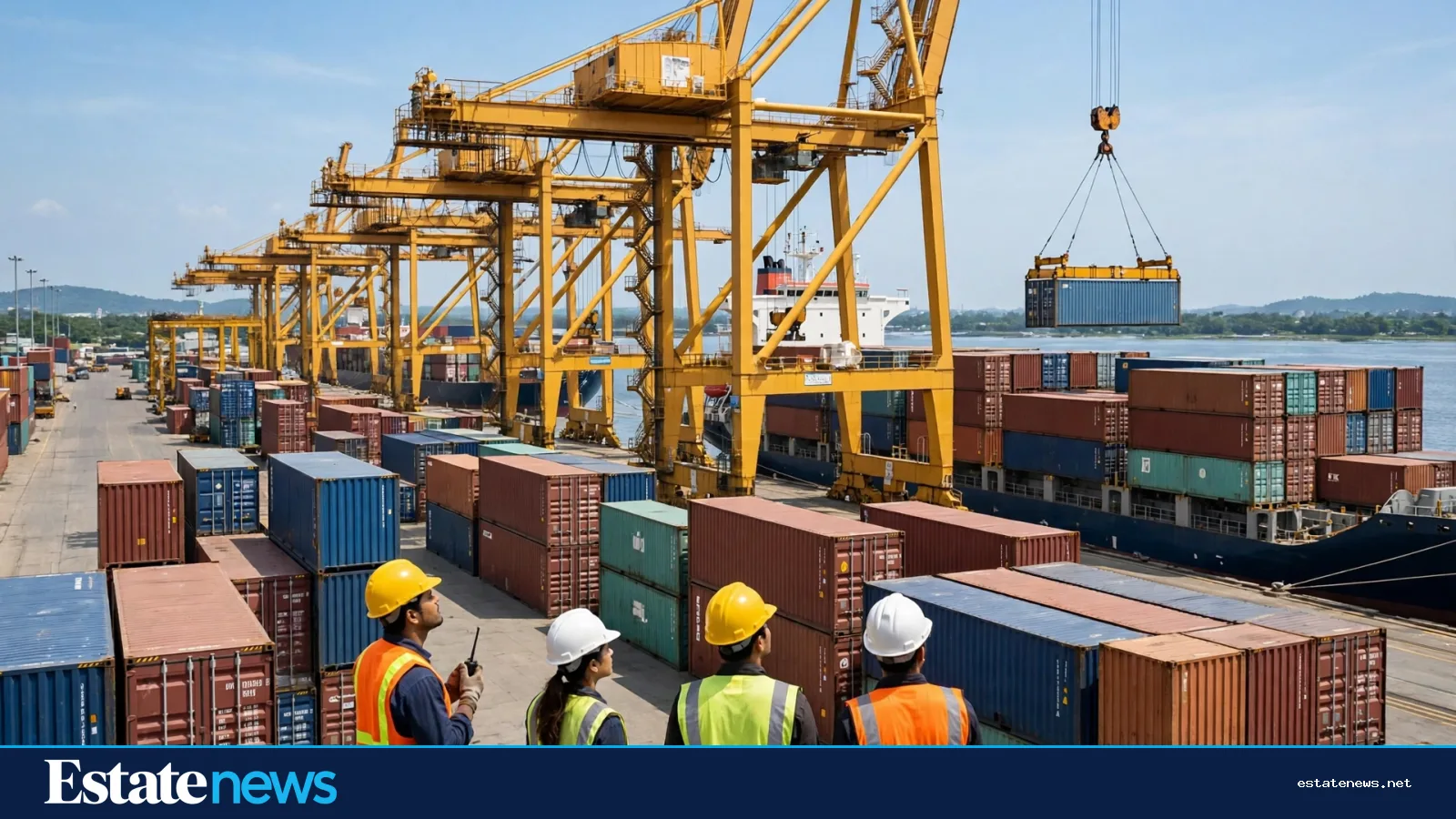
Bangladesh is about to borrow in dollars from the world's bond investors for the first time, and the price looks higher than the government hoped. Advisers working on the deal say the debut bond, planned at $500 million to $1 billion in December, would likely pay about 8.5 percent a year. The government's target was 7 to 8 percent. That gap, roughly half a percentage point on a billion dollars, is about $5 million a year in extra interest, and it says something plain about how the world prices Bangladesh today.
The estimate comes from ADB consultants Juan Pradelli and Prasad Ananthakrishnan, speaking at a debt conference in Cox's Bazar last week, as reported by The Daily Star on 23 November. Every figure in this piece is their estimate or a rating agency's, not a settled fact. The bond has not been priced yet.
Why 8.5 percent

A dollar bond is priced against the borrower's credit rating. Bangladesh is rated B+ by S&P and Fitch, and B2 by Moody's. Investors demand about 8.2 percent a year to lend dollars to countries rated at that level, according to the consultants. A first-time borrower usually pays about half a percentage point more, because buyers have no track record to judge. Add the two together and you land near 8.5 percent.
Pradelli put it in four words: the market is "open but costly". Bangladesh can sell the bond. It will simply pay a high price to do so. That is the normal cost of being a new borrower with a B+ rating, and it is worth saying plainly rather than dressing up.
The timing choice
The consultants also offered timing advice, and it matters. Dhaka should sell before mid-December, they said, or wait until January. A sale in the second half of December would land when global markets are thin and investors are closing their books for the year.
There is a second timing problem. A first bond usually takes at least four months to prepare, from appointing advisers to pricing the deal. A December sale would leave only two to three months since the adviser appointment. The work is being done fast, and speed on a debut deal is itself a risk. The government is also negotiating a new $4.5 billion IMF loan programme, and an IMF/World Bank review in January 2026 put the country at moderate risk of debt distress, a label that sits between low and high.


What it means at home
A dollar bond is not a loan a family takes out. But its price feeds into every borrowing cost in the country, because it sets a visible benchmark for what the world charges Bangladesh. When the government pays 8.5 percent in dollars, a Bangladeshi company borrowing abroad is priced against that. A bank raising dollars is priced against it too.
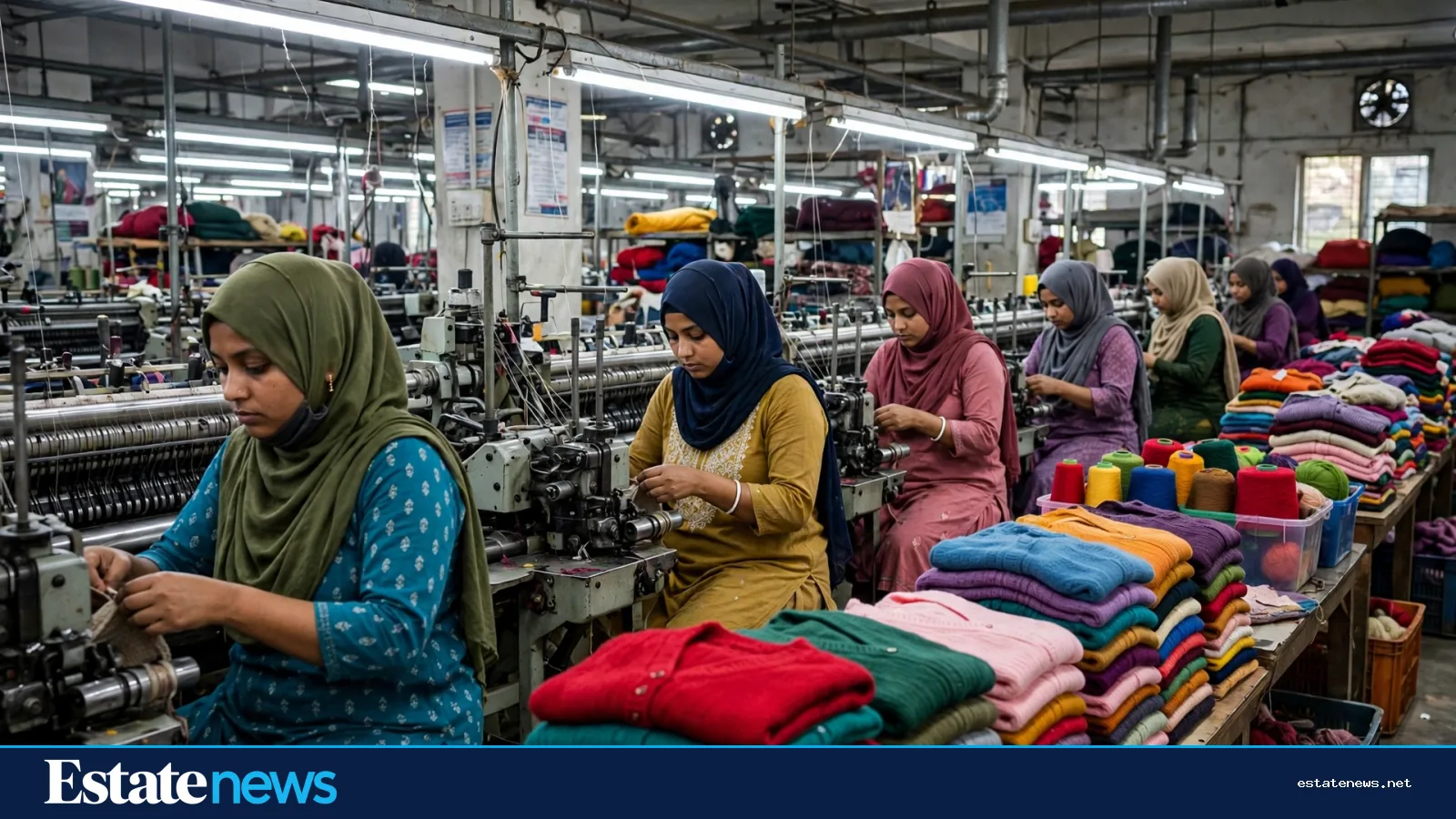
The bond also matters for the reserves picture. Bangladesh Bank's gross reserves stood at $34.99 billion on 10 November, with $30.12 billion on the IMF's BPM6 measure. A $500 million to $1 billion bond would add to that cushion, and it would diversify where the money comes from. Remittance brings in dollars from workers abroad, exports bring in dollars from garment buyers, and a bond would bring in dollars from investors. Each stream has its own rhythm, and a country that borrows in dollars needs all of them working.
Readers who follow the wider economy will remember the context. Estate News reported the growth picture in "3.2% Growth, the Lowest in 25 Years: What the Numbers Say About Bangladesh's Economy", and the export engine behind it in "The Garment Sector Kept $6.77 Billion This Quarter. That Is the Real Number". The bond is the next chapter of that same story: a growing economy that still pays a premium to borrow.
What to watch
Three dates matter now. The first is mid-December, the consultants' deadline for a sale before the holiday lull. The second is January, the alternative window if the government waits. The third is the pricing day itself, when the real number replaces the estimate. If the bond prices near 8.5 percent, the market has spoken as expected. If it prices well above that, the premium for being a new borrower is larger than the advisers thought. If it prices below, Bangladesh will have beaten its own target on the first try.
Estate News carried the day's market picture in "Bangladesh Market Wrap, 23 November: DSEX, Wages and the Two Decisions Due Today". The bond belongs in that same frame. It is a small deal by global standards, half a billion to a billion dollars, but it is the first time Bangladesh has asked the world's bond buyers to put a price on the country. The price they name will be quoted back every time Bangladesh borrows abroad, and that is why 8.5 percent is worth understanding, not just reporting.