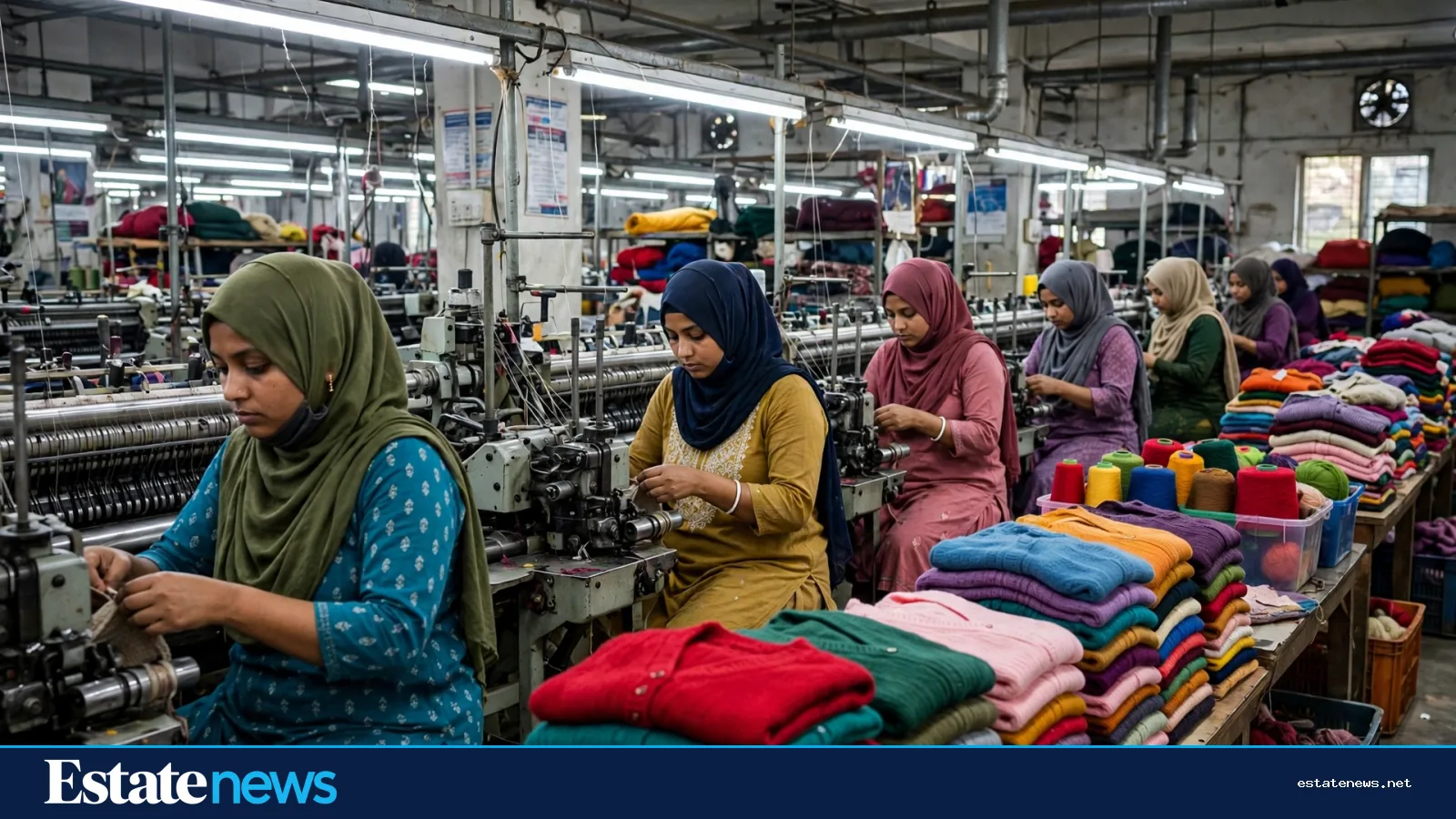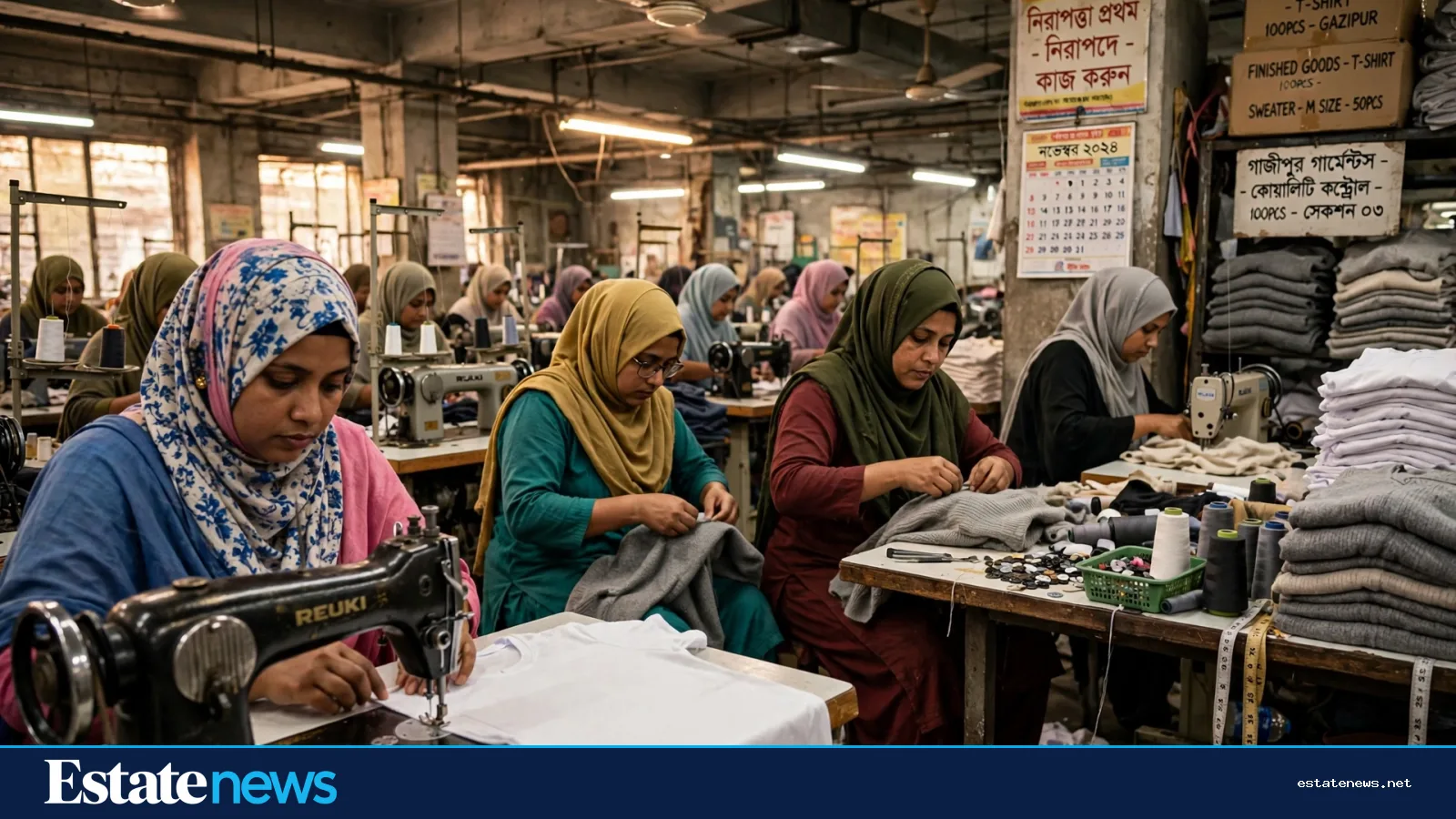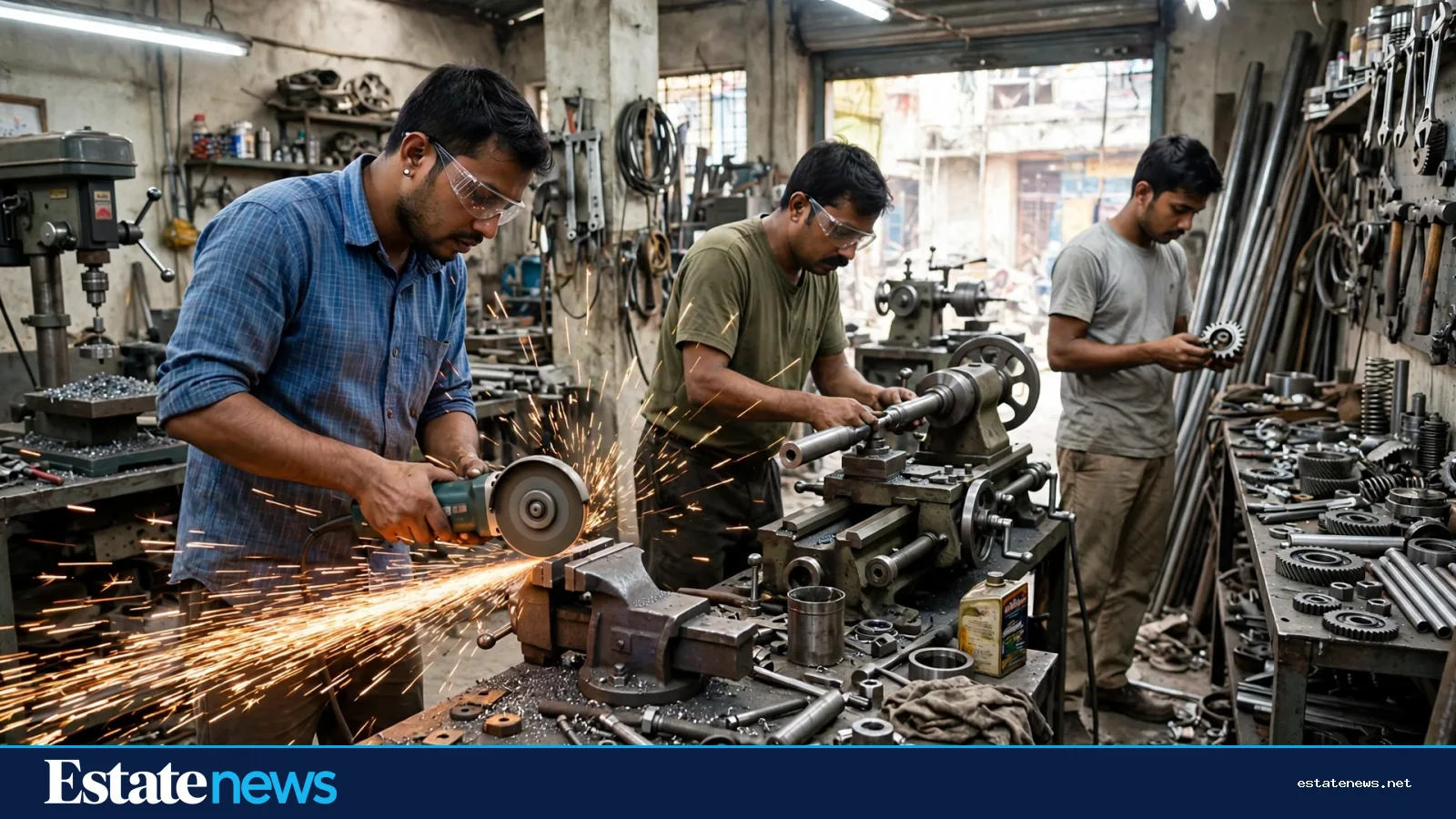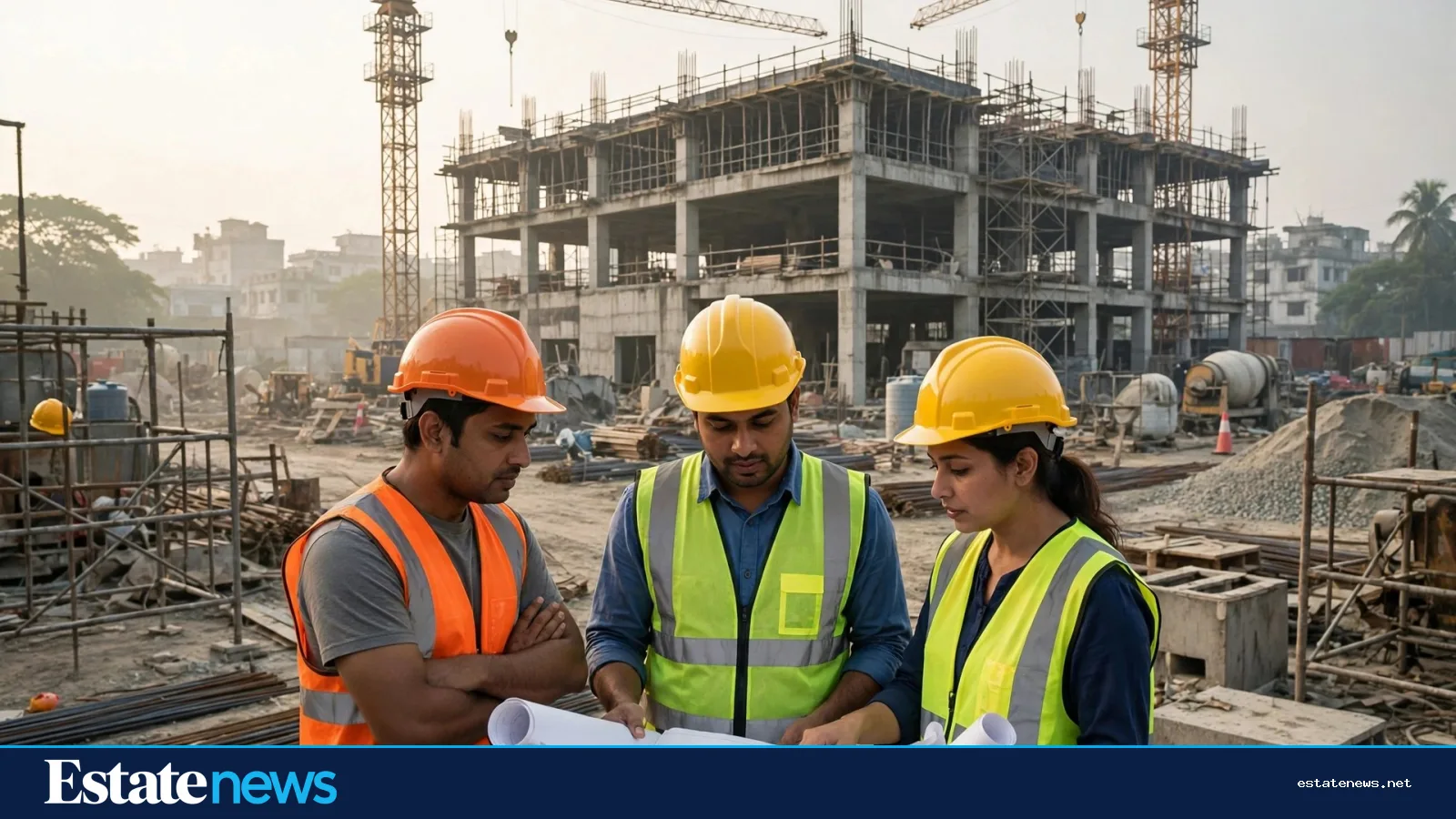
The promise came with a number attached to every part of it. Speaking at the opening of the 13th National SME Products Fair in Agargaon on Sunday, Prime Minister Tarique Rahman said the government plans to create more than 25,000 new entrepreneurs in the small and medium enterprise sector over the next four years, and set a target of 25 lakh new jobs in the sector by 2031. The draft National SME Policy-2026, he said, aims to make Bangladesh a manufacturing hub and an export gateway, lifting the cottage, micro, small and medium industries sector to 35 percent of GDP by 2031. The policy will soon go before the cabinet for approval.
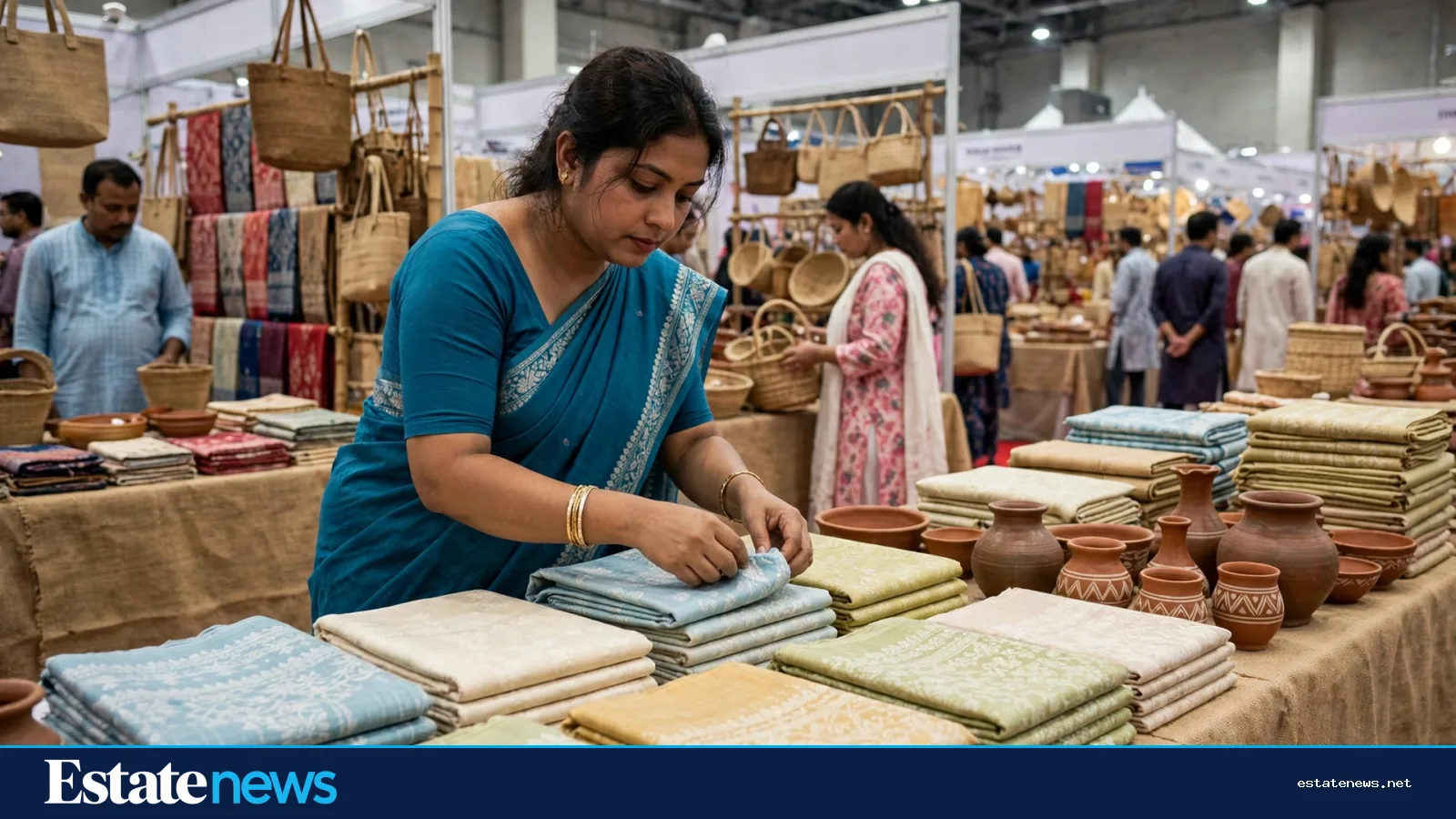
The arithmetic of the entrepreneur target is the most concrete part of the announcement. Under the SME Foundation's "SME Srishti" programme, the plan is to develop 100 new entrepreneurs every year in each of the country's 64 districts over the next four years. A hundred a year, in 64 districts, for four years, comes to more than 25,000 people. The fair that hosted the announcement is itself the evidence for why the number matters: more than 450 enterprises are taking part, around 60 percent of them run by women, and the sale of imported goods is prohibited at the fair. The stalls are the policy in miniature, small firms selling what they made.
The training and the clusters behind the numbers

Two supporting targets fill out the plan. The government aims to train at least 50,000 entrepreneurs over the next five years in branding, digital marketing and e-commerce, and the SME Foundation has identified 177 potential industrial clusters across the country. The training is the part that answers the most common complaint from small firms, which is not that they cannot make things but that they cannot sell them beyond their own district. A weaver in Tangail or a pottery maker in Dinajpur who learns to sell online is the policy working as intended.


The prime minister named the obstacles without softening them: capital, technology, loan access, skilled manpower and marketing. Those are the same five problems small businesses have named for a decade, and the policy's test will be whether the lending and training reach the districts or stop in Dhaka. The central bank is already moving on the lending side: the governor has said the bank is considering targets of 35 percent of lending for SMEs and 20 percent for retail, with corporate lending capped near 45 percent, a plan Estate News covered in "A Third of Bank Lending for Small Business: The Governor's 35-20-45 Plan". A district entrepreneur needs both halves, the loan and the market, and the policy promises both. Fairs for Bangladeshi entrepreneurs are also planned in Singapore, London and Paris, which would put the weaver from Tangail and the pottery maker from Dinajpur in front of buyers who have never visited their districts.
A trillion-dollar economy, and the LDC clock
The bigger frame around the SME numbers is the economy the government says it wants by 2034: a $1 trillion economy, built on manufacturing and exports. The draft policy was prepared, the prime minister said, considering the changed economic reality, technological advances, the global trade situation and the challenges after Bangladesh graduates from least developed country status in 2029. The government has formally sought a three-year deferral of that graduation, to November 2029, which gives small exporters a little more time under the trade terms they know. The fair runs until 28 November, open daily from 10am to 8pm with free entry, and nine entrepreneurs received the National SME Entrepreneur Awards 2026 at Sunday's opening. Estate News covered the fair itself yesterday in "450 Small Businesses, Most Run by Women: The SME Fair Opens in Agargaon". This piece is about the policy announced on its stage, and the question it leaves open is the one every small business owner in the hall was asking: whether the 100 entrepreneurs a year in their district will include them.