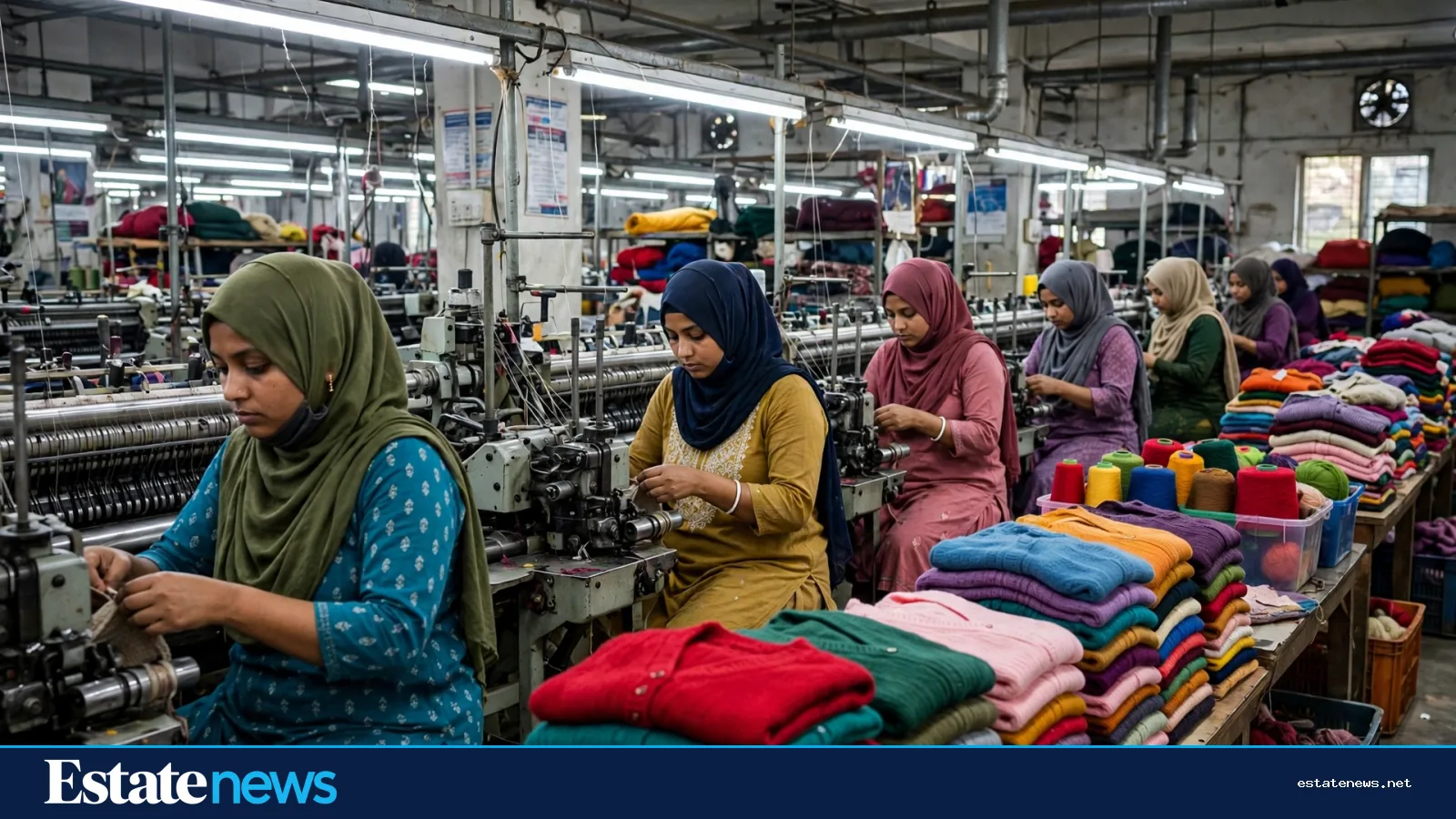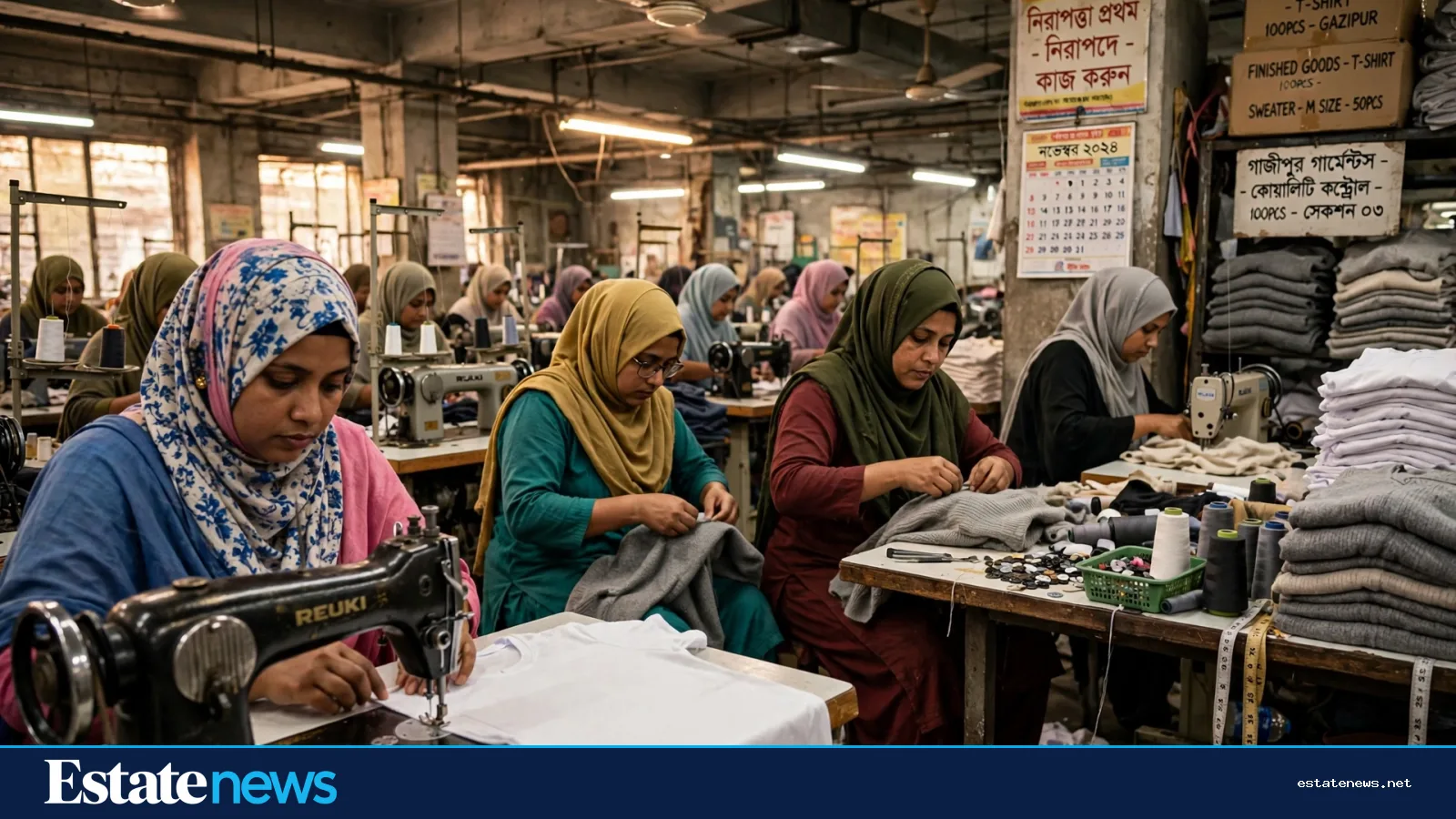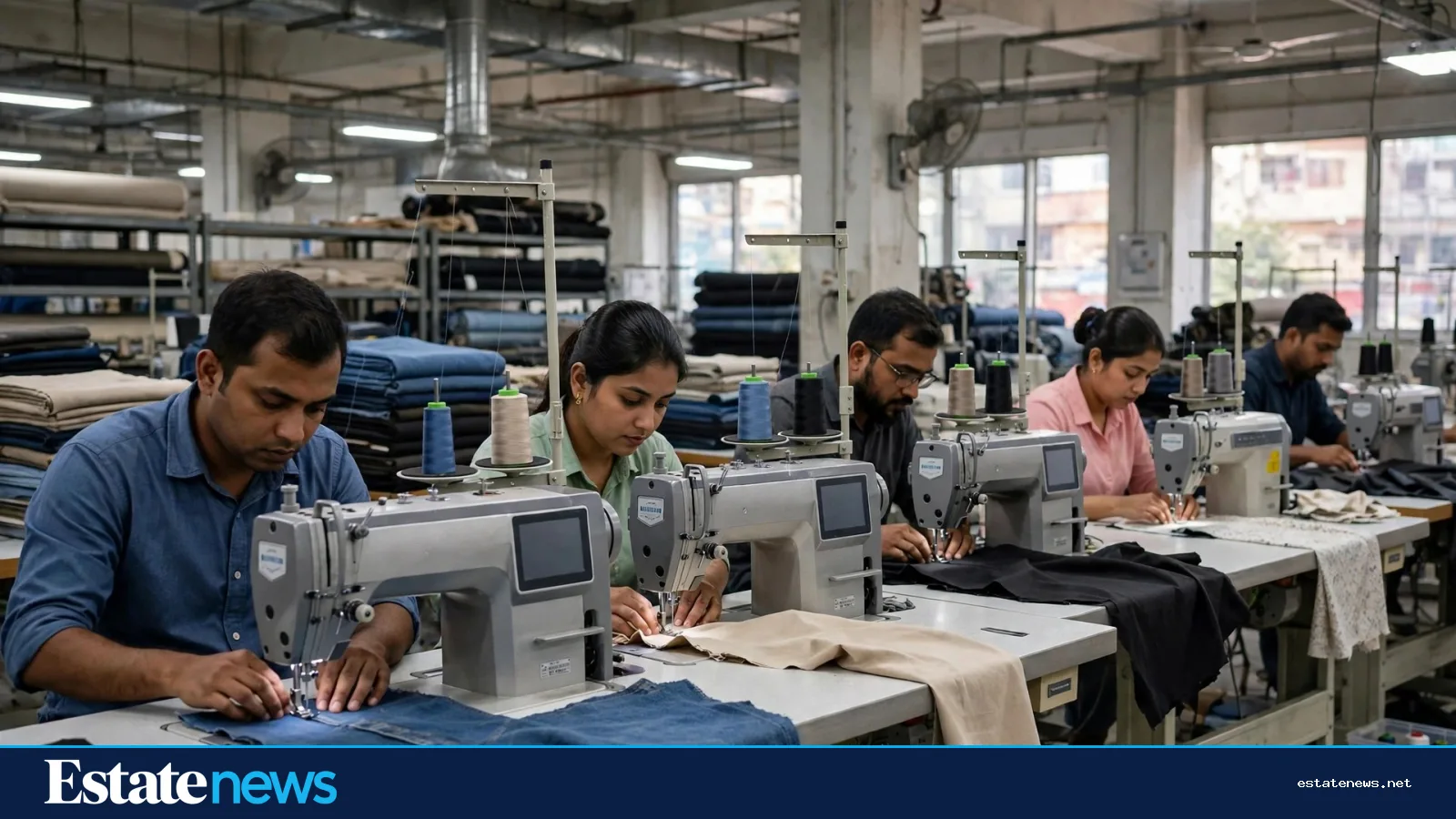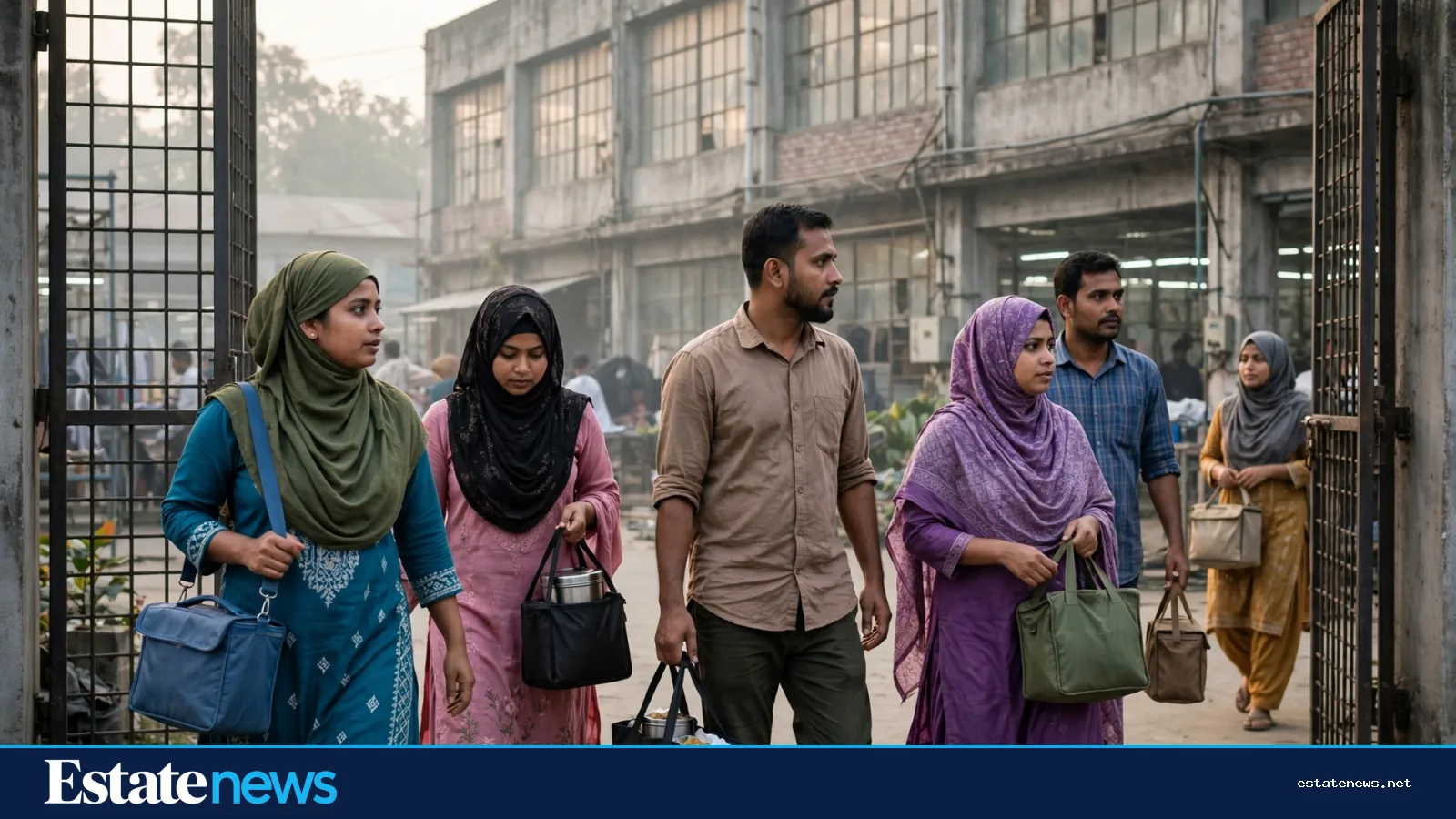
The room in Segunbagicha will be small and the arithmetic inside it will not be. At 11:30 this morning the Minimum Wage Board holds its third meeting, and factory owners are expected to put their number on the table for the first time. Workers have already put theirs down: Tk 32,000 a month for a grade-four worker, against a current minimum of Tk 12,500 that has stood since 1 December 2023. Between those two figures sits the evidence of the Centre for Policy Dialogue, which puts a living wage for a garment worker's household at Tk 18,578 to Tk 24,204. Today is the day the gap between the three numbers starts to close, or the day the board decides it must close the gap without the owners.
The board was formed on 1 November, six members under the chairmanship of District and Sessions Judge Syed Azad Subhani, with representatives from workers and employers and a neutral member from Dhaka University. Its first meeting, on 4 November, set the shape of the exercise: both sides would prepare wage structures, and the new wage would take effect from 1 December, reaching workers with their January 2027 salaries. At the second meeting, on 9 November, the workers' side, led by Babul Akhter, tabled a four-grade structure topped by Tk 48,000 for grade one and Tk 32,000 for grade four, with Tk 30,000 for new or apprentice workers and Tk 40,000 to Tk 55,000 for office staff. The owners asked for time, were given four working days, and did not submit by the 15 November deadline. A third meeting set for 16 November was postponed that morning. Today is the rescheduled sitting, and the agenda carries two items: the owners' written proposal, and the discussion that turns proposals into recommendations.
The chairman cannot force a number, and he said so

Subhani visited the Ashulia industrial belt on Saturday and spoke plainly to reporters there. "I cannot force anyone to submit a proposal. If no proposal is submitted, we will proceed in accordance with the law," he said, adding that he hoped the owners would submit on Monday. The line matters because it sets the board's fallback in public. Under the Labour Act the board has until 30 April 2027 to finish its work, but both sides have said they want the decision this month, and the 1 December effective date agreed on 4 November still stands. A board that proceeds without the owners' figure would be writing a wage on the workers' proposal, the CPD evidence and its own criteria, and every factory owner in the country knows it.
The owners' figure, whatever it is, has not been published. Reports a week ago, citing BGMEA leaders, put the number under discussion at around Tk 15,000. That figure is unconfirmed, and the association has not published it, so it should be read as talk rather than an offer. What the owners have said in public is different, and it may matter more than the number itself.
The owners want this to be the last wage board


Alongside their wage proposal, the BGMEA and the BKMEA plan to propose an end to the wage-board system itself. Their idea, reported by The Business Standard on 18 November, is a fixed formula for annual pay rises, calculated automatically from inflation, living costs and household spending on health care and education. "To prevent unrest over wage boards and minimum wage revisions in the coming years, we will propose that the government devise a formula for fixed annual increases," BGMEA President Mahmud Hasan Khan said. The current structure gives a flat 5 percent annual increment whatever inflation does. The owners' argument is that a formula would take the fight out of the revision cycle, which has produced a stoppage roughly every time a board has sat. The idea has a history: the National Pay Commission headed by former Bangladesh Bank governor Mohammad Farashuddin recommended something similar in 2015.
Nine global labour groups have written the other way, urging Bangladesh to set the garment minimum at a living-wage level. The CPD, whose range sits between the two sides, has spent the past week defending its method after the BGMEA objected to the household size and earner assumptions behind it. The argument over method is really an argument over what a wage is for: a floor under a factory's costs, or a floor under a family's life.
What the decision is worth to a factory town
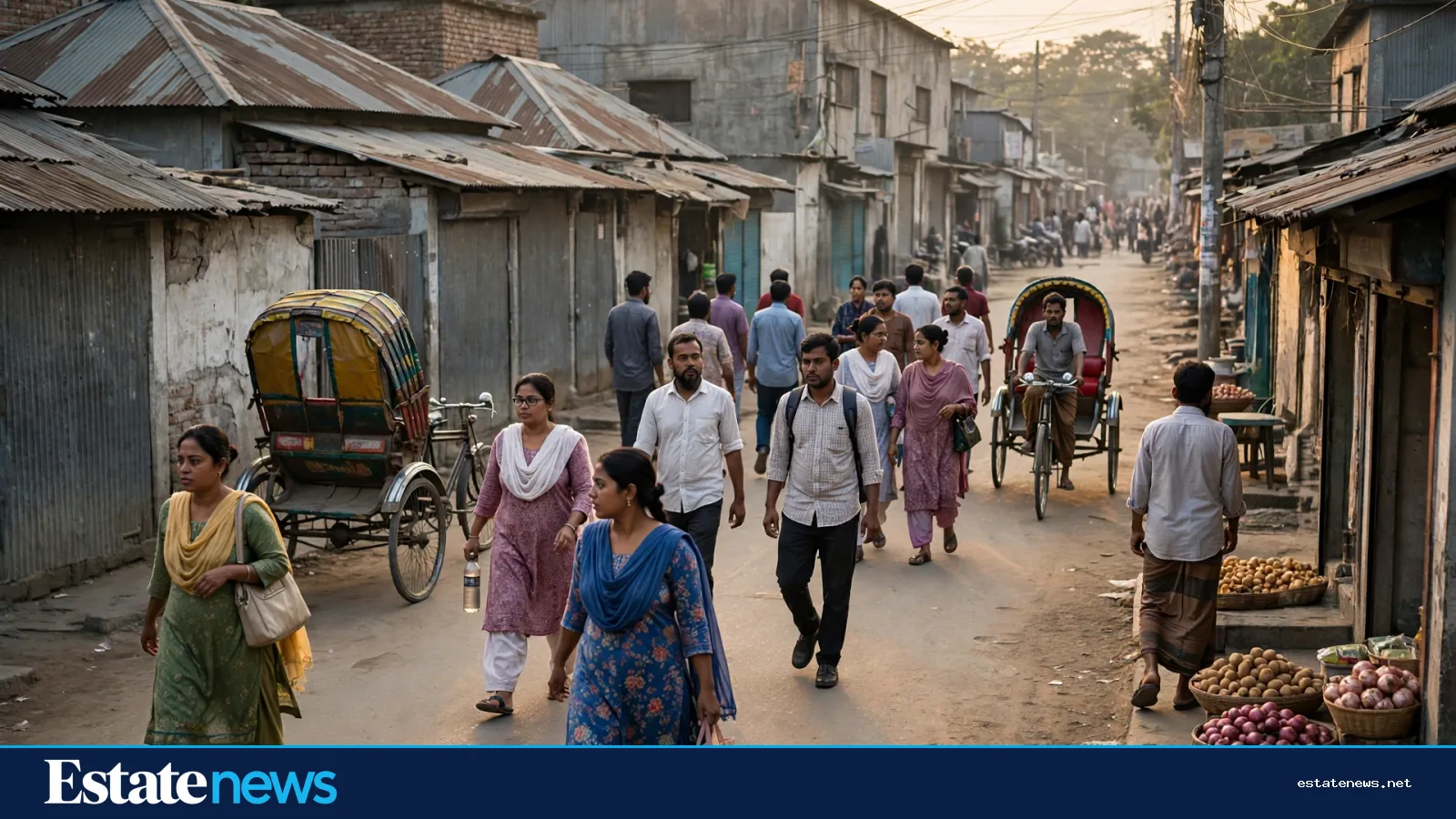
A wage is also a housing number. A grade-four worker on Tk 12,500 lives in a room in Gazipur or Ashulia, shares a kitchen and a toilet, and sends money home. A wage that rises by half, or doubles, changes what that worker can rent, and it changes what a landlord in a factory town can ask. Estate News looked at that link in "Monday Decides the Garment Wage: What the Board Can Do Without the Owners' Number", published yesterday, and the point still holds: the board's decision lands in rent books as surely as it lands in pay slips.
The meeting ends when it ends, and the outcome will be known only after the board speaks. What is already clear is the shape of the choice. The workers want Tk 32,000. The evidence points to the low twenties. The owners have a number they have not yet shown, and a proposal to make sure no board ever has to meet like this again. By this evening, Dhaka will know whether the two sides are negotiating over the same table, or whether the board is writing the number on its own.