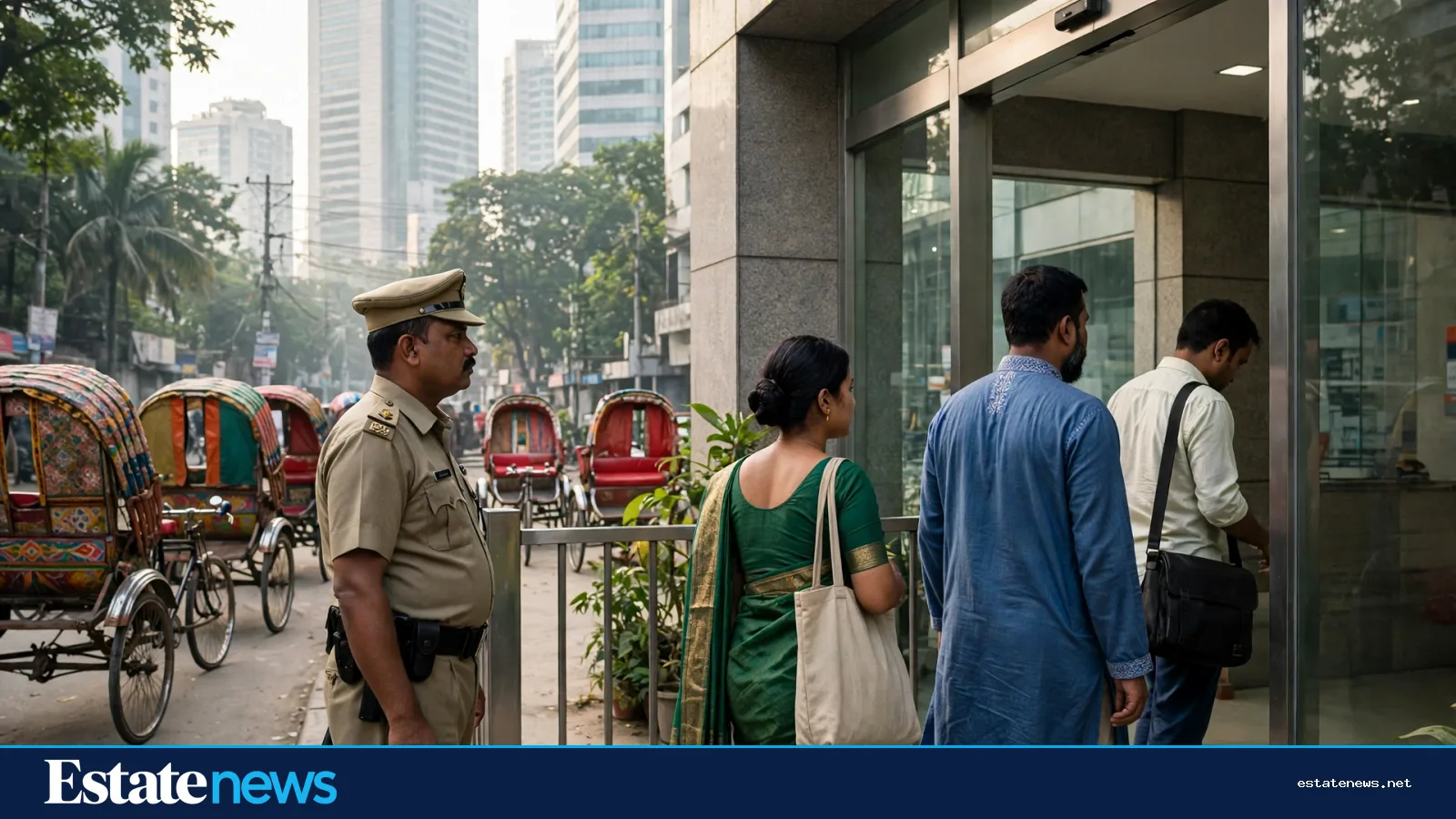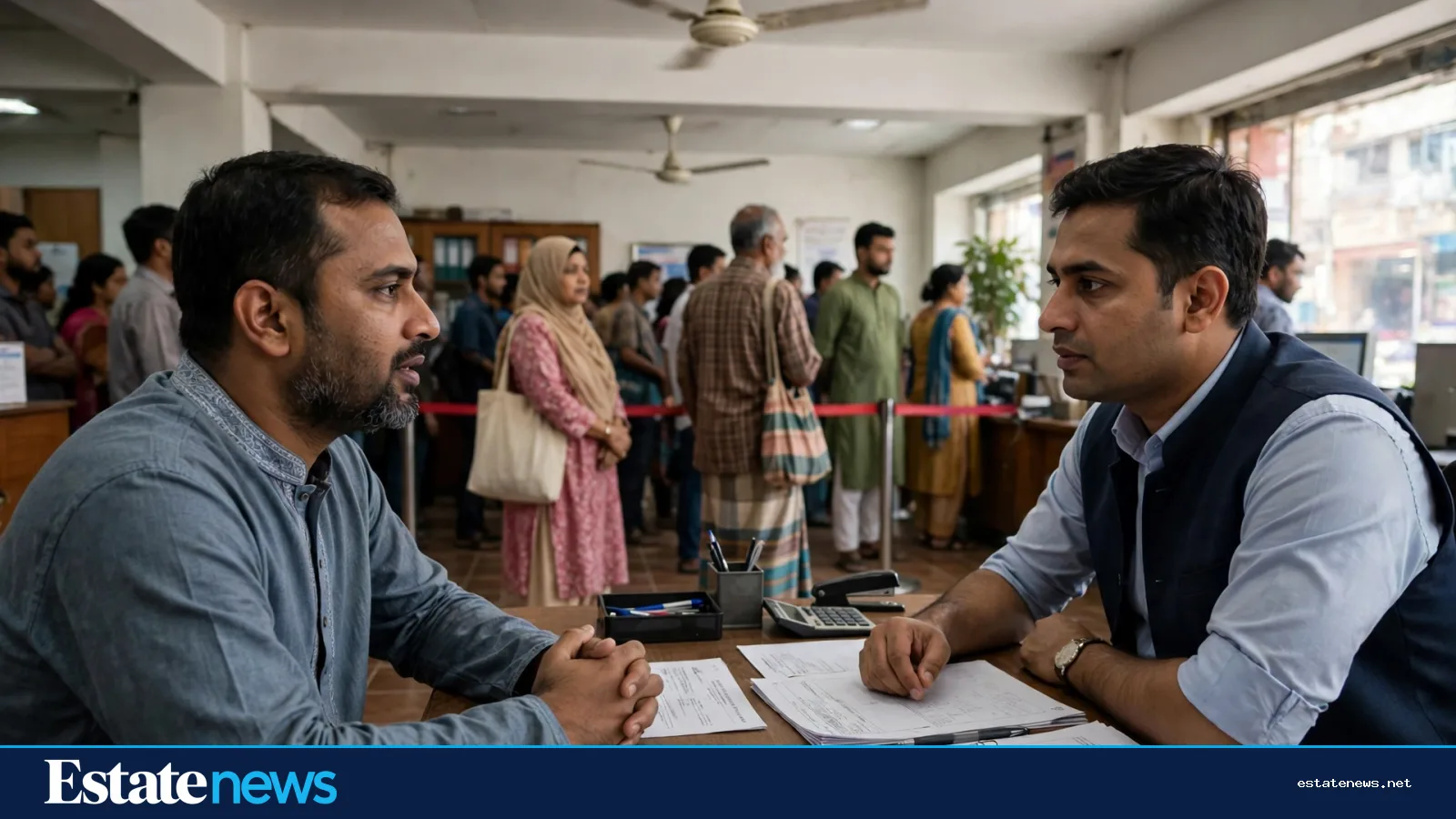
A rickshaw puller who wants to buy his own rickshaw, a tailor who wants a second sewing machine, a student who wants to learn a trade: these are the people Bangladesh Bank's newest fund is written for. The central bank's Financial Inclusion Department issued a circular on Thursday 12 November setting up a Tk 1,500 crore refinancing fund, and the rules are now public. Banks get the money from Bangladesh Bank at 1 percent a year and lend it on at a maximum of 7 percent. An individual can borrow up to Tk 10 lakh, and loans up to Tk 5 lakh need no collateral.
That last detail is the one that matters most. A loan without collateral is a loan a person without land can actually take. The bank may ask for two guarantors, but it cannot ask for a plot of land or a flat as security for the first Tk 5 lakh. For the millions of Bangladeshis whose work is their only asset, that is the difference between a scheme on paper and money in hand.
Who qualifies, and how much

The fund is aimed at the people formal banking usually misses. Priority goes to marginal and landless farmers, with Farmer Smart Card holders first, low-income workers, small business owners, students up to the age of 25 borrowing for vocational, technical or IT training, members of families receiving remittances, people affected by disasters, people with disabilities and third-gender people. At least 25 percent of the loans must go to women borrowers and entrepreneurs.
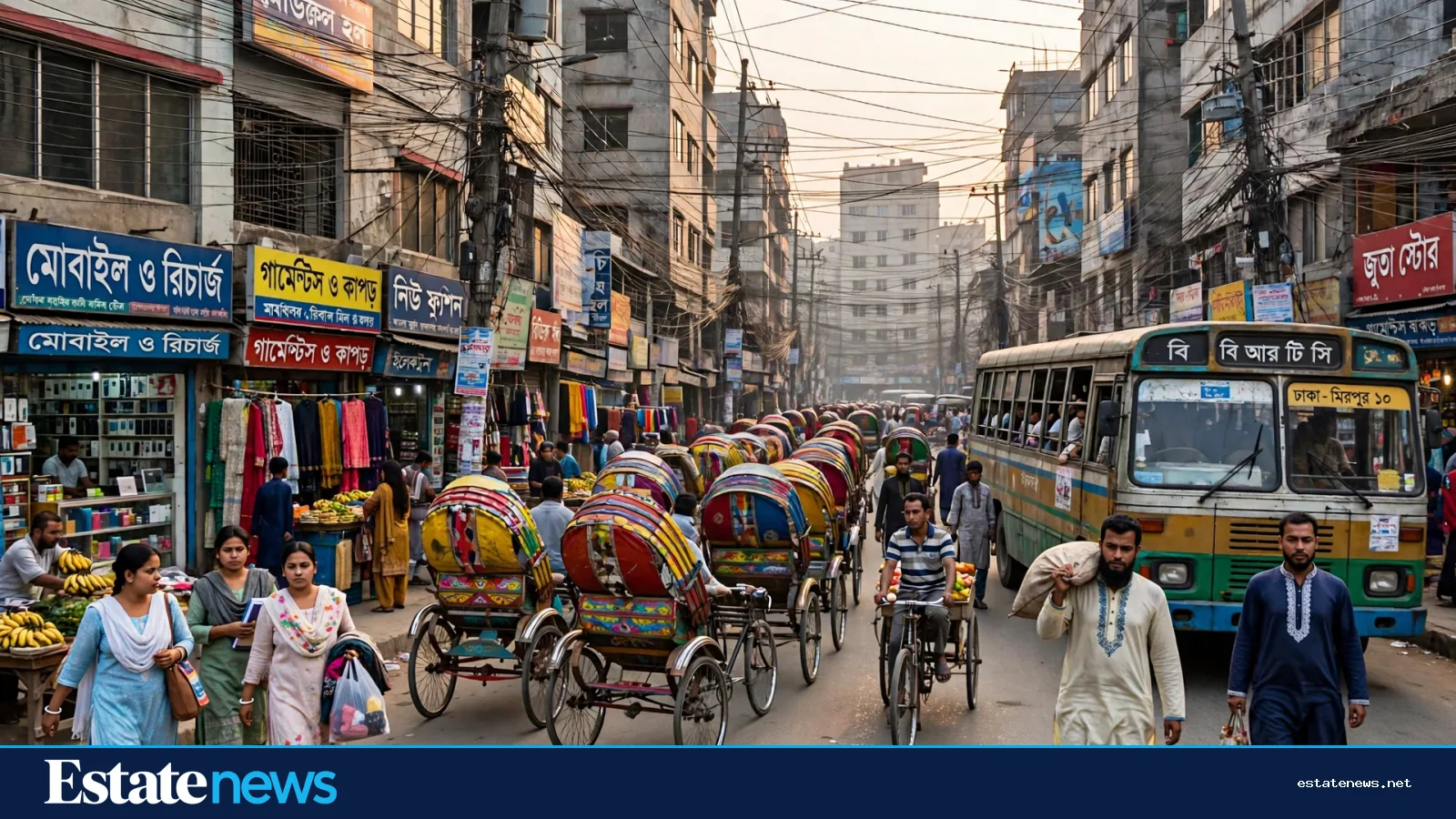
The list of eligible occupations reads like a walk through a Bangladeshi neighbourhood. Fishers, goldsmiths, blacksmiths, potters, tailors, rickshaw and van drivers, carpenters, masons, plumbers, weavers, tea workers, grocers, mobile recharge and mobile financial service agents, food sellers, flower, fruit and vegetable sellers, poultry and livestock farmers, freelancers, nursery owners and cottage-industry owners are all named in the circular. Groups of up to five people can borrow together, up to Tk 40 lakh jointly. The tenure runs up to five years, or 60 months, with a grace period of up to six months before repayments begin. The scheme runs for five years from the circular. Loan defaulters are not eligible, and the loans go through commercial bank branches.


How to apply, and what to watch for
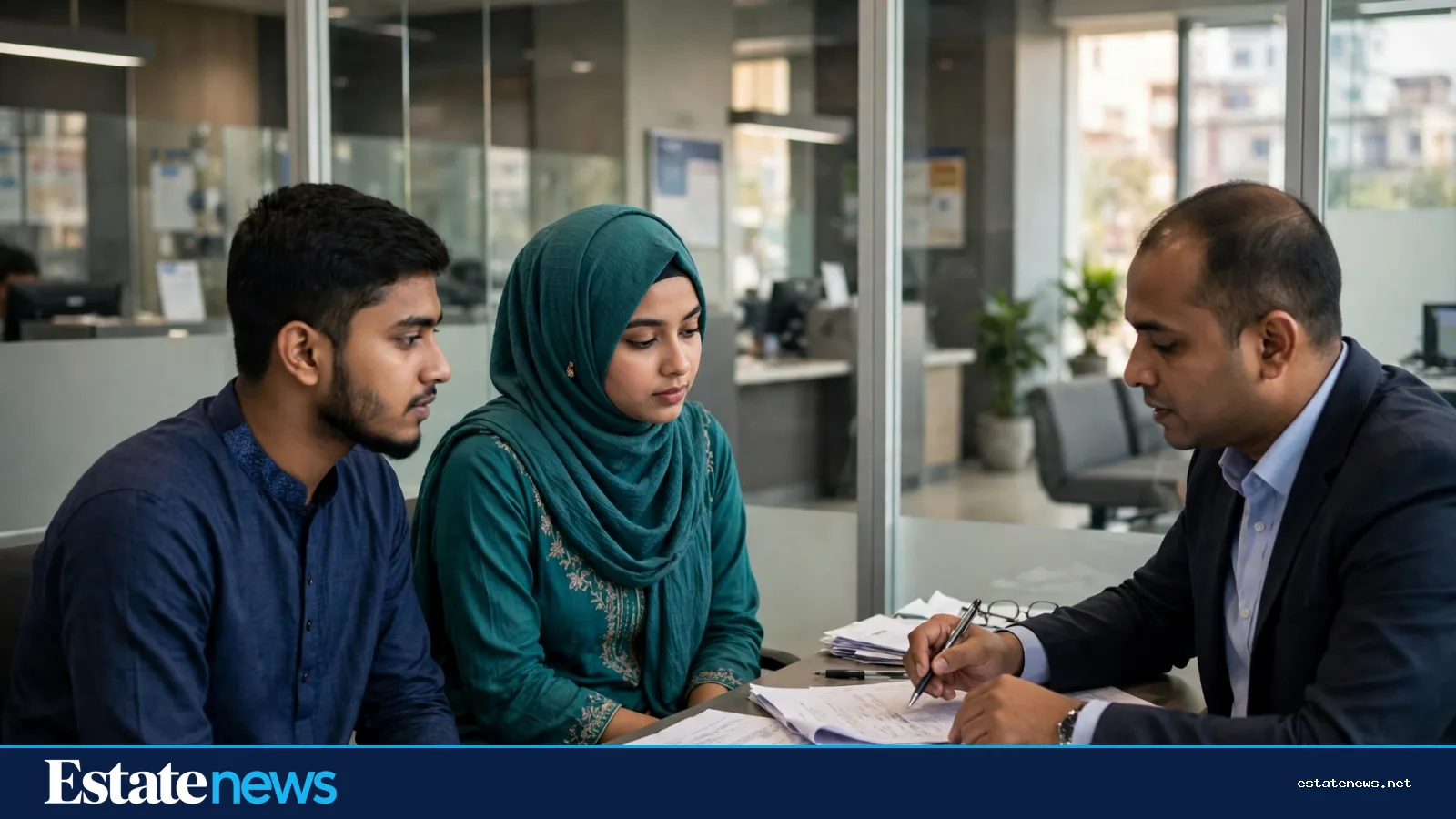
The application goes through a bank branch, not through Bangladesh Bank directly. A borrower should go to the branch with identification, proof of the work they do, and, where relevant, a Farmer Smart Card or student documents, and ask for the refinancing fund by name. The branch decides the loan under the circular's rules. The interest rate is capped at 7 percent, so a borrower offered more than that for this fund is being offered something else.
Two cautions belong here. The first is that 7 percent is cheap money, and cheap money attracts people who will promise to arrange it for a fee. No middleman is needed, and no fee should be paid to anyone who offers to get the loan approved. The second is that a loan is still a loan. Five years of repayments on Tk 10 lakh is a commitment, and a borrower should work out the monthly instalment before signing, not after. This is general information, not financial advice, and a borrower who is unsure should ask the bank officer to show the repayment schedule in writing.
Estate News first reported the fund in "Bangladesh Banks' Tk 1,500 Crore Fund: Who Can Borrow and at What Rate", and this piece follows it with the full rulebook now that the circular is public. The wider promise for small entrepreneurs is set out in "25,000 New Entrepreneurs in Four Years: What the SME Policy Promises", and the home-loan arithmetic many of the same families will face is in "গৃহঋণে ৯ শতাংশের প্রস্তাব: ৭০:৩০ নিয়মে ফ্ল্যাট কেনার হিসাব". The fund will be judged not by its size but by whether the tailor, the rickshaw puller and the student can actually walk into a branch and walk out with a loan. The rules say they can. The next five years will show whether the branches agree.