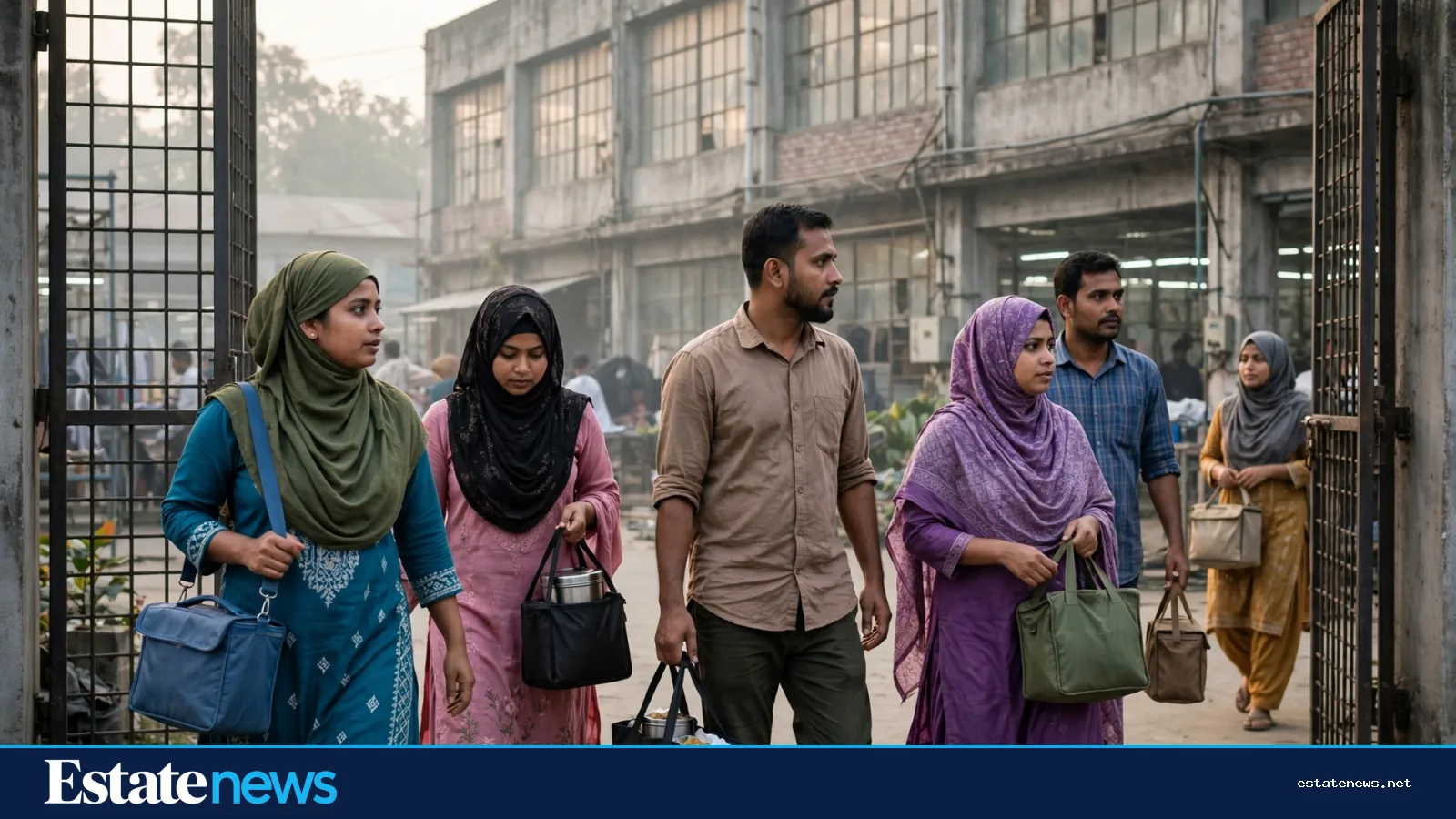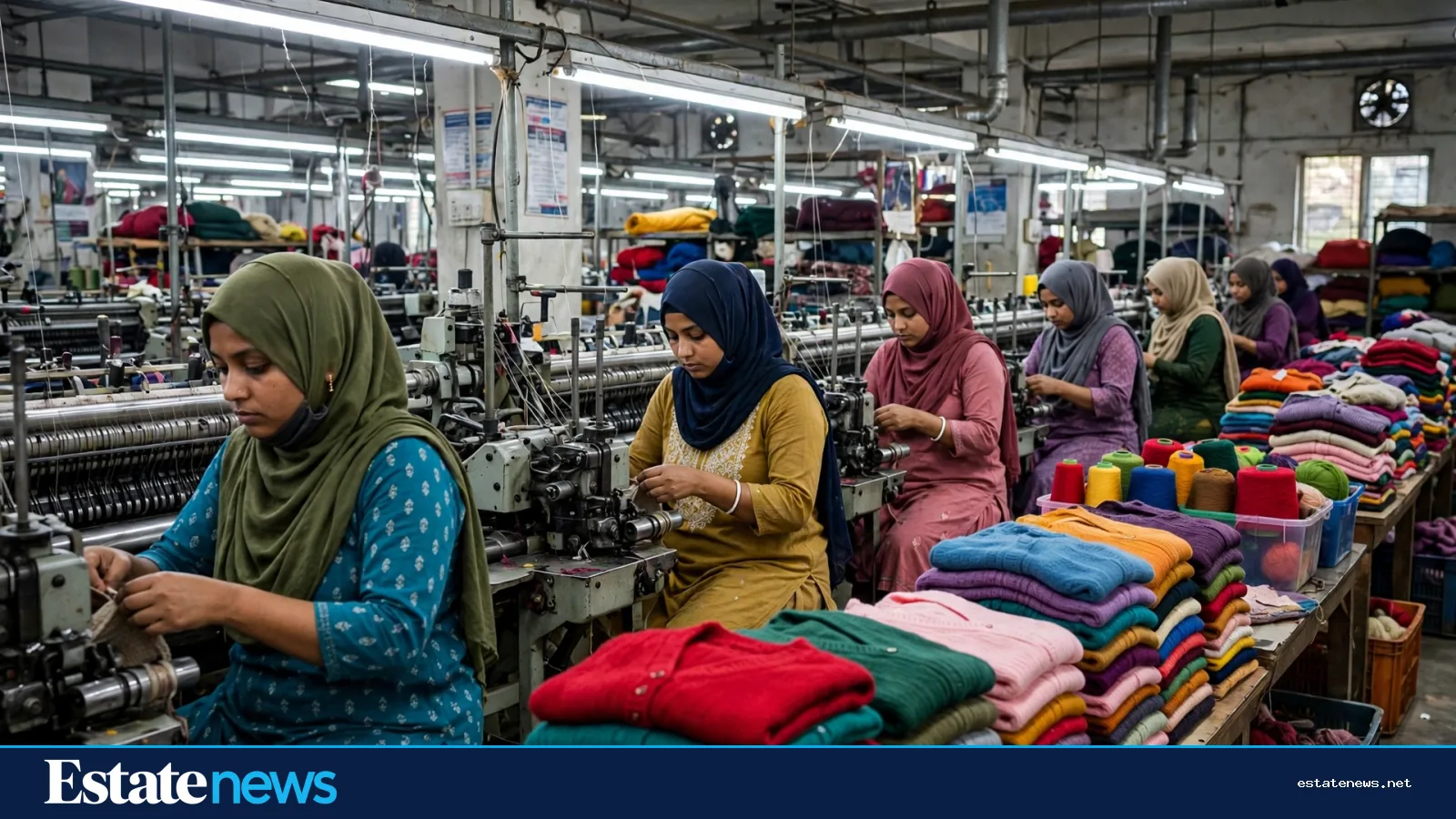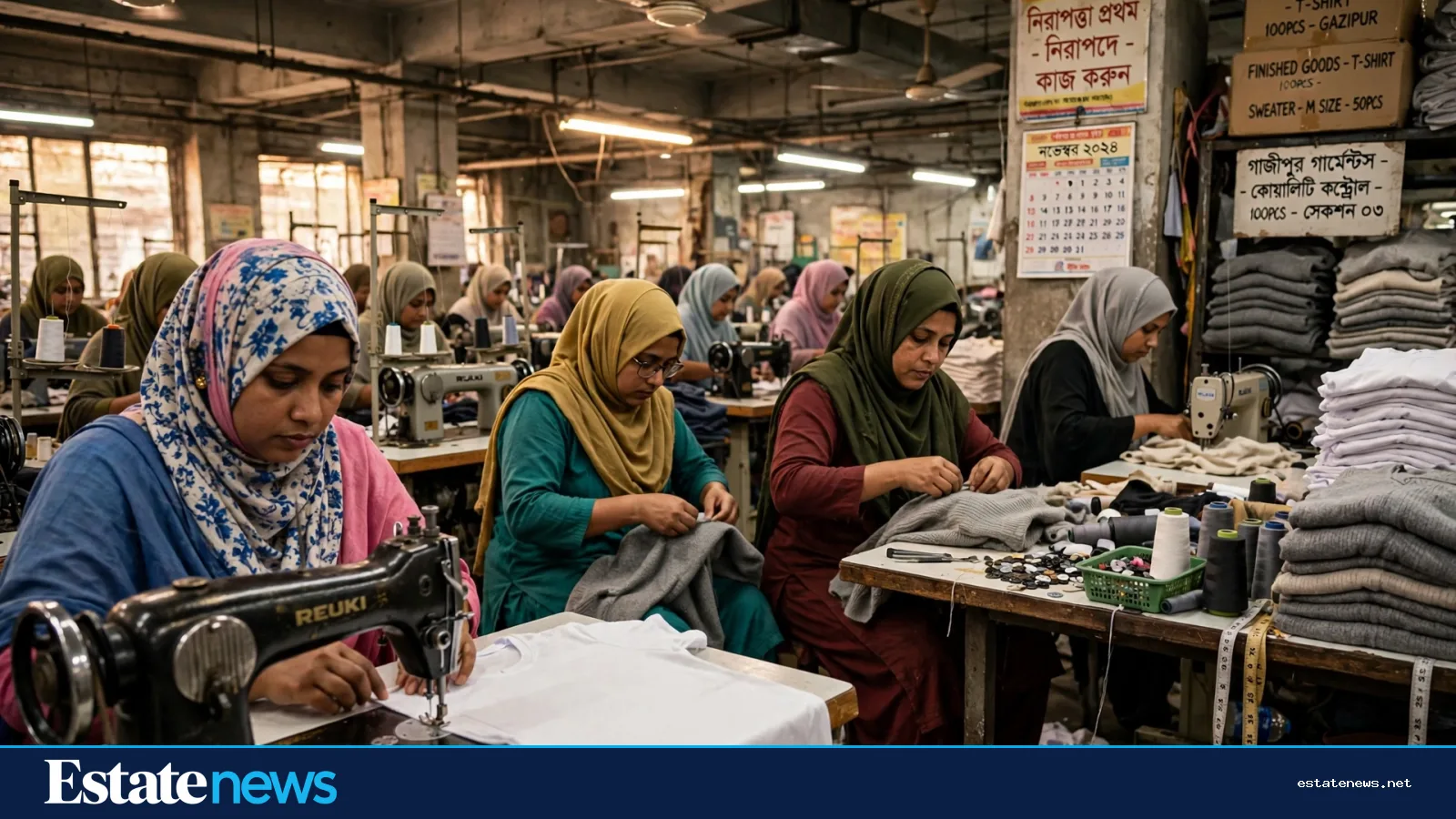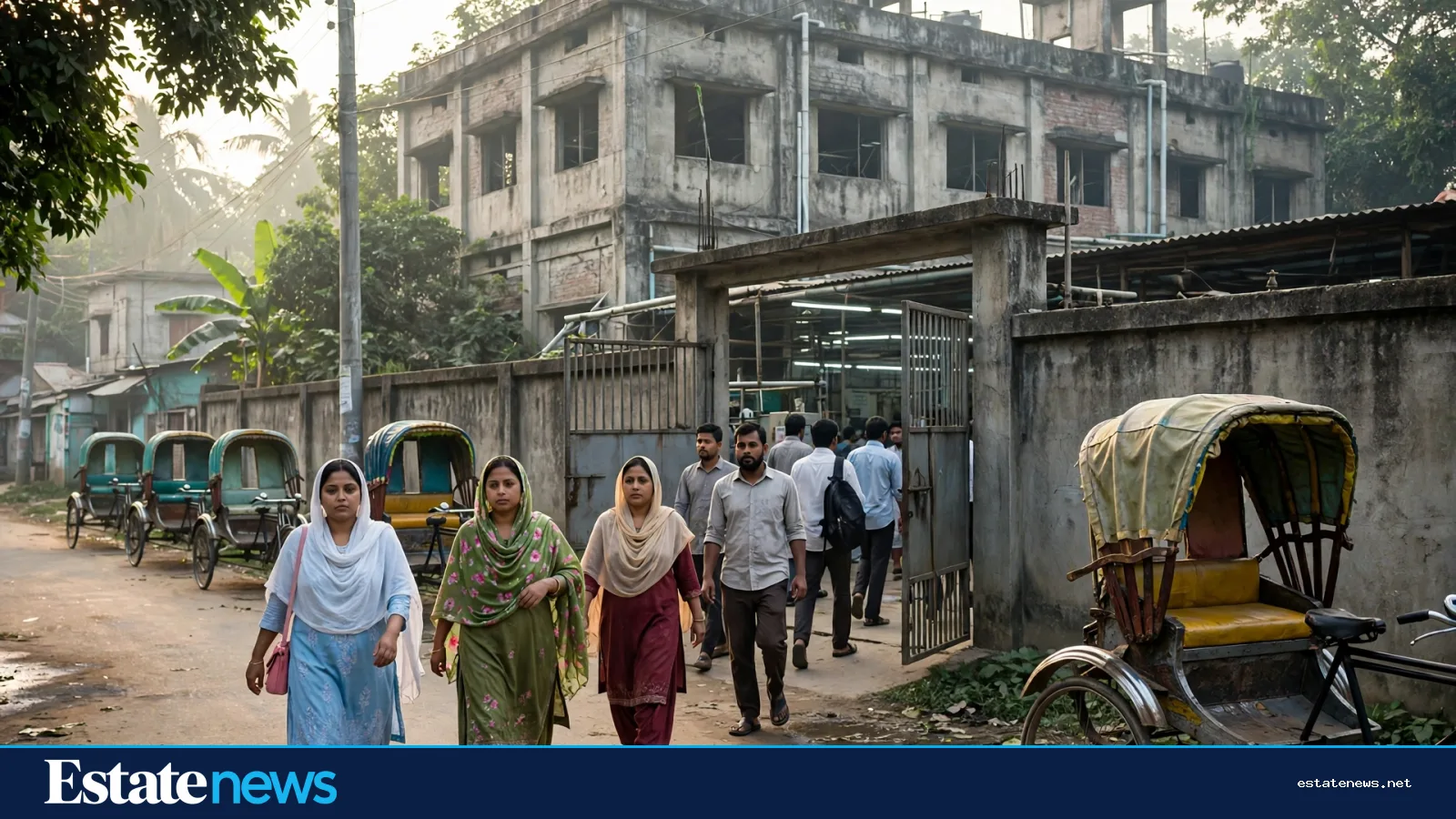
Nine hours at the table in Segunbagicha moved both sides, and still left Tk 6,200 between them. That was the result of Monday's third meeting of the six-member Minimum Wage Board for the garment sector, which began around 11:45 in the morning and ran until about 9 at night. The owners put Tk 15,800 a month on the table. The workers came down to Tk 22,000. Neither side called the other's number acceptable, and both agreed to come back with revised figures. They meet again today at 2pm.
The movement on Monday was real, even if the gap is still wide. The owners started the day at Tk 15,000, about 20 percent above the current minimum of Tk 12,500, then raised their offer to Tk 15,500 during the day and to Tk 15,800 later, according to New Age. The workers started from the Tk 32,000 they had proposed at the board's second meeting on 9 November, came down to Tk 25,000 during the day, and then to Tk 22,000. Each side moved twice. Neither moved far enough.
Board chairman Syed Azad Subhani told reporters during the meeting that the board would make recommendations and the government would take the final decision, and that factory owners would have to implement the new wages. He also said the board had agreed not to disclose the owners' proposal while talks were under way, to avoid confusion. Both sides pledged to finalise the new wage structure within December, and the new wage is to take effect on 1 December, paid with the January 2027 salaries.

What the two numbers mean for a factory household
The distance between Tk 15,800 and Tk 22,000 is the distance between two different answers to the same question: what does it cost to live in a factory town now. The current minimum of Tk 12,500 has stood since 1 December 2023, when it rose from Tk 8,000. Prices have moved since then, and the workers' representatives have argued that the old figure no longer covers a family's month. The owners' side has argued from the other end, that factories must be able to pay the wage and keep taking orders in a market where buyers can go elsewhere.


The Centre for Policy Dialogue has put an evidence-based range on the table of its own. Its researchers put Tk 18,578 as the minimum needed to keep a four-member family above the upper poverty line, and Tk 24,204 as a living wage, and proposed negotiations within that range. Both of Monday's numbers sit outside it, one below and one inside the top end, which is why the research matters to the talks. It gives the board a yardstick that belongs to neither side.
The December deadline does the quiet work
The calendar is doing as much as the negotiators. The government formed the six-member board on 1 November, after unrest over demands for a large wage rise, and the board held its first meeting on 4 November and its second on 9 November. At that second meeting the workers' side set out a grade structure with Tk 32,000 for grade four workers, Tk 38,000 for grade three, Tk 43,000 for grade two, Tk 48,000 for grade one and Tk 30,000 for apprentices. Those grade figures were not settled on Monday, and they will be part of what the next rounds have to work through.
A wage settled in December has consequences beyond the pay slip. Garment orders are placed months ahead, and buyers watch whether Bangladesh's factories can run steadily. A factory town's housing follows the same logic. When wages rise, rents in Gazipur and Ashulia and the demand for small flats near the factories move with them, and landlords, shopkeepers and builders in those towns all feel it. When a wage decision drags, the uncertainty does the opposite, and investment waits.
Today's 2pm meeting is the next step, not the last word. The board's own timetable points to a recommendation within December, and the government then decides. Estate News reported the run-up to this round in "The Garment Wage Board Meets Today With Three Numbers on the Table", and the export earnings behind the whole argument in "The Garment Sector Kept $6.77 Billion This Quarter. That Is the Real Number". The small-business side of the same economy, and what the new SME policy promises for entrepreneurs outside the big factories, is set out in "25,000 New Entrepreneurs in Four Years: What the SME Policy Promises". For now the number to watch is the gap, Tk 6,200, and whether today's meeting narrows it further. Both sides have shown they can move. The question is whether they can move far enough to meet.