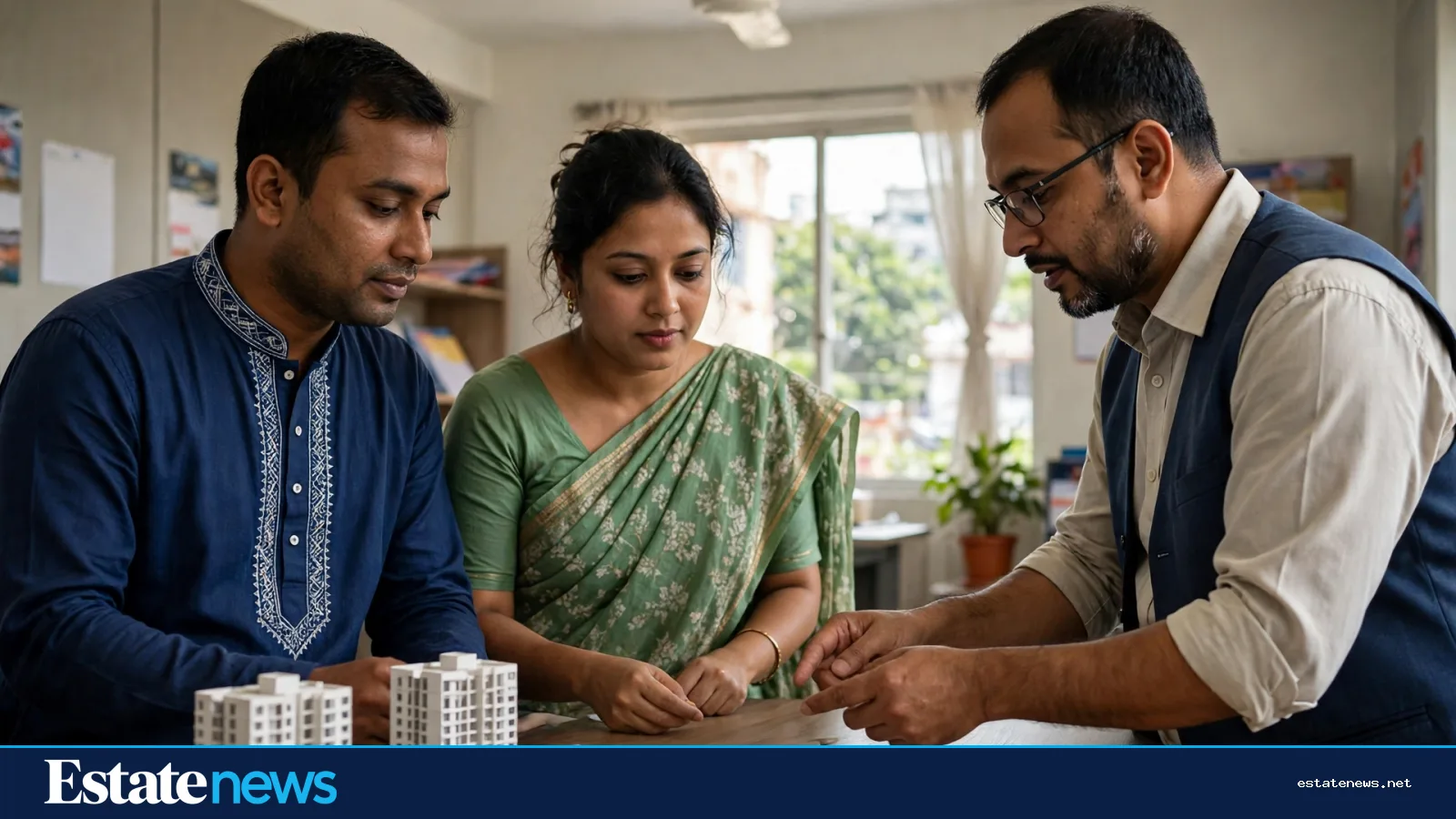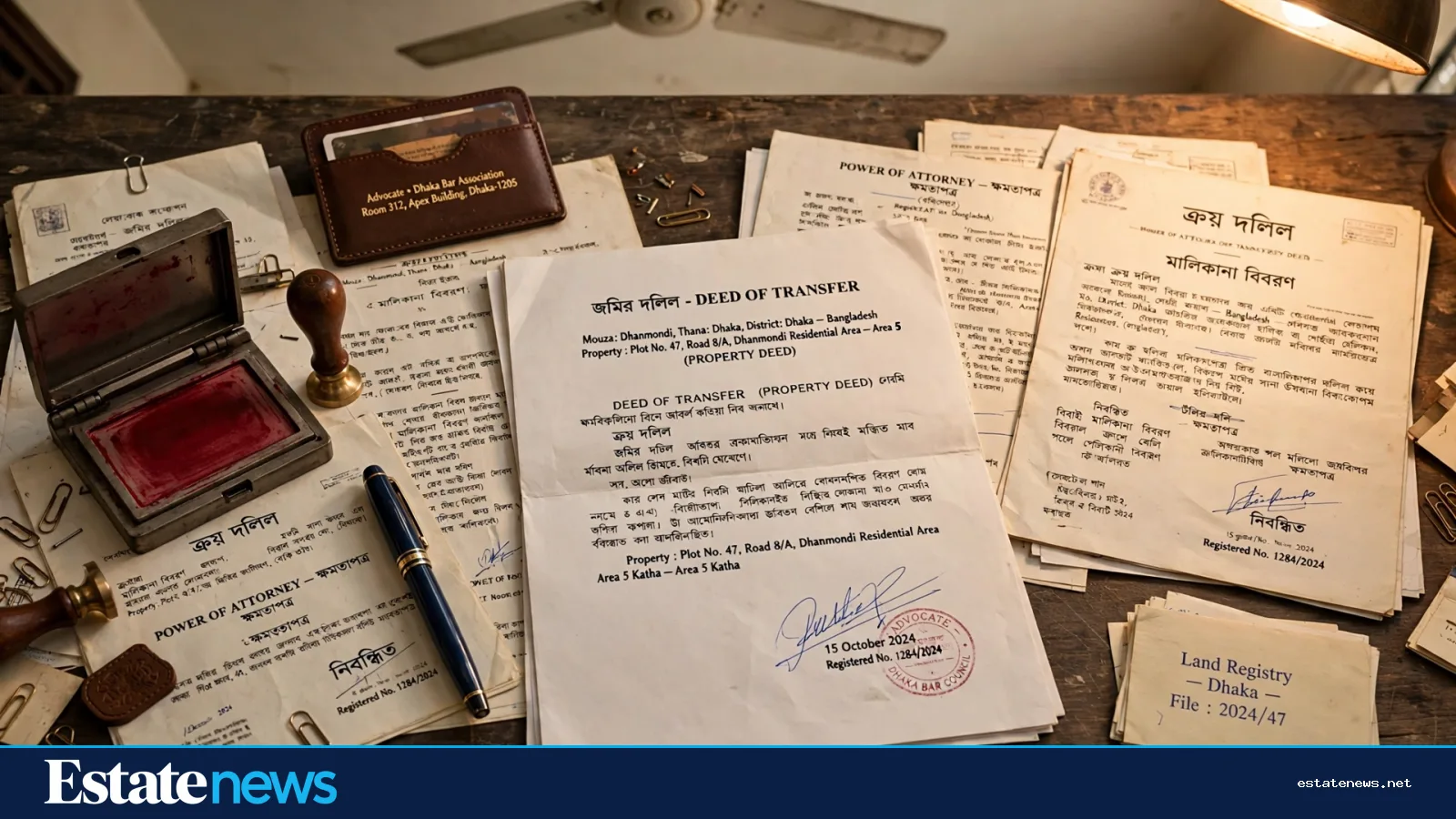
A brother in London wants to sell the family plot in Keraniganj. A father in hospital cannot go to the sub-registry office. In each case the answer in Bangladesh is usually the same document: a power of attorney, an ammoktarnama, by which one person authorises another to act for them. It is one of the most useful papers in property, and one of the most misused. The difference between the two is rarely the paper itself. It is what the paper says, and whether it was registered.
The law that governs the document is the Power of Attorney Act, 2012, which came into force on 1 July 2013 and replaced the colonial statute of 1882. The Act, with the Power of Attorney Rules of 2015, draws a line that every buyer and seller should know. A general power covers routine matters: managing a property, collecting rent, dealing with offices and banks. A special power covers one named task, such as signing one deed for one plot. An irrevocable power covers selling immovable property, signing a sale deed, mortgaging property for a loan, or developing land for consideration. That last category must be registered. Section 6 of the Act makes registration compulsory for it, with photographs and national identity documents of both parties attached.
An unregistered power to sell land is not a paper a buyer should rely on. The Registration Act, 1908, also bears on powers dealing with immovable property, and the consistent position of the legal guides is plain: a power that touches a sale of land must be registered to be relied on for the transfer. Registration happens at the sub-registry office, where the power is signed before the sub-registrar, with photos and fingerprints taken. A general power for routine matters is usually signed before a notary instead.

The stamp duty is paid under the Stamp Act, and the amount depends on the type of power. A power to sell or develop land costs more than a routine one. The figure should be checked at the time of signing, since rates change, and a power that is short on stamp duty is a power that will cause trouble later. A buyer who is shown a power of attorney should ask two questions before anything else: is it registered, and can I see the certified copy. If the answer to either is no, the deal should wait.
Narrow is safer than broad
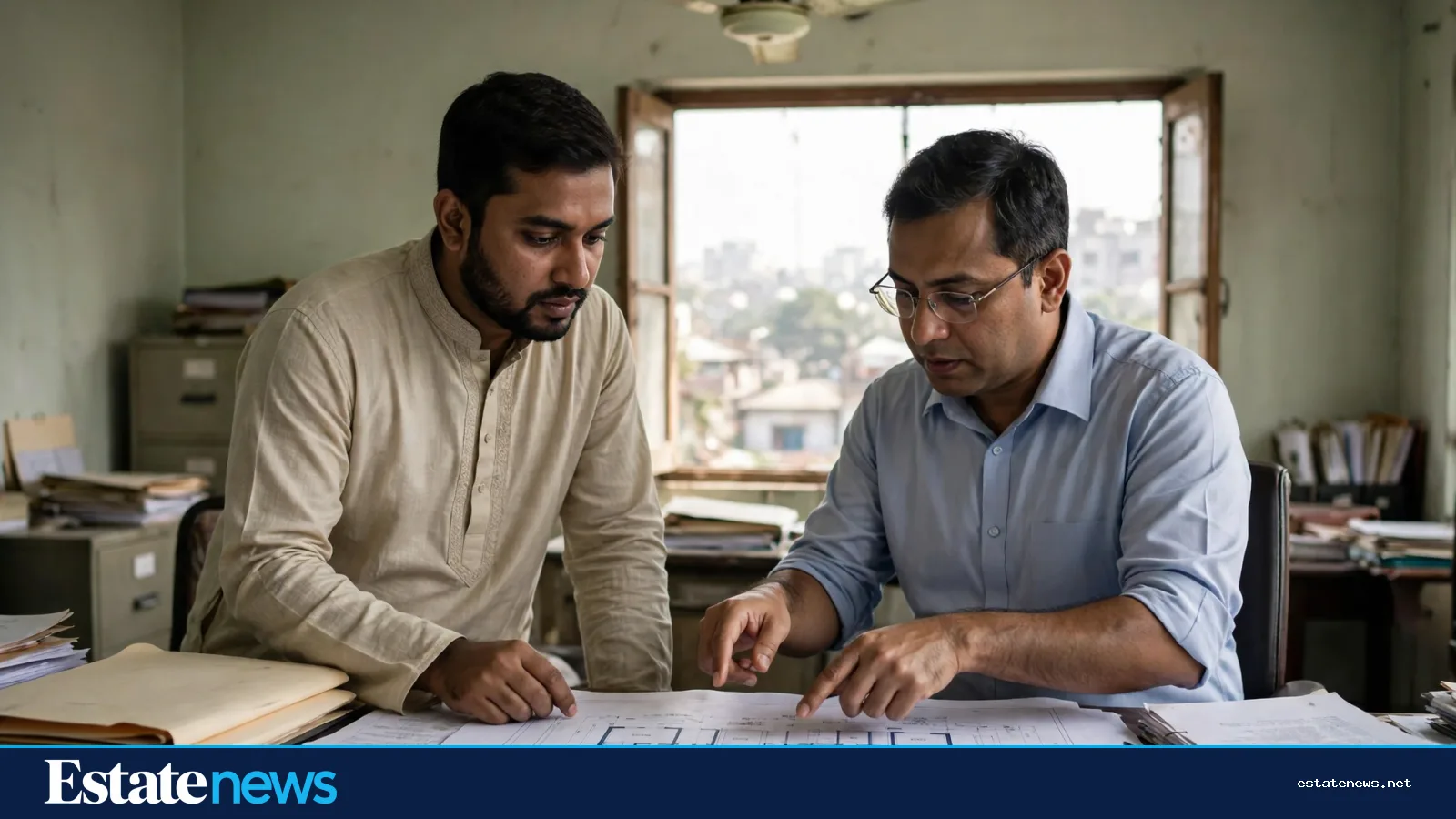
The most common mistake is width. A general power that authorises "all acts whatsoever" hands the attorney the keys to everything, and broad wording is where fraud happens. A safe power names its task and its property. It lists the powers one by one. For land it gives the mouza, the dag, the khatian, the area, and the deed under which the owner holds it. It says whether the attorney may receive money, and into which account. A downloaded format can be a starting point, but each power should be drafted for its own task, and a lawyer should read it before it is signed.


For the buyer on the other side of the table, the checks run in the other direction. Ask for the original power, not a photocopy. Check that the person named as attorney is the person standing in front of you, with a national identity card to match. Check that the power covers the exact act being done, the sale of this plot, not a general authority to manage the owner's affairs. Check the date, and check whether the power has been revoked. A general power ends on 30 days' notice by registered post. An irrevocable power cannot be withdrawn at will, and it survives the death of the person who gave it.
When the owner lives abroad
Non-resident Bangladeshis use powers of attorney more than anyone else, and the route for them is fixed. A power signed abroad is executed at a Bangladesh mission, authenticated by the Ministry of Foreign Affairs in Dhaka, and stamped by the Collector before it can be used. The steps take time, and a family that leaves them to the last week before a registration date will miss the date.
A power of attorney cannot do everything. It cannot turn a disputed title into a clean one. It cannot cure a deed that was never mutated, or a plot whose chain of ownership breaks halfway back. It cannot make a seller honest. What it can do, when it is narrow, registered and checked, is let a genuine deal happen while the owner is somewhere else. Estate News explained the documents that matter in "How to Verify a Land Title in Bangladesh: The Documents That Matter", and a buyer who is dealing with an attorney should work through that list first, then read the power itself. The paper is only as good as the land behind it, and the person holding it.
Before signing or accepting a power, take it to a lawyer. This article is general information, not legal advice, and the rules and the stamp duty figures should be confirmed at the time of use. A power of attorney is a shortcut, and like every shortcut in land, it rewards the person who walks it slowly.