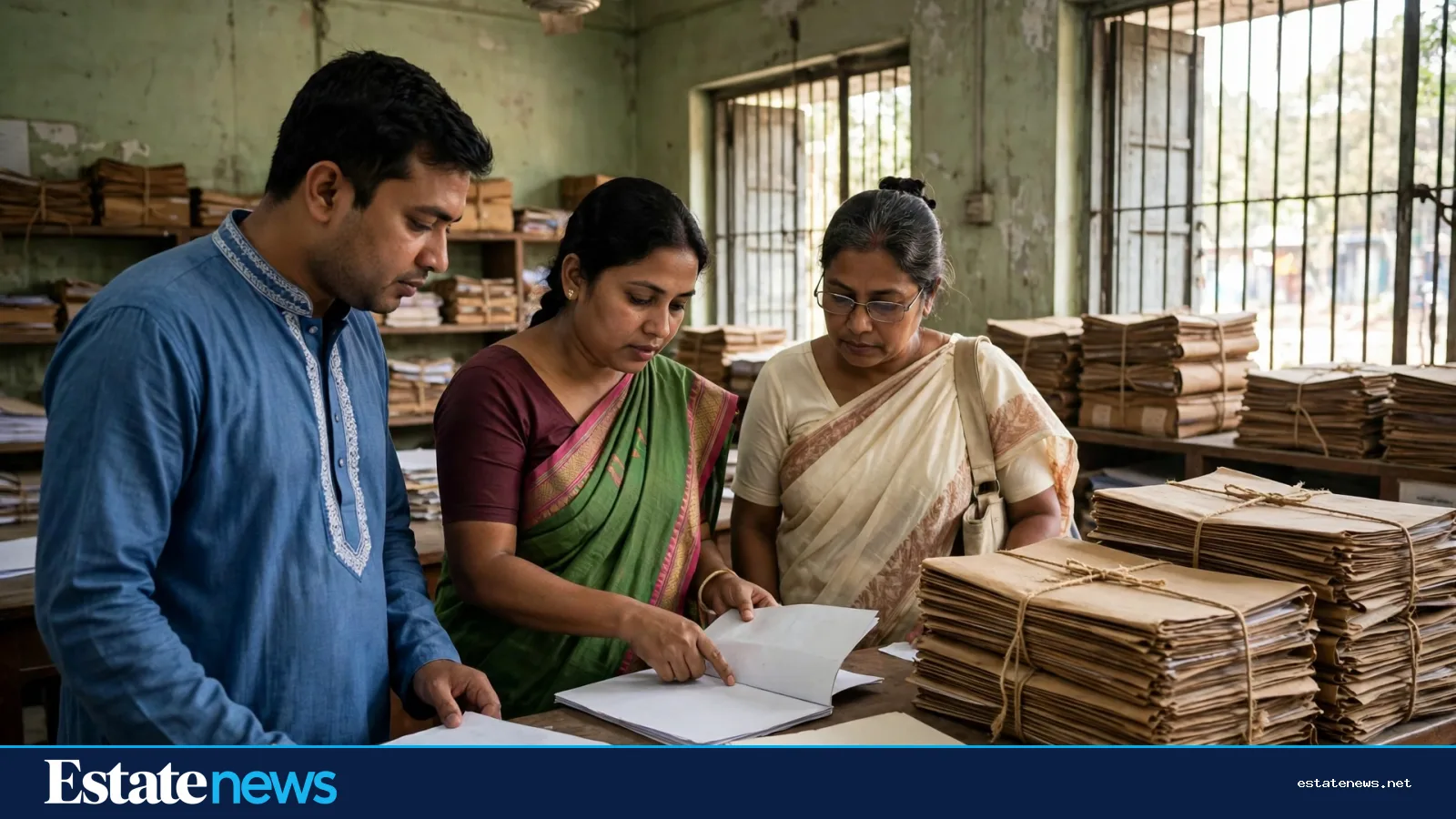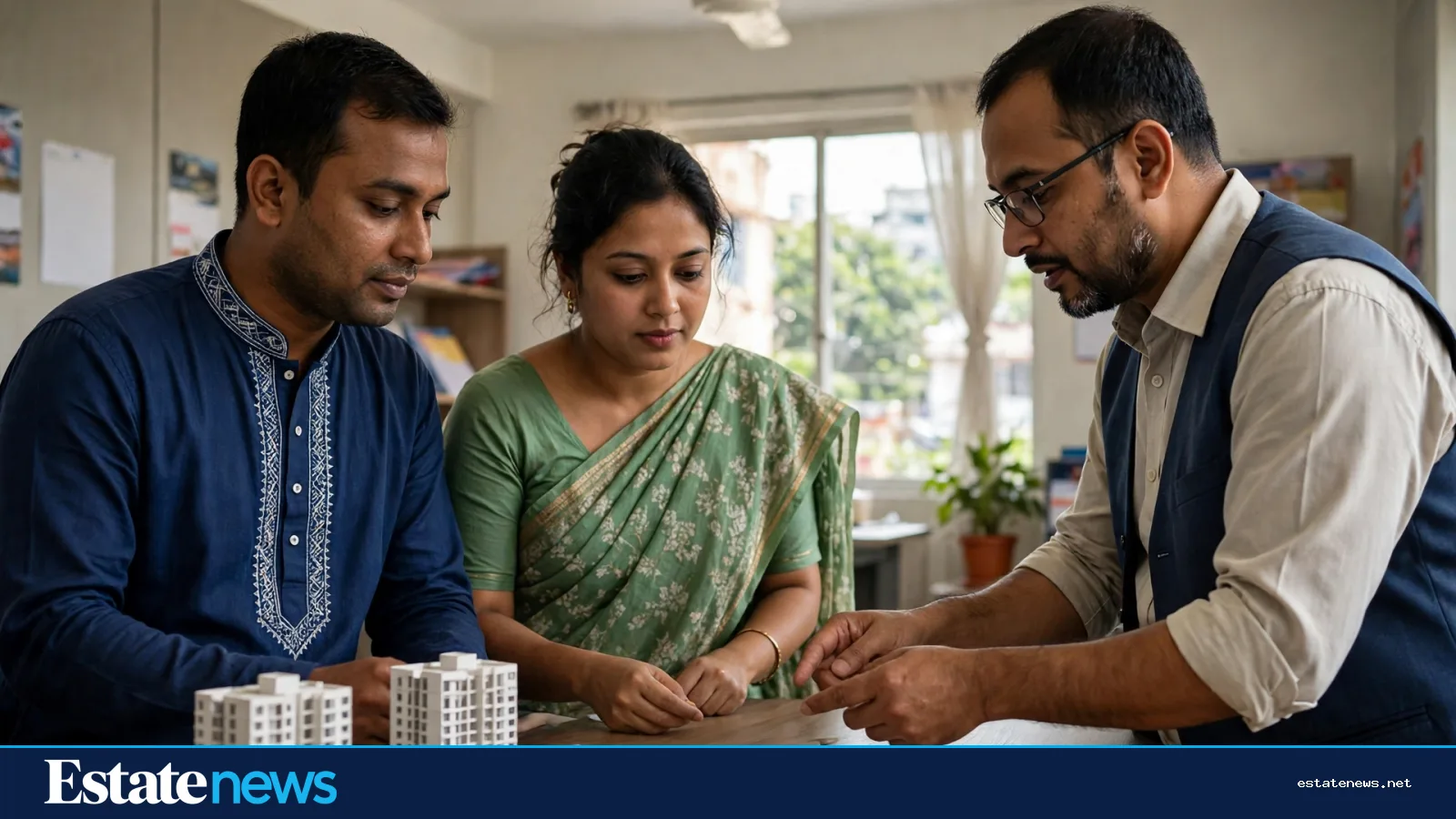
The brochure is glossy. The model flat smells of fresh paint. The sales officer is polite, the payment plan is printed in colour, and the booking amount looks small next to the price of the flat. This is the moment when most buyers stop checking. It is also the moment when checking matters most. A flat is the largest purchase most families will ever make, and the papers behind it decide whether the purchase is safe. Five checks, done before any booking money changes hands, catch most of the trouble.
Check the developer against REHAB's own list
Start with the company, not the building. The Real Estate and Housing Association of Bangladesh, REHAB, is the trade body for developers, and its published member list is the place to check a company's standing. According to Wikipedia's REHAB article, the association has about 930 member companies as of 2026. Ask the sales office for the company's REHAB membership details, then check them against the association's own list rather than taking the brochure's word for it.

Membership is not a guarantee of quality. A member company can still deliver late or build badly. What the check does is simpler: it tells you whether the company is part of the organised industry, with an address the association holds, or whether it is operating outside it. Big names buyers already know, such as bti, Sheltech, Concord and Rangs, are the kinds of companies buyers check this way. A company that cannot show its standing clearly should be asked why, in writing, before you go further.
Check the RAJUK approval and the approved plan
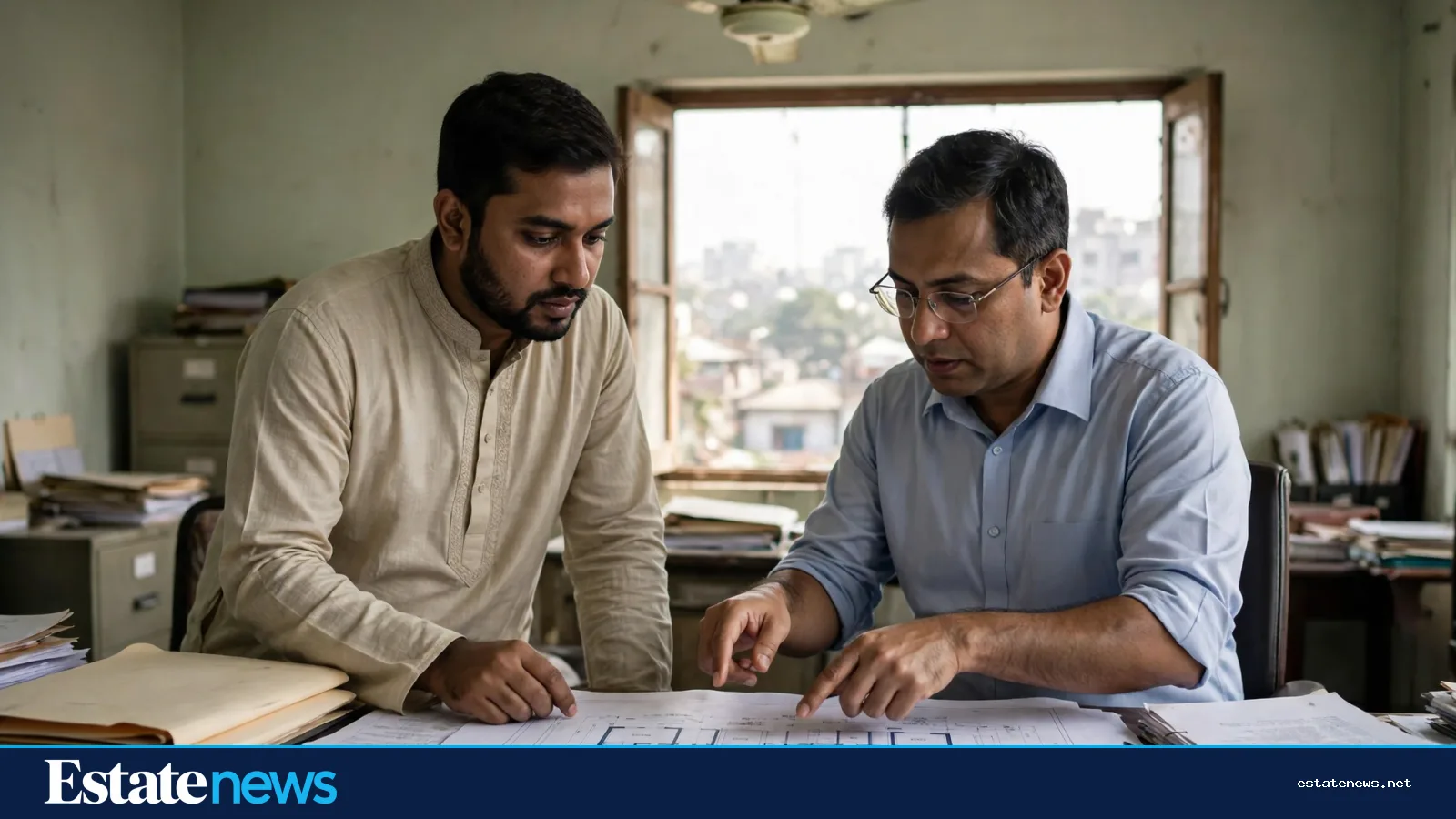
Next, the building itself. Ask for the RAJUK approval letter and the approved building plan, and read them against what is being sold. How many floors were approved? How many flats per floor? Is the flat you are buying on a floor the plan covers? A building that rises above its approved height, or adds flats the plan never allowed, will cause trouble at registration, at handover, or when you try to sell.
Go to the source where you can. RAJUK's office can confirm whether an approval exists for the project, and a buyer who visits with the project name and plot details will get a straight answer. Estate News explained the approval check in detail in "ফ্ল্যাট কেনার আগে রাজুকের অনুমোদন যেভাবে যাচাই করবেন". The rule is plain: a claim of approval is not approval. The letter is.
Check the deed, the chain of title and the mutation
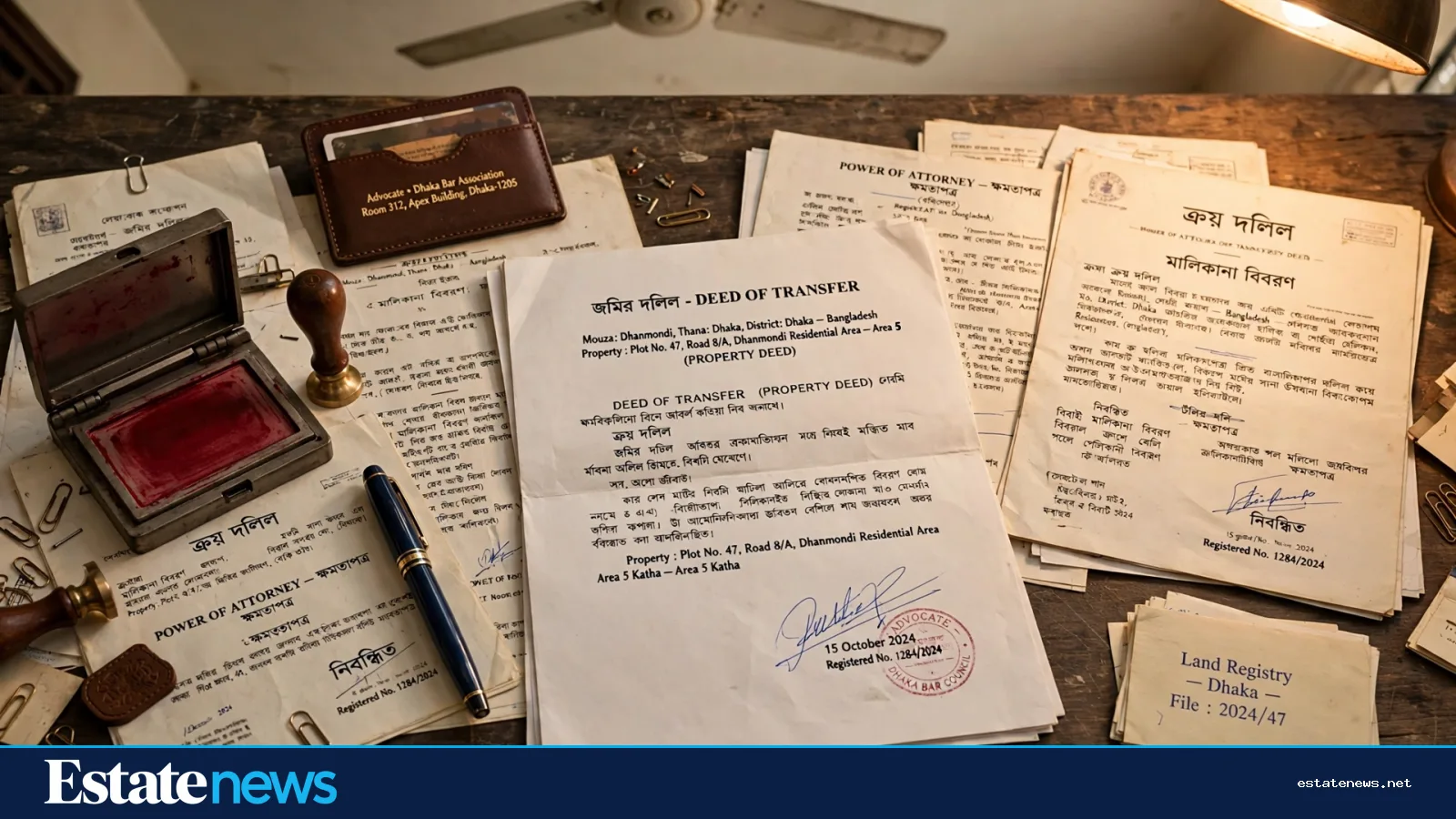
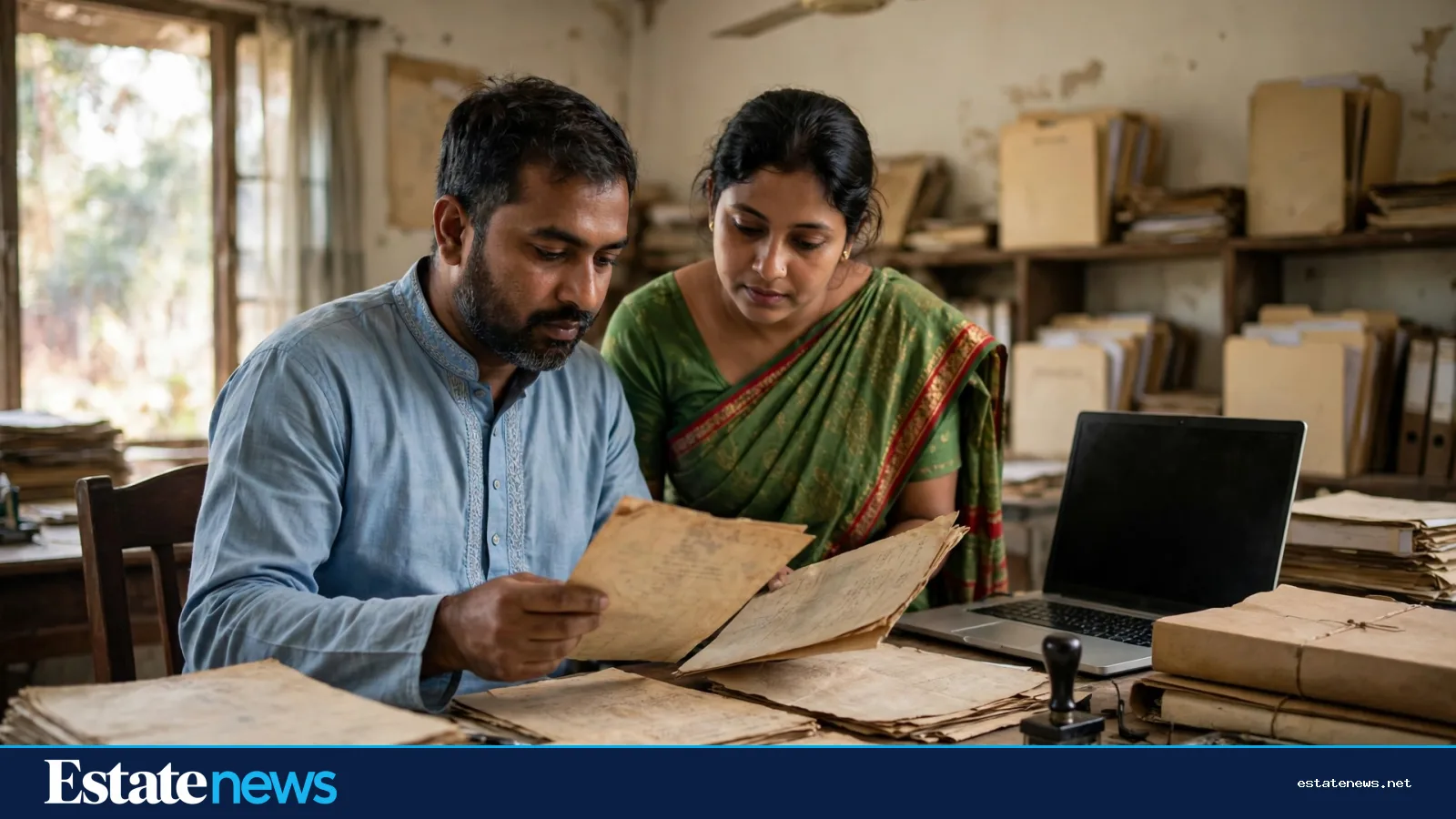
Then the land. Ask for the deed, the chain of title showing how the land passed from owner to owner, and the mutation record that puts the current owner's name on the record. Check the khatian, the record of rights, and make sure the plot number, the area and the owner's name match across the papers. A mismatch is not a small thing. It is the kind of gap that stalls registration for months.


This is also the moment to ask who owns the land: the developer, or a landowner in a joint venture. Both arrangements are common in Dhaka. What matters is that the agreement between them is written down, and that the developer has the right to sell the flat you are buying. Estate News explained the documents that matter in "জমির খতিয়ান পড়বেন যেভাবে", and the land title check in "How to Verify a Land Title in Bangladesh: The Documents That Matter". If the papers are shown willingly and match each other, that is a good sign. If they are shown slowly, or not at all, walk away.
Check the handover record, not the promise
The fourth check is the company's past. Ask which projects it has handed over, when, and where they stand. Then go and look. A finished building with families living in it, lifts running and a caretaker at the gate tells you more than any launch event. Ask the residents how long the handover took, and whether the common areas match what was promised.
A developer with no finished project is not automatically a bad choice. Every company starts somewhere. But a buyer who pays a new company is taking a larger risk, and should know it. Ask how the project is financed, who the construction contractor is, and what happens if the schedule slips. The answers should be specific. Vague answers are an answer too.
Check what registration will cost, before you sign
The fifth check is money, and it is the one buyers forget until it is too late. Registration cost is not a small extra. Stamp duty runs at 1.5 percent, the registration fee at 1 percent, and local government tax at 2 percent inside a city corporation area or 3 percent outside it, according to the site's registration cost calculator. On a flat worth Tk 1 crore, that is a large sum to find after the purchase price is agreed. Estate News worked through the full calculation in "Flat Registration Cost in Bangladesh: A Buyer's Guide for 2026".
Ask the developer for a written estimate of the registration cost, and ask whether the price quoted includes it. Get the payment schedule in writing, with dates, and keep every receipt. A clean paper trail protects a buyer in a way no verbal promise can.
None of these checks needs a lawyer to start, though a lawyer should read the deed before the final payment. They need an afternoon, a visit to the sales office, and the willingness to ask for papers and wait for answers. The brochure will still be glossy when you return. The difference is that you will know whether the building behind it is worth buying. A buyer who checks first can also read the power of attorney rules in "Power of Attorney in Property Deals: What It Can and Cannot Do" before signing anything that hands control of the deal to someone else.