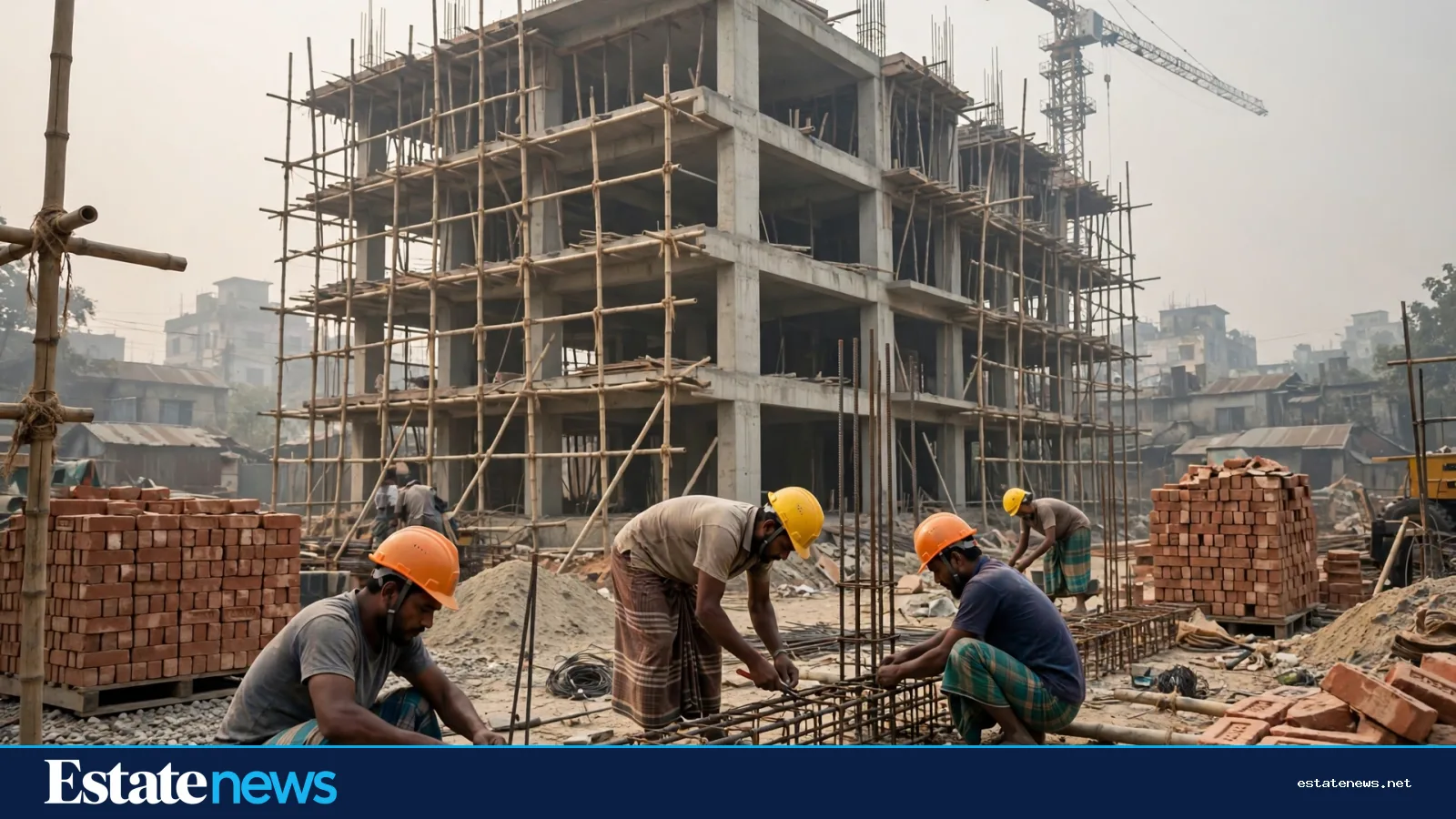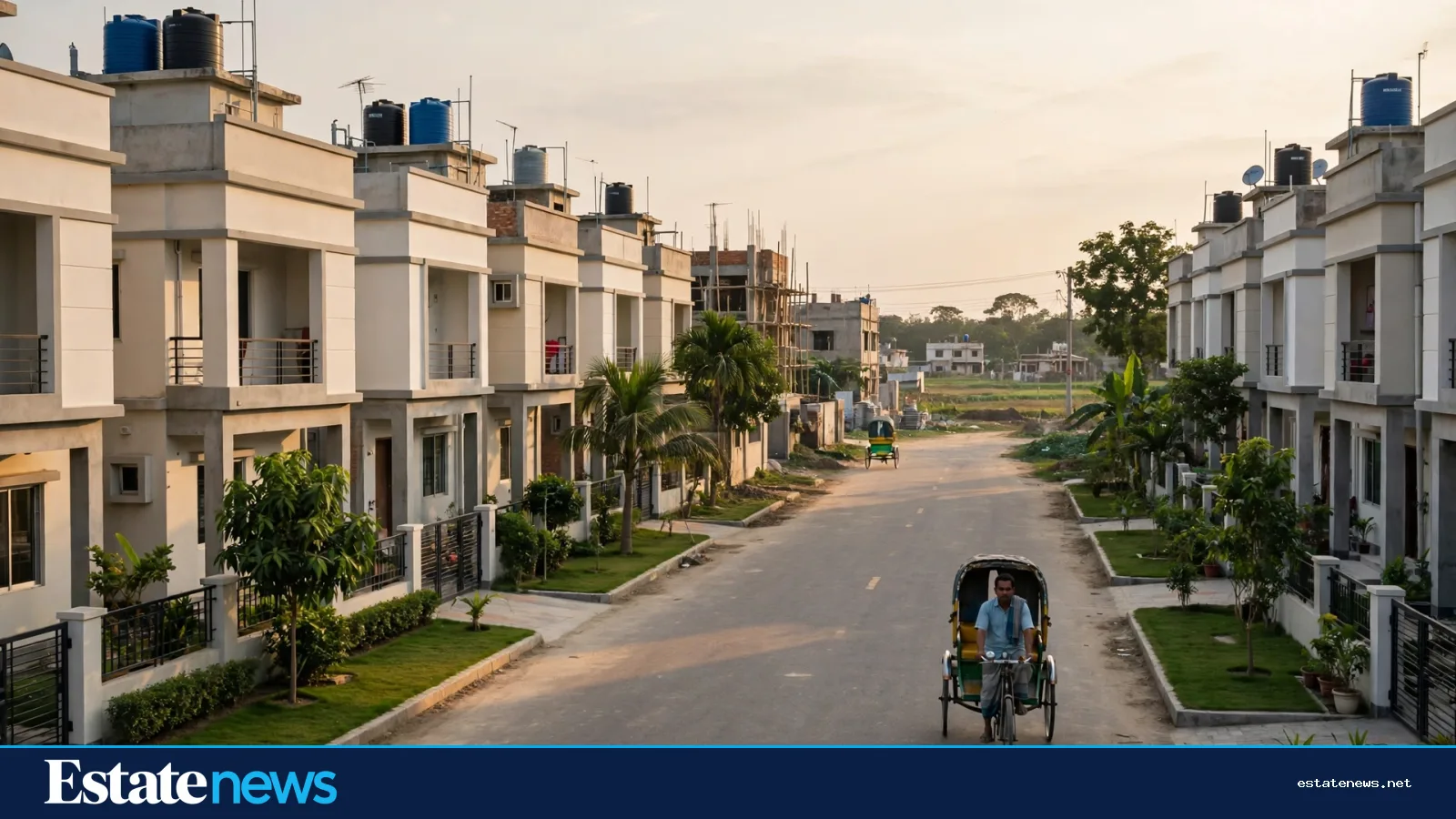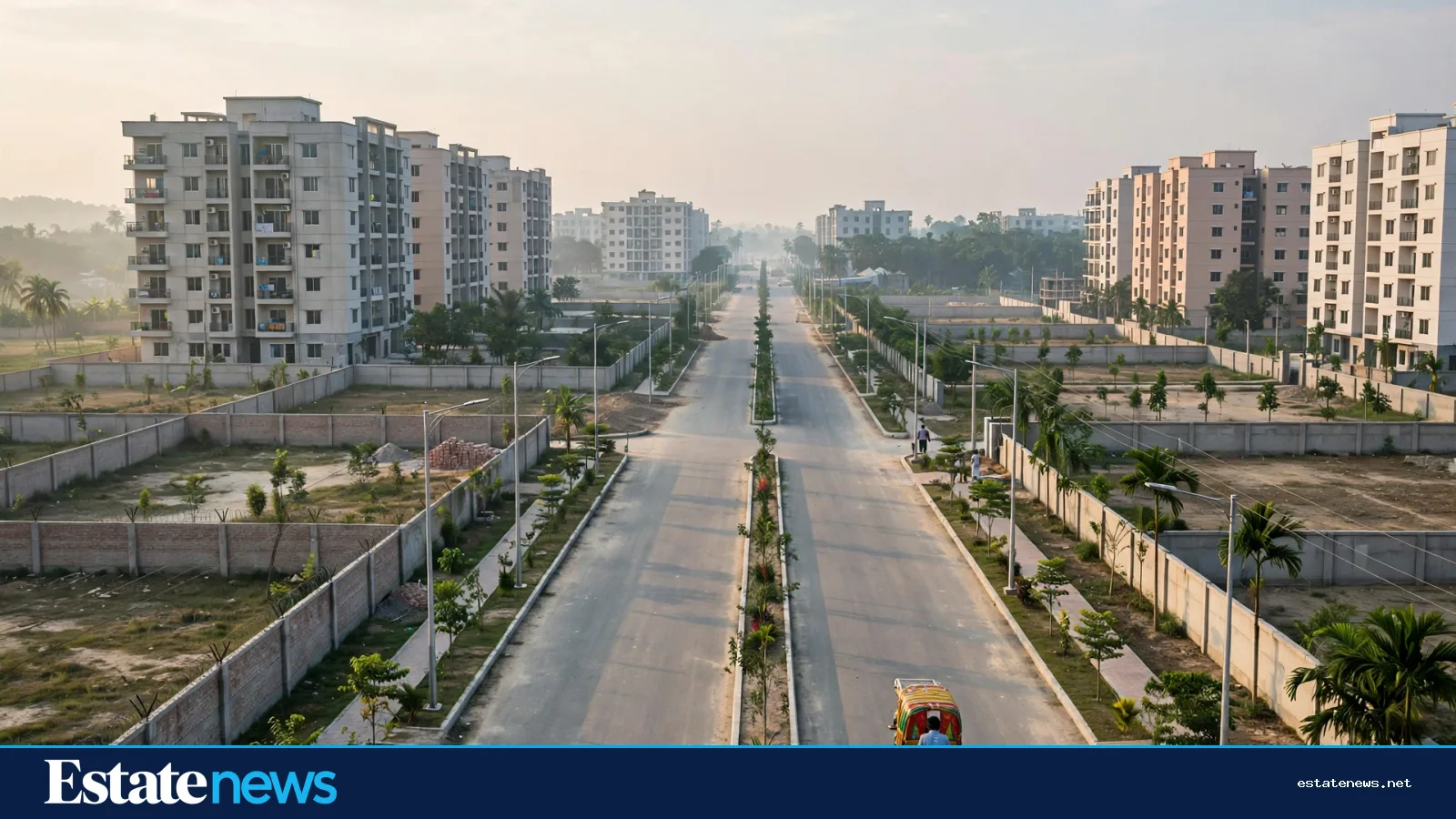
Drive north past the finished blocks of Uttara and the city changes its pace. The roads get wider, the buildings thinner on the ground, and long stretches of walled plots sit waiting between new apartment blocks. This is Sector 16, one of the four sectors of Uttara's third phase, and it is where Dhaka's planned north is still being built rather than already lived in.
What is finished, and what is still coming
Uttara began as a satellite town plan in 1966, when the Dhaka Improvement Trust set out to build a new town north of the old city. RAJUK finished the first phase in 1992, with 6,000 plots across Sectors 1 to 10, and the second phase added Sectors 11 to 14. The third phase, launched in 1999, covers Sectors 15, 16, 17 and 18 on about 2,008 acres, with roughly 10,000 residential plots planned. Sector 16 sits inside that last big push, between the finished city and the flood-protection embankment that runs toward Ashulia.

RAJUK's own project record puts the third phase at about 90 percent physically complete, with land development finished in Sectors 15, 16 and 18 and road work done in part of Sector 16. Around 7,000 residential plots, about 80 percent of the total, have been handed over to allottees. The revised cost of the project stands at about Tk 2,316 crore, and the plan speaks of a population of more than six lakh people once the sectors fill up.
The pace has been slow. The third phase was meant to finish in five years. Its deadline was pushed back more than once, most recently to June 2022, and work was still going on after that date.
The metro changed the map
One thing Sector 16 did not have to wait for is the metro. The third phase is the starting point of the country's first metro rail line, and the Uttara North station at Diabari stands a short distance from the sector. A plot listing in the area describes land a short walk from the station, and the claim is easy to believe on the ground: the station, the wide avenue beside the lake and the Beribadh road to Ashulia are the three lines that now fix Sector 16 on the city's map.


That connection is the reason buyers look here at all. A family that buys in Sector 16 is buying a commute as much as a plot: metro to the south, the airport road to the east, and the embankment road running west toward Ashulia and Gabtoli.
Plots, blocks and the high-rise question
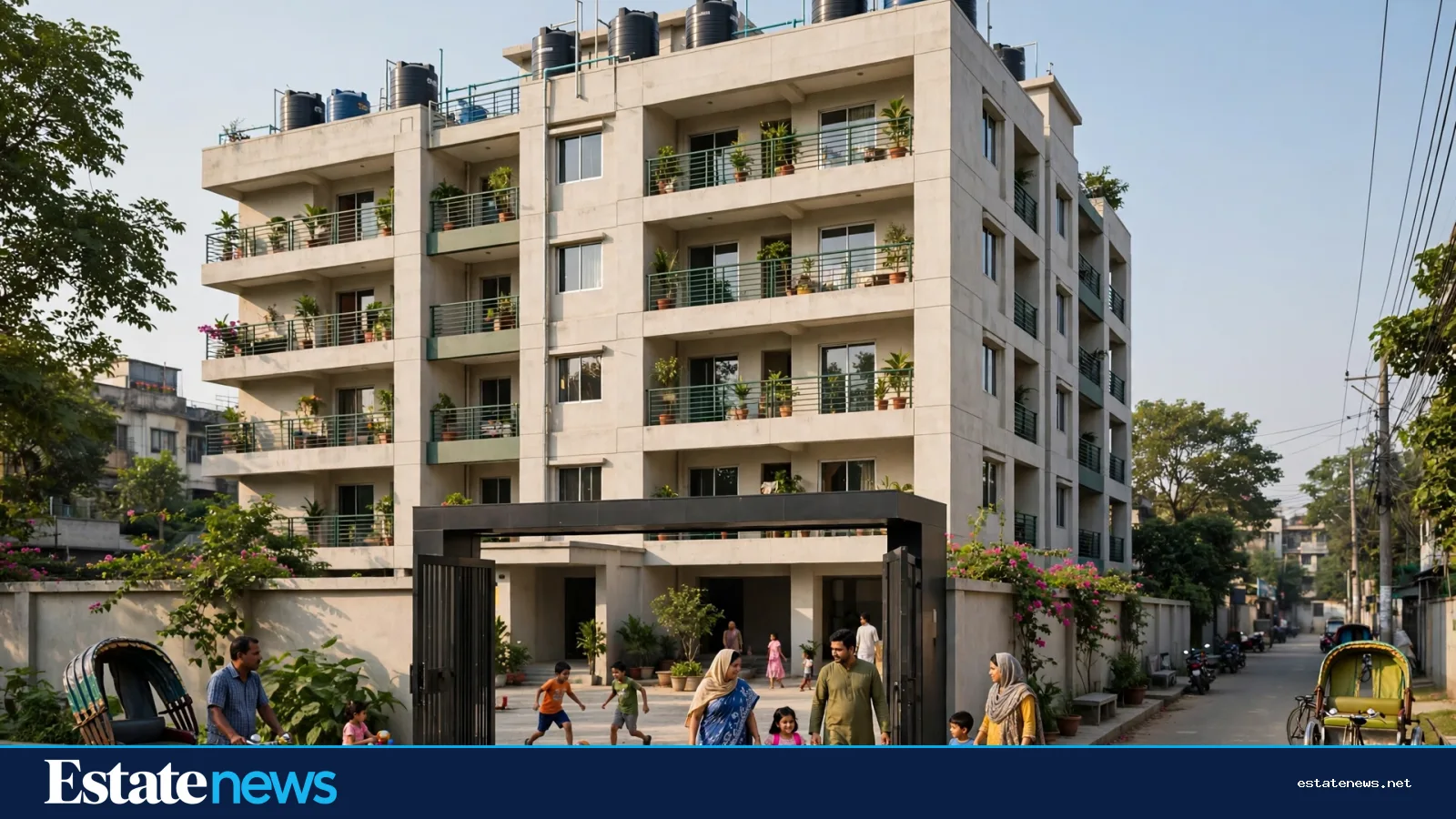
The third phase was drawn with a mix in mind. Residential plots take up about a quarter of the land, high-rise apartment blocks about a tenth, and roads nearly a third, with the rest set aside for lakes, open space, parks and civic buildings. RAJUK's record notes that a high-rise apartment block of 6,636 flats has been completed, with more under way. The sector also carries a separate RAJUK scheme for apartments for low and middle income people, a reminder that this part of Uttara was meant to house more than plot owners.
What to check before you buy here
Sector 16 rewards a buyer who walks it before signing anything. The finished roads and the empty plots sit side by side, and the state of the street outside a plot says more than any brochure. Ask which sector the plot falls in and whether RAJUK has handed it over. Check the deed chain and the mutation, and check the building approval if the purchase is a flat in a new block. Estate News explained the documents that matter in "How to Verify a Land Title in Bangladesh: The Documents That Matter", and the developers building in this part of the city in "Who Builds in Uttara: The Developers Behind Dhaka's Planned North".
Uttara's older sectors show what the third phase could become. Sectors 1 to 10 filled up over thirty years and now carry schools, markets, mosques and a settled street life. Sector 16 is part of that same plan, only later and larger. The roads are laid, the metro runs, and the plots are mostly handed over. What is missing is the daily life that turns a planned sector into a neighbourhood, and that arrives one family at a time.