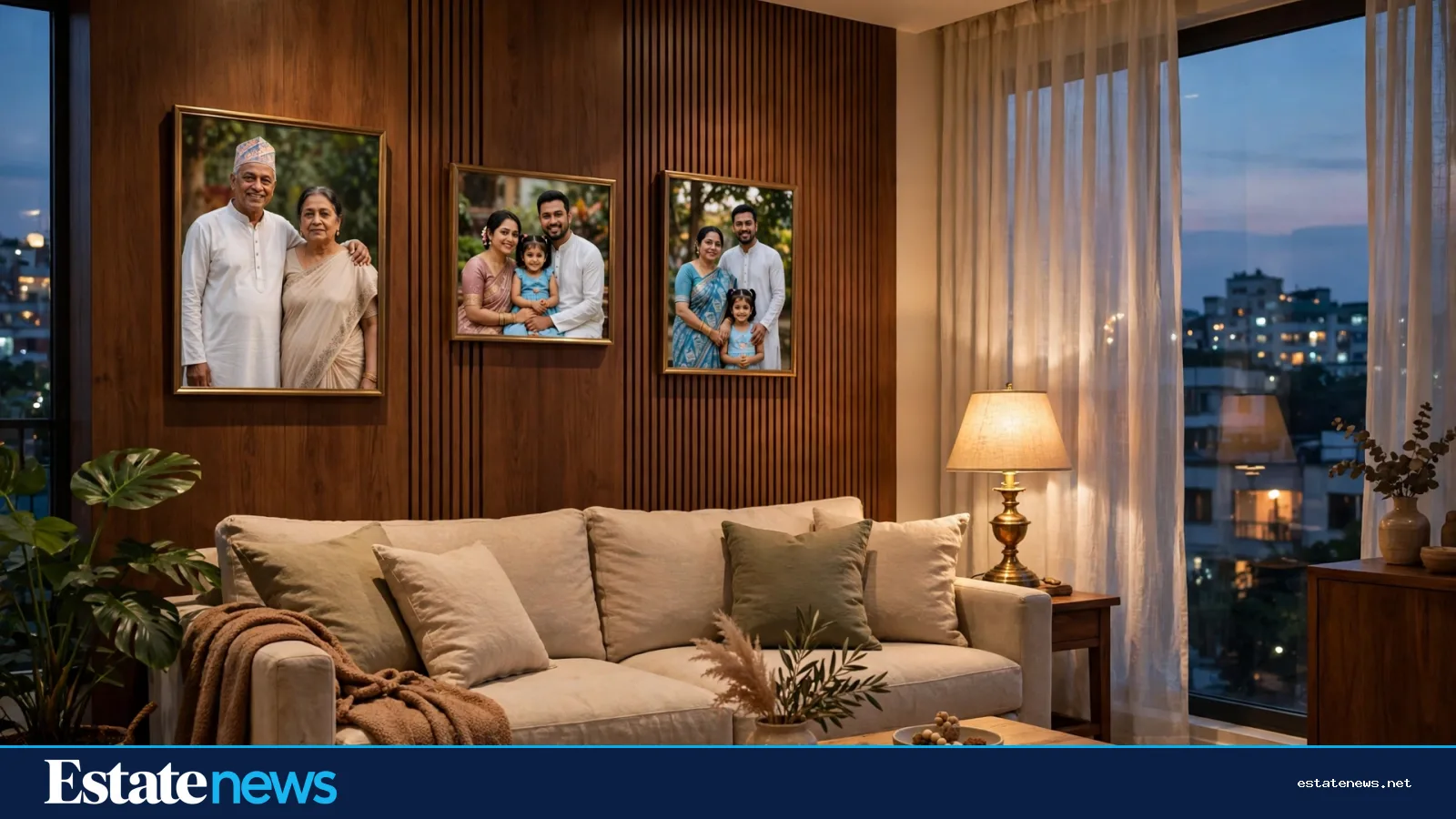
Walk into a premium Dhaka flat these days and the first thing you notice may be what is missing. No gold trim on the ceiling. No chandelier the size of a dining table. No marble wall shouting across the room. The flat is quiet instead. The light is warm and layered. The wood is real. The sofa is linen, not leather, and it looks like it is meant to be sat on. Luxury in Dhaka is changing its voice. It is speaking more softly, and the details are doing the talking.
The change is easy to miss if you look for price tags. It shows up in the way a room is put together. A few years ago a premium flat announced itself at the door. Now it waits until you are inside, and then it shows you one careful decision after another. The shift comes from the same place as the wider move in home design: buyers who have lived in a showy flat know how fast the shine wears off, and they are asking for homes that age well instead.
Light that comes in layers

Start with the light. A quiet luxury flat never depends on a single ceiling fixture. It layers light: a soft wash from the ceiling, a warm lamp beside the sofa, a strip of light under a shelf, daylight from a sheer-curtained window. Each layer has its own job, and together they let a room change from morning to evening without a switch being flipped in anger.
The trick is not expensive. It is planned. A brass lamp on a side table, a shaded light over a reading chair, a dimmer on the main fitting: small choices that add up to a room that feels calm at any hour. Estate News has written about the way daylight shapes a room in "How Natural Light Shapes Interior Architecture and Mood", and the design tricks architects use for Dhaka flats in "Light in a Dhaka Flat: The Design Tricks Architects Use". The lesson of both is the same. Light is not a fixture. It is a material, and it should be handled like one.
Materials that tell the truth
Then there is the question of materials. Quiet luxury uses wood that looks like wood, stone that looks like stone, and fabric that shows its weave. A wooden panelled wall with a visible grain. A terrazzo floor with its chips showing. A cotton or linen curtain instead of a heavy synthetic drape. Nothing pretends to be something it is not.
This matters in Dhaka's climate. Heavy, glossy finishes trap heat and show every mark. Matte wood, woven textiles and natural stone wear better in humidity, and they look better as they age. A brass lamp will darken at the edges over time. That is not damage. It is the material doing what it does, and a home that allows it feels lived in rather than staged. The point is not to spend less. It is to spend on things that last and improve, rather than on surfaces that only impress for a season.


Room by room, the details add up
In the living room, the details are in the joinery and the seating. A sofa deep enough to sit in properly. A wooden coffee table with a worn edge. Shelves that hold books and family photographs instead of matching ornaments. The family photographs matter more than they seem. A premium flat that shows the people who live in it feels like a home. One that hides them feels like a hotel.
In the bedroom, quiet luxury is a good mattress, linen bedding, a curtain that actually blocks the morning sun, and a reading light that does not wake the other person. In the kitchen, it is a worktop at the right height, storage that closes softly, and a tap that does not splash. In the bathroom, it is a mirror light that flatters the face, a shelf within reach of the shower, and tiles that are easy to clean. None of these details photographs well on its own. Together they are what a buyer feels on the second visit, when the first impression has worn off.
The balcony deserves its own mention. In Dhaka a balcony is often the best room in the flat, and quiet luxury treats it that way: a chair that fits two people, a plant that survives the heat, a light for the evening. A balcony used every day is worth more than a formal dining room used twice a year.
What to ask before you pay for it
Quiet luxury is easy to claim and hard to prove, which makes it a good place for a buyer to ask questions. Ask what the wood is, and where it came from. Ask whether the stone is real or printed. Ask to see the flat in the evening, when the layered light is doing its work, and again in the morning, when the daylight shows the flaws. A developer who has spent on craft will welcome the second visit. One who has spent only on shine will prefer the first.
The change in Dhaka's premium flats is part of a wider change in how the city's homes are being designed, which Estate News followed in "The Glass Tower and the Courtyard: How Dhaka's Premium Flats Are Changing". The tower and the courtyard are still there. What has changed is the finish. The new luxury does not need to announce itself. It sits quietly in the details: a lamp at the right height, a wood grain that is real, a room that is calm at dusk. A buyer who learns to look for those details will know a premium flat when they see one, and will know a merely expensive one too.