If your building stands close to the metro line, a police officer may soon knock with a paper to sign. It is not a fine, and it is not an eviction notice. It is a written undertaking, and it asks the owner to take responsibility for what happens on the balconies, rooftops and stairwells of a building that looks out over one of the country's most sensitive pieces of infrastructure.
The Business Standard reported on 22 November that police are collecting written security undertakings from owners of all buildings and establishments within 20 metres of Dhaka's metro rail infrastructure. The aim is to strengthen security around the metro rail, which has been declared a Key Point Installation, after recent acts of sabotage. Police stations in the areas concerned are collecting the undertakings under the KPI Security Policy 2013 and keeping them in official records.
What the policy actually says

The legal footing is clause 6.1.6 of the KPI Security Policy 2013. According to documents reviewed by The Business Standard, the government has designated all installations of Dhaka Mass Transit Company Limited, the company that runs the metro, as category 1(A) Key Point Installations. The clause requires owners and tenants of buildings and establishments within the boundary walls of metro rail installations to sign security undertakings.
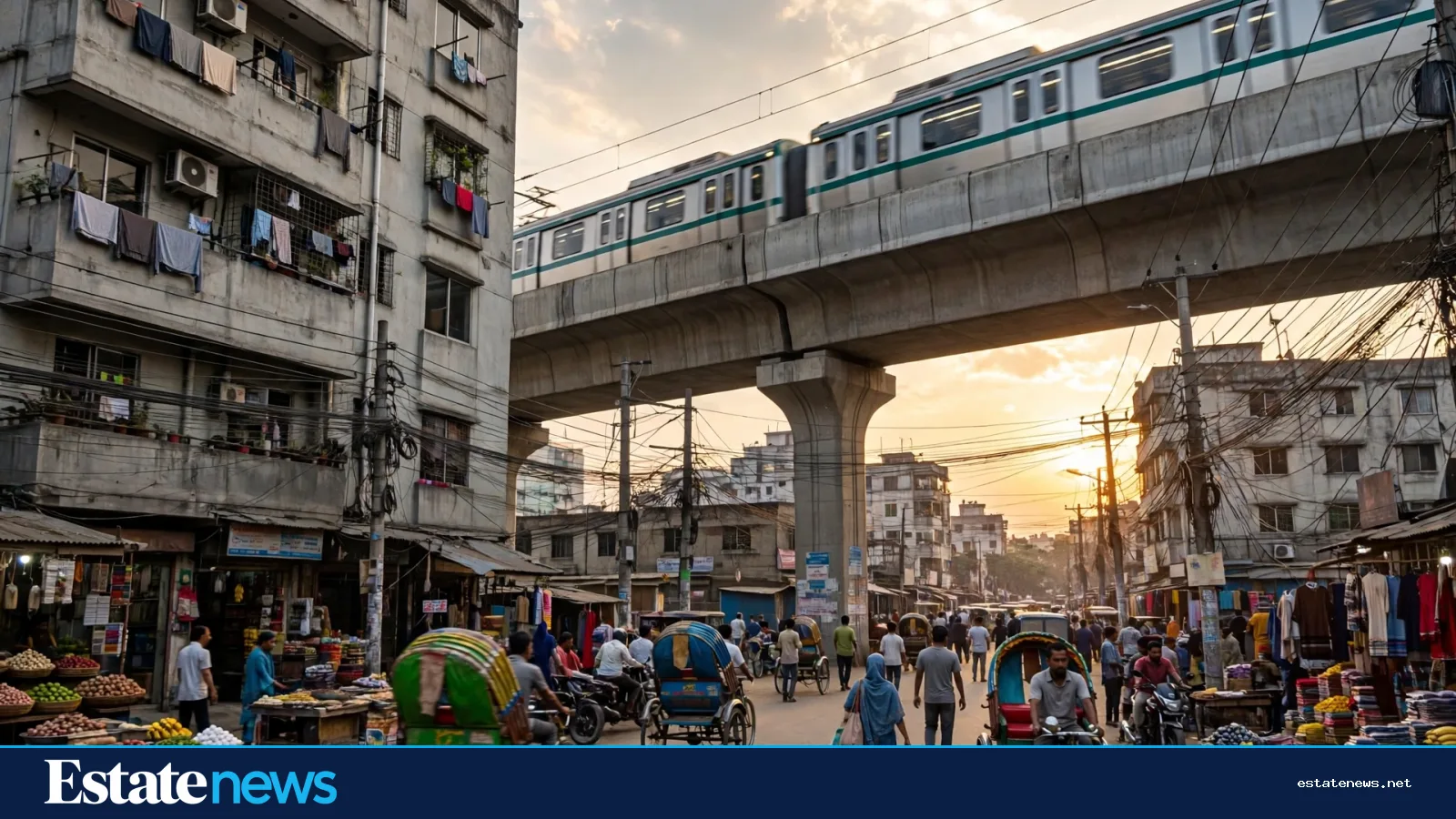
The 20-metre figure is the working boundary the police are using on the ground. It covers the buildings and establishments that stand closest to the tracks, the stations and the depots: the flats whose balconies face the viaduct, the offices whose rooftops look down on a station, the shops at the foot of the pillars. Motijheel police station has already collected such an undertaking from the head office of a state-owned bank near the metro rail, and other stations are following the same course in their own areas.
Kamruzzaman Talukder, officer-in-charge of Motijheel Police Station, told The Business Standard that the initiative was not exactly about collecting undertakings but rather about raising public awareness. That framing matters for how owners should read the paper they are asked to sign. It is a reminder, put in writing, that a building beside the metro carries duties a building two streets away does not.
Six things the undertaking asks for
The terms, as reported, are practical rather than abstract. Building owners and institutions must prevent individuals or groups from using their premises, balconies or rooftops for anti-state activities. Where a balcony or a rooftop window gives a clear view of metro installations, they must install screens or curtains where necessary to prevent unauthorised surveillance of those installations. Monitoring must run round the clock through CCTV cameras.
Unauthorised entry by employees or outsiders is prohibited, particularly at night after office hours. Security personnel must conduct regular patrols. And building owners must immediately inform the local police station and Dhaka Mass Transit Company Limited if any resident, tenant or prospective tenant displays suspicious behaviour. The conditions must also be passed on: whenever premises are rented out or transferred, the new tenant or user has to be told about the security conditions.


None of this is new technology. CCTV, a guard on patrol, a curtain across a window that faces the tracks: these are things a well-run building in Dhaka already has or can arrange. What is new is that they are now written down, signed, and filed with the police station. A building's security book, which in many Dhaka blocks is a register at the gate and a guard who knows the residents by sight, now has a formal counterpart in a police file.
What happens if the terms are broken
The undertaking carries a warning. Violations of its conditions, or any sabotage incident involving the premises, could result in legal or punitive action against building owners and the institutions concerned under existing laws and the KPI Security Policy 2013. The wording is broad, and that breadth is the part owners should take seriously. The undertaking does not only ask an owner to keep their own hands clean. It asks them to watch the building, to know who comes and goes, and to report what looks wrong.
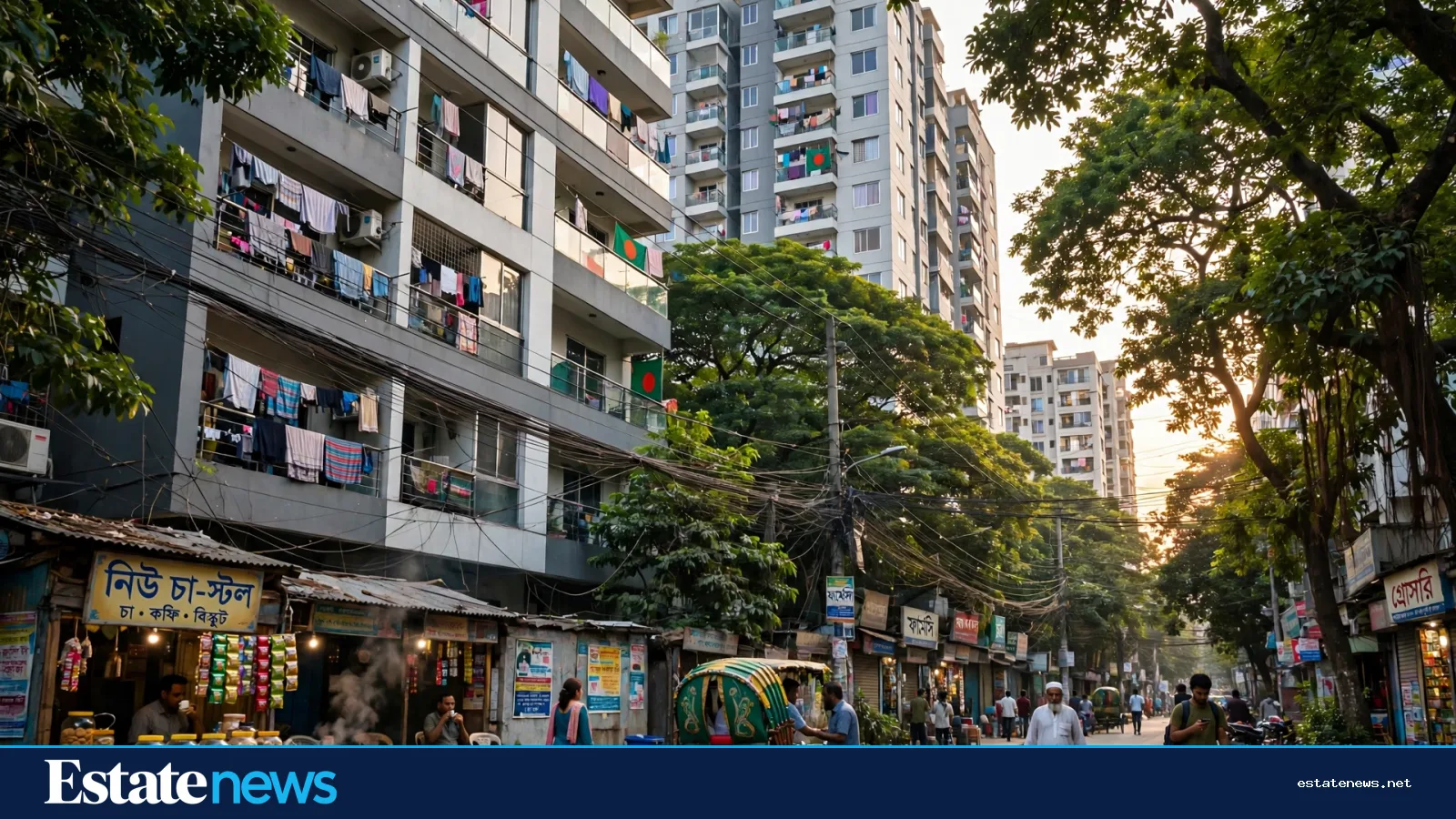
For a flat owner, that raises a plain question: what does this mean for the way I live? The answer, on the terms as reported, is narrower than the warning sounds. A family on a balcony, a tenant drying clothes, a shopkeeper opening his shutter in the morning: none of that is what the undertaking targets. What it targets is the use of a building as a vantage point or a staging place, and the failure to notice or report it. The practical steps are the ones listed in the paper itself. Keep the rooftop locked or watched. Keep the CCTV running. Tell the guard what to look for. Tell a new tenant, in writing, that the building sits inside a security zone.
For a building committee or a housing society, the undertaking is also a prompt to check what already exists. Many older buildings along the metro corridor have cameras that stopped working months ago, or a rooftop door whose lock broke and was never replaced. A signed paper makes those small lapses harder to ignore, because the police now have a record that the owner agreed to fix them.
Living beside the line
The metro has changed the streets it runs through. A flat near a station is easier to reach, easier to rent out, and easier to sell, and the corridor from Uttara to Motijheel has become one of the most watched stretches of property in the city. The security undertaking is the other side of that same fact. A building that gains value from the metro also sits inside the metro's security perimeter, and the state is now asking its owner to say so in writing.
Owners who are approached should read the undertaking carefully, keep a copy, and ask the police station which clause covers their building if anything in it is unclear. Tenants should ask their landlord or building committee whether an undertaking has been signed for their block, and what it asks of them. The paper is short, the duties are concrete, and the cost of meeting them is mostly attention: a working camera, a locked rooftop, a guard who knows the faces in the building, and a phone call to the police station when something does not look right.
Estate News has followed the metro corridor's effect on housing in "Flat Price in Dhaka: What a Flat Costs Area by Area in 2026", which tracks what flats cost across the city's neighbourhoods, and in "Three Roads, One Map: The Second Padma Bridge, the Elevated Expressway and the Cumilla Chord Line", which looks at how big transport projects reshape the map around them. The security undertaking belongs to the same story. The metro is not only a way to move through Dhaka. For the buildings that stand beside it, it is now also a neighbour with rules, written down and signed.