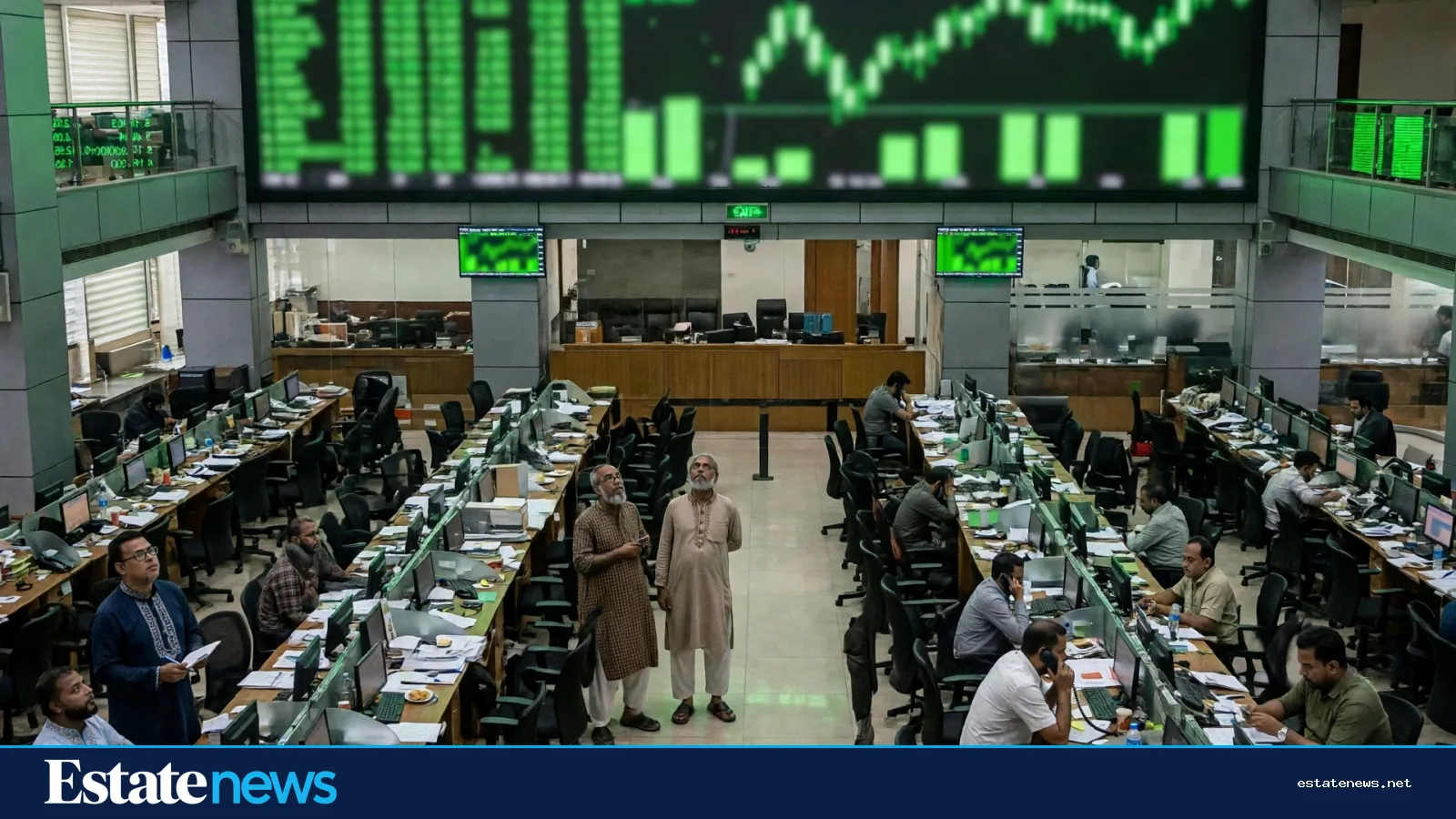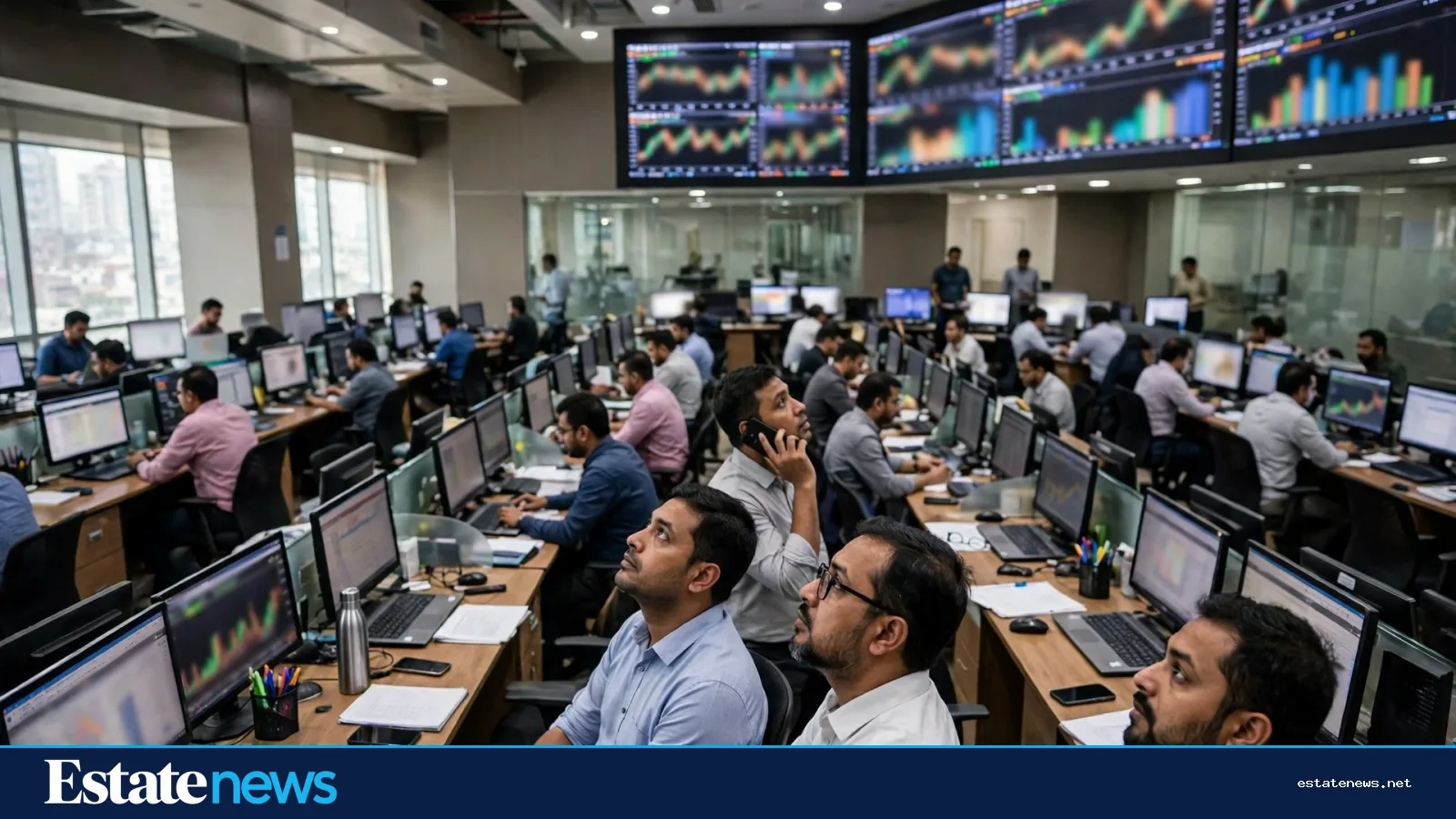
Sell your shares on a Sunday, and the money has taken until Tuesday to reach you. Buy on a Sunday, and the shares have taken the same two days to land in your account. From 4 January, that wait gets a day shorter. The Dhaka Stock Exchange has decided to begin the T+1 trade settlement cycle on 4 January next year, the Financial Express reported on 22 November, and the change is the most practical market reform in years for the small investor.
The mechanics are simple, and the Financial Express set them out with a plain example. At present the exchange runs on a T+2 cycle, which defines the time between a trade and its full settlement, when shares and cash change hands through brokers, the exchange, banks and the Central Depository Bangladesh Limited. An investor who buys shares on a Sunday sees the exchange receive the money from the buyer's broker on Monday through the banking system, and the funds reach the seller's broker the following day, by which time the depository has transferred the shares into the buyer's beneficiary owner's account. The Sunday trade settles by Tuesday.
Under T+1, the exchange would need to receive the funds from the buyer's broker on the same day the shares are purchased. The money would then be transferred to the seller's broker, and the shares credited to the buyer's account, the next day. The Sunday trade settles by Monday. One day of waiting disappears from both sides of the deal.

Why a day matters
A day sounds small. For an investor who trades with a small account, it is not. Money that sits unsettled for two days cannot be used again, and a seller who needs the cash for a family expense or a fresh purchase has had to wait for it. Faster settlement means a seller can reinvest sooner, a buyer gets the shares sooner, and the market as a whole turns its money over faster. The exchange expects the shorter cycle to boost trade volume, and the brokers' association agrees: the DSE Brokers Association of Bangladesh has thanked the securities regulator for the decision, saying it had long advocated T+1 in line with what stockbrokers expected.
Saiful Islam, president of the association, called the introduction of T+1 an important milestone in modernising the capital market and bringing it in line with international standards. The association said the new system was expected to speed up trading, improve market liquidity, and encourage greater participation from domestic and foreign investors. The logic is straightforward. A market where money moves faster is a market where more people are willing to put money in.
The timing helps. The market has just put together its best week in months. The DSEX closed Sunday at 5,565.59, up 59.95 points on the day, its sixth straight winning session, with turnover of Tk 1,220.14 crore, the highest in months. A faster settlement cycle arriving in January gives that momentum something solid to stand on, rather than a rumour to chase.
What still has to happen before 4 January


The date is decided, but the paperwork is not finished. The regulations for the T+1 settlement cycle are under the consideration of the securities regulator, Bangladesh Securities and Exchange Commission, and DSE Managing Director Nuzhat Anwar told the Financial Express she hoped they would be approved very soon. The exchange's platform is almost ready to run under the new cycle, she said. The gap is structural: because there is no central counterparty, a clearing company that smooths settlement, the exchange may initially face some difficulties in executing trades under the shortened cycle. Preparations are under way so that trading can begin without disruption.
The regulator has already moved in the same direction. It earlier asked both bourses and the depository to submit a detailed plan for running T+1, and its decision covers A and B category securities, the better-quality listed companies. A Financial Express report from that stage put the number at 253 listed securities of A and B categories that would trade under the new cycle. Small investors should watch for the final list: not every share on the board will necessarily settle on T+1 from day one.
There is also a history to the date. The exchange had earlier aimed to launch T+1 by December this year, and the move to 4 January is a short slip from that target. A slip of a few weeks is not a failure. It is a sign of how much coordination the change needs across the exchange, the brokers, the banks and the regulator. None of them can flip a switch alone, and the banking system's settlement hours are part of the work: the real-time gross settlement window has been a constraint on same-day fund movement, and the exchange has asked Bangladesh Bank to extend it.
What a small investor should do
For most investors, nothing needs to change on 4 January. The trade itself looks the same: a buy order, a sell order, a price. What changes is the calendar behind it. A buyer should make sure the money is in the broker's account on the day of the trade, not the day after, because the exchange will now need it the same day. A cheque that used to clear in time may not. A seller should expect the money a day earlier, and plan around that rather than around the old Tuesday.
There are two things to check before January. The first is the broker. Ask whether the broker's systems are ready for T+1, and what happens if a payment is delayed by a day. The second is the category of the shares held. A and B category shares are the ones the regulator's decision covers first, and an investor who holds other categories should ask the broker when those will follow.
One warning from the regulator belongs in the same conversation. Bangladesh Securities and Exchange Commission has warned of legal action over market-crash rumours, and dismissed crash claims as false, according to the Daily Star on 22 November. A faster settlement cycle does not make the market go up. It makes the market work faster. An investor who buys on a rumour still owns the rumour, and the shares still settle, one day sooner, in their own account.
Estate News has tracked the market's climb in "DSEX Breaks Its Six-Week Losing Streak: What the Rebound Means for Property Investors", and the mechanics of buying a home with borrowed money in "What a Tk 1 Crore Home Loan Really Costs Over 20 Years". The T+1 change belongs with both. A market that settles faster is a market that a small saver can trust a little more, and a saver who trusts the market is the same person who, a year later, thinks about a flat. The date to remember is 4 January. The habit to build before then is simpler: keep the money ready on the day you trade, and let the settlement take care of the rest.