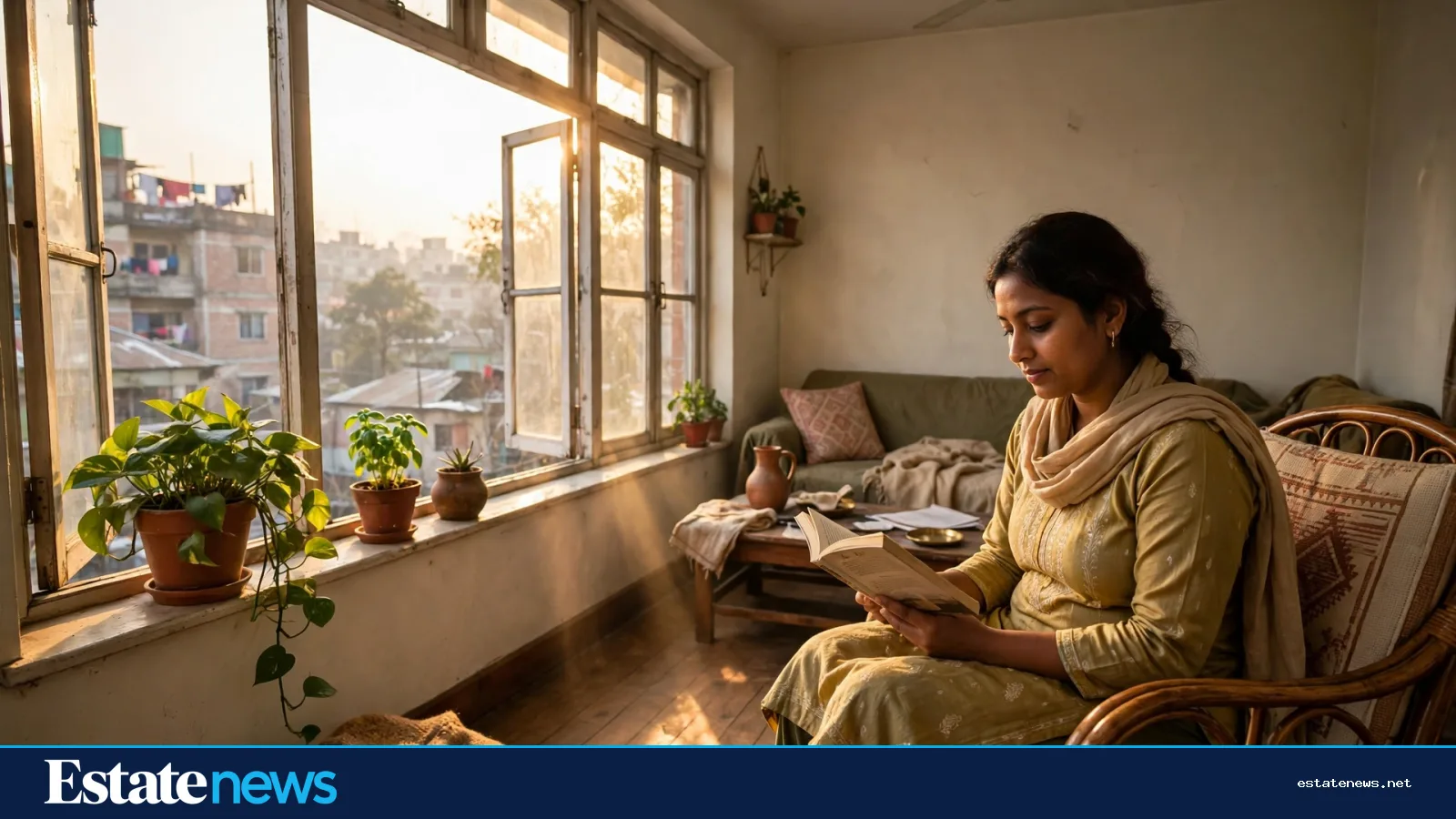
There is a week in late November when a Dhaka flat changes without anyone touching it. The light comes in lower, reaches further across the floor, and stays longer on the wall. The room you lived in all summer is suddenly a different room. It is the winter sun, and it does more to a flat than any lamp ever will.
In summer the sun rides high. It strikes the roof, glances off the top of the window, and leaves the deep part of the room in shade. In winter it drops. The same window that gave you a strip of light in June now throws a long rectangle across the floor in December. A chair that sat in shadow moves into the sun. A plant on the sill gets light it never had. The flat feels warmer, and not only because the air is cooler outside.
What the low sun does to a room

Light is the cheapest furnishing a flat has, and the most ignored. A room with good winter light needs less artificial light in the daytime, and it feels larger than the same room lit from above. The low sun picks out texture: the grain of a wooden floor, the weave of a jamdani curtain, the edge of a bookshelf. It gives a plain wall a shape that changes by the hour.
Architects think about this before the first brick is laid. A window facing south or west catches the low winter sun. A deep balcony shades the same window in summer, when the sun is high and the heat is the enemy. A room with windows on two sides gets light that moves across it through the day instead of sitting in one corner. Estate News wrote about how daylight shapes the way a room feels in "How Natural Light Shapes Interior Architecture and Mood", and the winter version of that story is the one playing out in Dhaka flats right now.
What to look for on a flat visit


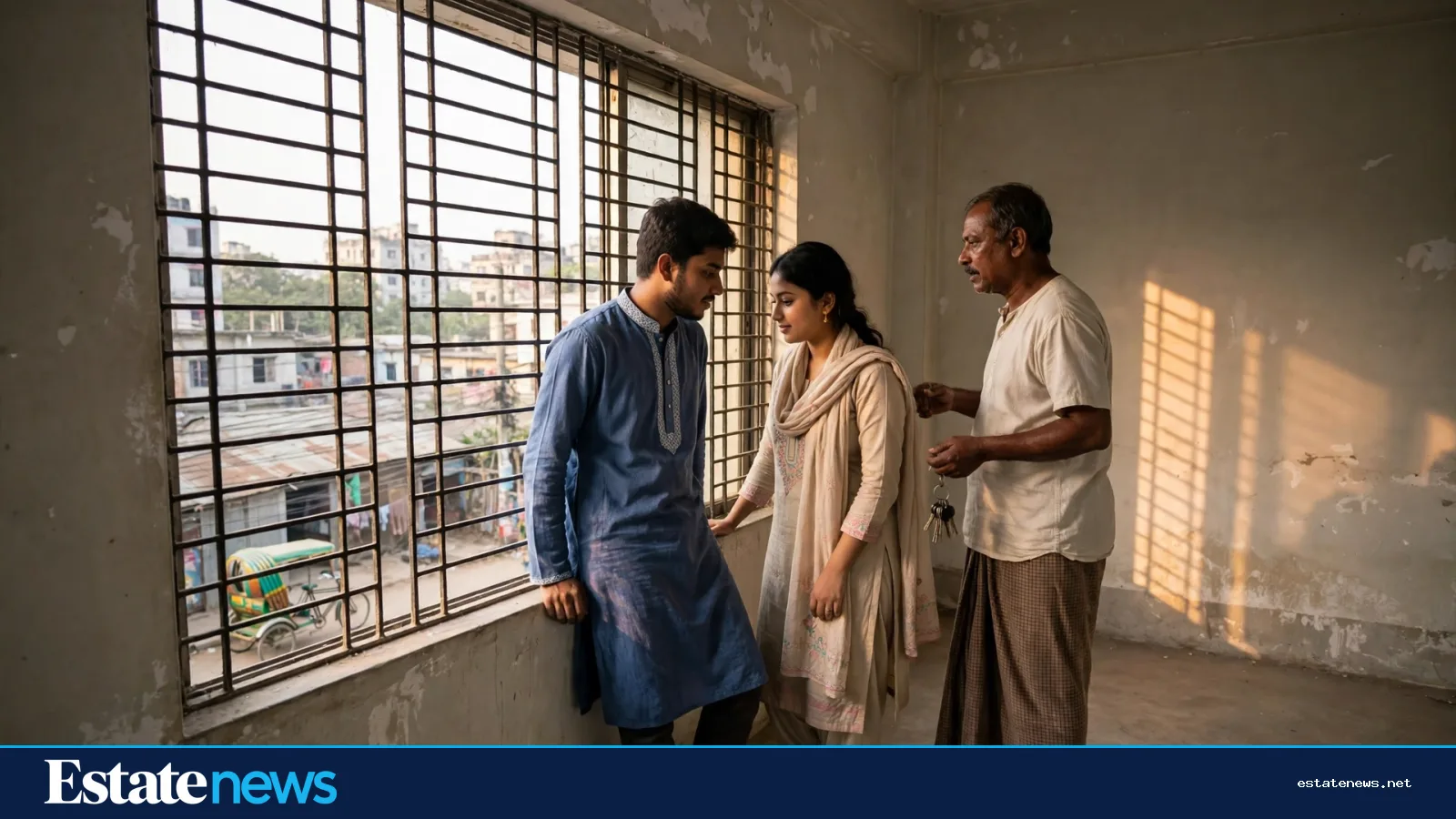
A buyer visiting a flat in winter has an advantage. Go in the morning, and again in the afternoon, and watch where the sun falls. Does it reach the dining table, or does it stop at the window? Does the bedroom get light, or does the building next door take it? A flat that catches the low sun in December will catch it every winter. A flat that stays dark in December will stay dark.
Curtains matter more than buyers think. A heavy curtain hung to block summer heat also blocks winter light, and the room pays for it all season. A sheer curtain, or a curtain pulled fully to one side, lets the low sun in while keeping the room private. Light colours on the wall bounce what comes through the window further into the room. A mirror opposite a window does the same work for nothing.
The small things that help
Plants tell you where the light is. The ones on the sill lean toward the window, and the ones in the corner stretch for it. Move a plant to the patch of sun and it will show you the difference in a week. A reading chair belongs where the light lands in the afternoon, not where the furniture was delivered. A desk near the window gets the winter sun for free, and the electricity bill notices.
None of this needs a renovation. It needs an eye for where the sun goes and a willingness to move the furniture to meet it. The luxury end of the market knows this well: the quiet craft in Dhaka's premium flats, as described in "The New Luxury Is in the Details: Quiet Craft in Dhaka's Premium Flats", is often just light handled with care. The same care works in a rented flat, and the guide to making a rented place your own, "ভাড়া ফ্ল্যাট সাজানো: কম খরচে নিজের মতো করে", starts from the same place.
Winter in Dhaka is short. The low sun will climb again by February, and the long rectangles of light will shrink back to strips. Until then, the flat has a season of its own. Use it.