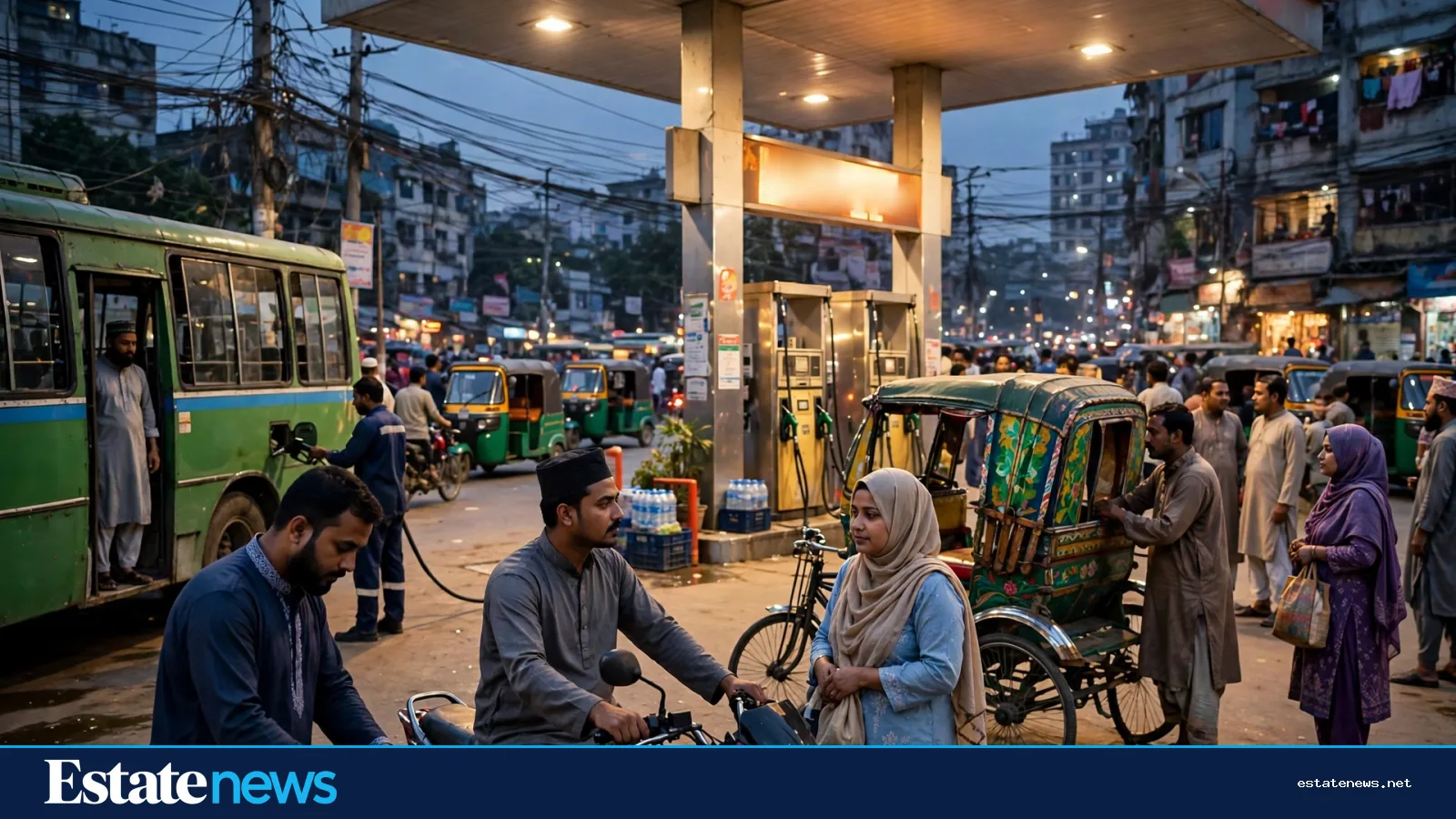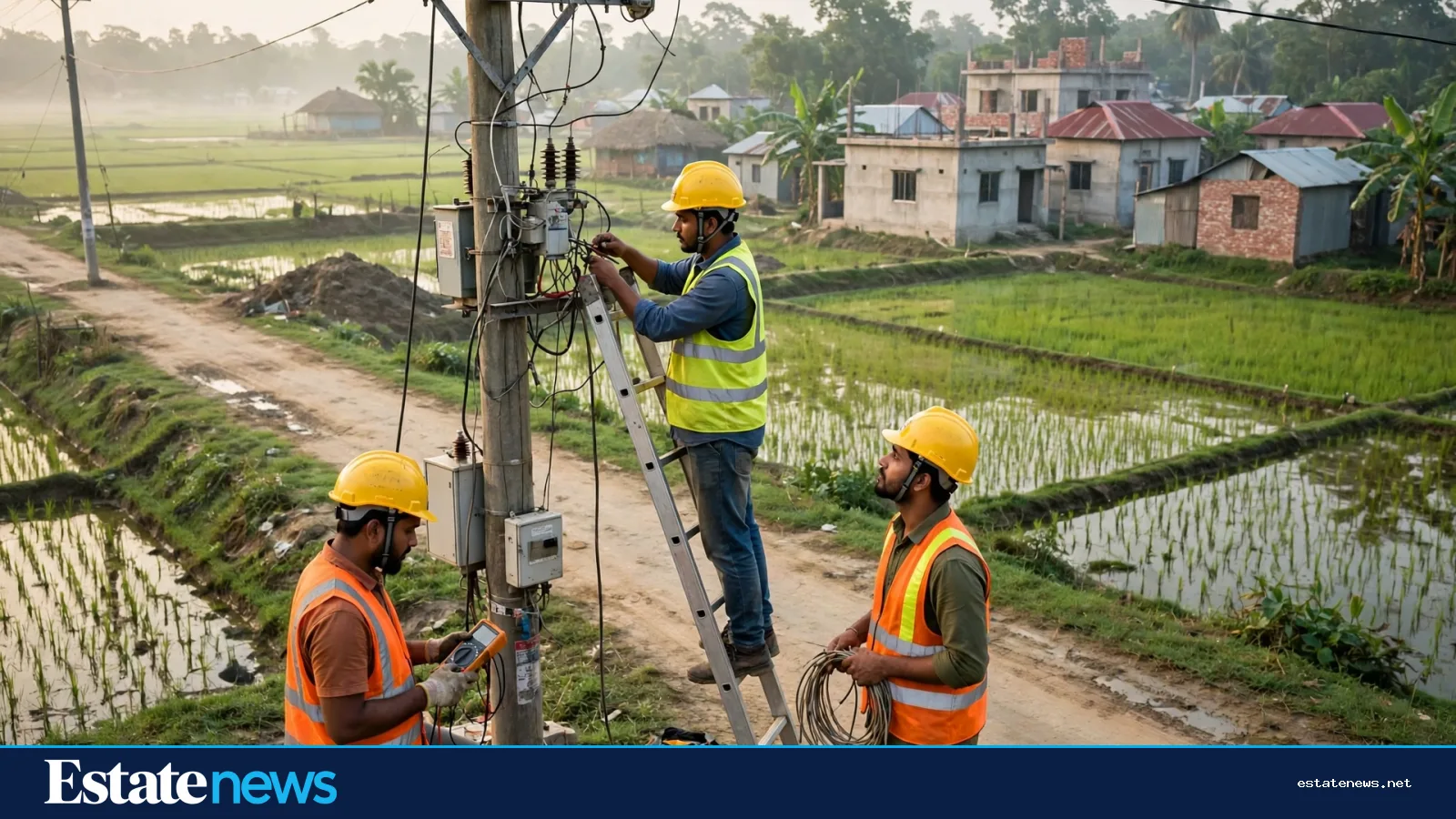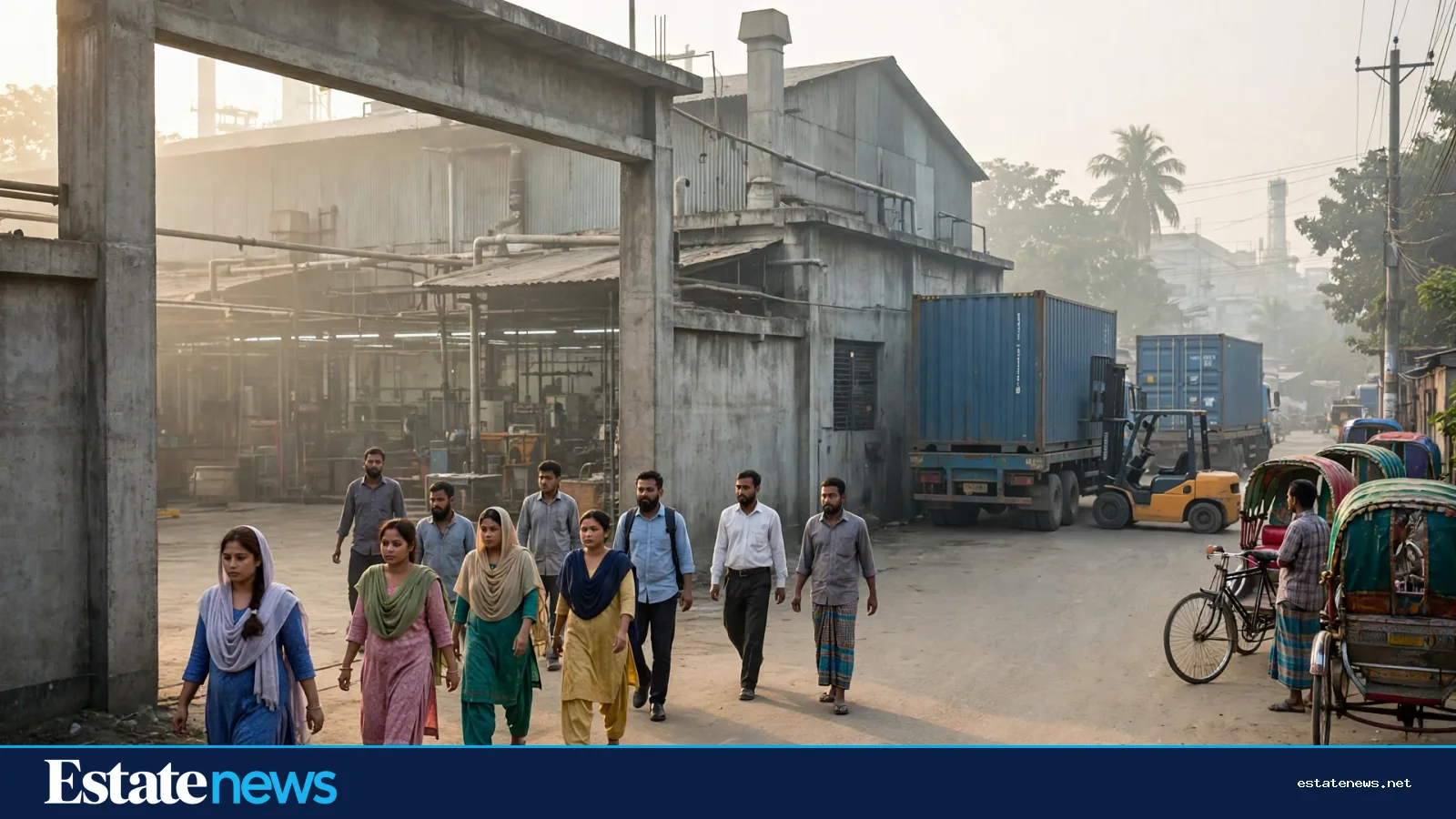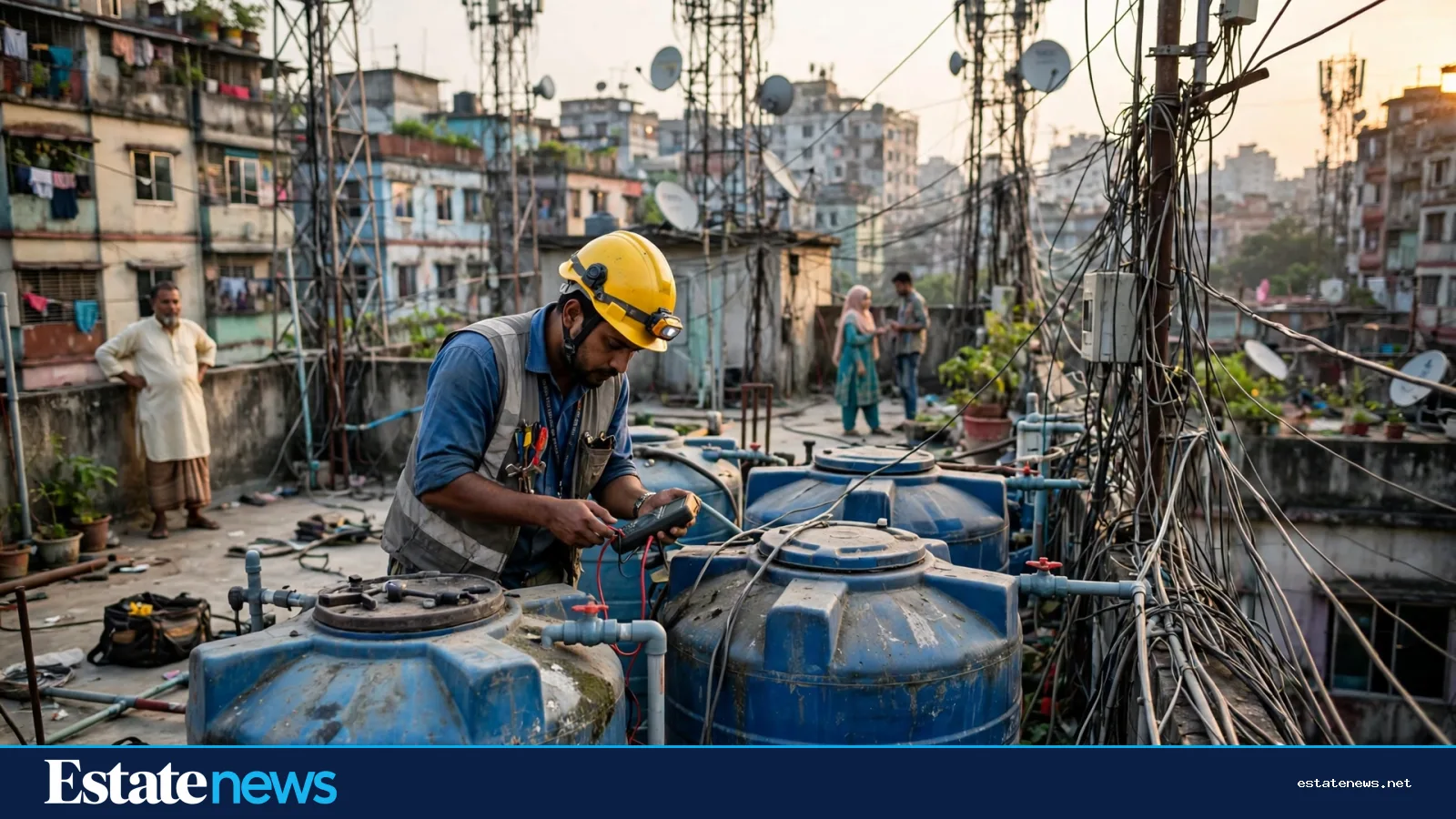
Look up from almost any Dhaka rooftop and you will see them: steel towers crowded with antennas, dish receivers and cables, standing over water tanks and washing lines. Most of those towers belong to one company. EDOTCO Bangladesh is the country's largest tower company, with nearly 17,000 towers as of September, and it is about to change hands.
A consortium led by Macquarie Asset Management agreed on Monday 23 November to buy EDOTCO Group's international tower businesses in five Asia-Pacific markets, the Philippines, Indonesia, Bangladesh, Pakistan and Cambodia, at a combined enterprise value of about $1.2 billion, according to Macquarie and to Reuters. The deal covers the towers that carry the signals for every mobile call, text and mobile-money payment in the country.
Who buys what

The five markets split among the consortium members. Macquarie's Asia-Pacific Infrastructure Fund 4 takes the Philippines business. Osiris Group, a Bangladesh-focused private equity firm, takes a 70 percent stake in the Bangladesh business and all of the Pakistan business. Tower Bersama takes Indonesia, and OCK SEA Towers takes Cambodia. Malaysian press reports put the Bangladesh stake alone at about $325 million.
Completion is expected in 2027, subject to approvals. The Bangladesh sale is linked to the others: the transactions complete together or not at all, according to the announcements.
Behind the sale sits Axiata Group of Malaysia, EDOTCO's parent. Axiata is also selling about 15.645 percent of EDOTCO Malaysia to Khazanah Nasional, Malaysia's sovereign fund, for about RM659.4 million, around $160 million. Axiata expects gross proceeds of about RM2.2 billion, around $534 million, from the whole set of deals, and says the money will go mainly to cutting debt. The deals value EDOTCO at RM11.8 billion, about $2.9 billion.


What it means on a Dhaka rooftop
For most people the change will be invisible. The tower on the roof stays where it is. The signal in the flat stays the same. What changes is who owns the steel, who collects the rent from the mobile operators that use it, and who decides where the next towers go.
That last question is the one that reaches readers of this portal. A tower needs a rooftop, and a rooftop belongs to a building. EDOTCO Bangladesh began in 2013, when Robi transferred its towers to the new company, and it now serves all the major mobile operators in the country. Its towers sit on apartment blocks, offices and factory roofs across Dhaka and beyond. A new owner with a Bangladesh focus, and with data-centre interests of its own, may look at those rooftops differently from a seller trimming debt in Kuala Lumpur.
The deal also lands in an economy where big-ticket sales are still rare. The garment sector kept $6.77 billion in a single quarter, as Estate News reported in "The Garment Sector Kept $6.77 Billion This Quarter. That Is the Real Number", and growth has slowed to its lowest in 25 years, as set out in "3.2% Growth, the Lowest in 25 Years: What the Numbers Say About Bangladesh's Economy". A $1.2 billion regional transaction with a Bangladeshi leg is, against that background, a sign that foreign money still sees value in the country's infrastructure.
What to watch next
Two things decide whether the deal matters to ordinary readers. The first is approval: the sale needs regulatory clearance in Bangladesh and the approval of Axiata's shareholders before it can close. The second is investment. A tower company earns its keep by keeping its towers standing, powered and rented out. If the new owners spend on maintenance and on new sites, coverage in the fast-growing edges of Dhaka and Chattogram improves, and the flat buyer checking a new building's network coverage has one less thing to worry about. Estate News tracks what homes cost across the city in "Flat Price in Dhaka: What a Flat Costs Area by Area in 2026". The towers above those flats now have new owners on the way.