Washington has put a number on the table that every Bangladeshi exporter will now have to plan around. The Office of the US Trade Representative has proposed additional duties of 18 percent on all imports from Bangladesh, after a months-long investigation under Section 301 of the Trade Act of 1974. The levy is not yet in effect. It is a proposal, open to public consultation, and the final rate has not been set. But the direction of travel is now public, and it points straight at the industry that pays for four-fifths of Bangladesh's exports.
The USTR announced the move after finding that Bangladesh's industrial policies distort fair competition and harm American producers. The accusation, as the USTR framed it, is that Dhaka has unfairly boosted manufacturing through suppressed wages, subsidies and reliance on Chinese raw materials. Garments sit at the centre of the finding. The proposal covers all Bangladeshi goods entering the United States, net of existing Section 301 duties, with some products exempt.
How 18 percent becomes 43

The headline figure is only part of the bill. Bangladeshi exporters already face duties of roughly 25 percent in the US market. Stack the proposed 18 percent on top of that, and the total tariff burden reaches about 43 percent, according to The Business Standard. Foreign trade expert Dr Muhammad Abdur Razzaque, who chairs the think tank RAPID, put the same arithmetic to the paper: the standard 15 percent average duty on apparel, plus the extra 10 percent imposed earlier, plus the new 18 percent, takes the total to 43 percent.
There is a wrinkle worth stating plainly. The USTR says the proposed rate is net of existing Section 301 tariffs, and its trade representative, Jamieson Greer, has described the rates as largely a top-up rather than a straight addition. The Daily Star, reporting the same announcement, put the likely total at about 34 percent on that reading. The difference between 34 and 43 percent is the difference between a bad year and a very bad one for an exporter. What is not in doubt is the direction: the burden rises, and it rises on every shipment.
The USTR also warned that the rate could go to 20 percent if negotiations fail to produce satisfactory reforms. The proposal takes into account ongoing consultations with Dhaka, existing Section 232 tariffs and commitments under the February 2026 US-Bangladesh Agreement on Reciprocal Trade. Commerce Minister Khandakar Abdul Muktadir, speaking after the announcement, said the move was nothing new in substance and that the duties have not yet increased. He is right about the timing. Nothing changes at the port tomorrow.
The calendar that decides it


The timetable is now fixed, and exporters have weeks, not months, to make their case. Written comments and requests to testify are due by 5 January 2027. Public hearings begin in Washington on 25 January 2027. The final rate will be set after that process, taking into account the consultations and the commitments already made under the February agreement.
Fourteen trading partners face proposals in the same round. China faces the highest proposed rate, at 20 percent. Vietnam faces up to 35 percent. Bangladesh, at up to 18 percent, sits in the middle of the pack, alongside Cambodia, Indonesia, Malaysia and Thailand. That ranking matters less than it looks. Bangladesh's export basket is far narrower than theirs. Garments earn about $38 billion a year, and the sector is the economy's single biggest employer and its biggest earner of foreign currency. A tariff that bites garments bites the whole economy.
What it means for the factory towns
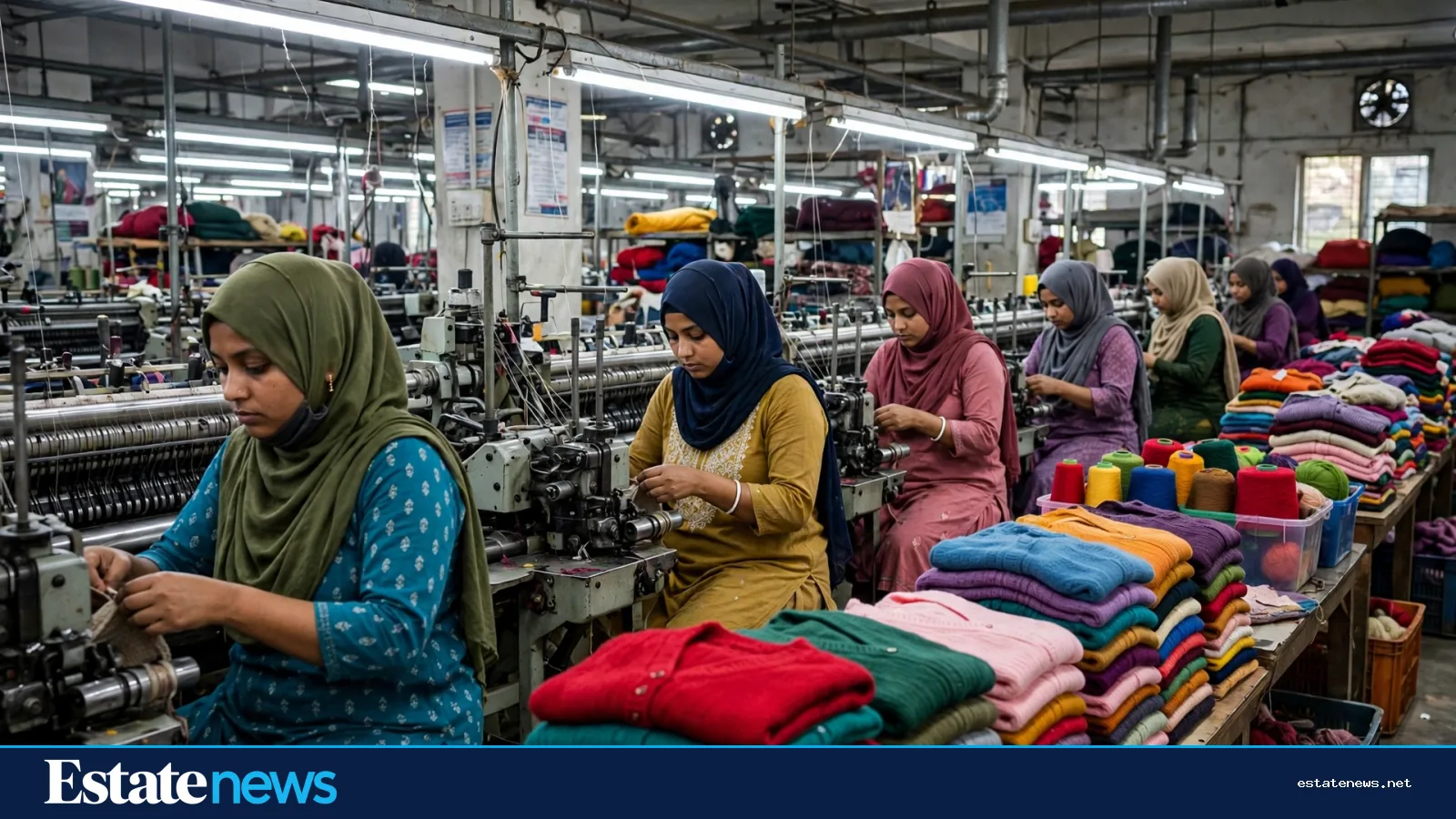
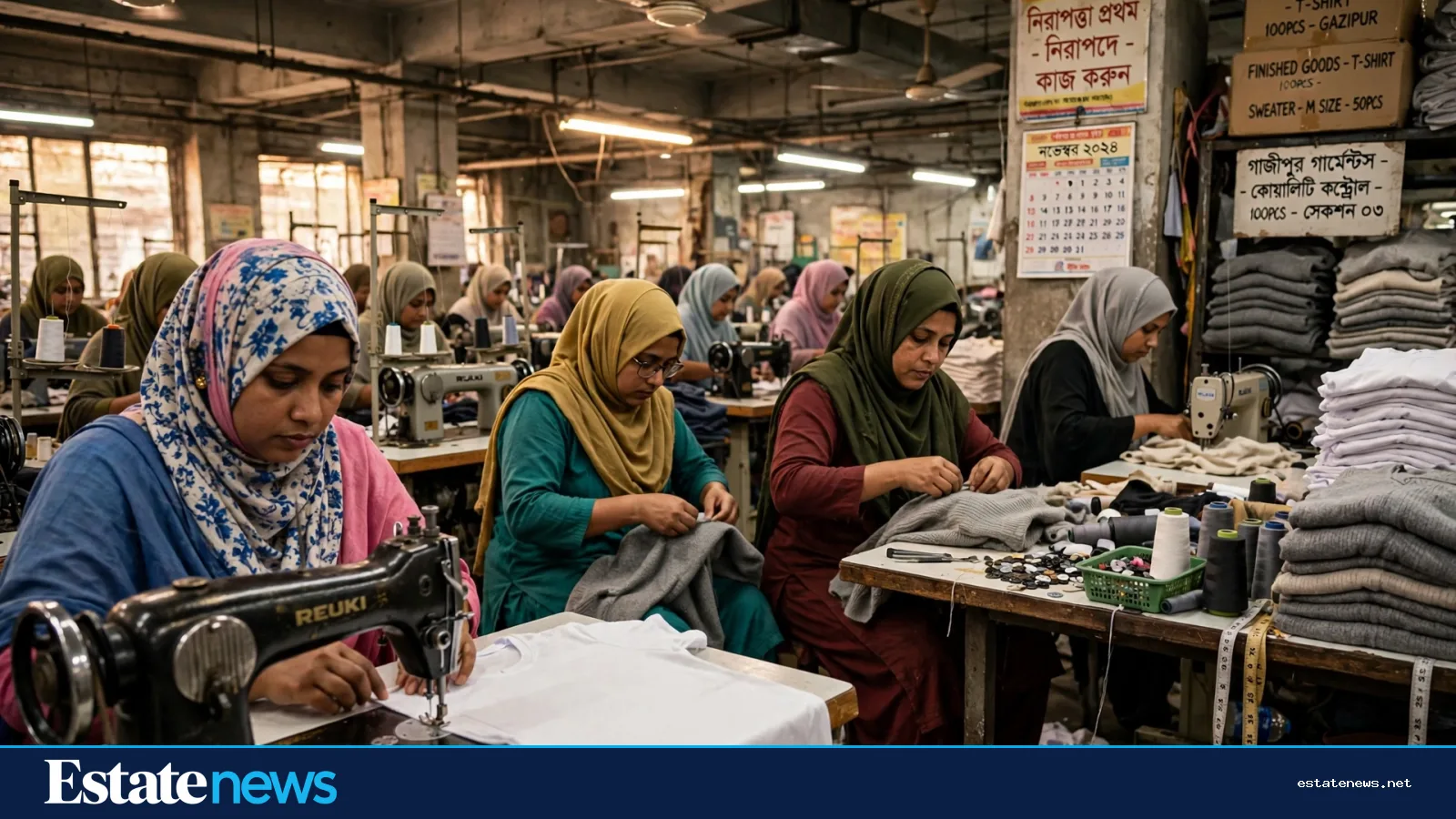
The timing could hardly be worse for the garment belt. The industry is still counting the cost of the unrest around the wage talks. The BGMEA says the recent unrest cost the industry an estimated $428 million in losses and shifted orders worth $254 million to other countries, according to the association's account carried by the New Indian Express. Factories in Gazipur, Savar and Ashulia have spent the month managing suspensions and catching up on orders. A tariff proposal landing on top of that gives buyers one more reason to shift orders elsewhere, and gives factory owners one more cost to absorb.
The housing link is direct. The workers who sew the shirts live in the factory towns, and their rent, their bazaar money and their children's school fees all come out of the wage the factories pay. Estate News covered the wage that now frames those household budgets in "Tk 17,000: The Wage Board Sets the Garment Minimum, Up 36 Percent", and the export earnings behind the whole argument in "The Garment Sector Kept $6.77 Billion This Quarter. That Is the Real Number". The market's own reading of the week is in "Bangladesh Market Wrap, 25 November: The Wage Is Set, the Market Rises".
For now, the proposal is a warning, not a tax. The consultation window is the moment for the industry, the government and the buyers to argue the number down. What happens after 25 January will tell exporters whether the 18 percent stays a proposal or becomes the price of selling to America.