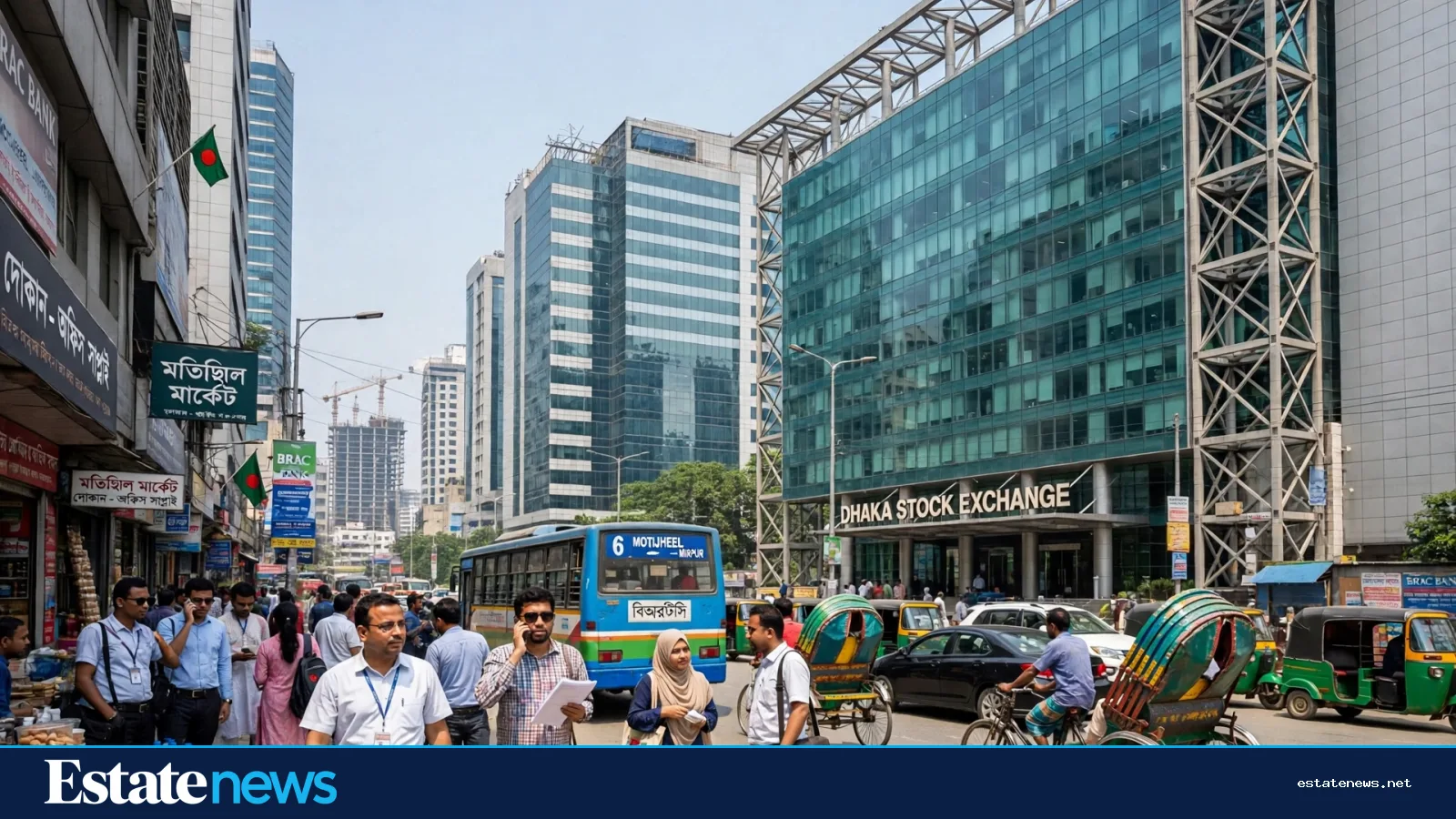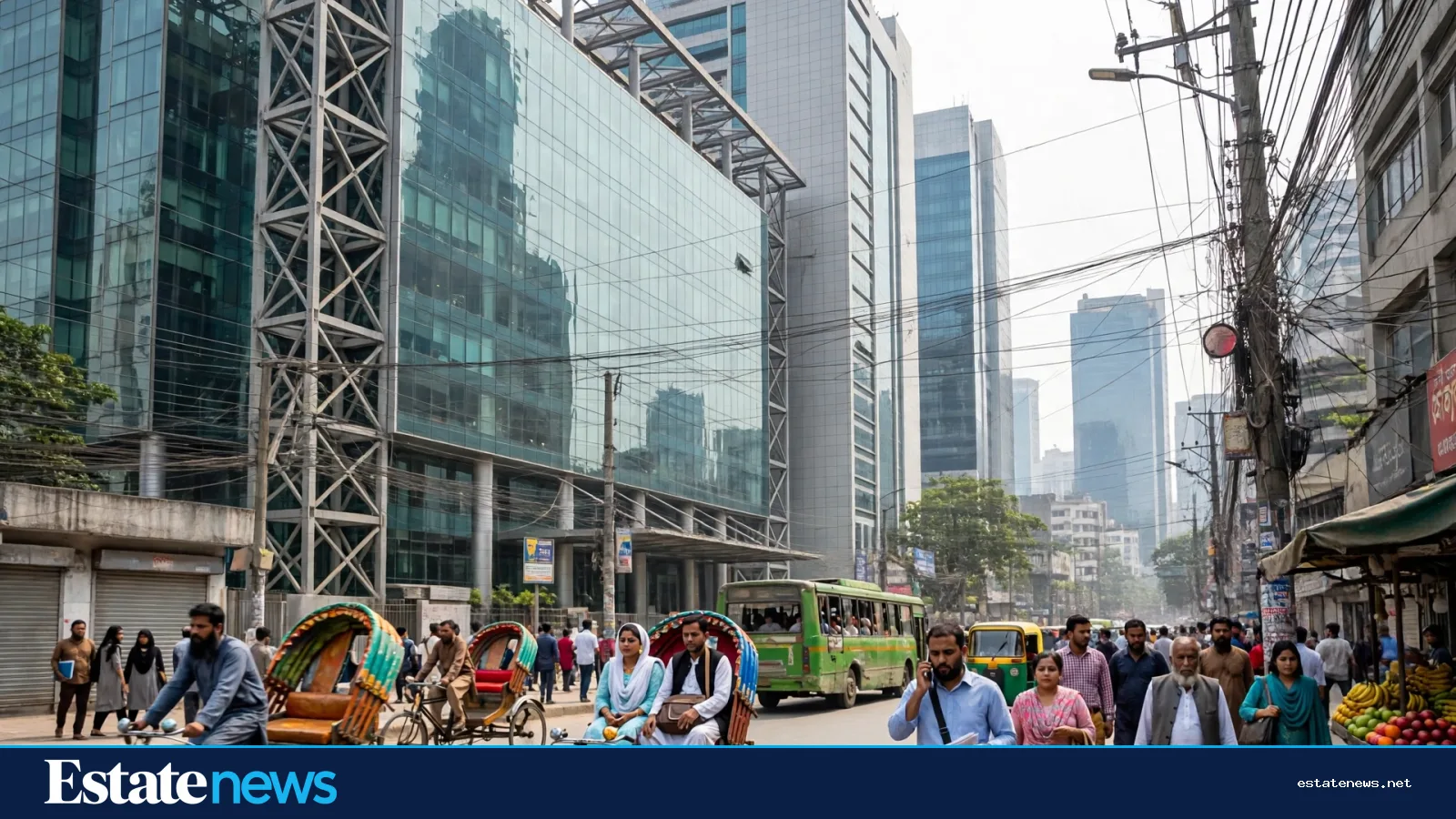
Tuesday's rally lasted one session. The Dhaka Stock Exchange fell back on Wednesday, 25 November, with the benchmark DSEX dropping 54.70 points, or 0.98 percent, to close at 5,533.32. The index had opened higher, touched 5,616 in the early trade, and then slid through the day to finish near its low. The blue-chip DS30 fell 17.28 points, or 0.82 percent, to 2,096.19. The Shariah index, DSES, closed at 1,065.15, down 0.99 percent.
The day's selling was broad. Of the shares traded, 276 fell, 53 rose and 46 stayed unchanged. Turnover dropped 14.7 percent to Tk 917.87 crore, from Tk 1,076 crore the day before, though it stayed above the 20-day average of Tk 735 crore. A total of 234,406 trades changed hands, covering 29.72 crore shares. Market capitalisation stood at Tk 6,71,506.75 crore, down Tk 3,700 crore on the day. Malek Spinning led the turnover chart at Tk 46.38 crore.
The foreigners sold. The locals bought.

The sharpest line in the day's numbers belongs to the foreign investors. They sold shares worth Tk 34.60 crore and bought just Tk 1.38 crore, leaving net sales of Tk 33.23 crore. That is their largest single-day net sale in November, according to a Prime Bank Securities report carried by tob.news. It was also their nineteenth straight session of net selling. Foreign investors have now sold in every trading session this month, and their cumulative net sales for November stand at Tk 256.60 crore, already 47 percent above October's total of Tk 174.50 crore.
Retail investors took the other side of that trade. They accounted for 86.6 percent of the day's turnover and net bought Tk 34.60 crore on Wednesday, taking their net buying across the nineteen November sessions to Tk 314.50 crore. The pattern is now a month old: foreign money leaves, local money steps in. The question is how long local buyers can keep absorbing the flow without the index giving more ground.
Why the rally reversed


The Business Standard put the fall down to two things: profit-booking after the recent rally, and the unrest in the ready-made garment sector. Both explanations fit the day. After Tuesday's rebound, holders of the recent gains had reason to sell into strength. And the garment unrest, which has already cost factories orders and production days, keeps a cloud over the market's biggest sector. EBL Securities, in a note to clients, pointed to growing investor caution and profit-taking after the rally, and flagged the MSCI rebalancing due at the close of trading on 30 November as another event in focus.
The fall was not a crash. Turnover stayed healthy, the index held above 5,500, and the selling was orderly. But the breadth tells its own story. When 276 shares fall and 53 rise, the market is not picking winners. It is stepping back.
What to watch next
Two dates now frame the market. The first is 30 November, when the MSCI rebalancing takes effect at the close. The second is the garment wage settlement, which the market has been watching as closely as any earnings report. The wage board has fixed the minimum at Tk 17,000, and the ministry's approval and the gazette are still to come. Until both are settled, the garment stocks that dominate turnover will trade on nerves.
Estate News covered Tuesday's rebound in "DSEX Rebounds 30.84 Points as Banks Lead the Buying", and the settlement change coming in January in "DSE Moves to T+1: Your Shares and Money Will Settle a Day Faster From 4 January". The wider picture of the week is in "Bangladesh Market Wrap, 25 November: The Wage Is Set, the Market Rises". Wednesday's fall does not undo Tuesday's rise. It does show how thin the rally's footing is while foreign money keeps walking out the door.