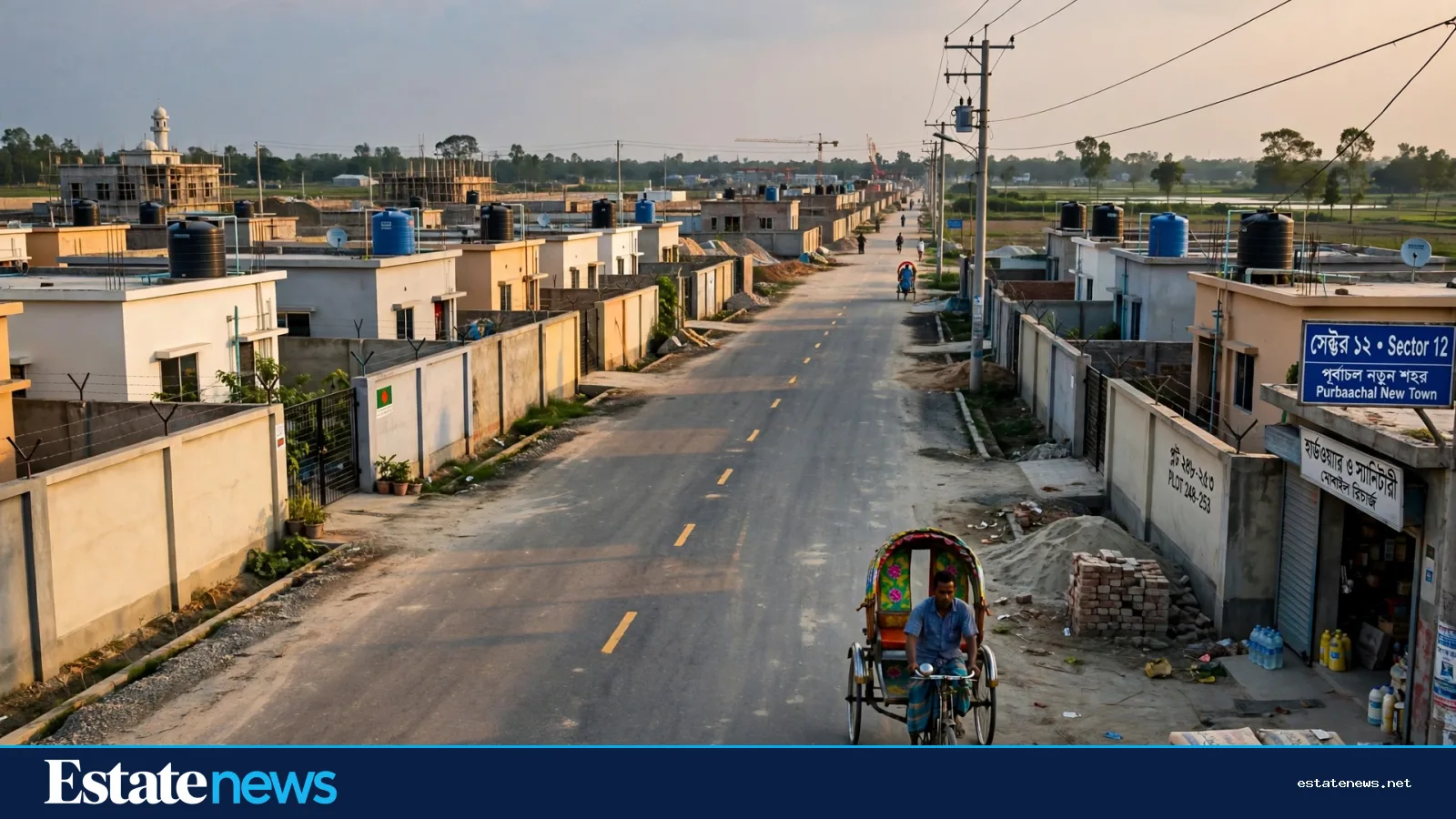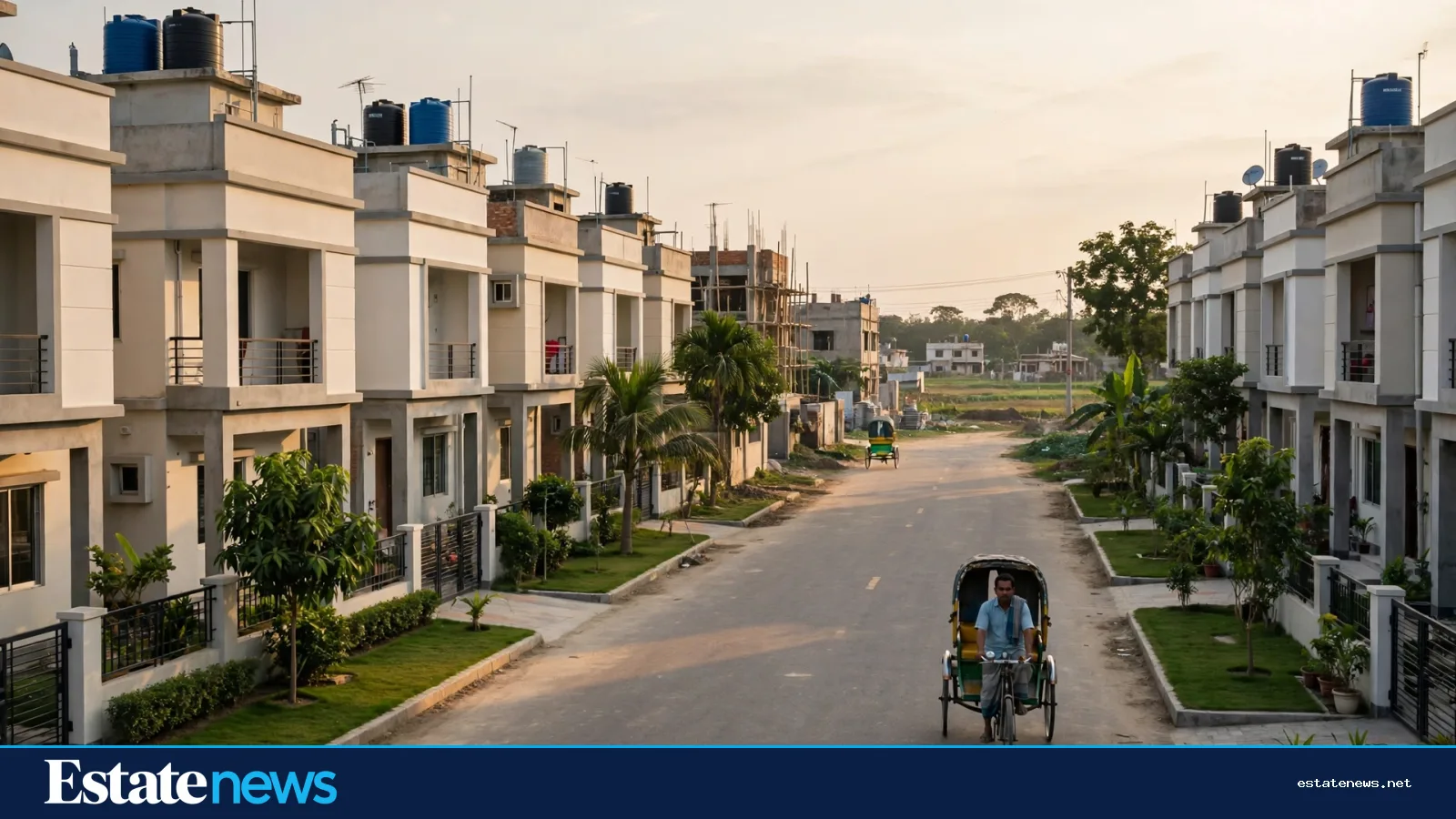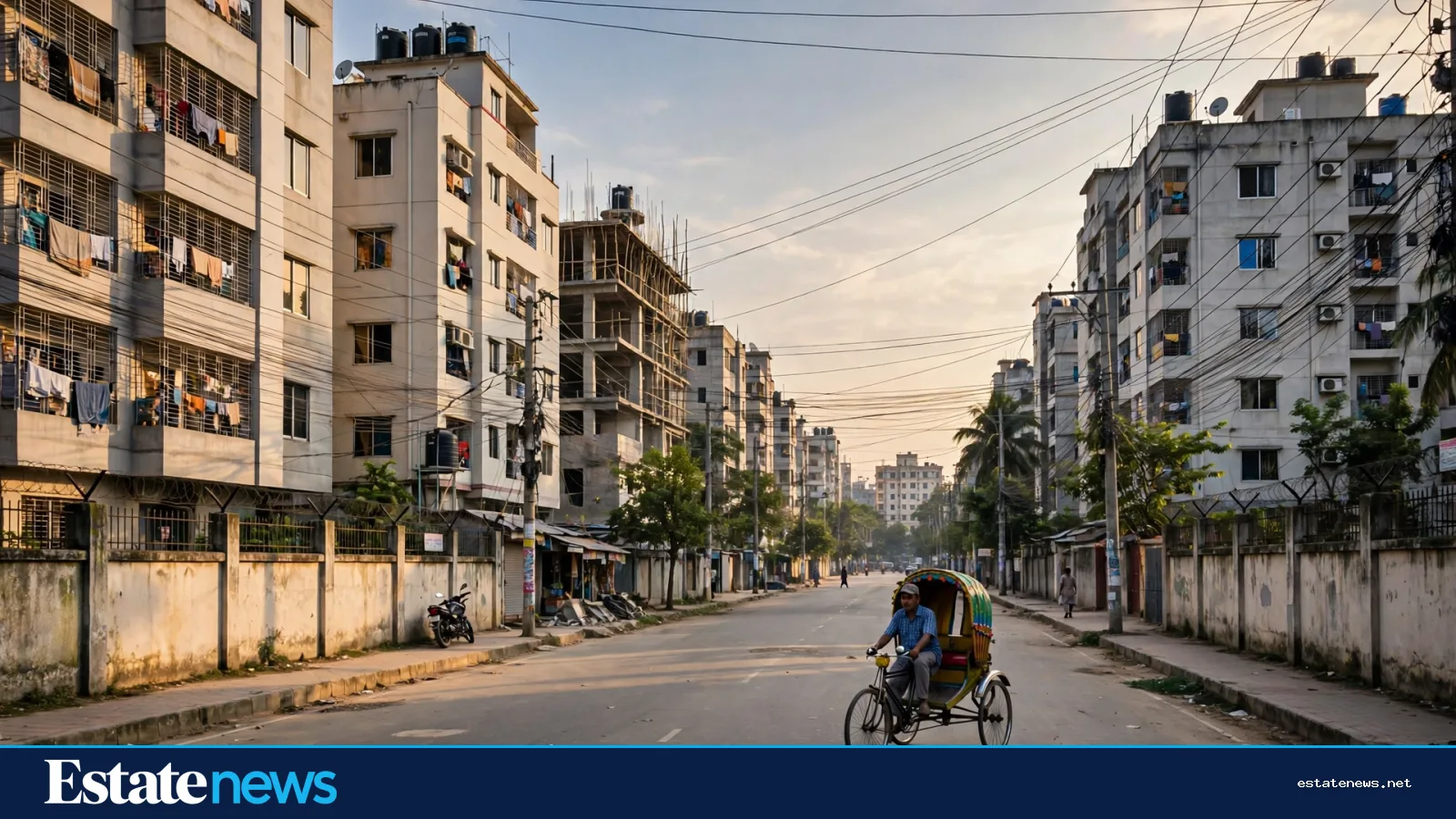
Stand on the main avenue of Bashundhara Residential Area on a winter afternoon and the scale of the place is the first thing that hits you. The road runs straight for longer than the eye wants to follow, lined with boundary walls, gates and mid-rise apartment blocks that went up one plot at a time. A rickshaw crosses the avenue. A water tank glints on a rooftop. Somewhere beyond the last row of houses, the Balu river slides past the edge of the city. Thirty-nine years ago this was barren land and a string of villages, and almost nobody in Dhaka believed it would become a neighbourhood at all.
The man who believed it was Ahmed Akbar Sobhan. He was born on 15 February 1952 in Islampur, in Old Dhaka, and he began his business career in the 1970s. In 1987 he entered real estate and founded East West Property Development (Pvt) Ltd, the company now known as Bashundhara Housing and part of Bashundhara Group. His idea was simple enough to sound naive at the time. He would sell plots on long-term instalments, and he would hand them over on time. In a market where buyers had learned to expect delay and disappointment, the promise of a plot delivered when it was promised turned out to be the whole business.
Four blocks on the far bank

Bashundhara began with four planned blocks, A, B, C and D, laid out on the eastern bank of the Balu river. Bangladesh Pratidin, profiling Sobhan in 2025, described the ground then as barren land, fallow fields and neglected villages. The concept of buying a plot and building a house was still very new in Dhaka, and people were sceptical. Trust was the scarce resource, not land.
Sobhan's answer was the instalment book. A buyer paid in small monthly amounts over years, and the plot was handed over on schedule. Bangladesh Pratidin records that in 1987 land in the project could be bought for Tk 1,25,000. That figure belongs to another era, and it says nothing about what a plot costs today. What it does say is how the project opened its doors: at a price a salaried family could reach, paid slowly, with the paper in hand at the end.
The farmers who owned the land watched its value multiply as the blocks filled in. Small plots turned into something their owners had never imagined, and thousands of families found new ground to build on. That is the version of the story the company tells, and it is also the version the anniversary profiles repeat. The harder truth is that the growth was relentless. From four blocks, the area kept spreading east, block by block, until it covered about 20 square kilometres, according to Bangladesh Pratidin. A REHAB official has called Bashundhara Residential Area the largest brand in the country's housing sector. The area is now routinely described as a city inside a city, and it sits under Vatara Thana.
The model that made it
The instalment model did more than sell plots. It changed who could buy land in Dhaka. Before Bashundhara, a plot was a cash purchase for the well-off. After it, a teacher, a bank officer or a small trader could pay month by month and plan a house around the payments. Other developers copied the model, and the whole private housing market in Dhaka still runs on some version of it.
The company did not stay in housing. Bashundhara Group now operates more than 50 companies, across cement, paper, steel, LPG, food, shipping and media. Its best-known building after the housing project itself is Bashundhara City, the shopping mall on Panthapath. Construction began in 1998 and the mall opened on 6 August 2004, designed by architects Mohammad Foyes Ullah and Mustapha Khalid Palash of the firm Vistara, at a cost of more than $100 million. It was, in its time, the largest shopping complex in South Asia, and it announced the group as something bigger than a land company.


That scale is part of the attraction for buyers and part of the risk. A developer with fifty companies behind it can finish roads, lay water lines and keep security staff on duty. Bangladesh Pratidin notes that nearly a thousand security personnel work in Bashundhara Residential Area, with CCTV and cleaning teams alongside them, and the area is often described as one of the safest residential areas in the country. The same scale means a buyer is dealing with a system, not a person, and systems answer slowly when something goes wrong.
The neighbourhood today
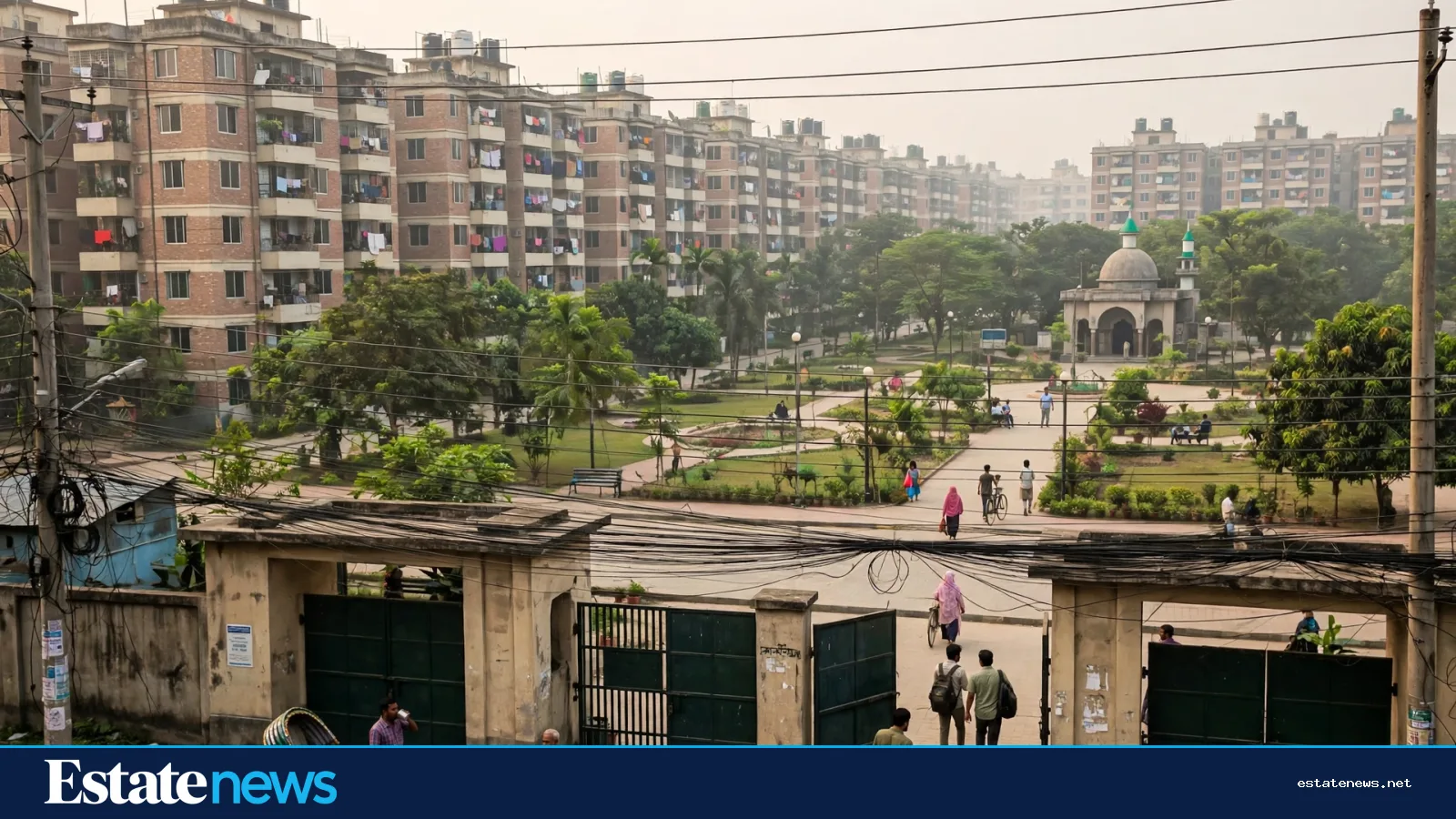
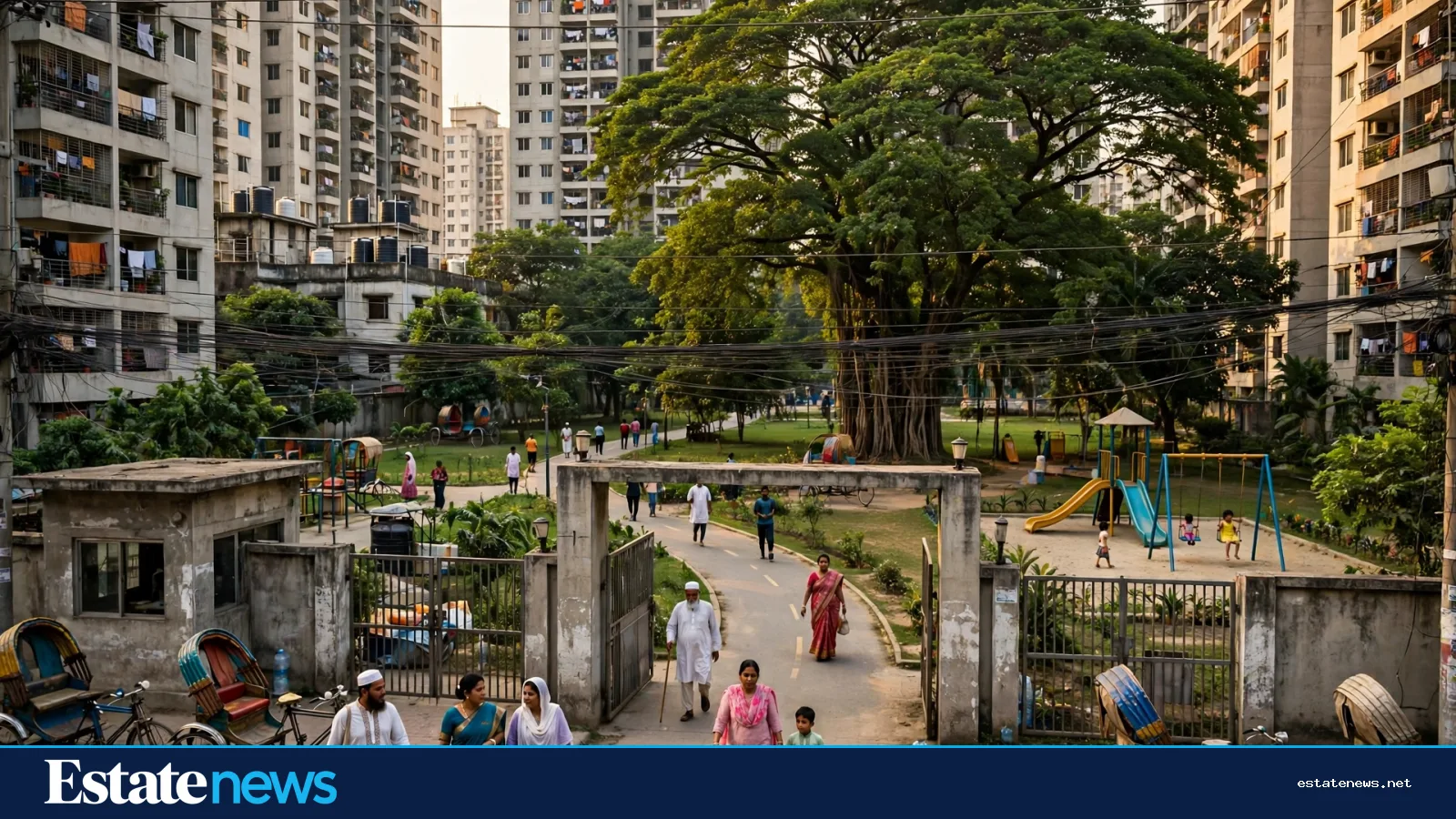
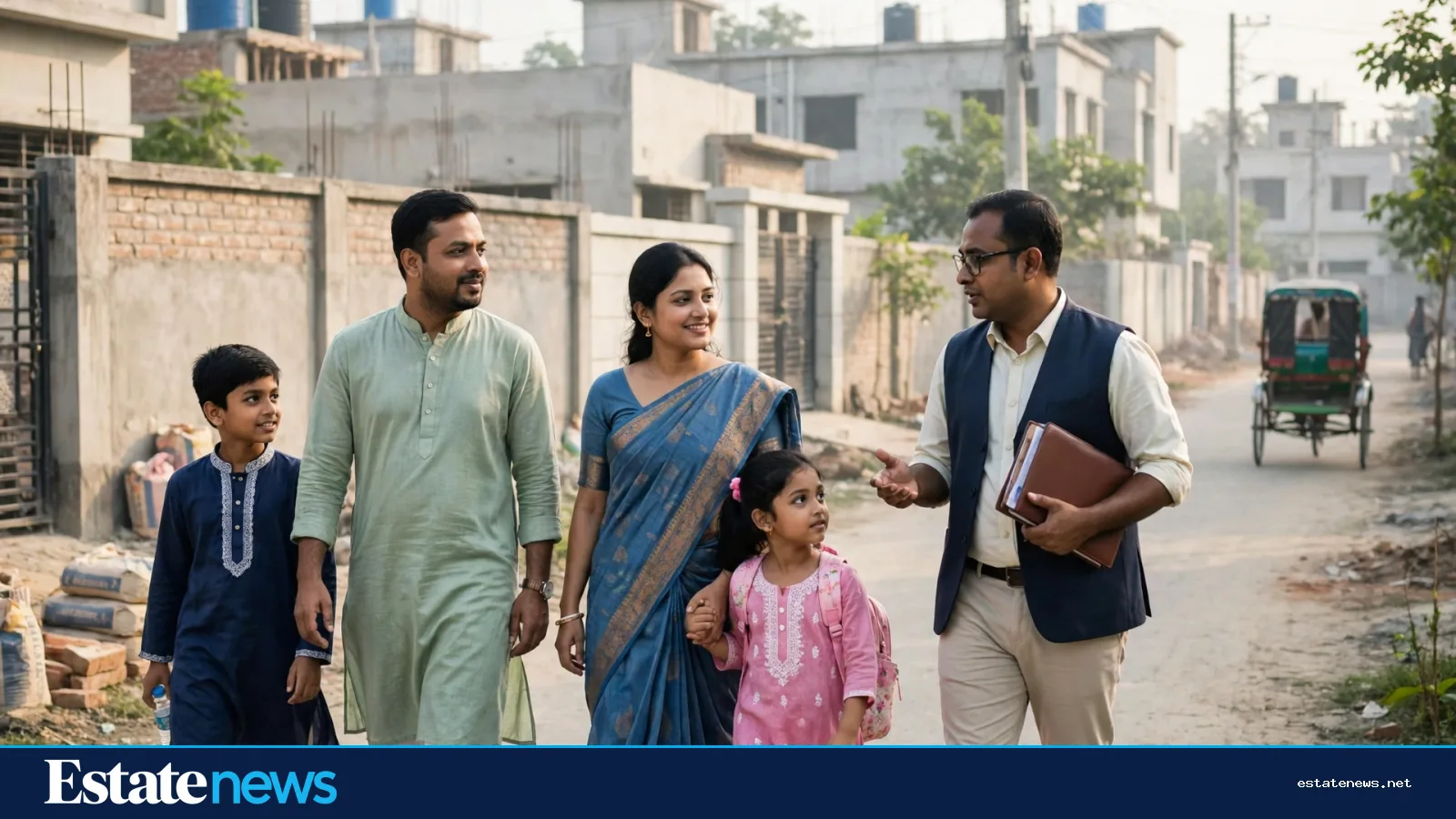
Walk the blocks now and the place reads as settled middle-class Dhaka. Children walk to school in the morning. Mosques fill at Maghrib. Small shops sell everything from mobile recharge to building sand. The houses are a mix: early plots where families built their own homes floor by floor, and newer apartment blocks where a flat is bought ready-made. Some streets are quiet and tree-lined. Others carry the dust and noise of a building still going up.
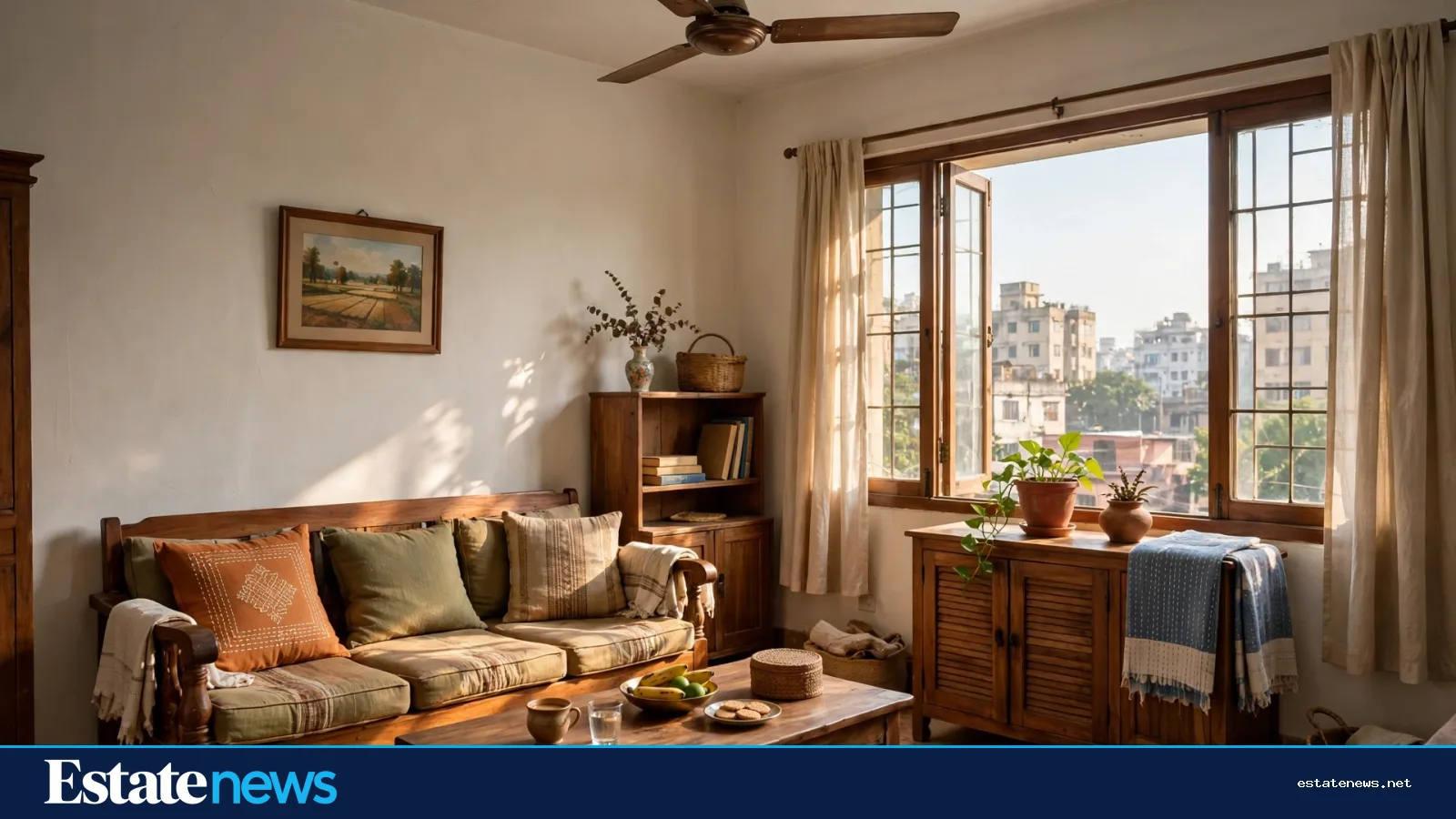
The area's pull has always been space. Plots are bigger than in the old city, the roads are wider, and a family can have a house with a yard instead of a flat stacked on a flat. That is also why the area keeps growing. Every new block pulls in buyers who want room, and every new buyer pushes the boundary a little further east, towards the river.
For a family looking at Bashundhara today, the questions are practical ones. The first is the paper: the deed chain, the mutation record, the RAJUK approval for the building, and whether the plot sits inside the approved layout. The second is the service charge, which in a privately run area covers security, cleaning and road upkeep, and which buyers sometimes discover only after moving in. The third is the commute. Bashundhara is far from Motijheel and the old city, and the road in and out carries the whole area's traffic. A flat that looks cheap on paper can cost an hour each way, every day.
What a buyer should check
The checklist is the same one that applies anywhere in Dhaka, but it matters more where the plots are big and the money is bigger. Check the deed and the mutation at the land office before paying anything. Check the RAJUK approval number on the building and match it against the floors actually built. Ask the residents, not only the seller, how the water, gas and electricity hold up in summer. Ask what the monthly service charge covers and what it has covered in the past. And walk the street at night, when the day's building noise stops and the neighbourhood shows what it is really like to live in.
Estate News has followed the developers building in this part of the city in "Bashundhara R/A: The Developers Building Dhaka's Biggest Neighbourhood", and the township model that competes with it in "Amin Mohammad Group: The Township Builder Betting on Land, Not Towers". For the numbers behind a purchase anywhere in the capital, "Flat Price in Dhaka: What a Flat Costs Area by Area in 2026" carries the area-by-area picture.
Bashundhara began as a bet that ordinary people would pay, month by month, for land nobody else wanted. The bet paid off so completely that the land nobody wanted is now the biggest private neighbourhood in Dhaka. The question for the next buyer is not whether the model worked. It is whether the plot, the paper and the price in front of them work too.