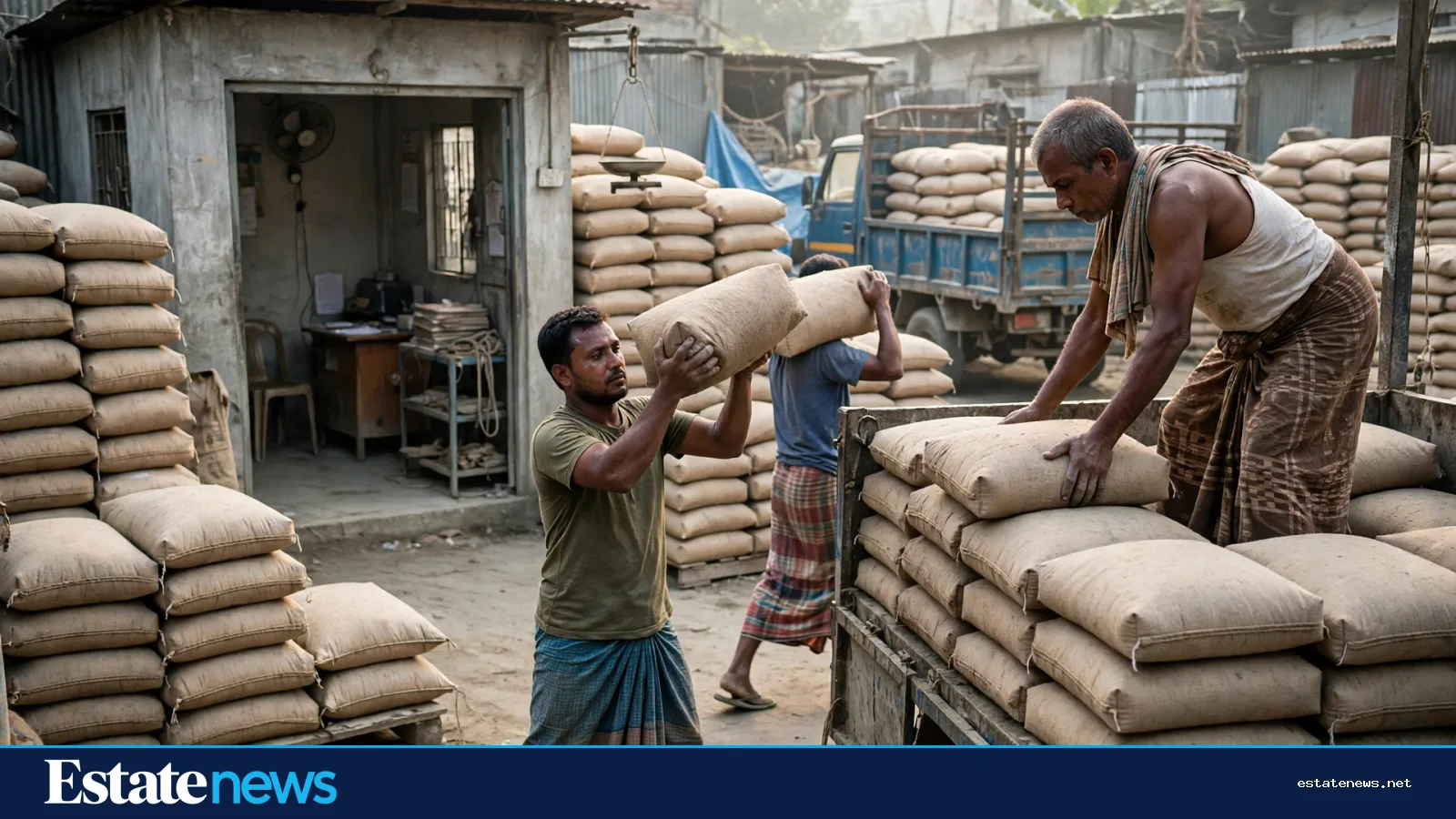
A bag of cement reaches a building site through a chain of small businesses. A distributor buys from the maker, holds stock in a depot, and sells onward to retailers and builders, often on credit of his own. When that chain runs short of cash, sites wait. A new agreement between BRAC Bank and Heidelberg Materials Bangladesh aims to keep the chain moving.
BRAC Bank PLC has signed a memorandum of understanding with Heidelberg Materials Bangladesh PLC, one of the country's largest cement manufacturers, to provide dedicated distributor-financing facilities to the company's distribution network. Senior officials formalised the partnership at a meeting on 11 November 2026, according to the announcement carried by The Daily Star and The Business Standard on 24 November.
What the agreement does

Under the agreement, BRAC Bank will offer financing to Heidelberg Materials' distributors to help them manage working capital, streamline operations and expand their businesses, according to the press release. The bank's additional managing director and head of SME Banking, Syed Abdul Momen, signed for BRAC Bank. Ong Kian Hock Terence, managing director of Heidelberg Materials Bangladesh, signed for the cement maker.
The money is for the distributors, not for the cement maker itself. A distributor who can borrow against his stock can hold more bags in the depot and supply a builder who needs a truckload this week rather than next month. For a small distributor, that is the difference between keeping a site supplied and losing the order to the depot down the road.
The company behind the bags


Heidelberg Materials Bangladesh is listed on the Dhaka Stock Exchange as HEIDELBCEM. The company was founded in 1998 and took its current name in June 2024, when HeidelbergCement Bangladesh became Heidelberg Materials Bangladesh. It makes grey cement under the RubyCement and ScanCement brands, names familiar to anyone who has walked past a building site in Dhaka.
This agreement is separate from an earlier cash-management partnership the two companies signed in October 2024, under which the bank provided collection, payment and reconciliation services to the cement maker. The new memorandum is about the distributors: the shops and depots that move the bags, not the factory that fills them.
Why it matters to a builder
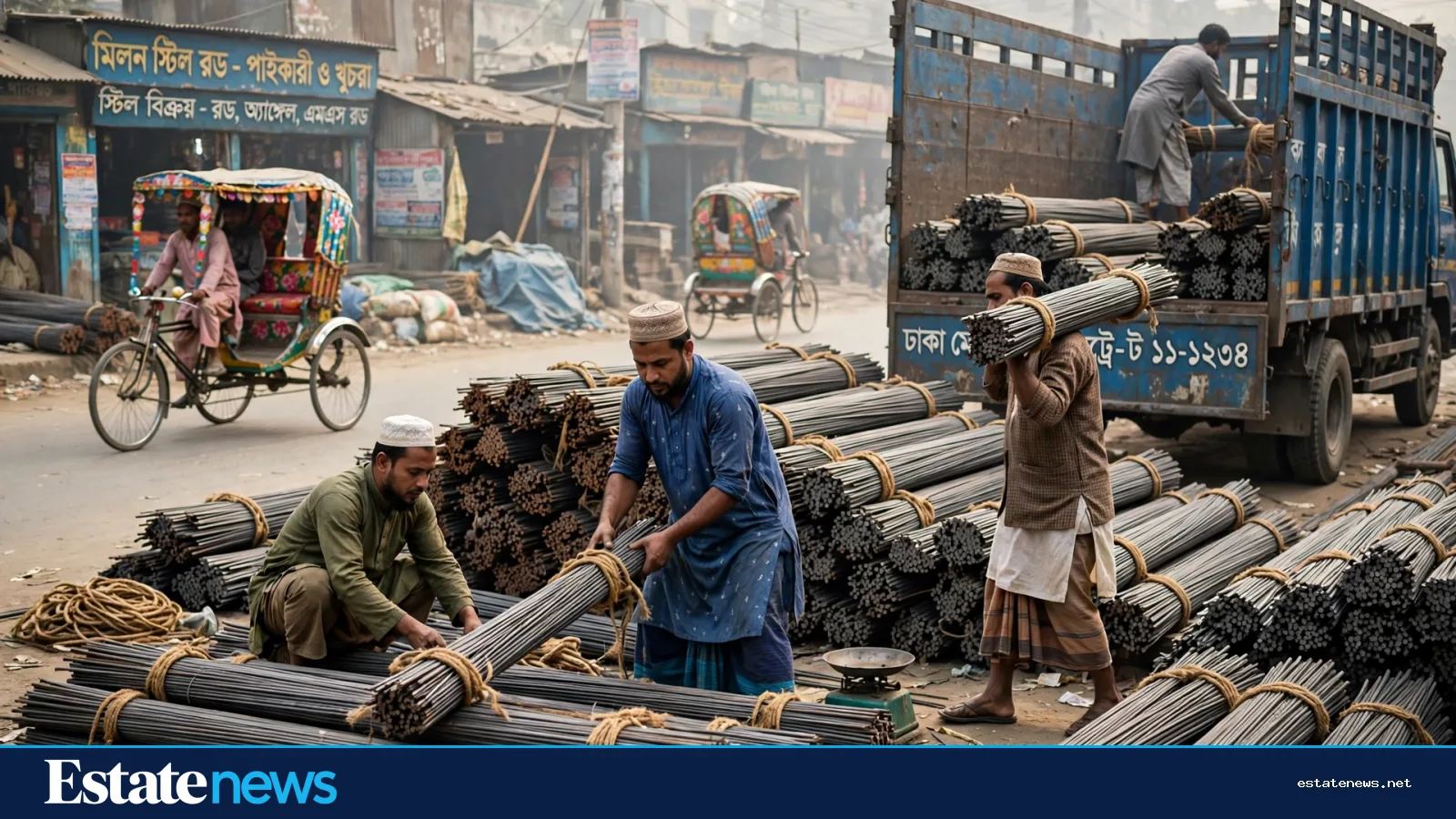
Cement is the one material no building site can do without, and its price is already on every builder's mind. Rod sells near Tk 91,250 a tonne and cement around Tk 560 a 50-kg bag, as Estate News reported in "Rod at Tk 91,250 a Tonne, Cement at Tk 560 a Bag: November's Building Costs". A credit line for distributors does not change those prices. It changes whether the bags are there when the mason is ready.
The wider point is about how building materials move in Bangladesh. A site's cost depends on the price of a bag, and the price depends on the road, the depot and the distributor's cash. Estate News set out the full picture of what a house costs to build in "Construction Cost Per Square Foot in Bangladesh: What a House Really Costs in 2026", and the funding available to small businesses in "Bangladesh Banks' Tk 1,500 Crore Fund: Who Can Borrow and at What Rate". This agreement sits at the join of those two stories: a bank lending to the small firms that stand between the factory gate and the building site.