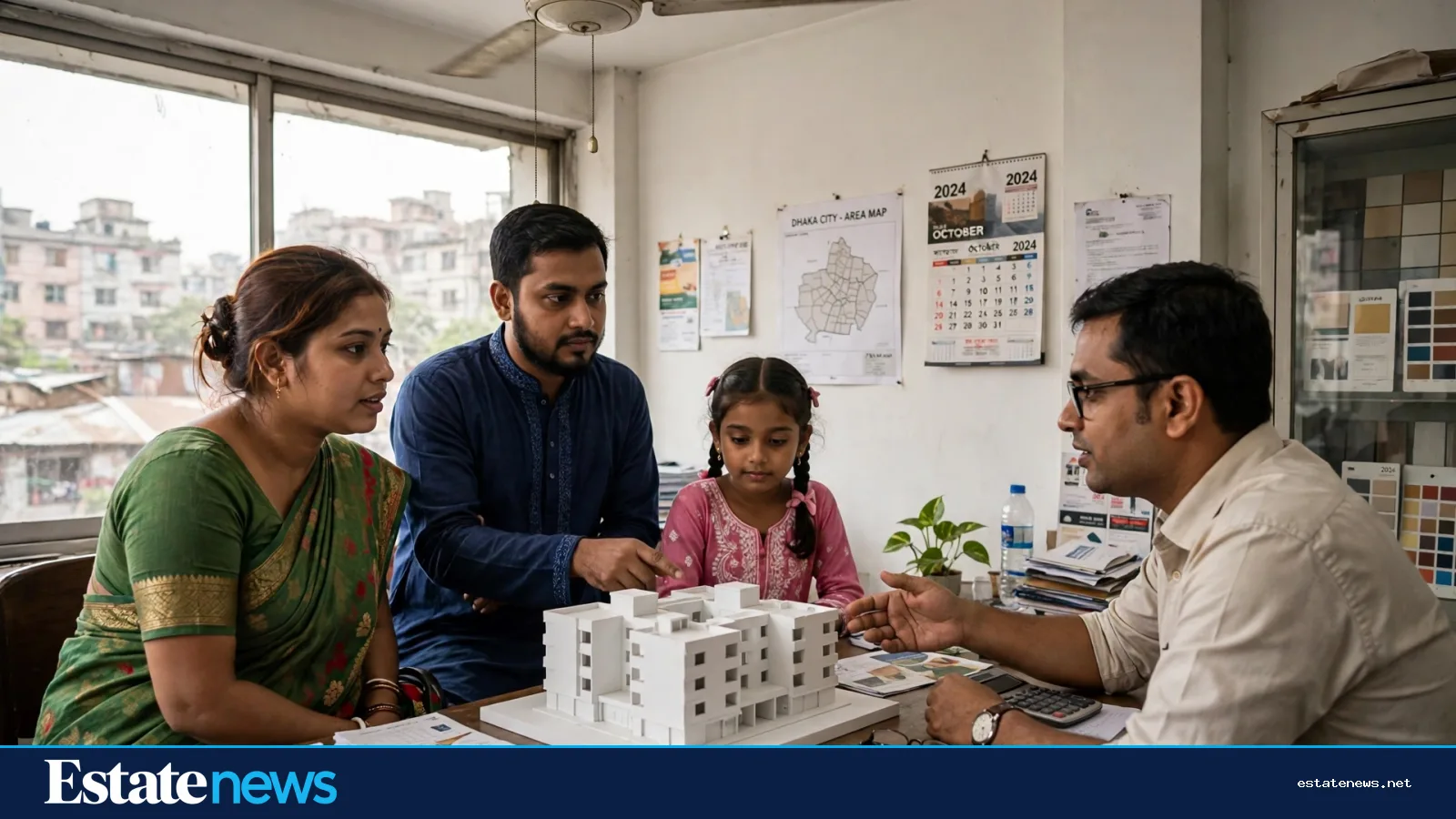
The two numbers every flat buyer in Dhaka feels are the loan rate and the registration bill. A developer group has now put both of them to the government in one list. Jams Group Managing Director Mohammad Shahadat Hossain, who has worked in the real estate industry for 19 years, has placed five proposals before the government to revive the sector, according to the Daily Sun, which reported his verified Facebook post.
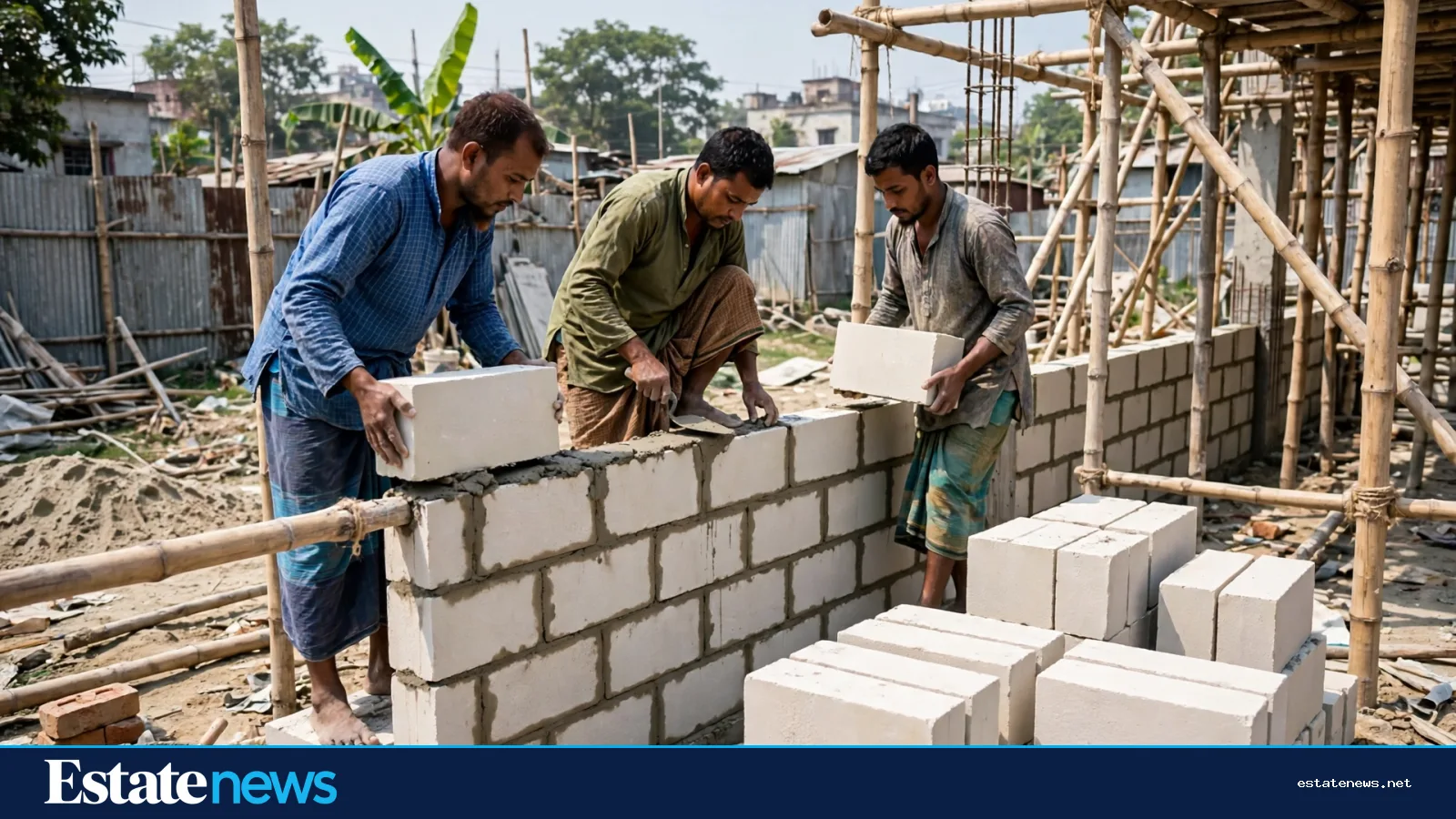
The sector he speaks for is large. It directly supports the livelihoods of around four million people and indirectly provides employment to another 10 million, according to Shahadat. It contributes more than 15 percent of GDP, and more than 260 linked industries, from steel and cement to bricks, tiles, sanitary products, electrical equipment and lifts, depend on it.
Cheaper loans, cheaper registration

The first proposal is to cut home-loan interest rates to 7 to 8 percent. Bank lending rates now run at 12 to 14 percent, according to Shahadat, and at that level the monthly instalment puts a flat out of reach for many middle-income families. A loan at 7 percent would cut the instalment sharply, and Shahadat argues it would let more families buy, lift property sales and raise government revenue with them.
The second proposal is to cut property registration costs from 10 to 12 percent to 5 to 6 percent. Registration now exceeds 13 percent of the property value in some cases, according to Daily Sun reporting on the sector, and the high charge pushes buyers to declare artificially low values. Shahadat argues that lower charges would discourage that practice and could ultimately increase government revenue, because more transactions would be declared at their real value. Estate News set out the registration arithmetic a buyer faces today in "Flat Registration Cost in Bangladesh: A Buyer's Guide for 2026", and the home-loan maths behind a purchase in "গৃহঋণে ৯ শতাংশের প্রস্তাব: ৭০:৩০ নিয়মে ফ্ল্যাট কেনার হিসাব".
One window, steady prices, a steady policy


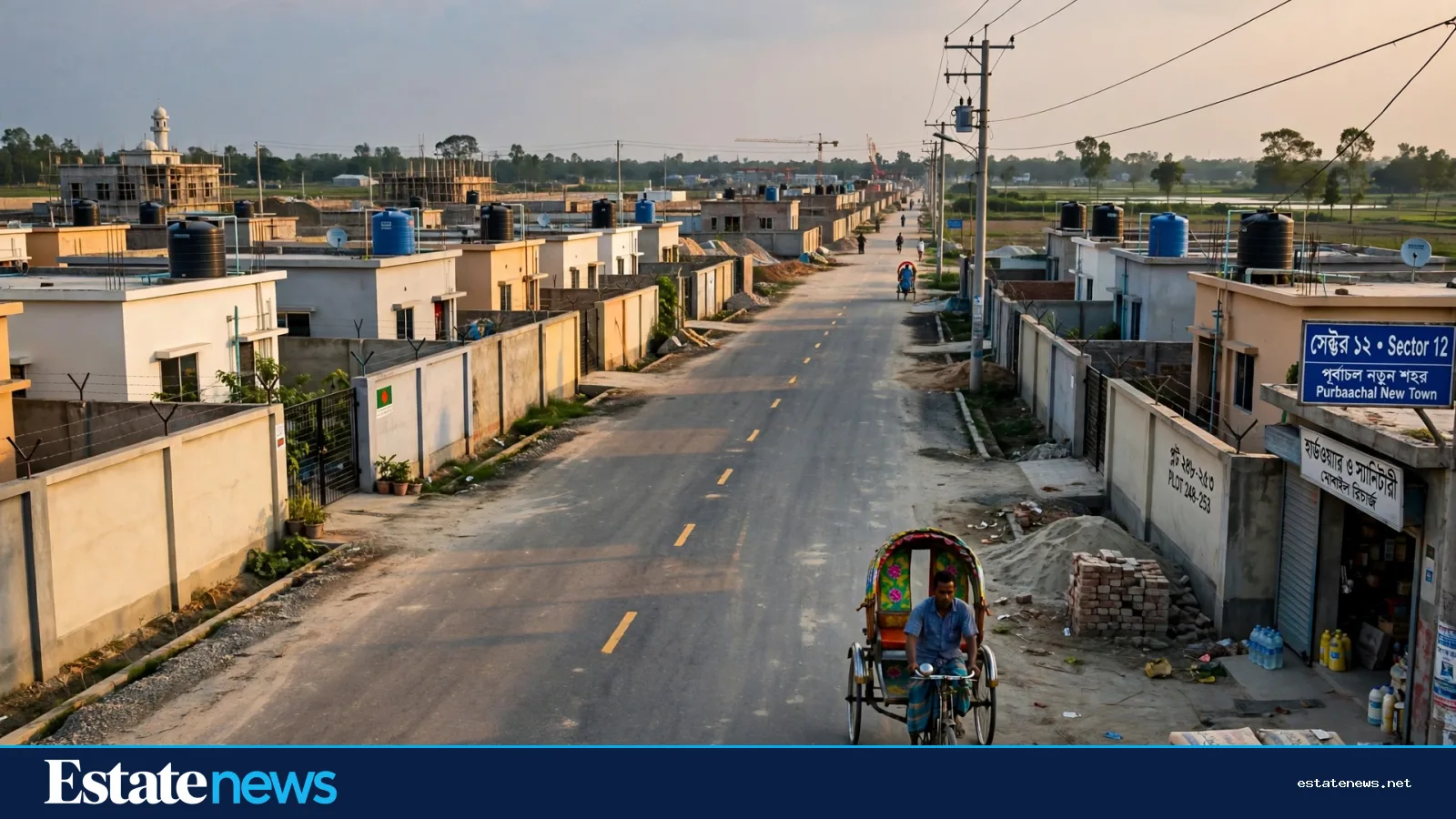
The third proposal is a one-stop service for approvals from RAJUK, WASA, Titas and DESCO. A developer now chases each agency separately, and the delays stretch projects by months. One window would cut the waiting, and the waiting is part of what a buyer pays for.
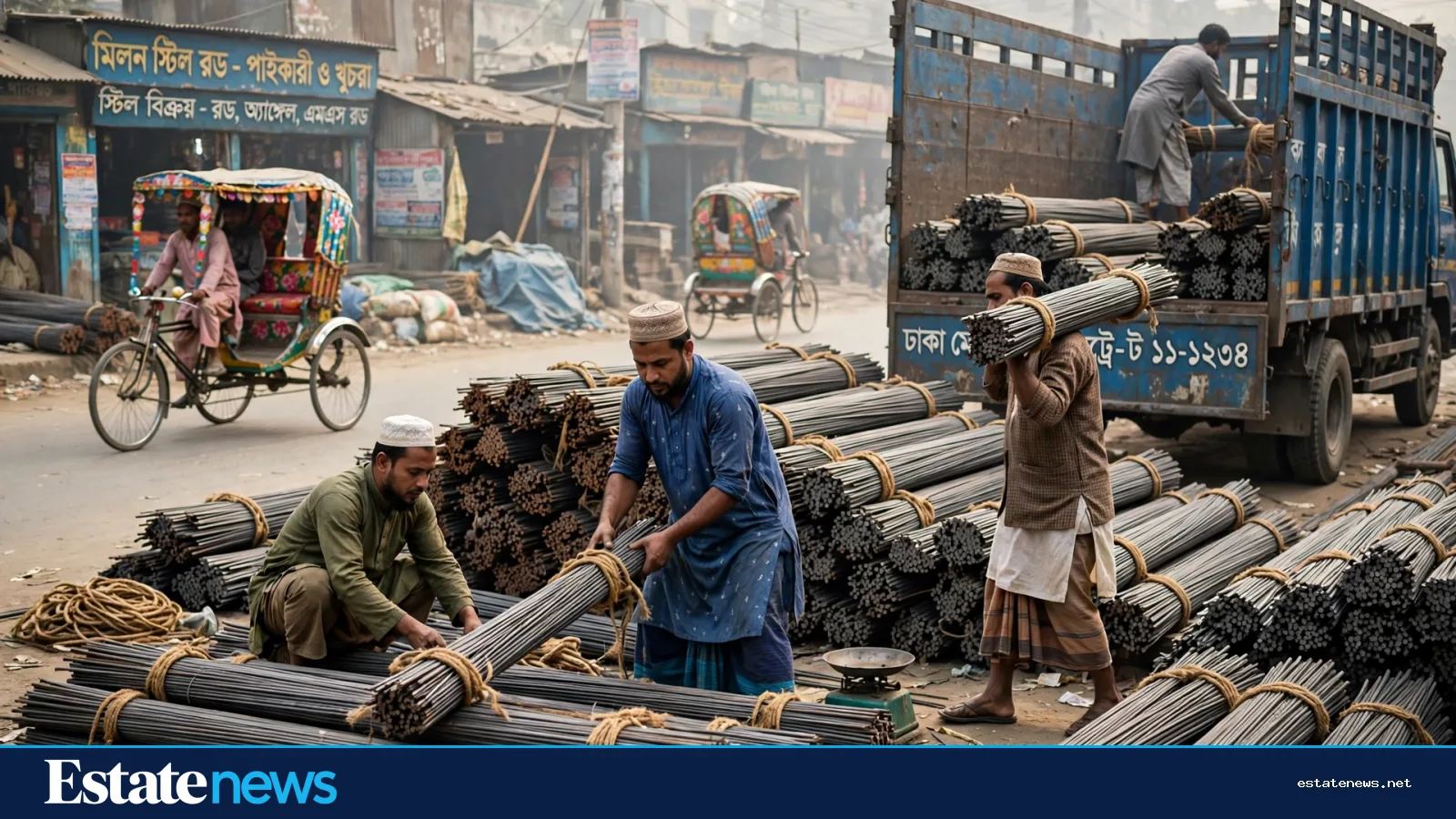
The fourth proposal is to break the syndicates in steel and cement and stabilise their prices. Construction material costs have risen by more than 31 percent in a year, according to industry estimates cited by the Daily Sun, and the Real Estate and Housing Association of Bangladesh puts the rise in overall construction costs at around 43 percent. A flat whose building cost keeps climbing cannot get cheaper, whatever the loan rate does.
The fifth proposal is a stable 20-year policy framework instead of frequent changes to the Detailed Area Plan. Developers plan projects over years, and each change to the plan changes what a plot can carry. A steady rulebook, Shahadat argues, would let them plan and price with confidence.
Why the proposals land now
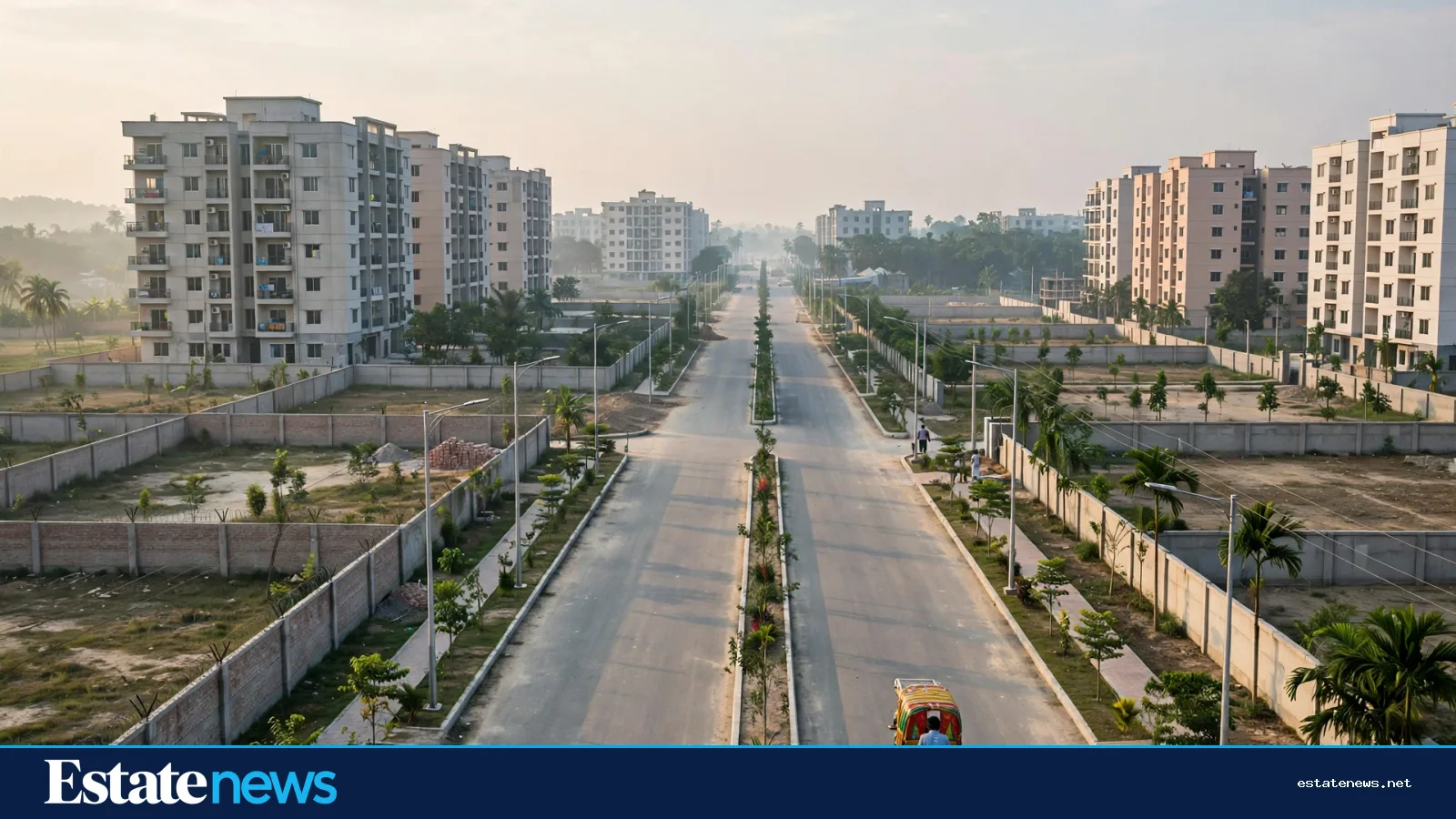
The timing is not accidental. Apartment sales and bookings have fallen by around 30 to 35 percent over the past year, according to the Daily Sun, even though demand for housing has not gone away. The buyers are there. The money is the problem, and so is the confidence. Shahadat also urged developers themselves to restore that confidence through timely handovers, construction quality, transparency in land documents and approved plans, and collective work through REHAB to raise industry concerns with policymakers.
None of the five proposals is a decision yet. They are a wish list from one developer group, and the government has not answered them. But they name the two costs that decide whether a middle-class family can buy a flat in Dhaka, and they put a number on each. The wider argument over how many banks the country needs, and what reform would do for borrowers, is in "Bangladesh Does Not Need 60 Banks: The Reform Debate at FinX Connect". For a buyer waiting on the sidelines, the question is simpler: whether the loan rate and the registration bill move before the next project launch does.