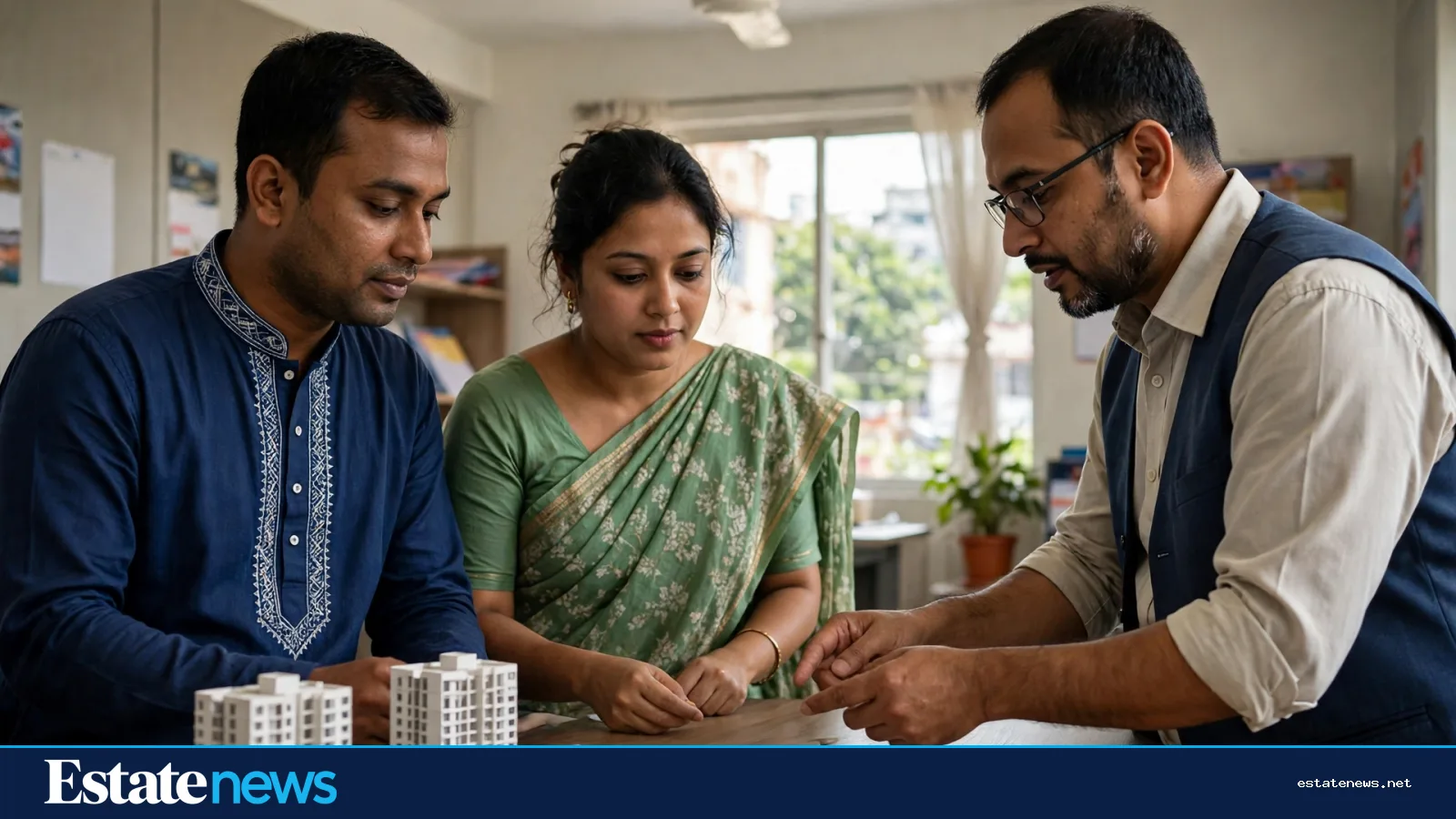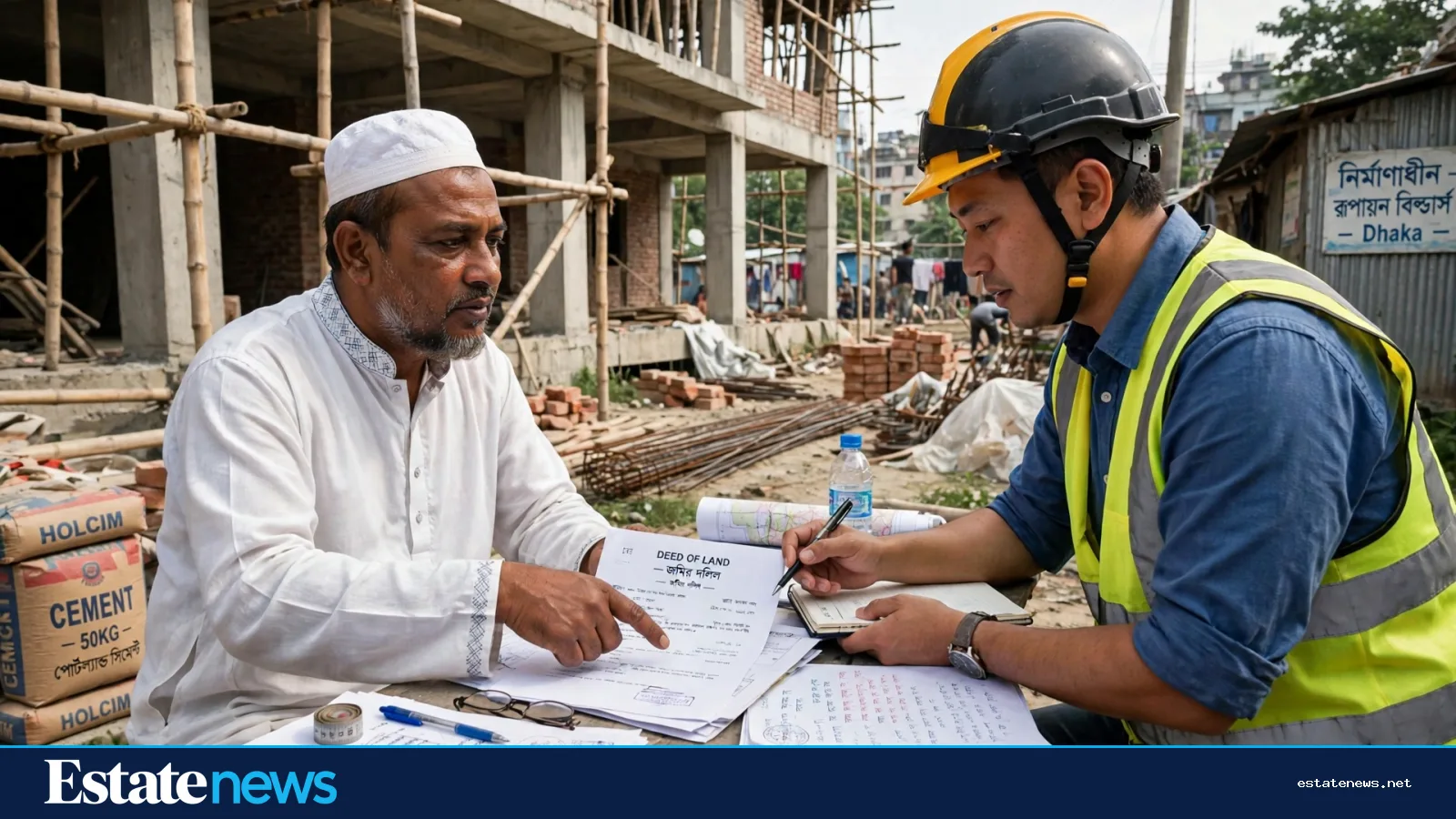
Most apartment buildings in Dhaka rise on land the developer does not own. A landowner hands over a plot, the developer builds at its own cost, and the finished flats are divided between them. The arrangement is called a joint venture, and in Dhaka it is usually called land sharing. It can turn a family plot into several flats without the family spending on construction. It can also go wrong in ways that take years to undo, and the difference is almost always in the paperwork signed at the start.
The first thing to understand is that the ratio is not fixed by law. There is no government rate for how many flats a landowner gets and how many the developer keeps. Ratios are negotiated plot by plot, and two developers can make quite different offers for the same land. What decides the split is how much floor area the law allows on the plot, which depends on its size, its road width and the Detailed Area Plan. A landowner who gets two offers should compare the arithmetic behind them, not just the headline share.
The agreement is the whole deal

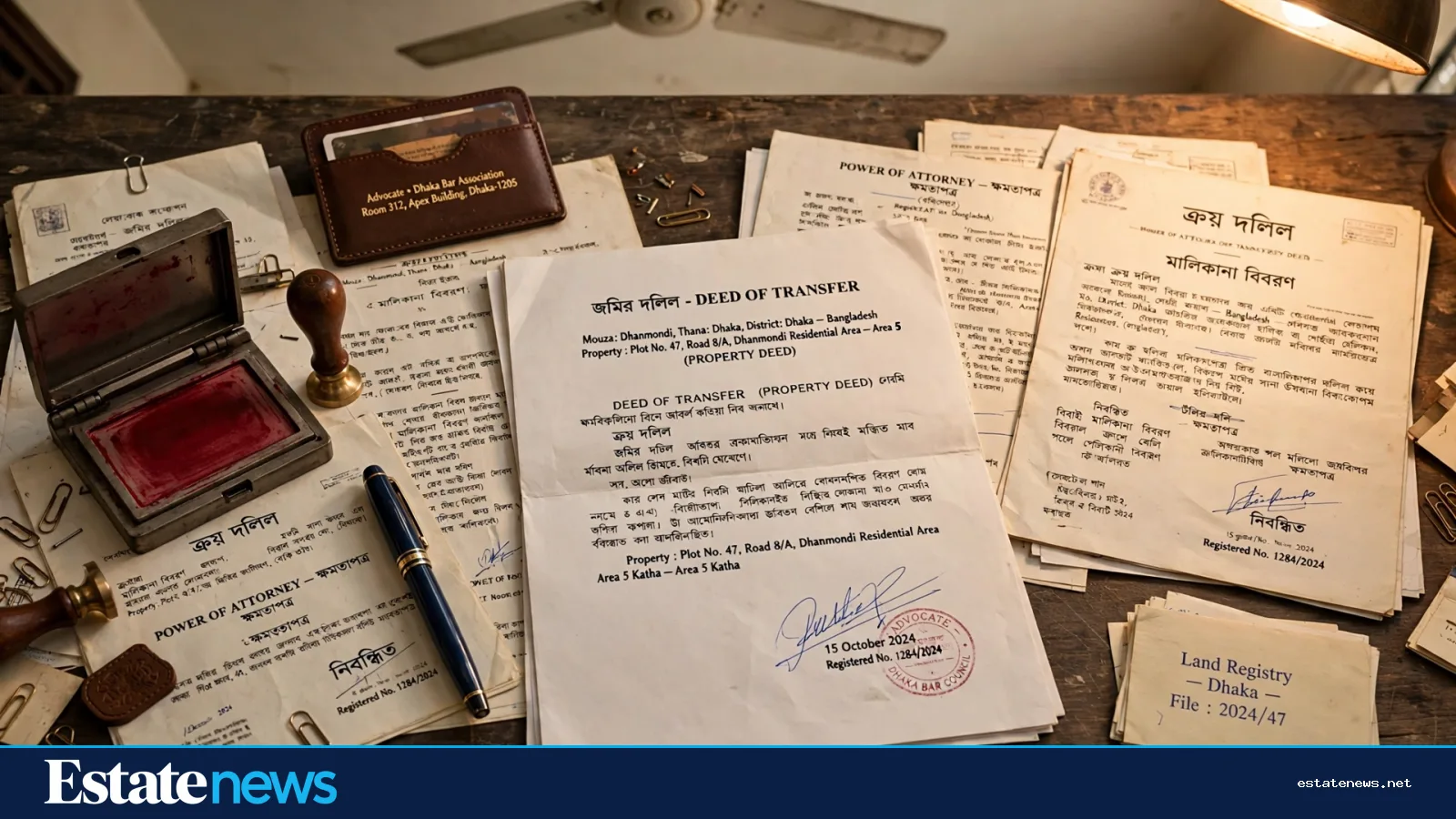
Under the Real Estate Development and Management Act 2010, the landowner and the developer must sign a registered agreement, and the developer is obliged to follow its conditions. Everything else in the relationship flows from that one document. A good agreement names the landowner's flats one by one, by floor and by facing, rather than as a percentage. It sets a handover date and says what happens if the date passes. It writes the finishing specification down to the level of brands and materials, not adjectives. It says who pays the utility connections and the RAJUK fees, and whether the landowner can sell a flat before completion, and on what terms.
Alongside the agreement, the landowner usually signs a registered power of attorney in favour of the developer. Under the Power of Attorney Act 2012, a power of attorney that deals with the sale or transfer of land has to be registered. The document lets the developer apply for approvals, deal with the utility companies and sell the flats in its own share. A well-drafted one is limited to those purposes. It should never give the developer the right to sell or mortgage the flats allocated to the landowner.
The papers and the approval to check first


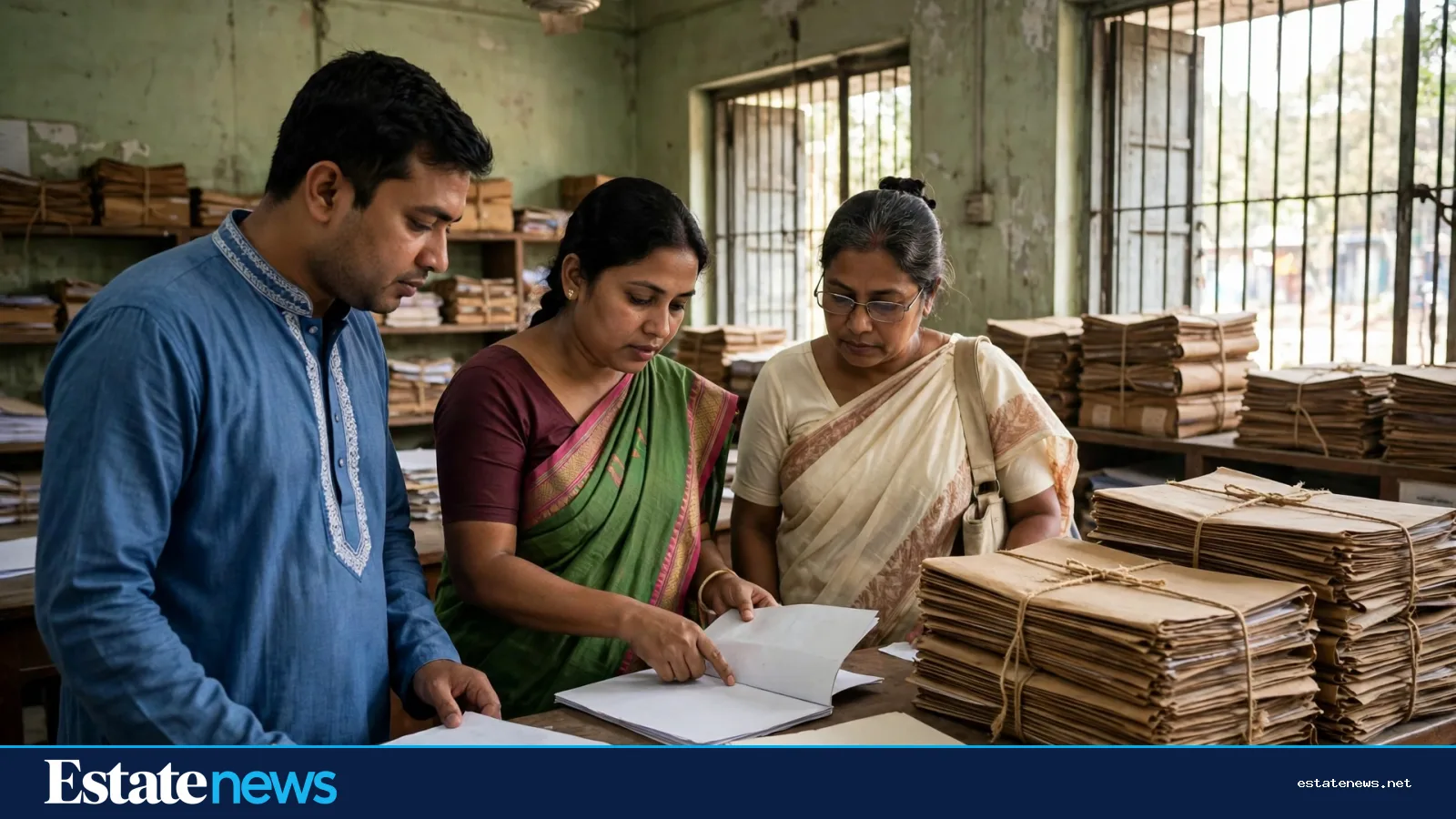
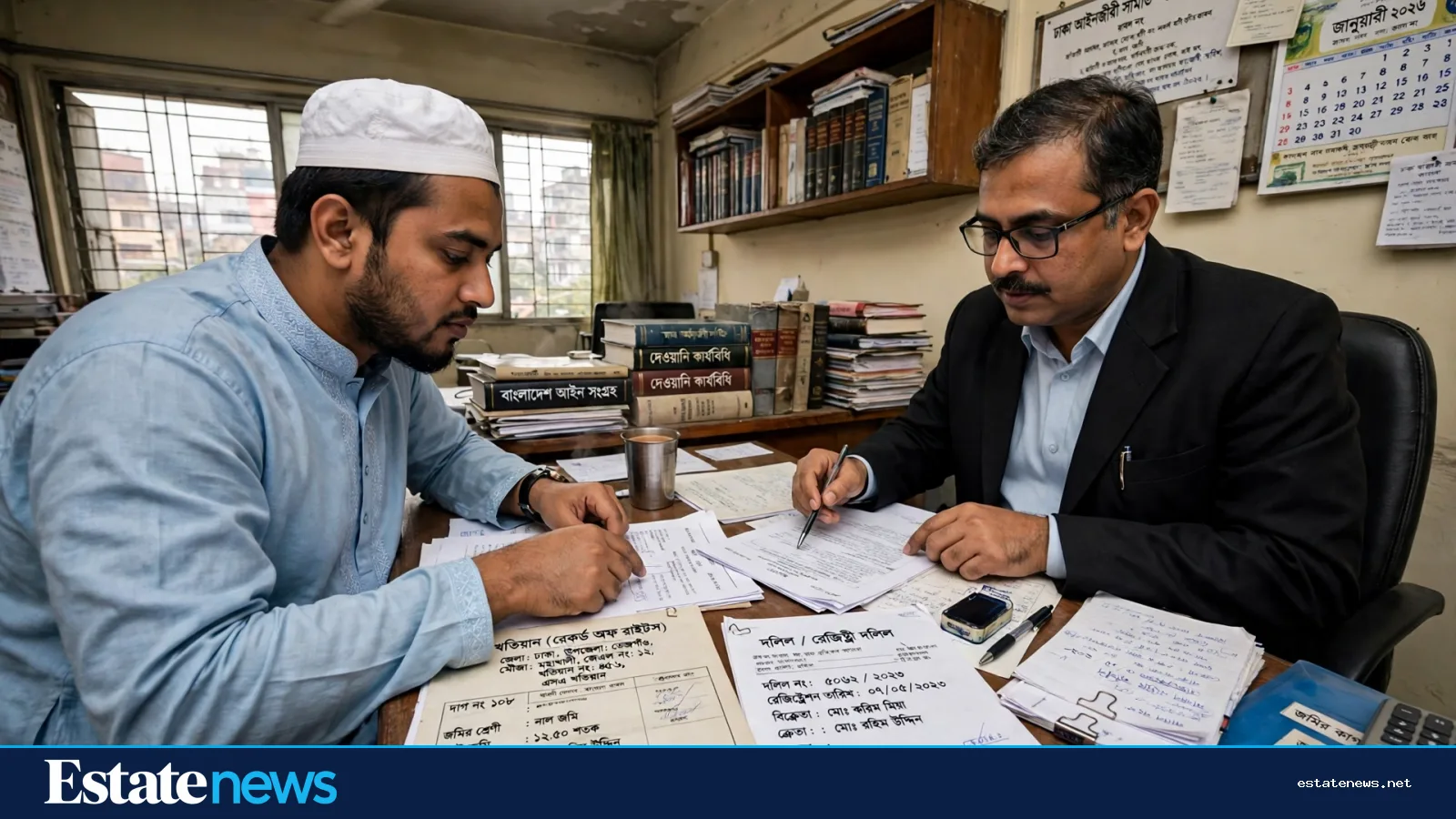
Before anything is signed, the landowner's own title has to be clean. That means the deed, the CS, RS and BS khatian, the mutation record and the tax receipts, checked the way Estate News explained in "How to Verify a Land Title in Bangladesh: The Documents That Matter". Under the Registration Act, the seller's name has to appear in the latest record of rights before a sale deed can be registered, so a gap in the chain of title will come back at registration time if it is not fixed now.
Then comes the building plan. It must be approved by RAJUK in Dhaka, or the relevant authority outside the capital, and the number of floors built has to match the approved plan. Flats on unapproved floors face demolition risk and cannot be safely registered. The developer should also be registered under the 2010 Act, and its record of completed projects and handovers is worth checking with the landowners it has already handed over to. Those owners will say plainly whether the building was finished on time and to the specification promised.
The checks that protect the family after signing
Registration and mutation follow the build, and they are the landowner's protection, not the developer's paperwork. The registration cost that follows a purchase is set out in "Flat Registration Cost in Bangladesh: A Buyer's Guide for 2026", and the same arithmetic applies to the flats a landowner receives. A power of attorney can also help or harm a family, and "Power of Attorney in Property Deals: What It Can and Cannot Do" sets out its limits.
A joint venture asks a landowner to give up control of the construction and accept a timeline it does not set, in exchange for not funding the build and not carrying the risk of it. That trade is fair when the agreement is complete, the title is clean, the plan is approved and the developer has a record of handing over. When any of those four is missing, the landowner is the one who pays. A family plot is usually the largest asset a family owns. It deserves a lawyer's reading before the signature, not after the scaffolding goes up.