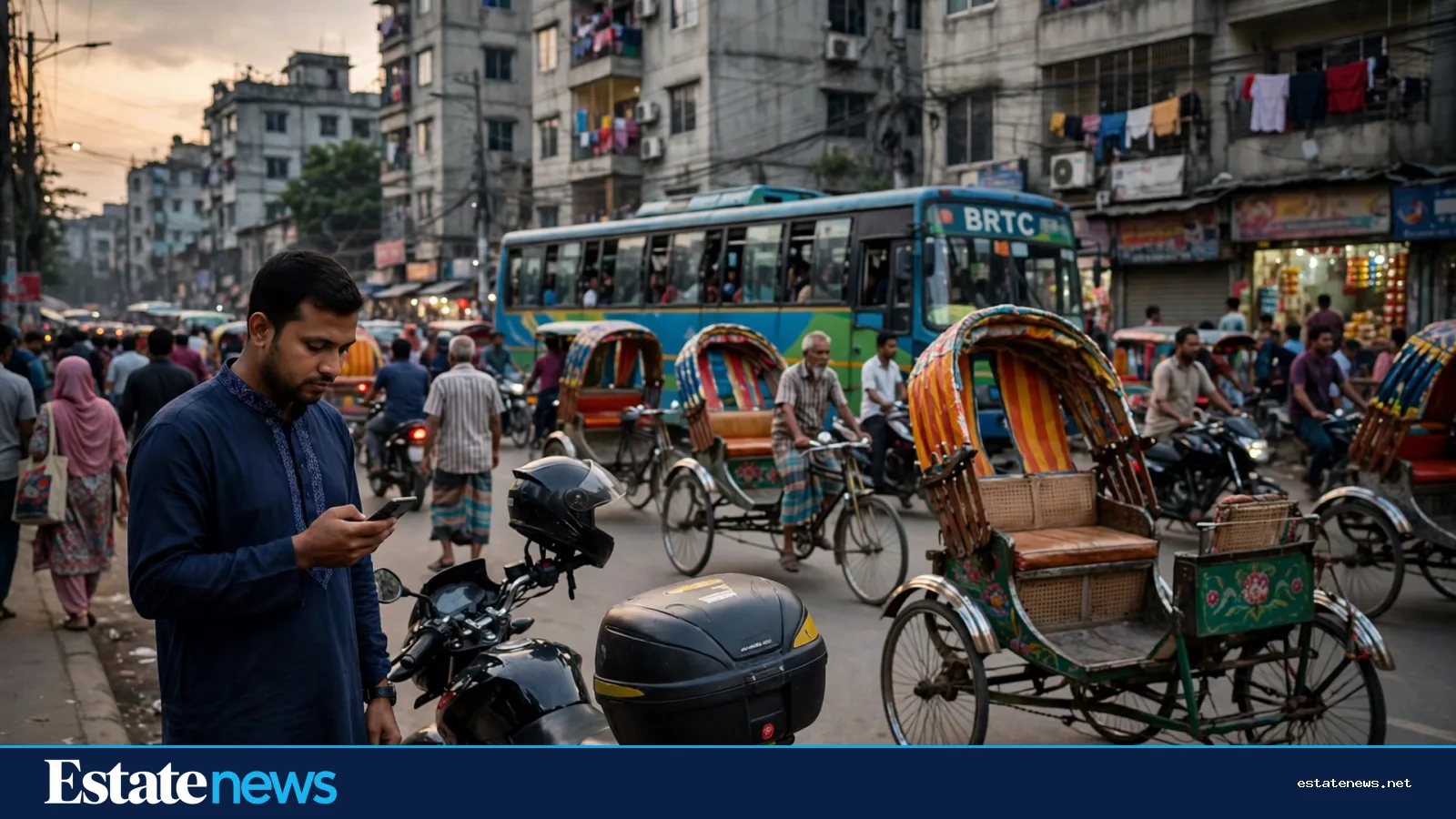
Stand on any busy Dhaka corner at dusk and the change is plain to see. A rider in panjabi checks his phone beside a motorbike. A car with a phone mount pulls up to the kerb. Ten years ago that scene barely existed. Uber launched in Dhaka in November 2016, and this week it marked a decade in Bangladesh with a number that sums up the shift: 212.6 million trips.
The company shared the figures at an event in Dhaka on Monday 23 November, titled "Future of Mobility in Bangladesh: The Next 10 Years". The trips covered more than 1.83 billion kilometres and served 9.04 million riders, according to the company. Around 470,000 people have earned through the platform since 2016, Uber said. What began as cars in Dhaka now runs in three cities, Dhaka, Chattogram and Sylhet, and covers bikes, CNG-run vehicles, intercity travel, rentals and parcel delivery.
A commute you can book from the gate

Before app-hailed rides, a Dhaka commute ran on fixed habits. You walked to the main road, flagged a rickshaw, haggled over the fare, and hoped the bus came on time. The app changed the order of things. The price shows before the ride starts. The car comes to the gate. The trip is logged on the phone.
That matters most in the parts of the city where buses run thin. A flat in a lane off the main road works when a bike can be booked from the doorstep. A late shift at an office in Gulshan or Karwan Bazar ends differently when a car can be called at midnight instead of negotiated with at a dark junction. The metro now carries the heavy load on its own corridor, as Estate News explained in "MRT Line-1: The Underground Metro Redrawing Dhaka's Map", and the app fills the gaps the rail cannot reach.
What the numbers do not say


The 212.6 million trips are the company's own count, and they describe a decade of growth, not a single year. They do not say how many of those trips were cars and how many were bikes. They do not say what a driver earns in a week, or how fares moved over the ten years. Those questions still need answers from the company and from the drivers themselves.
At the anniversary event, a state minister urged the company to bring electric vehicles onto the platform, arguing they would cut costs and fares. Nothing was announced on that front. The call sits with the wider question of what Dhaka's next ten years of movement look like, with the metro expanding, the airport's new terminal under a new operator, as reported in "Terminal 3 Gets Its Operator: A Japanese Consortium Takes Dhaka Airport's Newest Wing", and the city's roads still carrying more vehicles than they were built for.
Where people choose to live
The deeper effect sits in the housing market. A flat's value has always rested on the commute. When a ride can be booked from any lane, the distance from the main road weighs less than it did. Areas that once felt cut off after dark feel closer. Families weighing two very different parts of the city, the kind of choice Estate News set out in "Dhanmondi or Bashundhara: Two Ways to Live in Dhaka", now weigh the app alongside the bus stop and the metro station.
Ten years in, the app is no longer new. It is part of the furniture of Dhaka life, as ordinary as the rickshaw it shares the road with. The next decade will be judged not by trip counts but by whether the ride gets cheaper, cleaner and easier to find at the hour people actually need it.