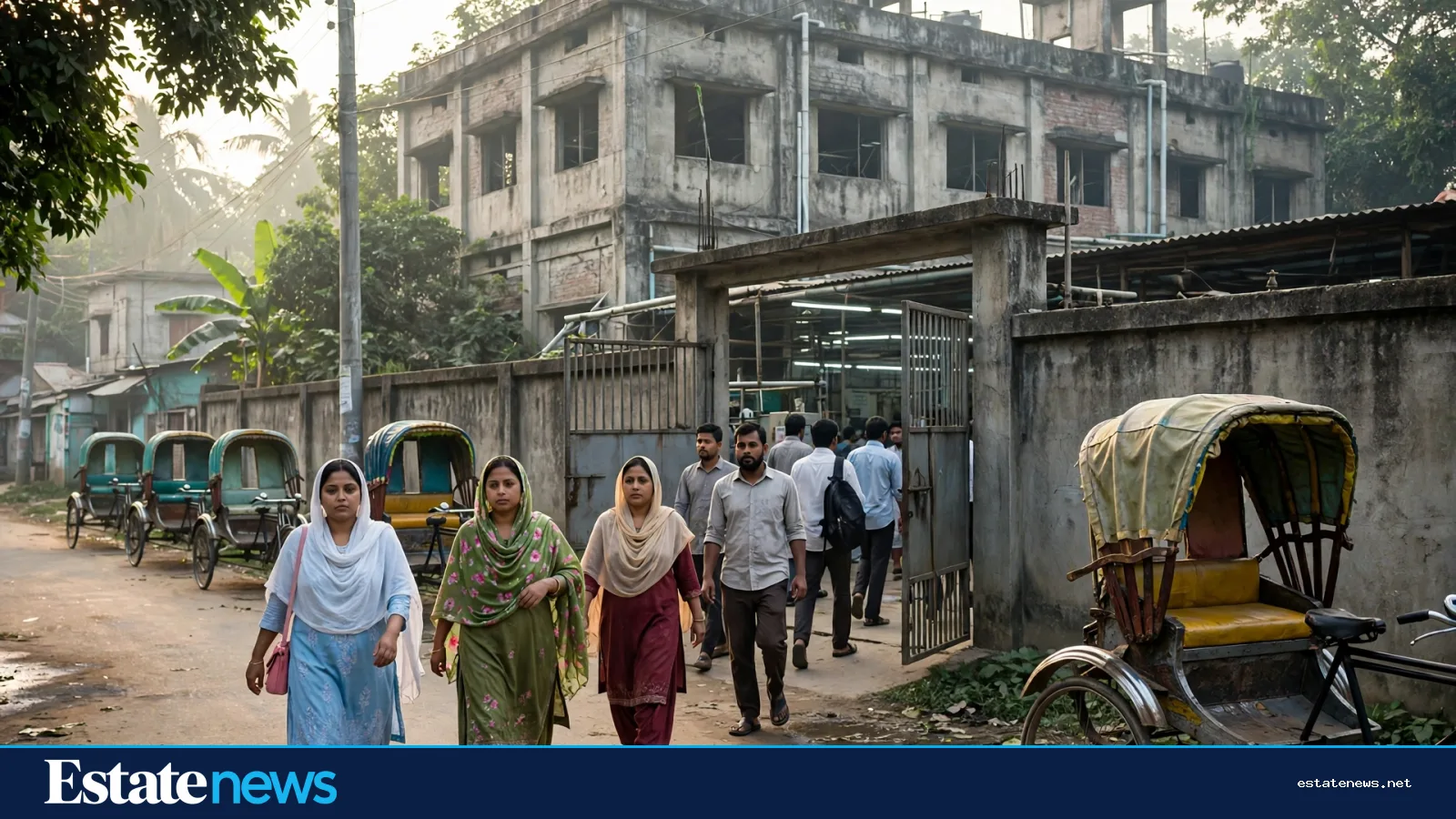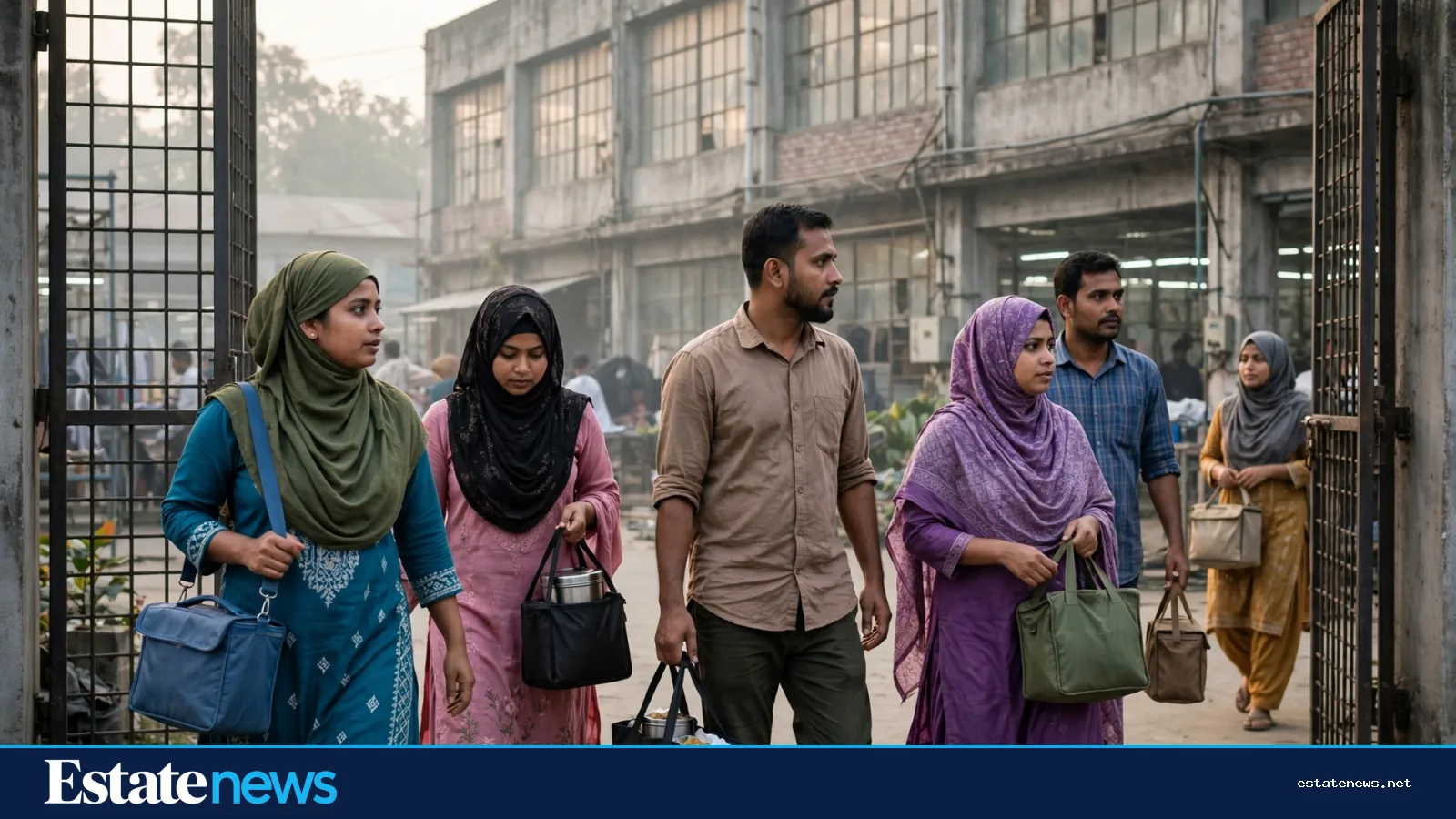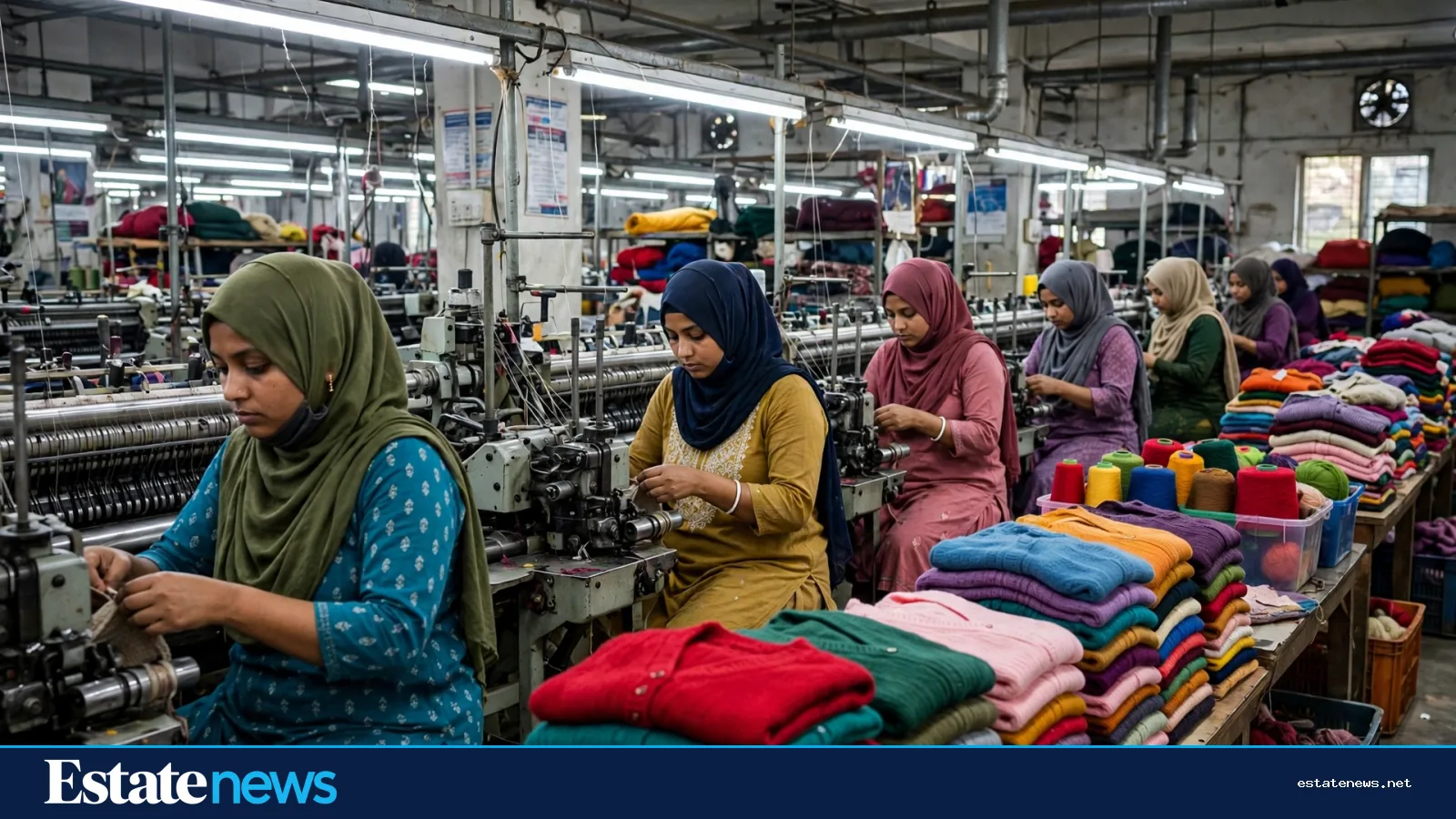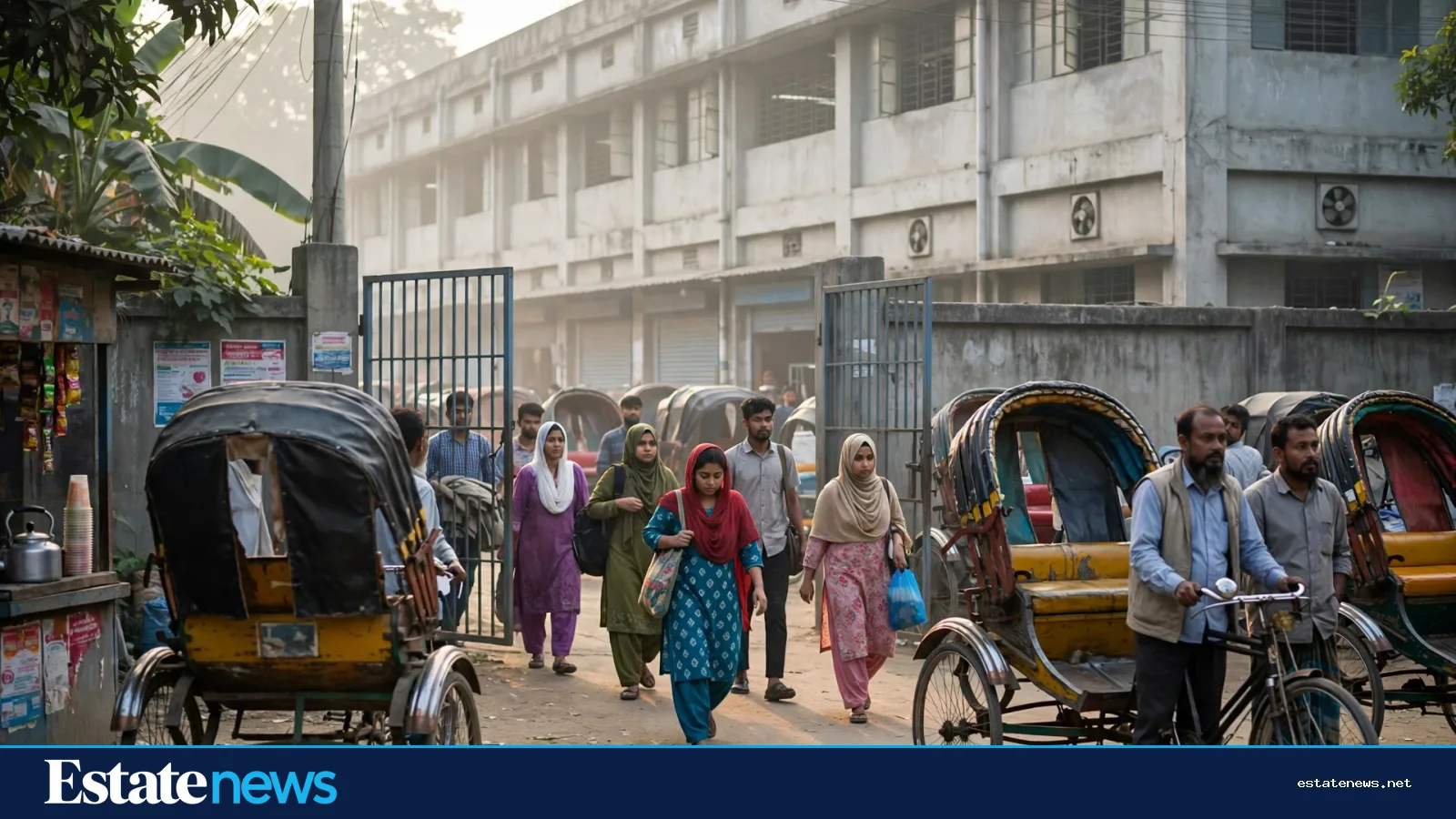
The number that decides the household budget of four million garment workers is now set, at least on paper. Early on Wednesday morning, after nearly twelve hours of talks that ran past 1:30 in the morning, the Minimum Wage Board fixed the garment minimum at Tk 17,000 a month, up from Tk 12,500. That is a rise of Tk 4,500, or 36 percent.
The meeting at the board's office in Segunbagicha began on Tuesday afternoon and ended in the small hours. Four of the six members voted for Tk 17,000. Two voted for the workers' proposal of Tk 18,000. The board's chairman, Syed Azad Subhani, fixed the figure after the vote, according to The Daily Star and The Business Standard.
The grades, from Tk 17,000 to Tk 21,500

The new structure runs across four grades. Grade 1 workers will receive Tk 21,500 a month, up 43 percent from the Tk 15,035 they get under the 2023 structure. Grade 2 moves to Tk 20,000, up 40.11 percent from Tk 14,273. Grade 3 moves to Tk 19,200, from Tk 13,550. Grade 4, the entry grade that covers operators and unskilled workers, is the Tk 17,000 minimum itself.
One figure needs care. The Business Standard alone prints the Grade 3 figure as Tk 19,000. The Daily Star, tob.news and Daily Waadaa all print Tk 19,200, and that is the figure used here. At the Tk 122 exchange rate used by The Business Standard, the new minimum works out to about $139 a month, against about $102 under the old rate.
How the two sides got there


The gap closed slowly. Workers had started the round demanding Tk 32,000, and later lowered that to Tk 22,000. Owners had started at Tk 15,000 and moved up in steps to Tk 15,700 during Monday's session. On Tuesday, owners raised their offer to Tk 17,000 while workers lowered their demand to Tk 19,000, according to The Business Standard. The vote then settled it at the owners' number.
The board itself moved fast by its own standards. The government formed the six-member board on 1 November, and it finalised its proposal in 24 days, the shortest period a wage board has taken to set a new garment minimum, according to information given to The Business Standard. The rise is also the smallest in percentage terms since the first wage structure in 1986, when the minimum was Tk 627. It stood at Tk 5,300 in 2013, Tk 8,000 in 2018 and Tk 12,500 in 2023.
What December means for a worker's household
The proposal still needs approval from the Labour Ministry, which can raise the rates before issuing the official notification. The new structure is expected to take effect from December, with workers receiving the higher pay in their January 2027 salaries, after the gazette is issued.
For a Grade 4 worker in Gazipur or Savar, Tk 4,500 more a month is rent money. It covers a share of the room rent in a factory town, or the month's bazaar for a small family, or the school costs of a child. It does not settle the argument. Workers are still demanding Tk 30,000, and the board's own vote showed the split inside the room. Production was suspended at 481 factories in Savar, Gazipur, Mirpur and other areas during the unrest around the talks, according to factory owners.
Owners, through the BGMEA and the BKMEA, are also asking for the system itself to change. They want no more wage boards, and an inflation-linked annual increment formula instead, according to The Business Standard. That debate will run on after the gazette. For now, the figure is fixed, the ministry holds the pen, and December is the month that matters. Estate News followed the board through its meetings in "The Garment Wage Board Meets Today With Three Numbers on the Table", and the export earnings behind the whole argument in "The Garment Sector Kept $6.77 Billion This Quarter. That Is the Real Number". The small businesses that supply the factories, and the jobs they promise, are the subject of "25,000 New Entrepreneurs in Four Years: What the SME Policy Promises". A worker's extra Tk 4,500 will be spent in the same factory towns where those small businesses trade, and that is where the new wage will first be felt.