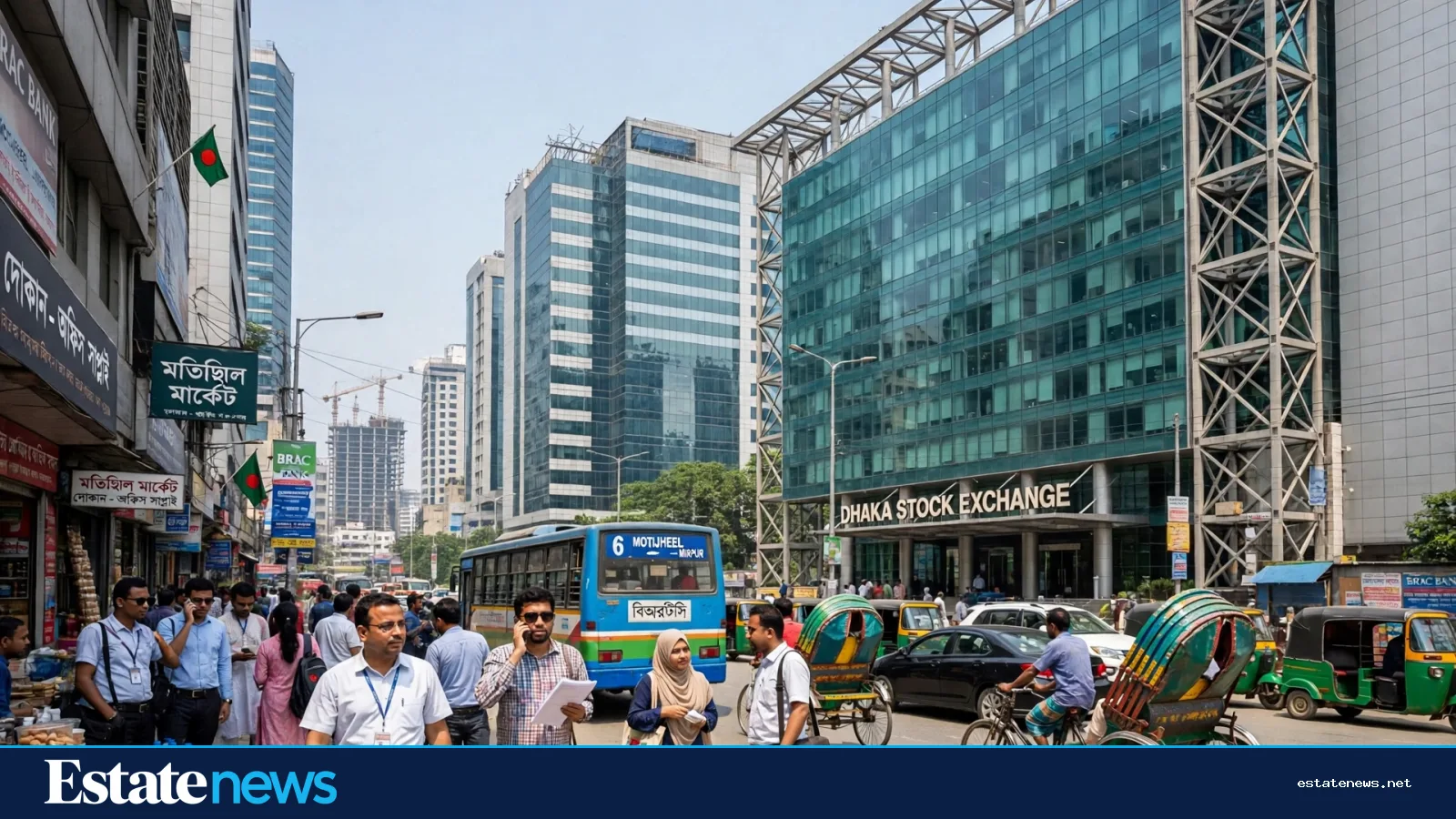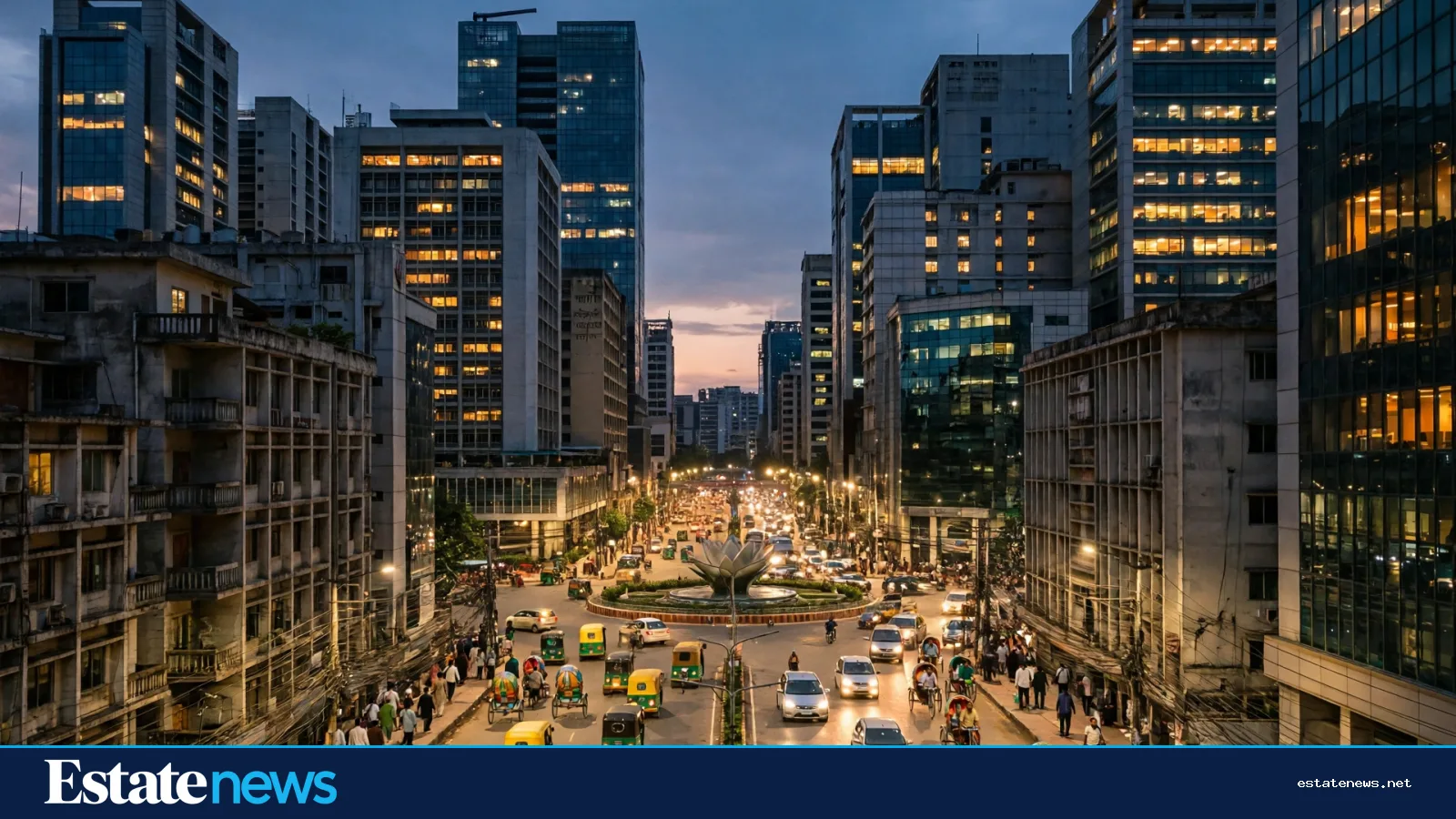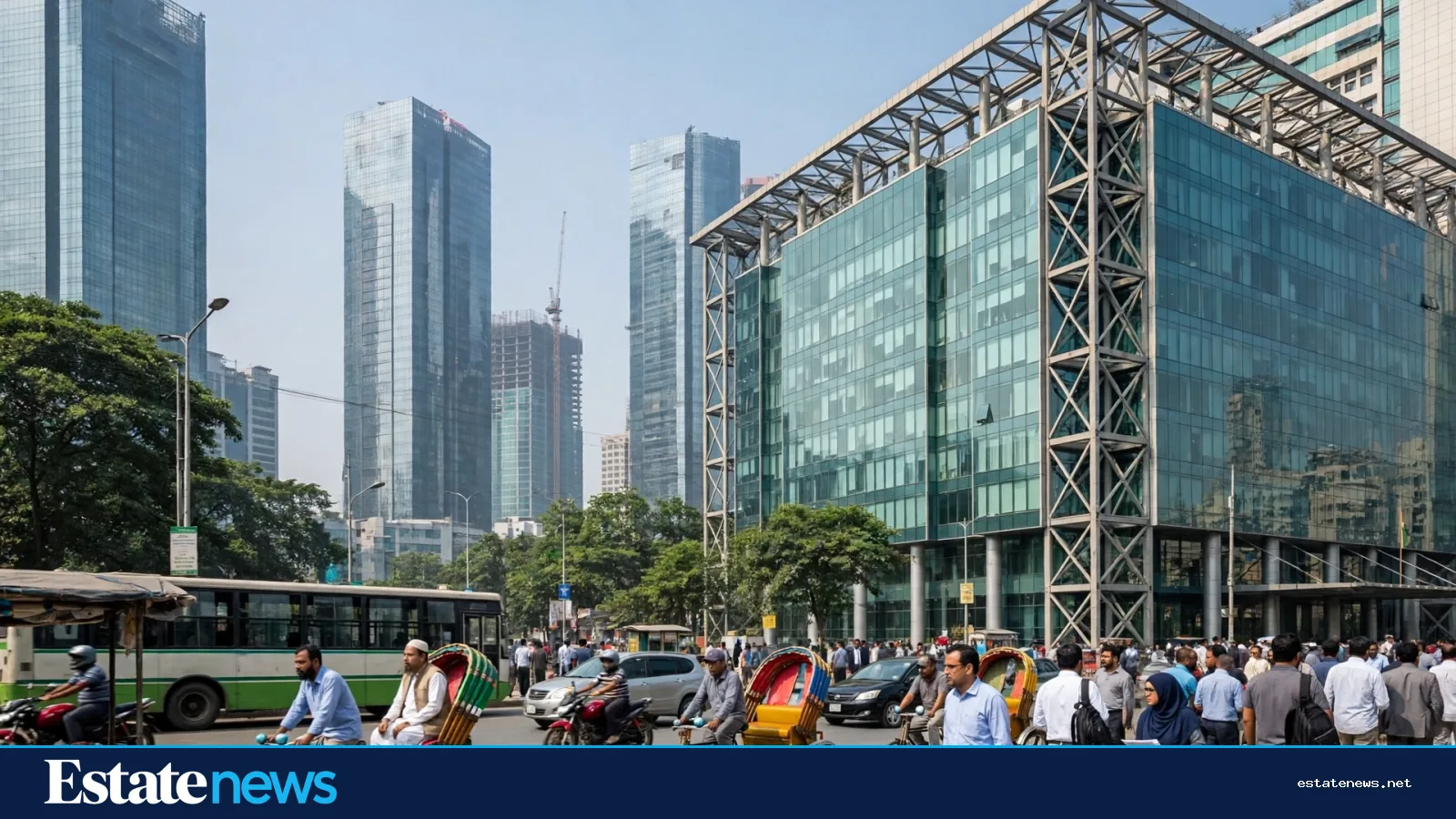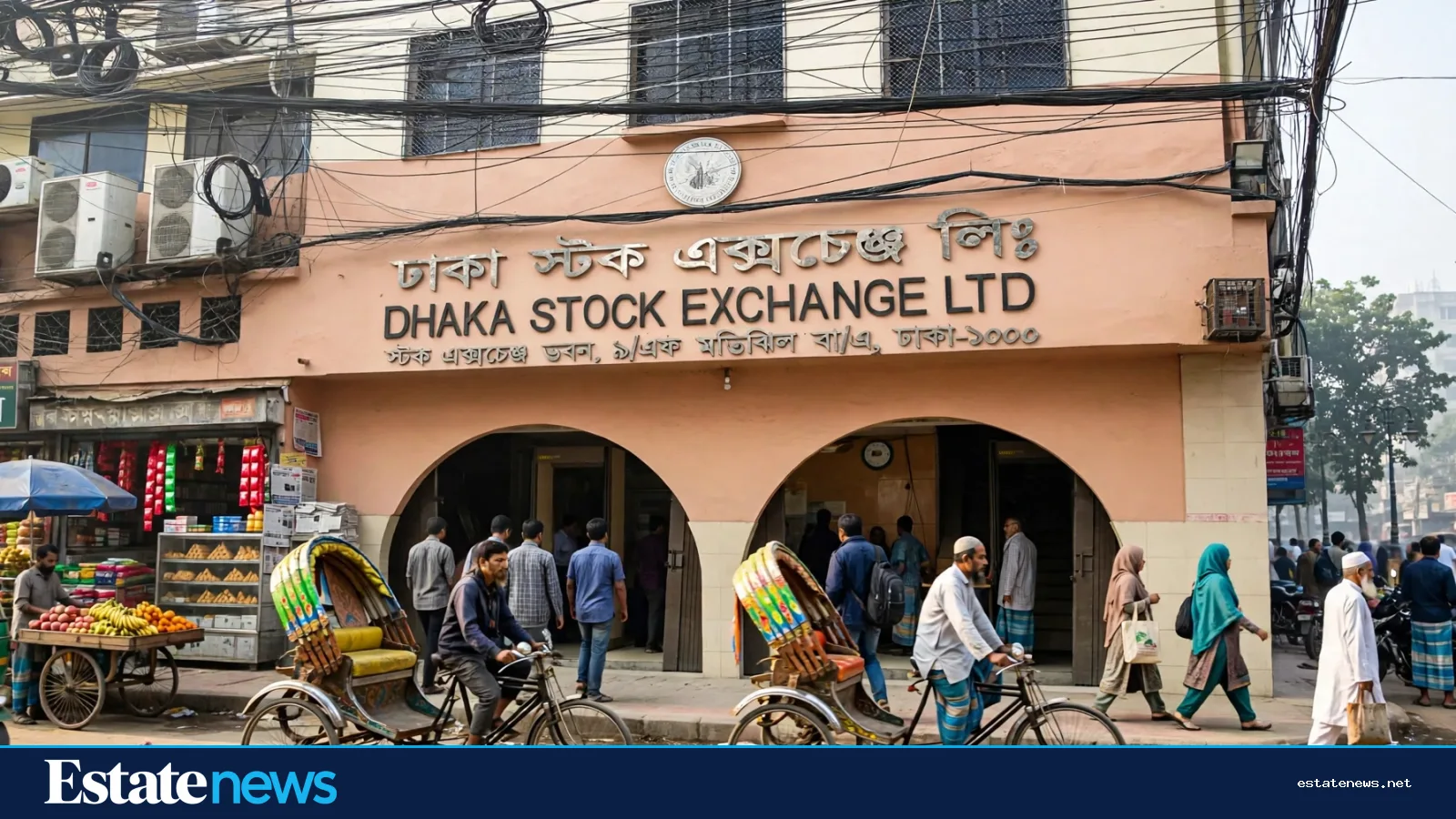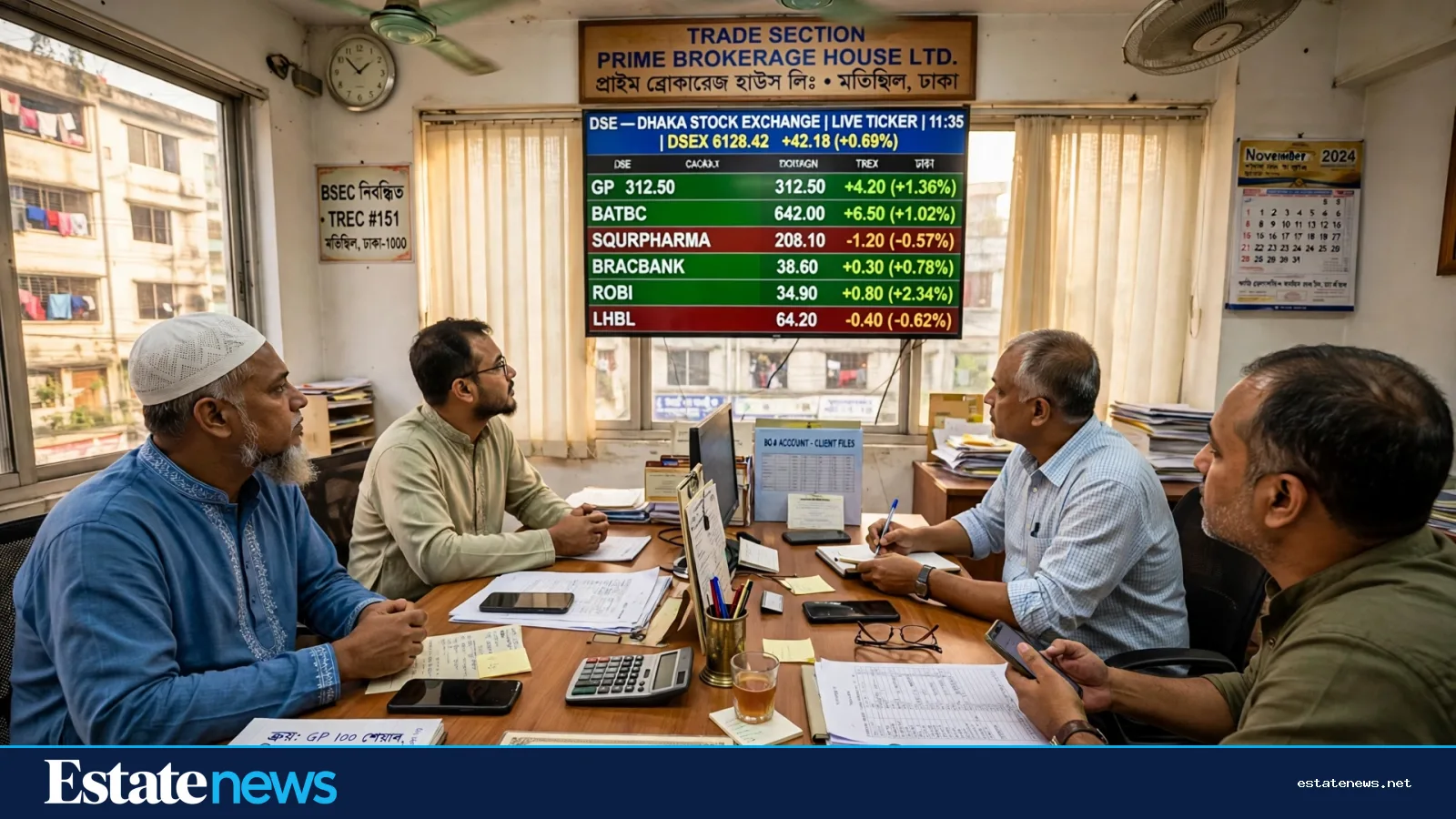
The door that shut in May has opened again. The Bangladesh Securities and Exchange Commission decided at its regular meeting on Tuesday, 24 November, to cut the minimum portfolio for trading on the stock market's SME platform from Tk 30 lakh to Tk 10 lakh. The meeting was chaired by Chairman Masud Khan, and the change takes effect once the regulator issues a revised directive.
That directive is coming soon, according to BSEC executive director and spokesperson Md Abul Kalam. "Once the directive takes effect, investors with a portfolio of Tk 10 lakh will be eligible to trade on the SME market," he told The Business Standard. Until the paper is issued, the old Tk 30 lakh bar still stands, so nobody should walk into a brokerage house tomorrow expecting to trade.
The cut matters because the SME board was built for small companies and small investors, and the entry price had drifted far from that idea. The board lets small and medium enterprises raise capital from the market instead of depending only on bank loans. Trading on the Dhaka Stock Exchange began on 30 September 2021 with six companies, and the platform was launched in September 2019 under the Qualified Investor Offer Rules finalised in November 2018.

A threshold that keeps moving
This is the third time the number has changed in less than a year, and the history shows why investors should read the rule rather than assume it. The regulator first set the bar at Tk 50 lakh in September 2021. It came down to Tk 20 lakh in February 2022, then rose to Tk 30 lakh that July. In January 2026 it was cut to Tk 10 lakh, in line with the eligibility rules for qualified investor offers, before being restored to Tk 30 lakh on 19 May. Now it returns to Tk 10 lakh.
The market liked the news at once. On Tuesday the SME index rose 64 points to 1,016, turnover reached Tk 9.10 crore, and the shares of 19 companies advanced. That is a one-day reaction, not a verdict. The board's own record explains why. According to the Dhaka Stock Exchange annual report for 2024-25, the SME board had 20 listed companies as of 30 June 2025, with a combined market capitalisation of around Tk 2,108 crore, and no new company was listed on the platform in 2025.
Small board, thin trading


Thin trading is the board's oldest problem. In 2025 the SME index, DSMEX, fell more than 21 percent to around 855 points, while average daily turnover stood at about Tk 5 crore. When few buyers and sellers show up, shares do not trade regularly, and an investor who wants to sell can struggle to find a buyer at a fair price. A lower entry bar brings more people to the door, but it does not by itself bring more shares to trade.
Disclosure is the other worry. In May 2024 market brokers asked for a review of the listing rules, arguing that SME-listed companies were not required to publish quarterly financial statements the way main-board companies are. That left investors with less timely information about a small company's health. In August 2024 a group of SME investors put a 13-point demand to the regulator and the exchanges, seeking regular disclosures, timely dividend payments, action against irregularities and margin loan facilities for SME shares.
What a Tk 10 lakh investor should do
For an investor with a portfolio near Tk 10 lakh, the practical meaning is simple. Once the directive is issued, the SME board becomes an option that was closed to them since May. It is not an invitation. Small-company shares can move sharply on little news, and on this board a share can sit unsold for days. Anyone considering it should look at the company's own filings first, check how often its shares actually trade, and put only money they can afford to leave alone into it.
Estate News has tracked the market's plumbing through the year, from the move to faster settlement explained in "DSE Moves to T+1: Your Shares and Money Will Settle a Day Faster From 4 January" to the debate about the shape of the banking system in "Bangladesh Does Not Need 60 Banks: The Reform Debate at FinX Connect". The small-business side of the same story runs through "25,000 New Entrepreneurs in Four Years: What the SME Policy Promises".
The regulator's decision widens the gate. Whether the board itself becomes a healthier place to invest will depend on what follows: new listings of decent companies, regular financial statements, and trading deep enough that a small investor can get in and out without a struggle. This article is general information, not financial advice, and the rules described here apply once the revised directive is issued.