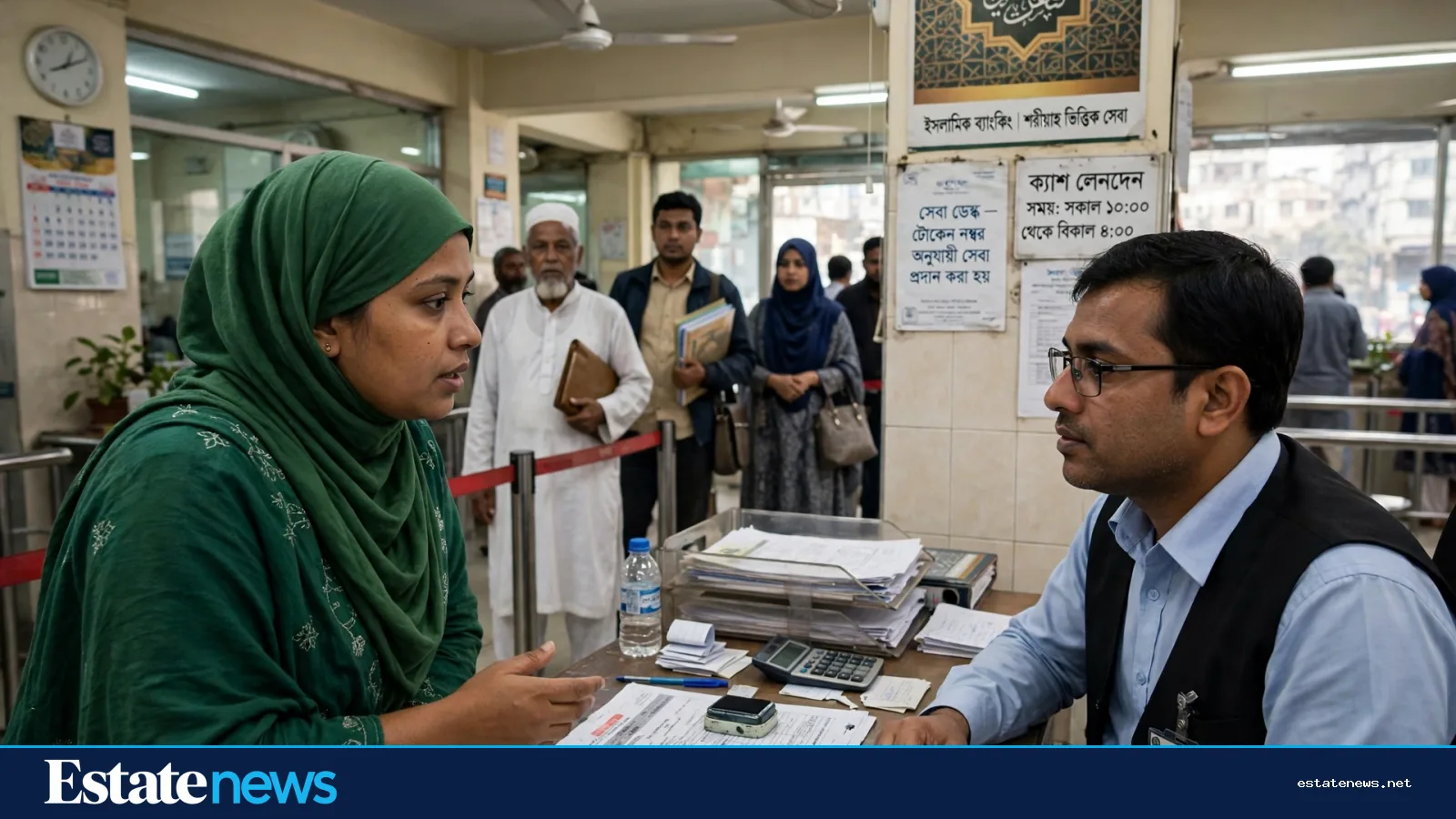
Islamic banks in Bangladesh have a problem that has nothing to do with demand. Their depositors keep coming, but the banks have too few places to put the money that follow Shariah rules. On Tuesday, Bangladesh Bank said it would do something about it. The central bank plans to issue Bangladesh Government Investment Sukuk worth Tk 32,000 crore in the 2026-27 fiscal year, to ease the liquidity pressure on Islamic banks and widen the market for Shariah-compliant investment.
Deputy Governor Md Kabir Ahmed disclosed the plan at the Bangladesh Islamic Finance Summit 2026 in Dhaka on Tuesday, according to The Business Standard and the Financial Express. The issuance is meant to address the shortage of Shariah-compliant investment instruments and improve liquidity management in Islamic banks, while supporting the wider reform of Islamic banking.
What a sukuk is, in plain terms

A sukuk is a certificate that gives its holder a share in an asset, or in the income that asset earns. The government raises money by issuing the certificates, and the return to holders comes from the underlying asset rather than from interest. That structure is what makes it acceptable under Shariah law, where interest is not permitted. For an Islamic bank, a government sukuk is the closest thing to a government bond: a safe place to park surplus funds and earn a return without breaking its rules.
The shortage has been real. The government has raised Tk 48,000 crore through sukuk of various tenures so far, and demand has run far ahead of supply. The first short-term sukuk, a 273-day issue auctioned in June, drew bids of Tk 56,607 crore against a target of Tk 5,500 crore, according to the Daily Star. Ten times the paper on offer, and still not enough. The minimum investment in that issue was Tk 10,000, which put it within reach of an ordinary saver, not only institutions.
Why the banks need it now


Islamic banks hold a large share of the country's deposits, and they have had nowhere to invest the surplus. When a bank cannot place its funds, it cannot lend freely, and the squeeze reaches the customer in the form of slower financing and thinner returns. A Tk 32,000 crore issue gives those banks room to breathe, and it gives Bangladesh Bank a tool to manage liquidity in a part of the system that conventional bonds cannot reach.
The sukuk plan sits inside a wider clean-up. Bangladesh Bank has merged five troubled Islamic banks as part of its restructuring, to protect depositors, strengthen governance and restore public confidence, the deputy governor said. A standalone Islamic Banking Act is being worked on, drawing on the experience of Malaysia, Pakistan and Indonesia. The central bank has set up a dedicated Islamic Banking Regulation and Policy Department and an apex Shariah Supervisory Committee, and it is updating its guidelines for Murabaha, Bai and Hire Purchase under Shirkatul Melk.
What it means for a depositor, and for a home buyer
For a depositor in an Islamic bank, the effect is indirect but real. A bank that can invest its surplus safely can manage its funds better, and that steadies the returns on deposits and the flow of financing. For a home buyer using Islamic finance, the same logic applies. The funding behind a home loan has to come from somewhere, and a deeper sukuk market makes that funding cheaper and more reliable.
The Tk 32,000 crore is a plan for the fiscal year, not money already raised, and the auctions will show whether demand stays as strong as it was in June. But the direction is clear. Islamic banking in Bangladesh is getting its own funding market, its own law and its own regulator inside the central bank. The Tk 1,500 crore fund for bank borrowers, and who can use it, is in "Bangladesh Banks' Tk 1,500 Crore Fund: Who Can Borrow and at What Rate". The clean-up behind the sukuk, and what it means for home borrowers, is in "A Third of Bank Loans Is Now Bad. What the Cleanup Means for Home Borrowers". And the cost of the government's own borrowing abroad is in "Bangladesh's First Dollar Bond May Cost 8.5 Percent. Here Is Why That Matters". A depositor who keeps money in an Islamic bank should watch the sukuk auctions the way a conventional saver watches the bond market. They are the same signal, in a different language.