The headline number is settled. The detail that decides what a worker actually takes home is not. The Minimum Wage Board has fixed the garment minimum at Tk 17,000 a month, and the four grades are now public. But how much of that Tk 17,000 counts as basic pay, and how much as house rent, was still to be decided when the board sat down on Wednesday. No outcome of that meeting had been published by the time this article was written, and the split remains open.
The grades, confirmed by Prothom Alo, the Dhaka Tribune and tob.news, run like this. Grade 1, covering senior operators, moves to Tk 21,500 a month, up Tk 6,465 from Tk 15,035, a rise of 43 percent. Grade 2, covering operators, moves to Tk 20,000, up Tk 5,727 from Tk 14,273. Grade 3, covering junior operators, moves to Tk 19,200, up Tk 5,650 from Tk 13,550. Grade 4, the entry grade for operators and unskilled workers, is the Tk 17,000 minimum itself, up Tk 4,500 from Tk 12,500, a rise of 36 percent.
Three of the grades were settled unanimously. Only the lowest grade went to a vote, and it went 4-2. The board's chairman, Syed Azad Subhani, fixed the figure after the vote, in a meeting that ran from Tuesday afternoon until around 1:30 on Wednesday morning.

How the two sides got to Tk 17,000
The gap closed slowly, and not in a straight line. Workers had started the round demanding Tk 30,000. By Tuesday they had lowered that to Tk 22,000, then to Tk 19,000, then to Tk 18,000. Owners began at Tk 15,700 during Monday's session, raised their offer to Tk 17,000 on Tuesday, then briefly cut it back to Tk 16,000 before the chairman called the vote. The vote settled it at the owners' number.
At 4:00 on Wednesday morning, Subhani told journalists the board would meet later that day to finalise how much of the total wage would be basic pay and how much would be house rent. That split is where the money is felt. Basic pay decides overtime, festival bonuses and gratuity. House rent decides how much of the wage is tied to where a worker lives. Until the board publishes it, no worker can work out exactly what the new wage is worth.


What Tk 17,000 means in a factory town
The new structure takes effect on 1 December, with workers receiving the higher pay in their January 2027 salaries, after the gazette is issued. The proposal still needs approval from the Labour Ministry, which can raise the rates before issuing the official notification. That means Tk 17,000 is the board's figure, not yet the law. It is a proposal waiting for the ministry's pen.
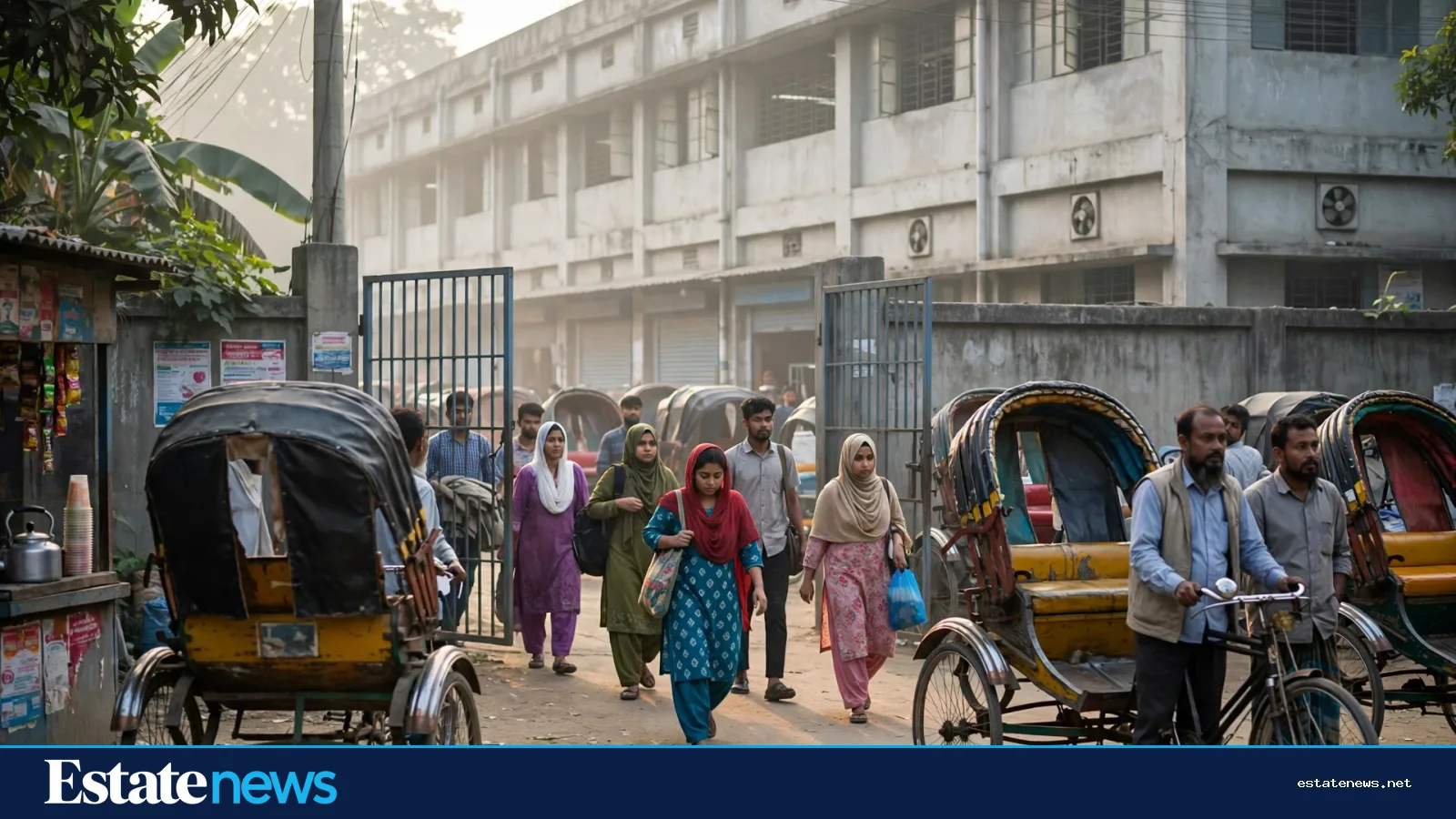
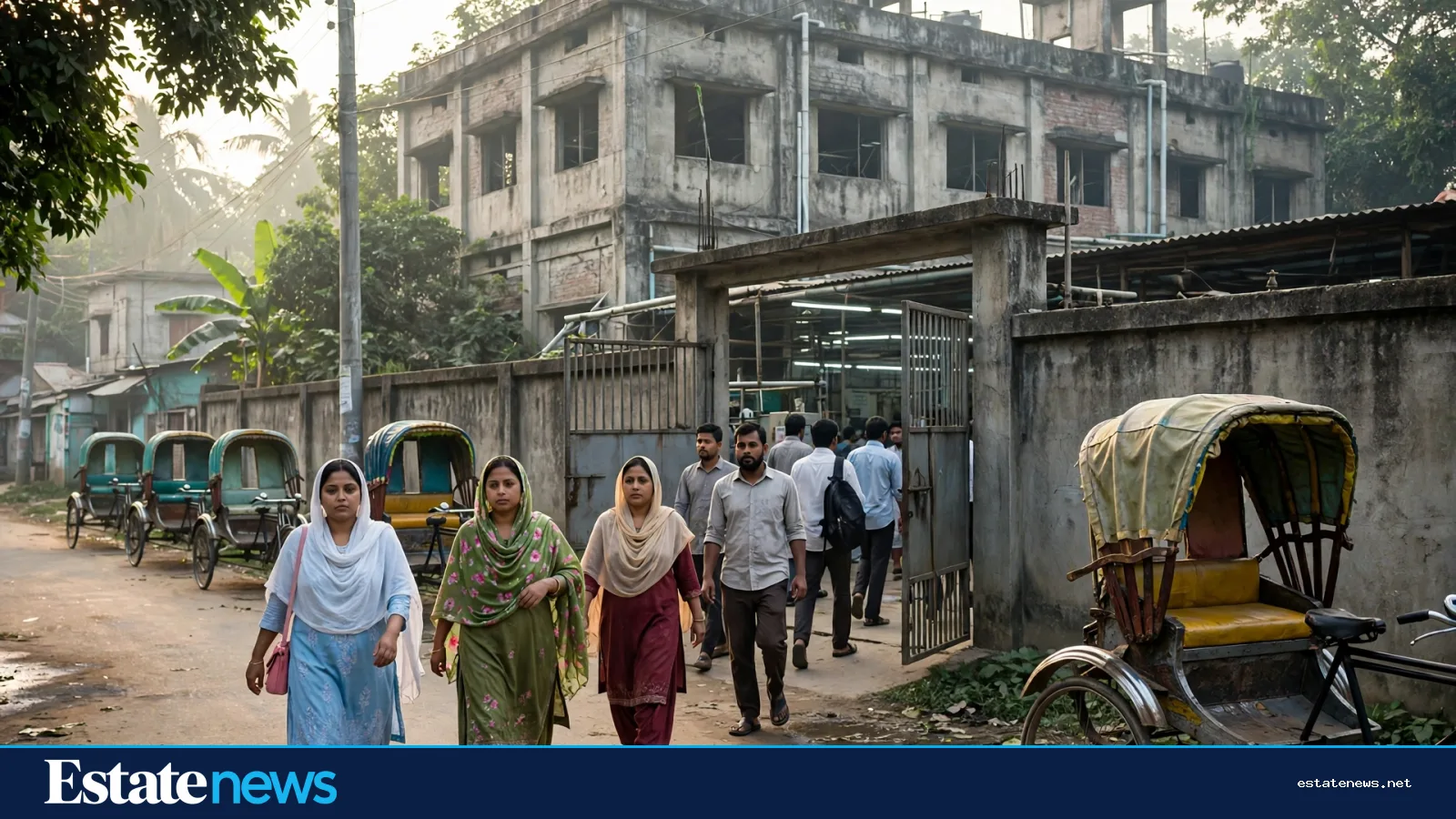
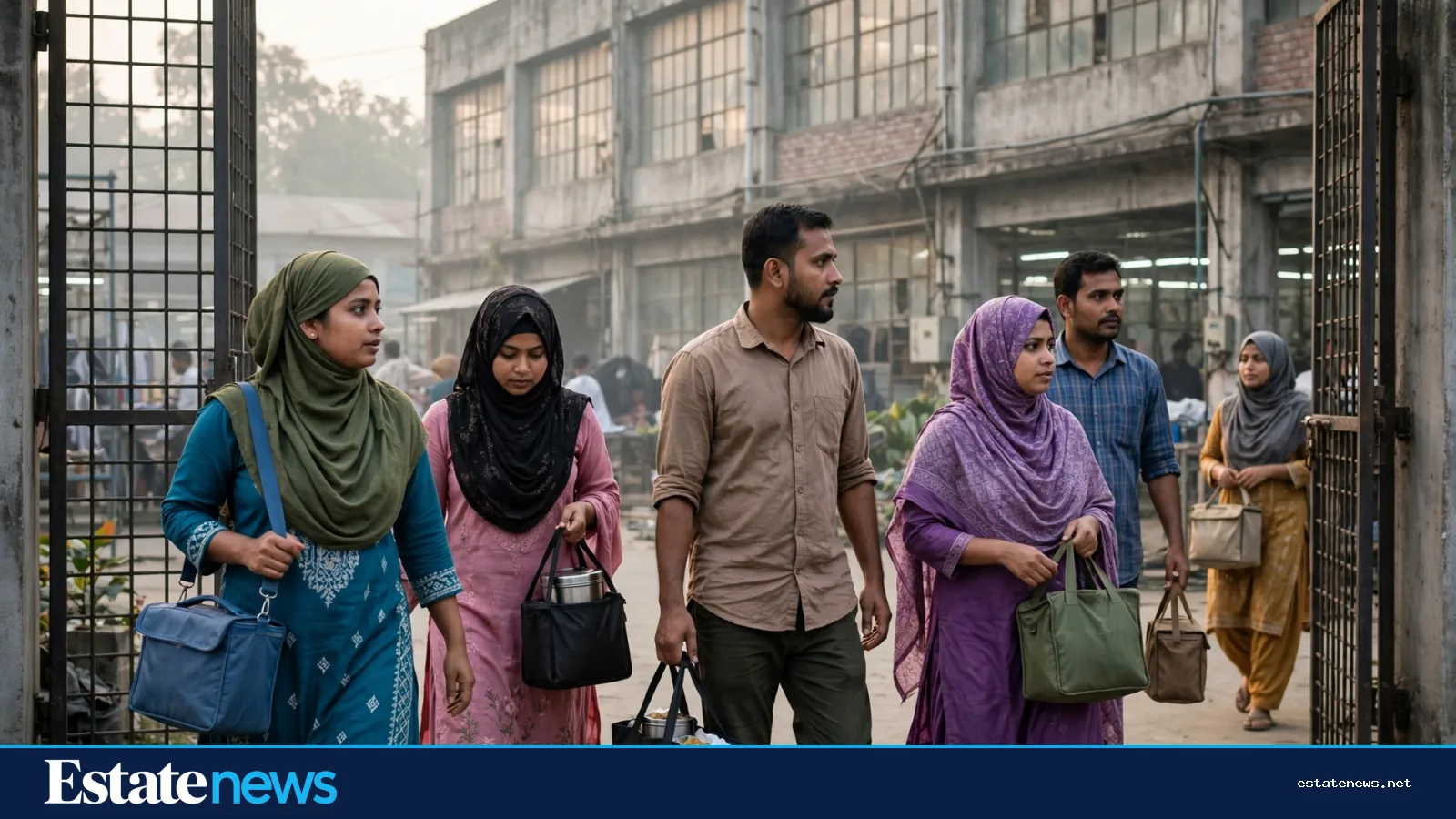
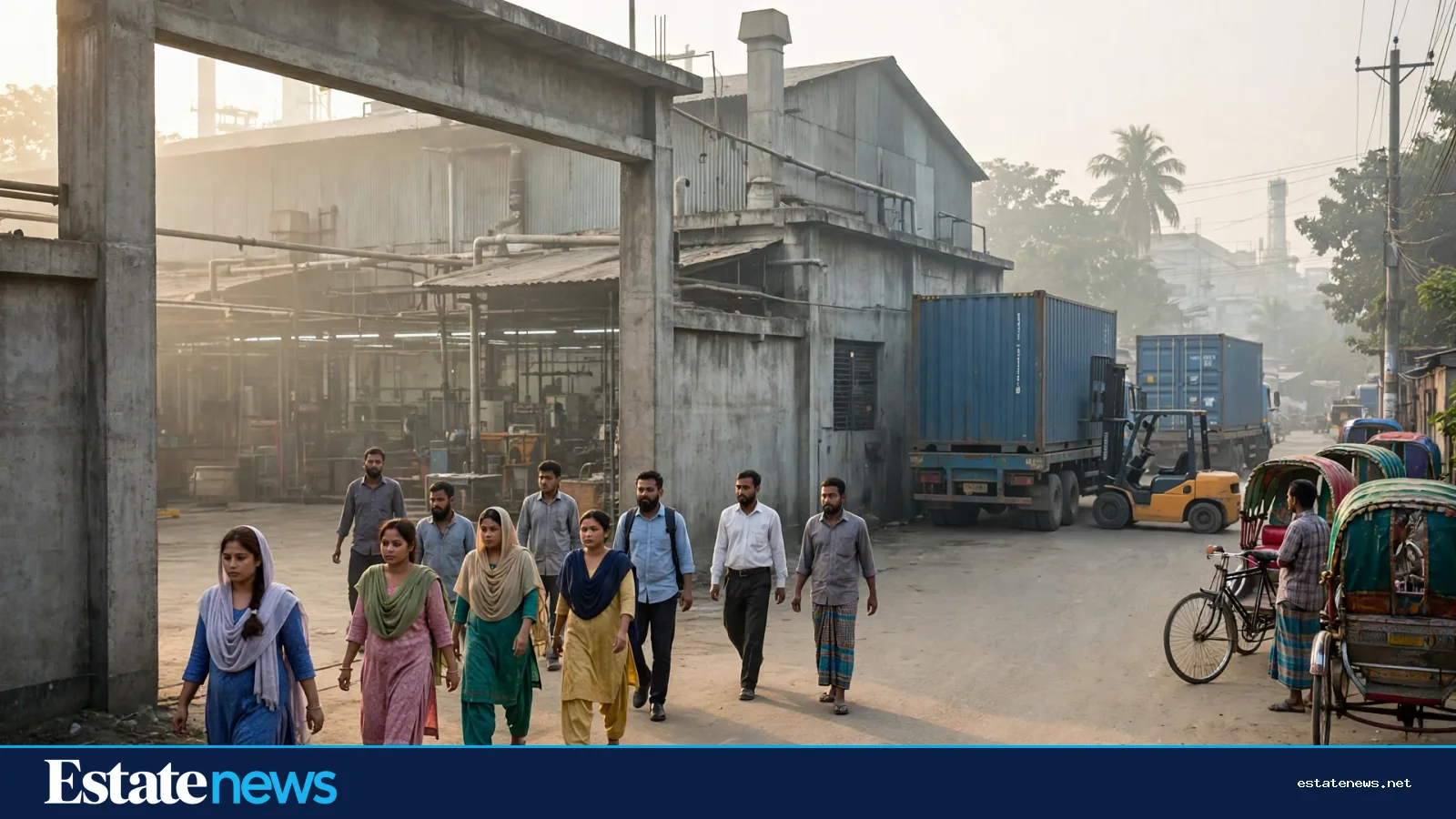
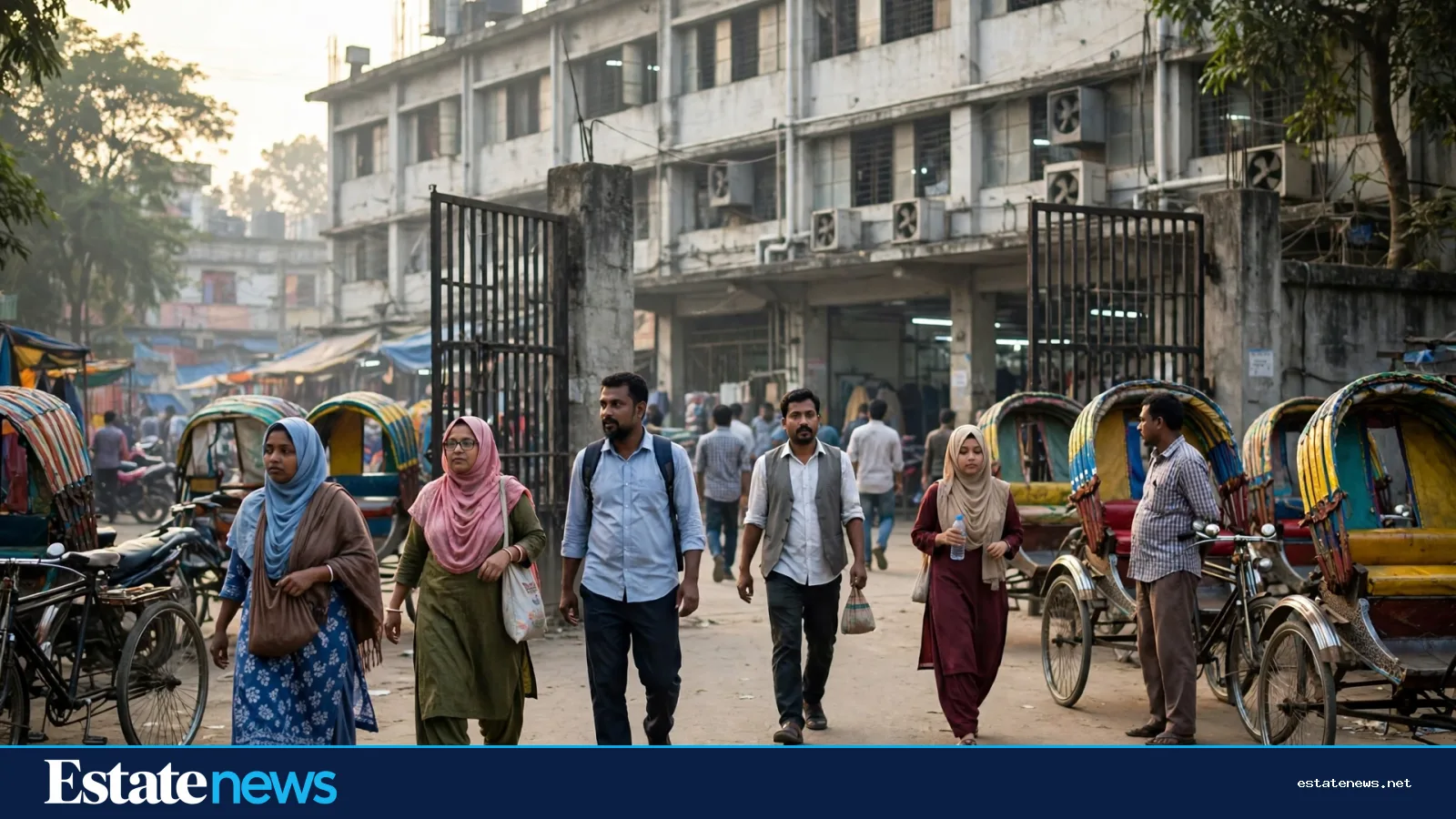
For a Grade 4 worker in Gazipur or Savar, Tk 4,500 more a month is rent money. It covers a share of the room rent in a factory town, or the month's bazaar for a small family, or a child's school costs. It does not settle the argument. The workers' side is still demanding more, and the board's own vote showed the split inside the room. Reuters reported fresh clashes on the outskirts of Dhaka after the decision. The unrest has already cost the industry, by the BGMEA's own account, an estimated $428 million in losses, with orders worth $254 million shifted to other countries.
What happens next
Three things now decide how this ends. The first is the basic-pay split, due from the board's Wednesday meeting. The second is the Labour Ministry's approval and the gazette, which makes the figure law. The third is whether the workers' demand for more, and the owners' call for an inflation-linked annual increment instead of another wage board, turn into a longer argument or a settlement.
Estate News covered the decision itself in "Tk 17,000: The Wage Board Sets the Garment Minimum, Up 36 Percent", and the meeting that led to it in "The Garment Wage Board Meets Today With Three Numbers on the Table". The small businesses that supply the factories, and the jobs they promise, are the subject of "25,000 New Entrepreneurs in Four Years: What the SME Policy Promises". A worker's extra Tk 4,500 will be spent in the same factory towns where those small businesses trade. That is where the new wage will first be felt, and where the split, when it is finally published, will first be counted.