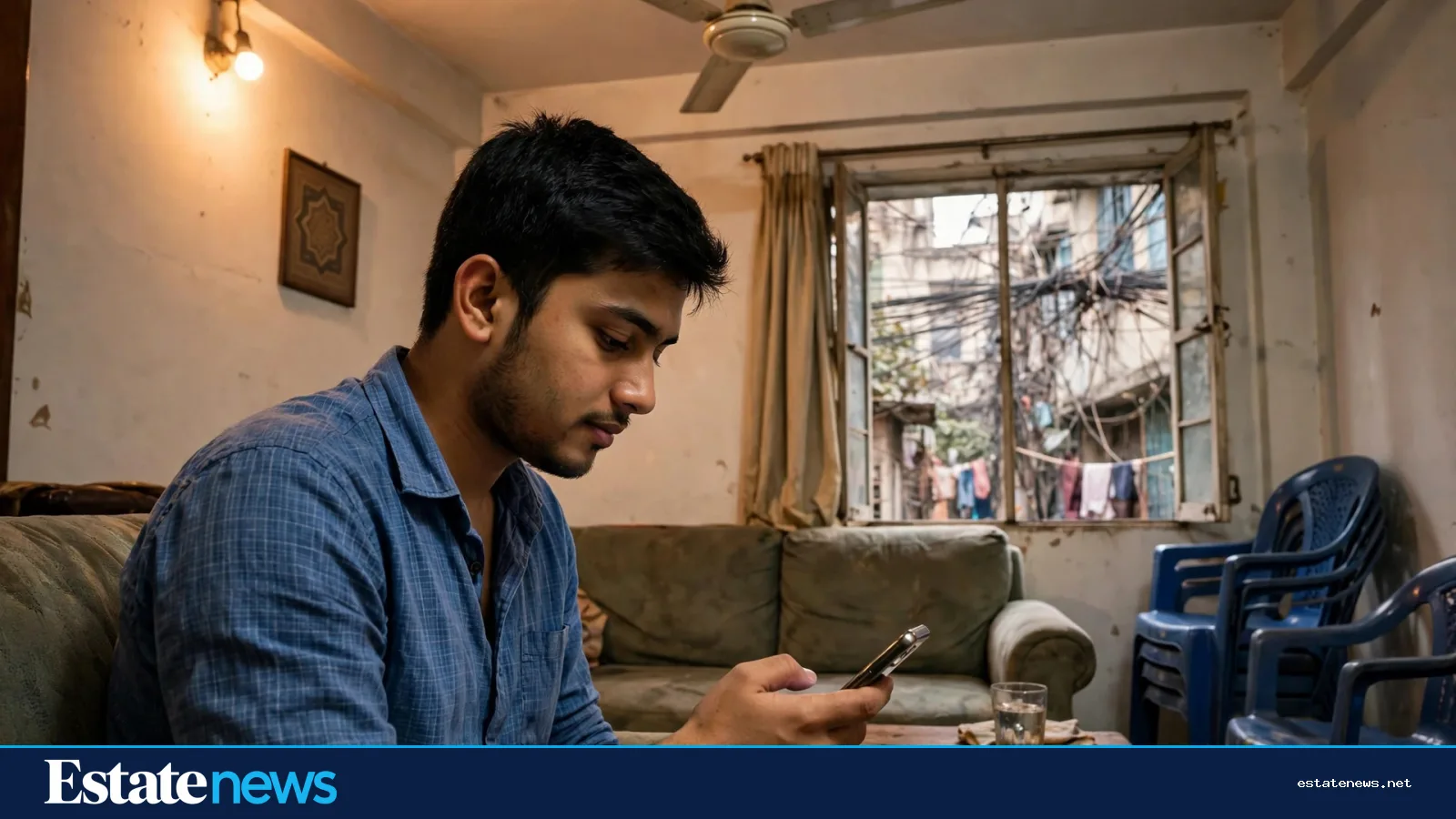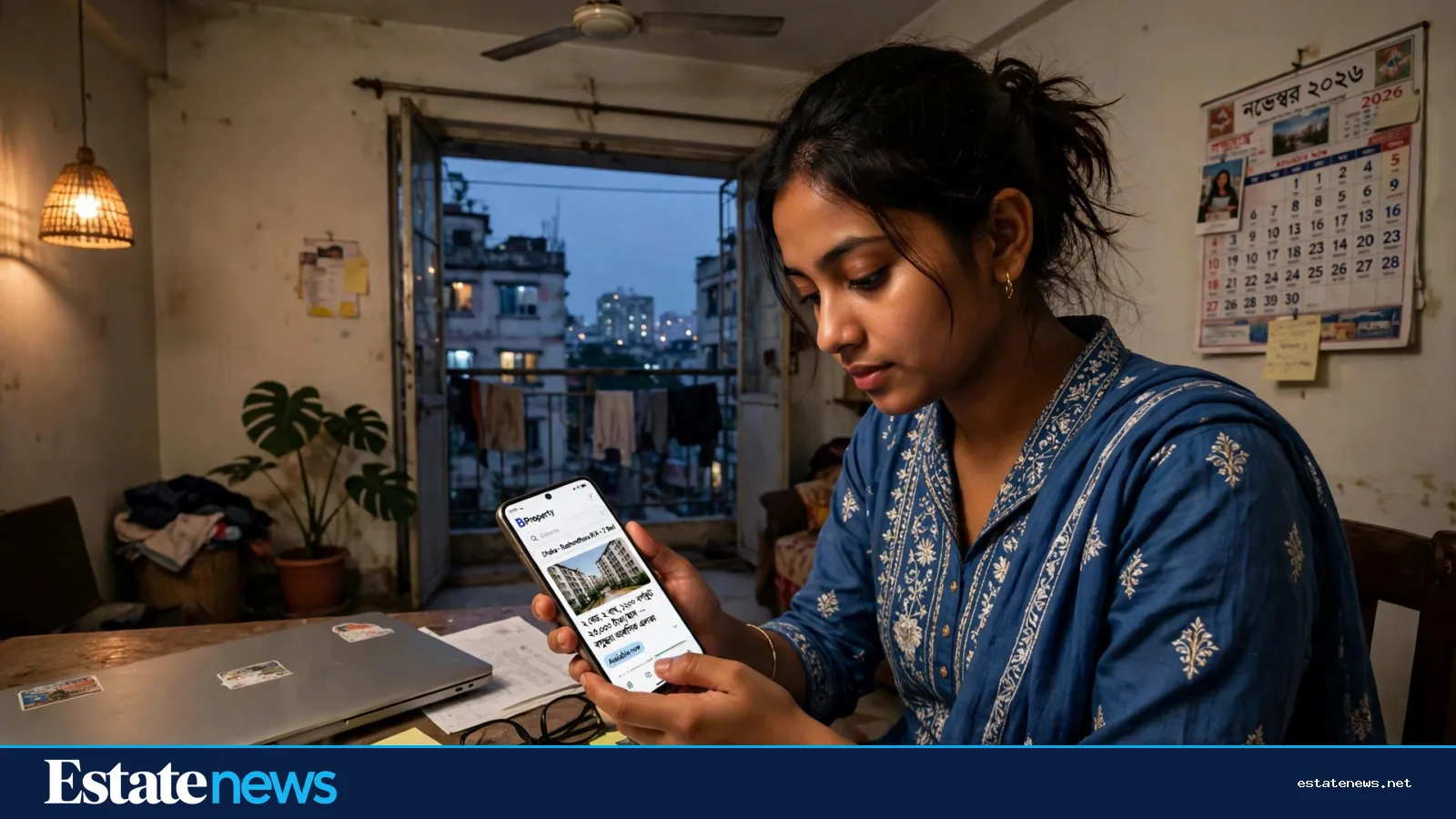
Open a property app in Dhaka tonight and you will see the word AI everywhere. AI-matched flats. Smart filters. Personalised picks. The promise is that the machine already knows what you want, and that the flat you need is one tap away. It is a good promise. It is also worth reading carefully before you believe it.
What the technology actually does, in most cases, is sorting. You tell the app your budget, your area and the size you need, and it ranks the listings that match. Some apps learn from what you tap on and show you more of the same. Some can read a listing and pull out the number of bedrooms, the floor and the facing. That is real, and it does save time. A search that once took a week of phone calls can now take an evening on the sofa.
Where the machine stops

The trouble starts where the listing ends. No app can tell you whether the flat in the photographs still looks like that, whether the lift works, whether the gas line is connected, or whether the price on the screen is the price the owner will actually accept. Photographs can be old. Listings can stay live for months after the flat is gone. A flat that looks bright in a photograph taken with a wide lens can feel dark when you stand in it at four in the afternoon.
Estate News looked at this gap in "Property Apps That Actually Help: What to Check Before You Trust a Listing". The advice there still holds: treat the app as a starting point, not a verdict. Call the number on the listing. Ask when the photographs were taken. Visit the building before you pay anything. A machine can rank a thousand flats in a second, but it cannot climb the stairs for you.
The claims to check before you trust them
Some apps now promise price estimates, telling you whether a flat is fairly priced. Treat those numbers as a rough guide. They are built from past listings, and past listings in Dhaka are asking prices, not the prices at which deals closed. An estimate built on asking prices will inherit their optimism. The site's own area-price tracker, which publishes asking-price medians with the collection date, is more honest about this than any estimate that hides its workings.


Other apps promise verified listings. Verification can mean many things, from a phone call to the owner to a visit by an agent. Ask what it means on the app you use. If the answer is vague, treat the badge as decoration. The same goes for chatbots that answer questions about a listing. They can repeat what the listing says. They cannot tell you what the listing leaves out, and what it leaves out is usually the point.
There is also the question of what the app does with your search. A free app earns its money somehow, often by selling prominence to the listings you see first. The flat at the top of your results may be there because it matches your search, or because someone paid for it to be there. Neither is a scandal. But a buyer who knows the difference searches better.
How to use the tools well
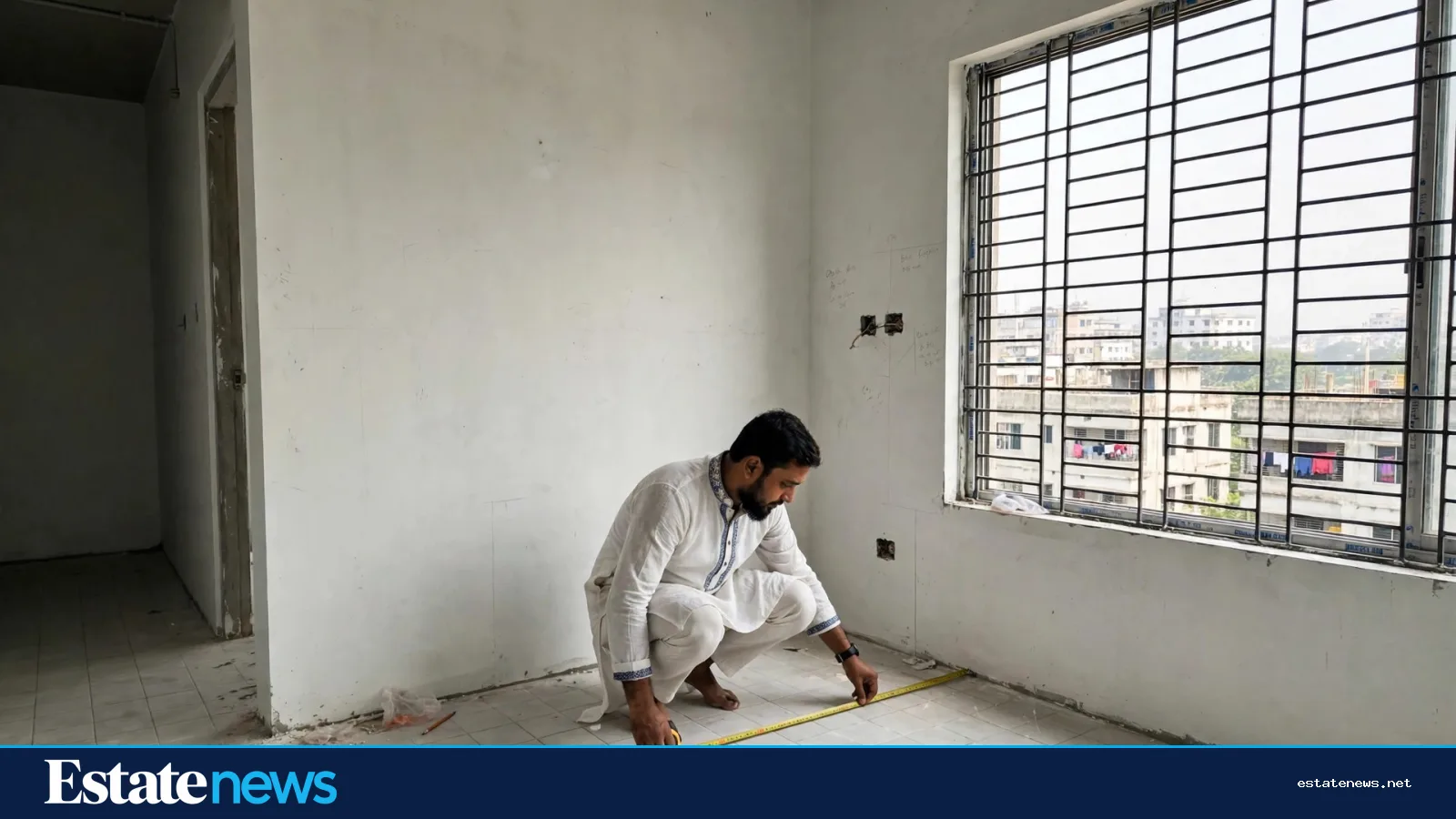
None of this means the apps are useless. Used well, they are the best way to start a search in Dhaka. Save the flats you like and compare them side by side. Note the ones that keep reappearing with different prices. Use the map view to see what is actually near the building, not what the listing claims is near. And when you find a flat you like, do the old-fashioned work: visit it, talk to the caretaker, look at the lift, the stairs, the water tank on the roof, and the road outside at rush hour.
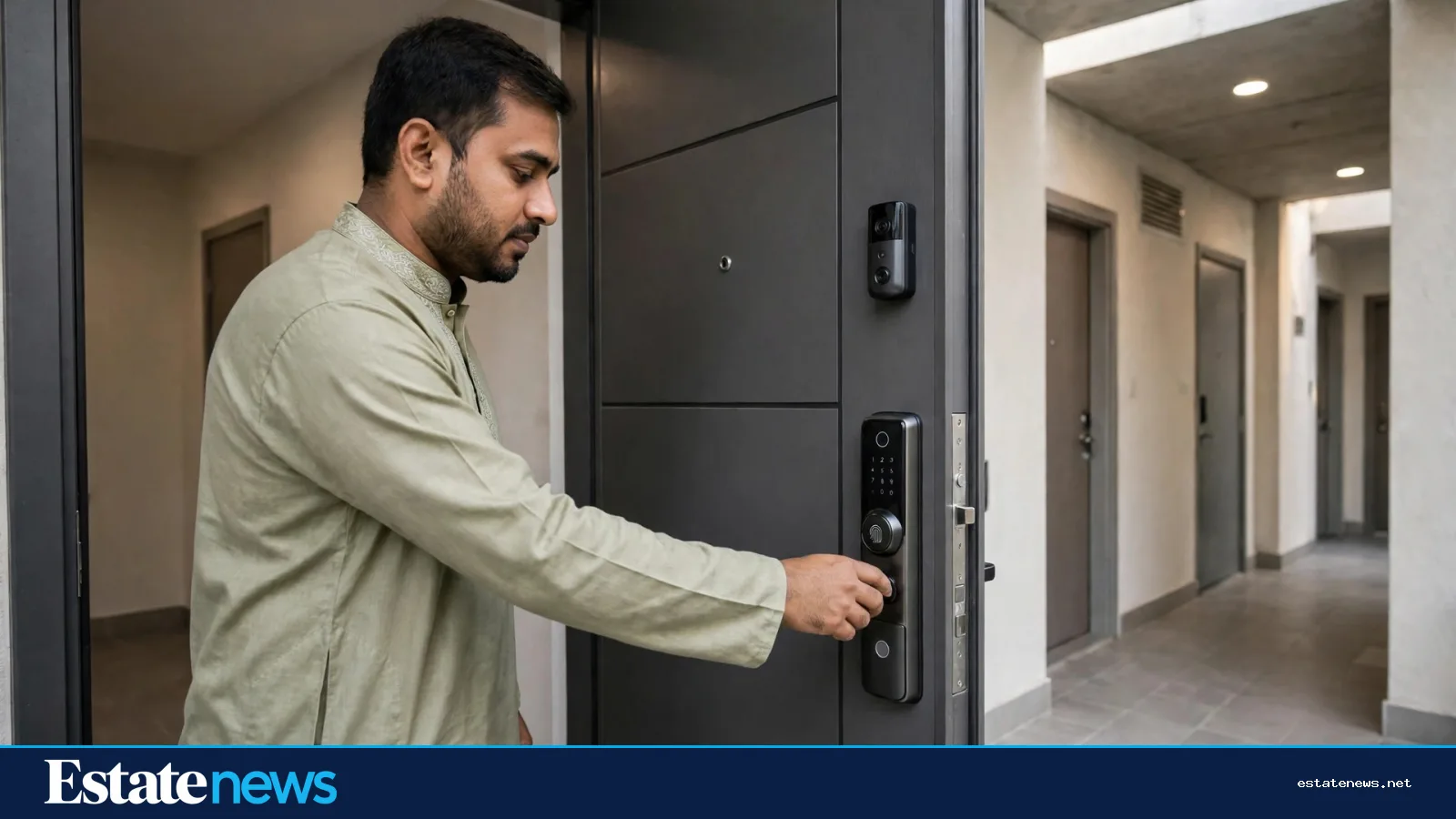
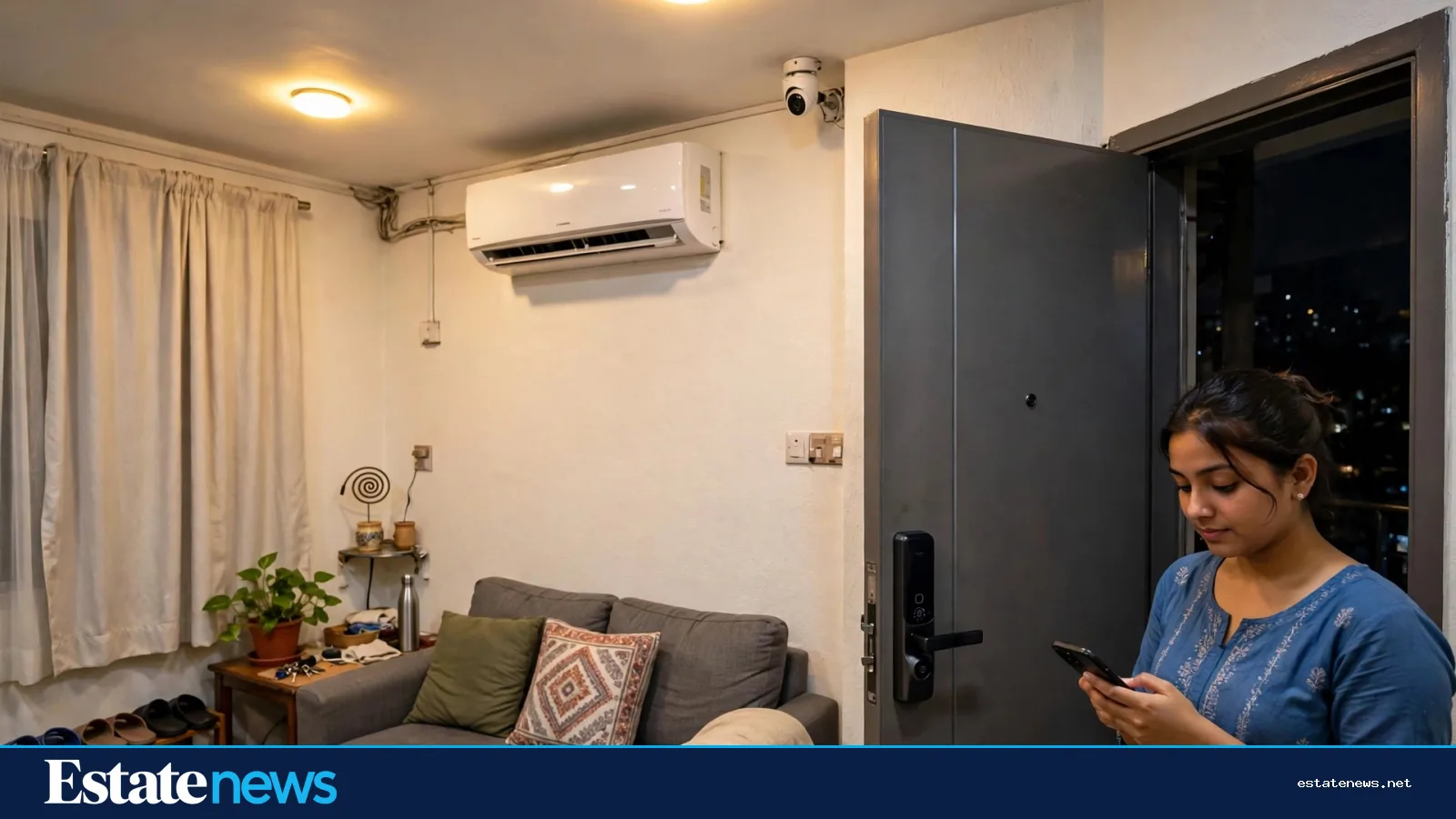
The smart-home side of the same story is covered in "Smart Locks and Video Doorbells: What Dhaka Flats Actually Need", and the Bangla guide "স্মার্ট হোম: ঢাকার ফ্ল্যাটে কোন প্রযুক্তি আসলেই কাজে লাগে" takes up the same question in Bangla. The pattern is the same in both: the technology helps most when the buyer knows what it cannot do.
AI will keep getting better at property search. It will learn the difference between a real listing and a stale one, and it will get better at pricing. Until then, the best use of the technology is the simplest one. Let the machine do the searching. Keep the deciding for yourself.