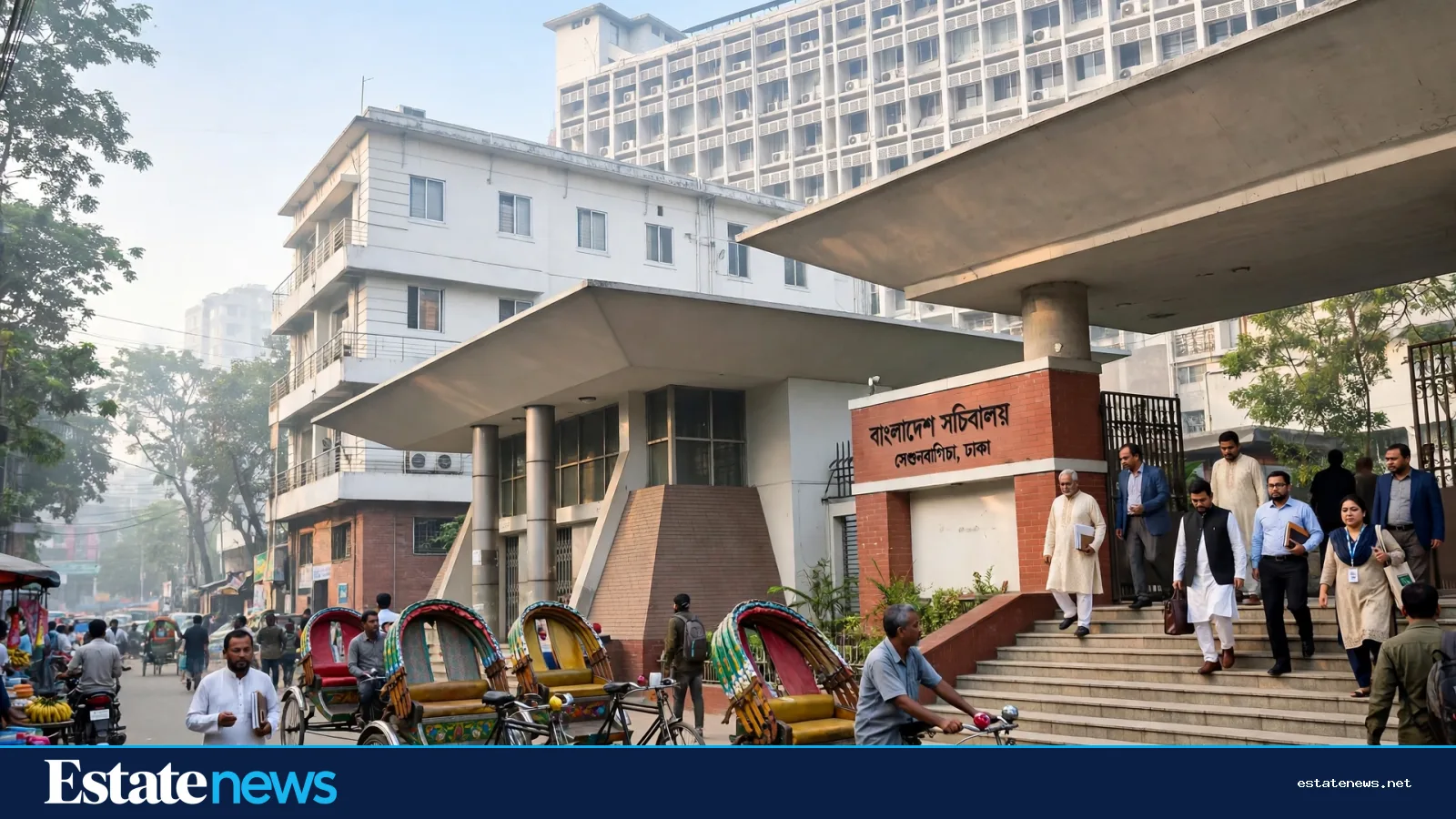
The World Bank has given Bangladesh its clearest diagnosis in years, and it is not a comfortable one. Low revenues, rising day-to-day spending and growing energy costs are squeezing the money the state spends on building things. Roads, drainage, schools, the groundwork under every new housing market, are getting a smaller share of a smaller pot.
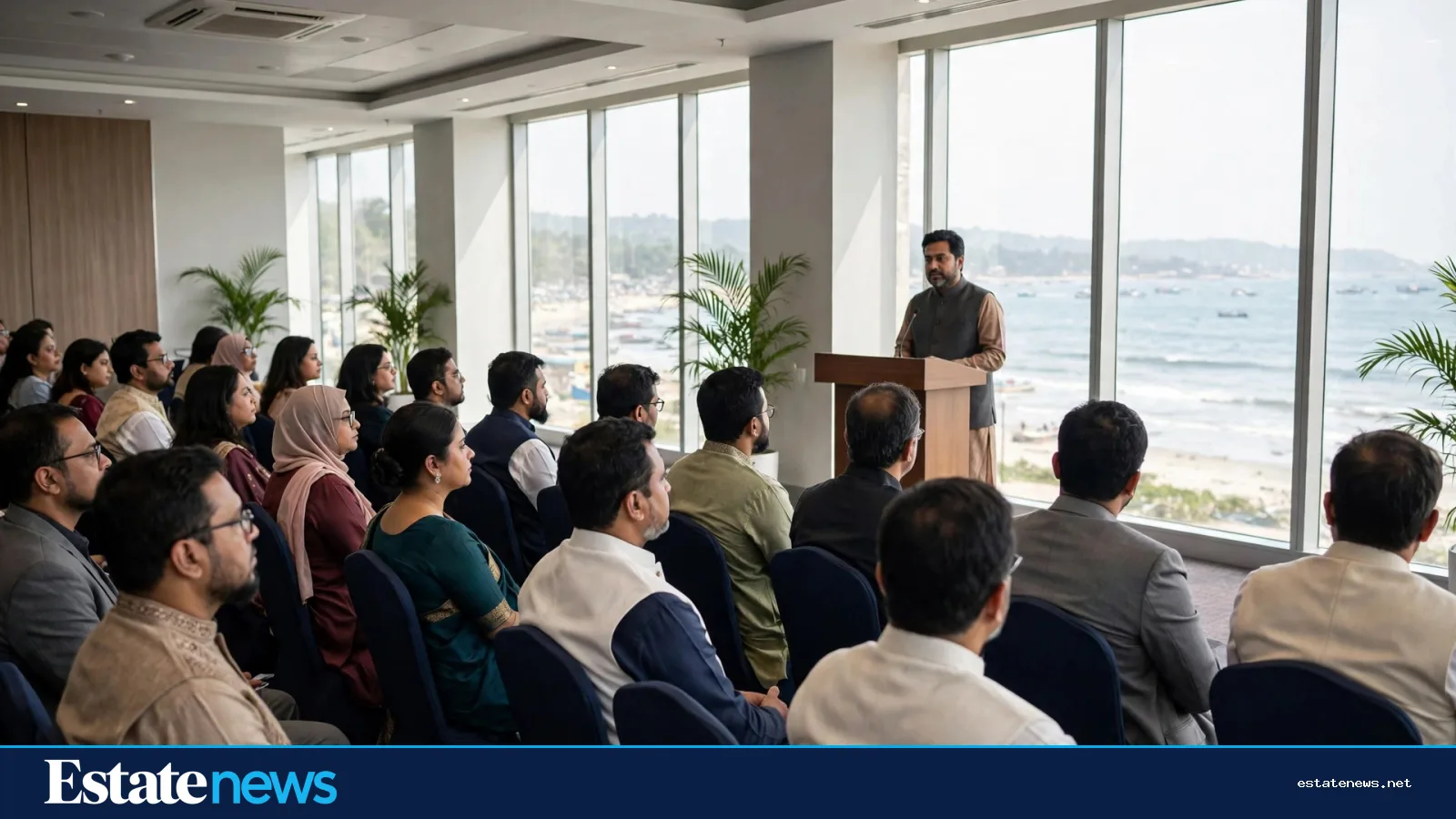
The diagnosis comes in the Bangladesh Public Finance Review 2026, released on 19 November with the Policy Research Institute. The keynote came from the Bank's senior economist Dr Ragheet Ghosh. The numbers in it are stark, but the report does not stop at the warning. It puts a figure on the way out too: sweeping tax and energy reforms could lift average annual growth to 5.7 percent during FY27 to FY35, against 4.2 percent if reforms stay limited. That gap, 1.5 percentage points a year for nearly a decade, is the story.
Where the money went

Tax revenue stood at 6.8 percent of GDP in FY2025, and total revenue at 8 percent, less than half the level of peer economies, the report says. Capital spending, the money that builds things, fell to 2.8 percent of GDP in FY2025 from 4.9 percent in FY2022. In the same years, the state's running costs kept climbing. Power and gas subsidies rose from 0.3 percent of GDP in FY2018 to 1.5 percent in FY2025, from Tk 72 billion to Tk 836 billion. Interest payments rose from 1.5 percent of GDP in FY2017 to an estimated 2.6 percent in FY2026.
Education spending tells the same story in a different corner. It sits at only 1.5 percent of GDP. Poverty, the report estimates, has risen to 22.5 percent in 2026 from 18.7 percent in 2022. Three in five working-age women are outside the labour force, and 84 percent of workers are in informal jobs. A country that cannot collect enough tax and cannot spend enough on building cannot employ its people in the formal economy, and the report draws that line plainly.
The VAT gap is the most striking single figure. Tk 4.5 trillion went uncollected in FY22, more than three times the VAT actually collected that year. It is a number that says the tax system leaks at a scale that dwarfs most budgets.
The 5.7% path


The reform path the report sketches is ambitious but specific. Revenue could rise to 14.4 percent of GDP by FY2035, against 10 percent under limited reforms. Tax-to-GDP could reach 12.6 percent from 6.8 percent. Public spending could rise to 18 percent of GDP. The fiscal deficit would stay below 5 percent throughout, falling to 3.6 percent by FY35.
The report also notes that the easing of political uncertainty after the election created the prospect of stronger growth in FY26, held back by energy shortages, the effects of conflict in the Middle East, high inflation and weak private-sector activity. The window is open, in other words, but it is not open for long.
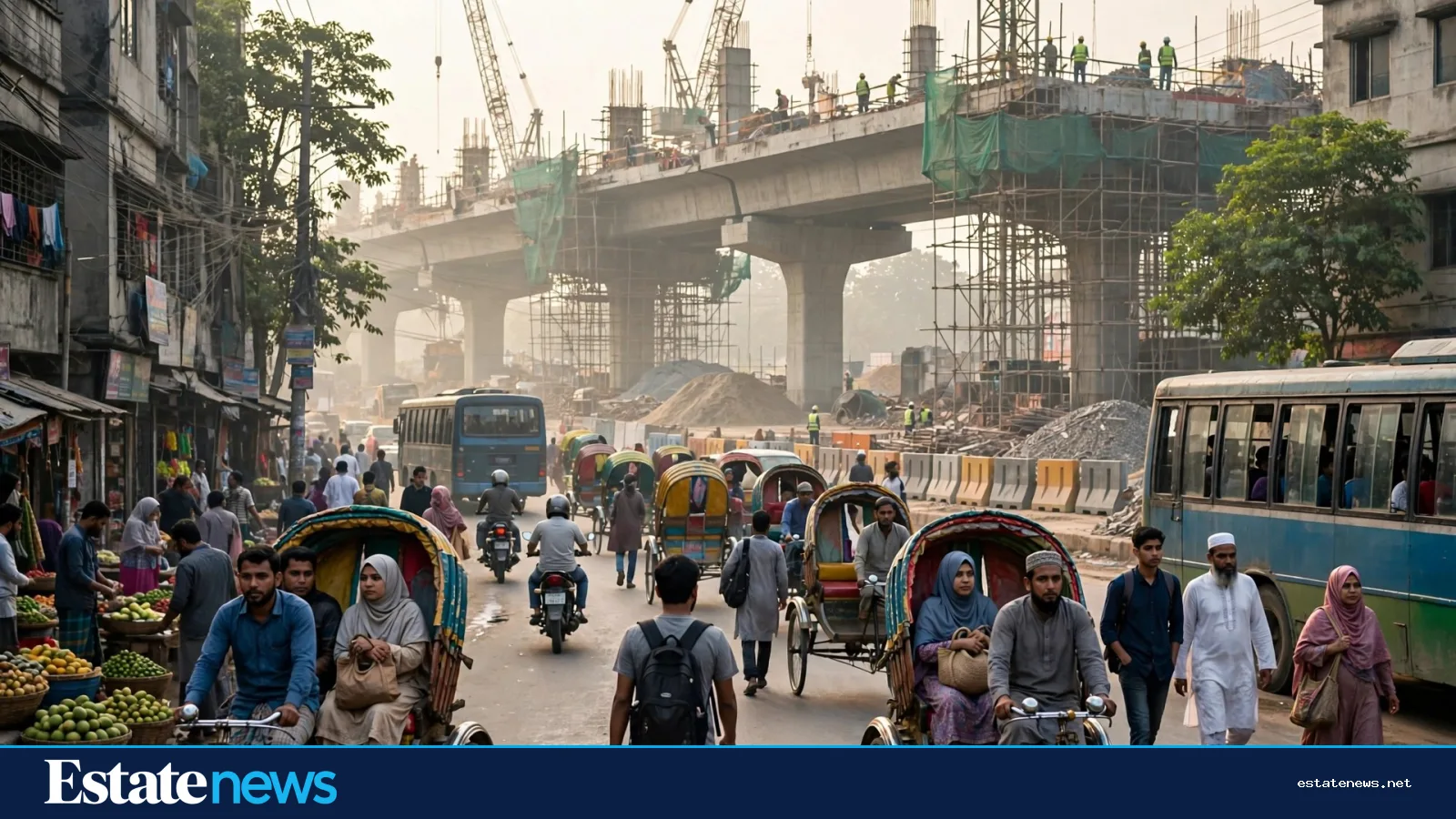
For property readers, the link is direct. Capital spending is what builds the roads, the drainage and the schools that decide where homes get built and what they are worth. When that spending falls from 4.9 percent of GDP to 2.8 percent, the new neighbourhoods slow down first. A flyover delayed is a suburb delayed. A drainage project shelved is a street that floods next monsoon, and a flat on that street is worth less.
What is already moving
The state is not standing still. "ECNEC Clears 16 Projects Worth Tk 33,298 Crore" reported the latest round of project approvals, and "Approvals in 14 Days: The Reform That Could Speed Up Building" covered the push to cut approval times for builders. Both are steps in the direction the World Bank report points: spend more on building, and make the spending count.
Inflation, the other weight on household budgets, was covered in "Inflation at 8.27%: Food Eases, Housing Costs Climb, and the Flat Budget Feels It". A flat buyer's budget is squeezed from both sides at once, by the cost of the home and by the cost of everything else. The World Bank's report explains why the squeeze is structural, not a passing season.
The warning is real, and the report does not soften it. But the 5.7 percent figure is the part worth keeping. It is a measured, costed answer to the question of what Bangladesh gets if it fixes its tax system and its energy bills. For a country where the property market runs on the roads and schools the state builds, that answer is worth more than the warning alone.