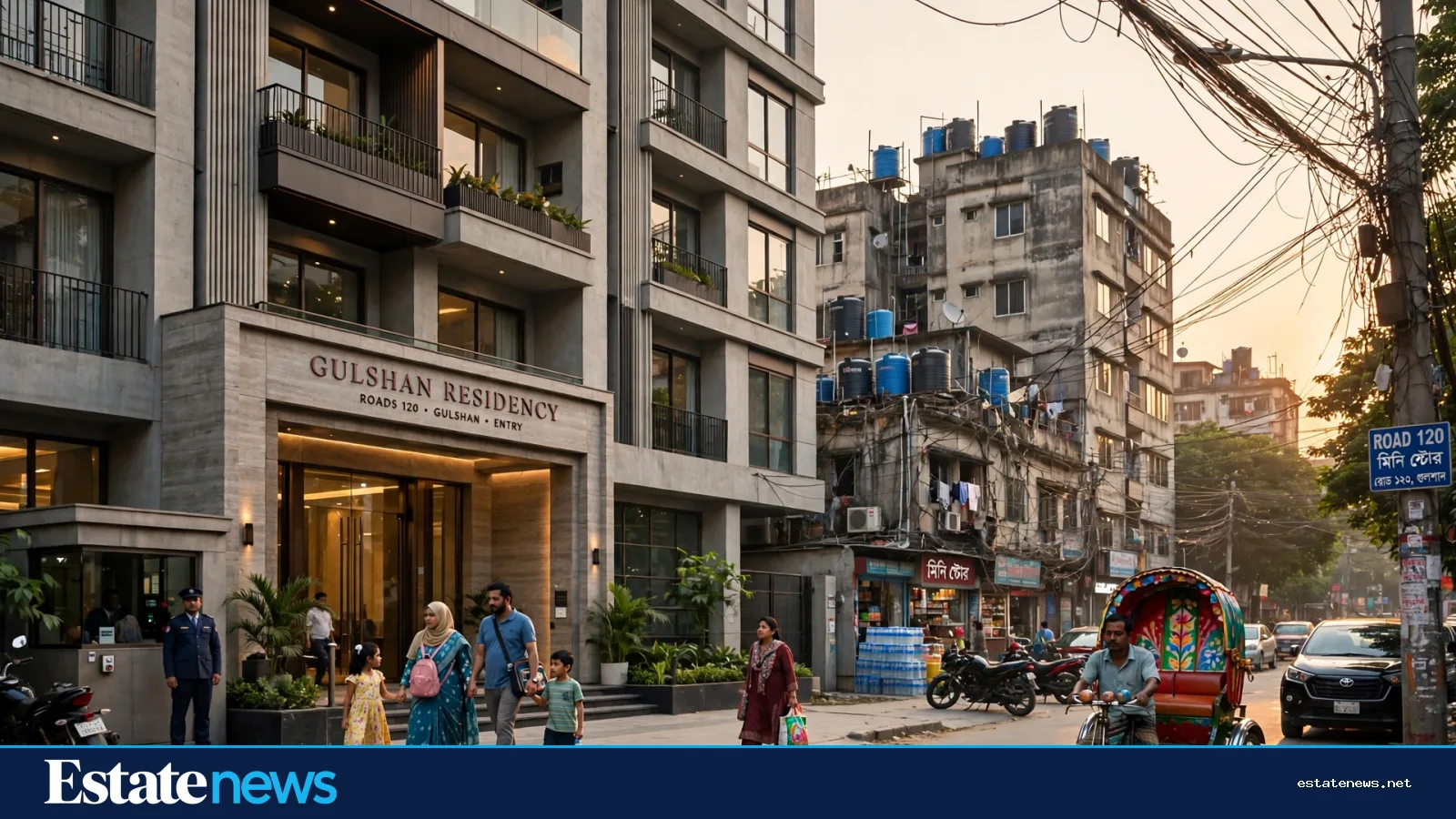
Dhaka's flat market is pulling in two directions at once. Apartment sales and bookings in the city have slumped 30 to 35 percent over the past year, according to industry leaders quoted by the Daily Our Justice on 12 November. Yet prices have not followed sales down. Apartment prices have climbed as much as 40 percent over the past three years, driven by land, labour and financing costs. Fewer flats are changing hands, and the ones that do cost more than ever.
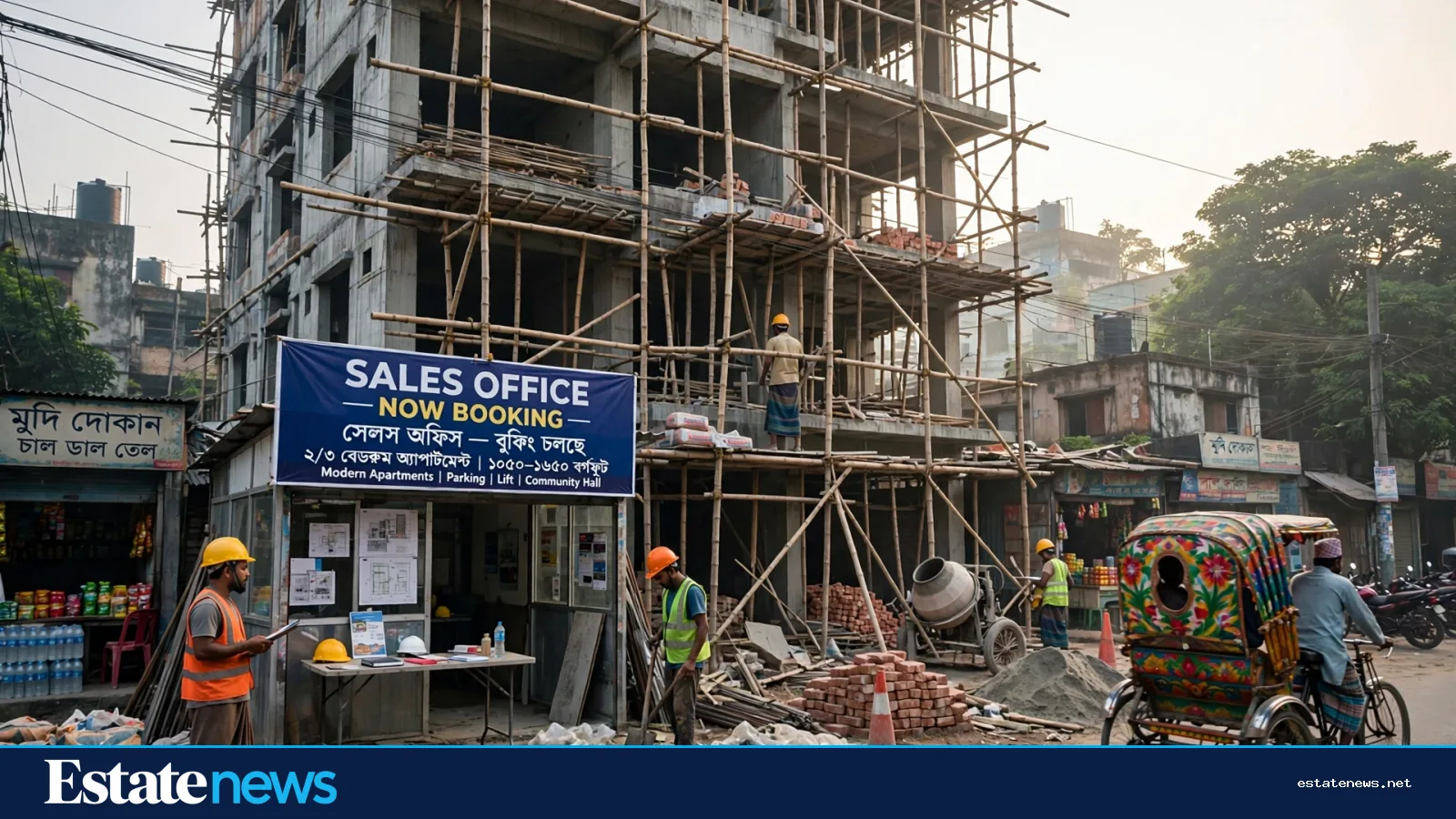
The squeeze comes from the building site. Construction material prices jumped more than 31 percent over the past year, pushing overall construction costs up roughly 43 percent, according to REHAB president Dr Ali Afzal. A developer that paid one price for rod and cement last year is paying far more this year, and that cost lands on the buyer. Land is no cheaper, and bank finance for construction is no easier. When costs rise that fast, a developer cannot cut prices without selling at a loss, so the price stays where it is and the buyer stays away.
Tax is adding to the strain. The budget for 2026-27 introduced a 15 percent capital gains tax on the government-assessed value of apartments, and property registration fees exceed 13 percent of total value in certain brackets. REHAB has urged the government to roll both measures back, arguing that they fall hardest on buyers who are already stretching to afford a flat. The two taxes, on top of construction costs, are part of why the market has gone quiet.

What the industry is asking for
REHAB's answer to the slump is to look beyond Dhaka. Senior vice-president Abdur Razzak has advocated affordable housing hubs outside the capital, supported by better transit links and civic infrastructure. The idea is one Estate News has already reported: the association's new leadership has promised flats priced at Tk 40 to 60 lakh in Savar, Gazipur and Keraniganj, within reach of buyers priced out of Dhaka. A hub only works if the road, the water and the gas arrive with the flats, and that is the part of the plan that needs the government.
The split between falling sales and rising prices is not a contradiction. It is what a market looks like when sellers cannot afford to cut and buyers cannot afford to pay. The flats that do sell in this market tend to be ready ones, where the buyer can see the finished rooms and move in, or projects where the developer has room to negotiate on payment terms rather than on the headline price. A booking made now, in a slow market, can carry more room to bargain than the same booking would have carried two years ago.


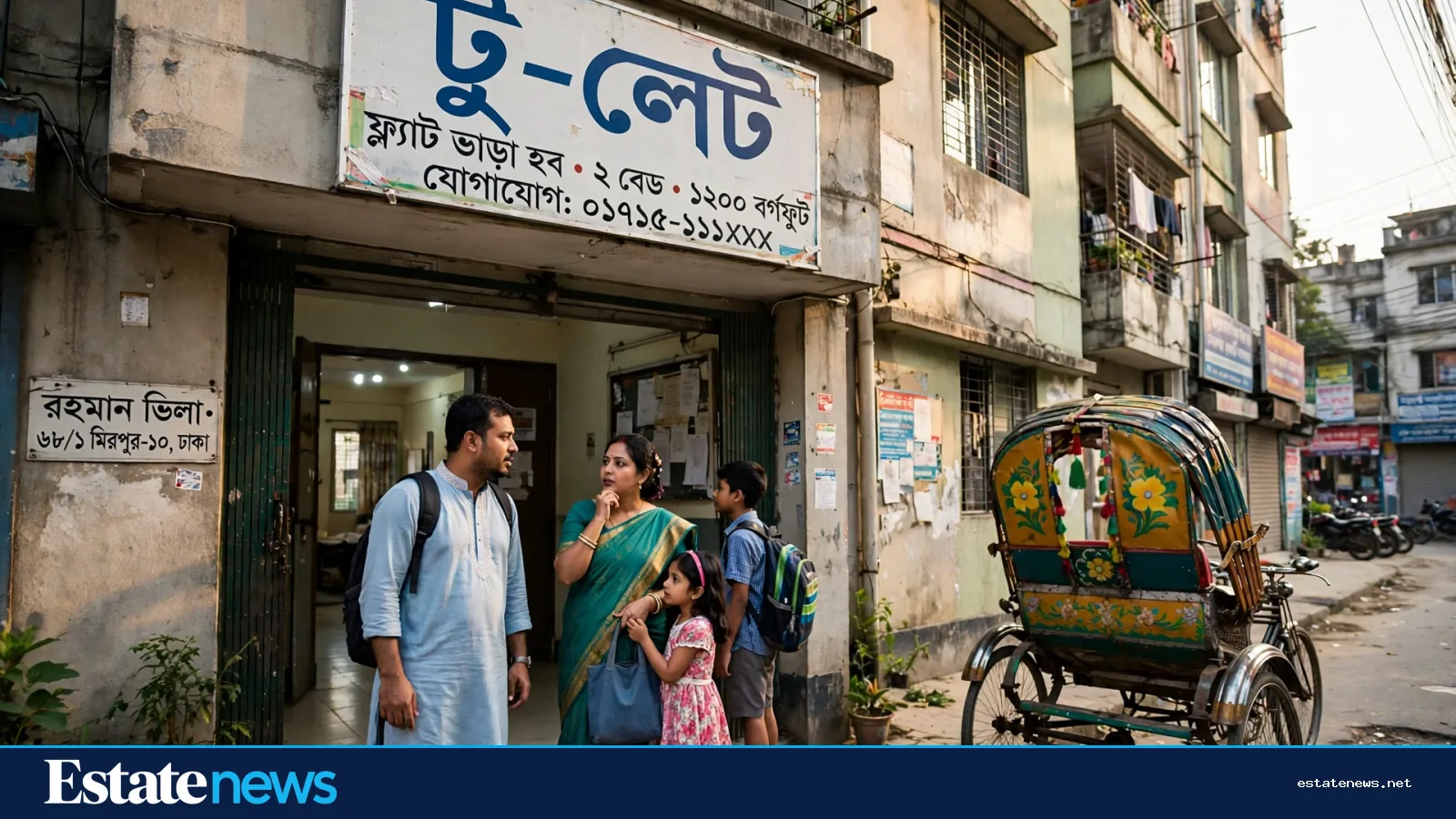
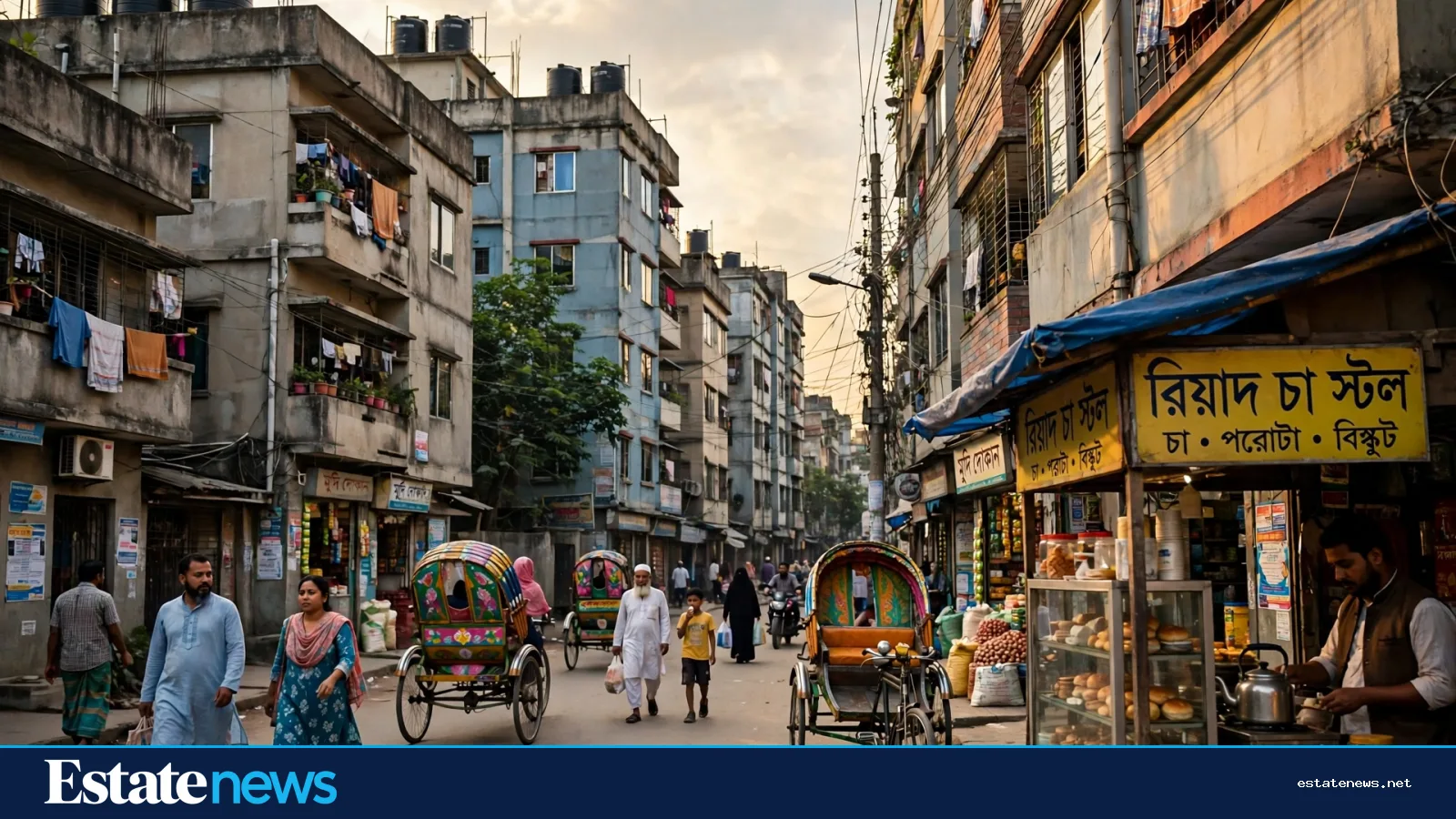
Buyers weighing a purchase have a few practical moves. A ready flat removes the risk of a delay. A project in an area where several developers are building at once, like Mirpur or Bashundhara, gives the buyer something to compare against. And the registration bill matters as much as the flat price: stamp duty, registration fees, local tax and VAT add up to lakhs on top of the purchase price, and a buyer who budgets for them is less likely to be caught short at the registry office. Estate News's guide to what renting a flat in Dhaka costs in 2026 sets out the alternative in detail, area by area, for anyone deciding whether to buy now or wait.
The materials side of the story is worth watching too. Estate News tracked steel and cement prices earlier this month in "Steel, Cement and the Cost of Building: What November's Prices Mean for Developers", and those prices are the reason the construction-cost figure keeps climbing. If rod and cement steady, developers get room to hold prices without raising them further. If they keep climbing, the next round of launches will be dearer still.
The quiet market, in plain terms
Nobody in the industry is calling this a crash. A crash would need prices to fall, and prices are doing the opposite. What Dhaka has is a slow market: fewer deals, higher costs, and buyers taking longer to decide. That is hard on developers, who carry the cost of unsold flats, and hard on buyers, who watch prices climb while they wait. The way out, on REHAB's reading, runs through cheaper land outside the city, lower taxes, and steadier material prices.
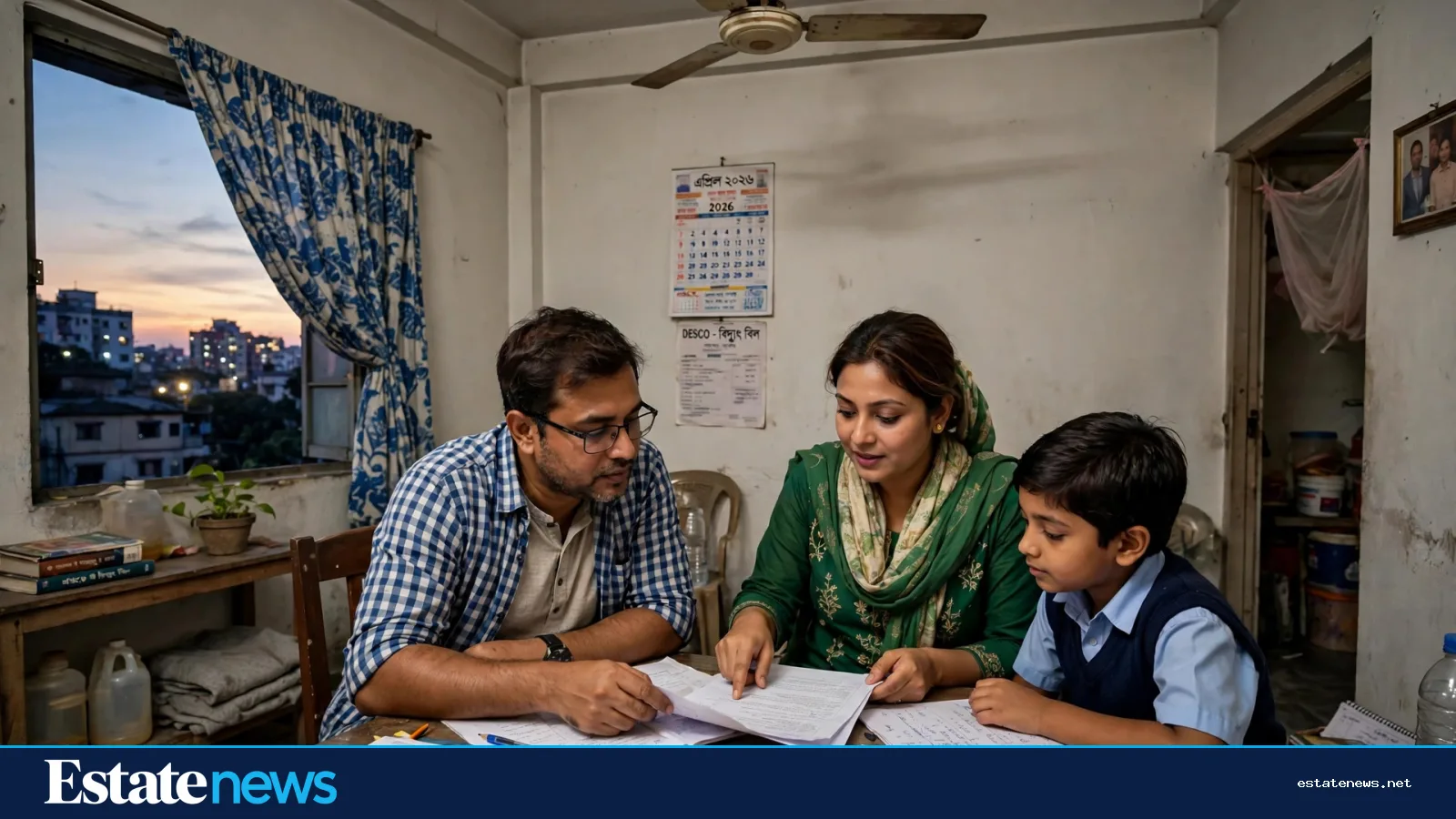
For a family deciding now, the honest answer is that there is no perfect moment. A flat bought today costs more than the same flat three years ago, and the registration bill is higher than most buyers expect. But the flat bought today is also the one that exists, in a building that can be visited, with a price that can be negotiated in a slow market. The buyers who do best in a market like this are the ones who check the papers, count the full cost, and buy the flat rather than the promise.