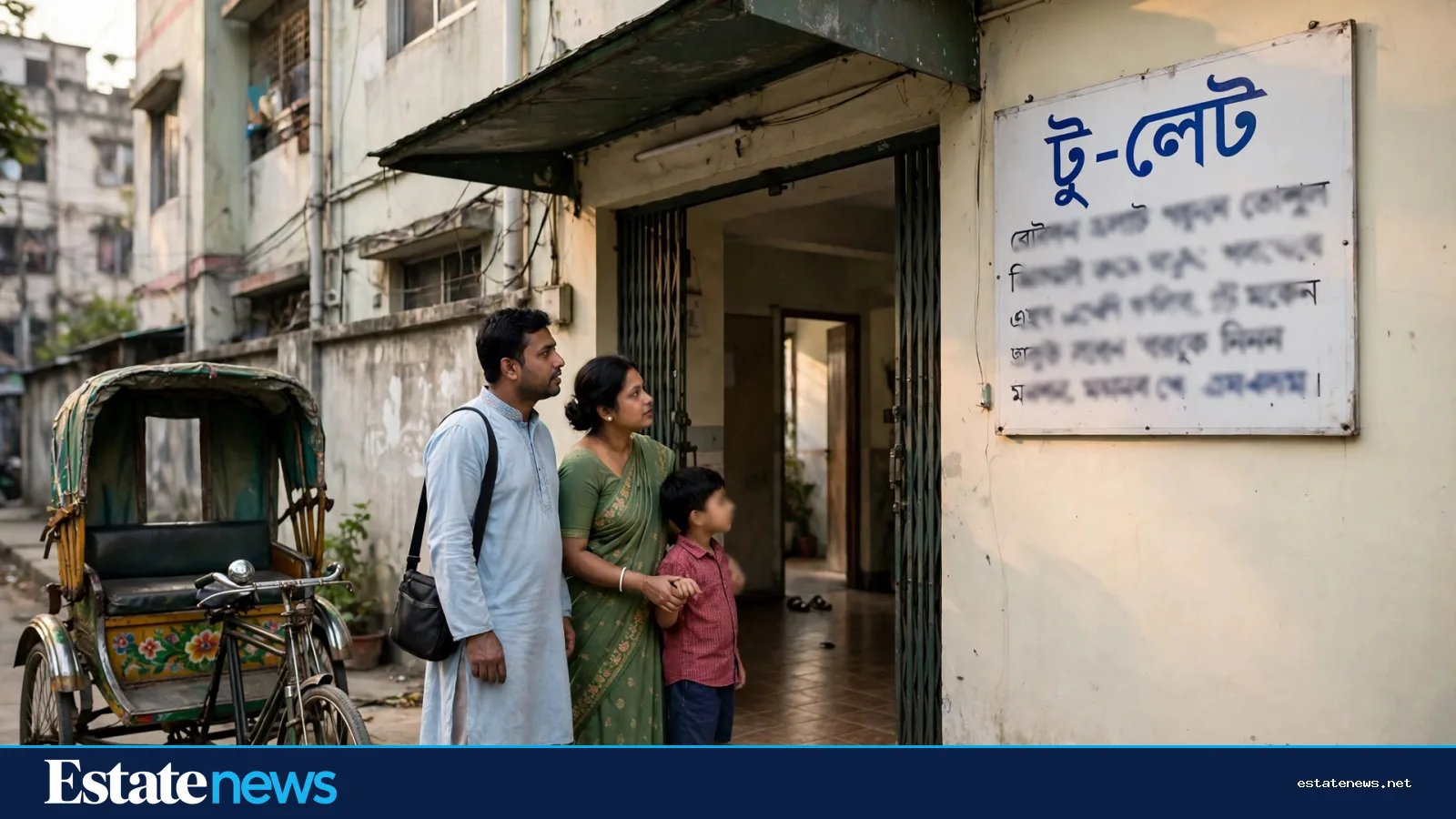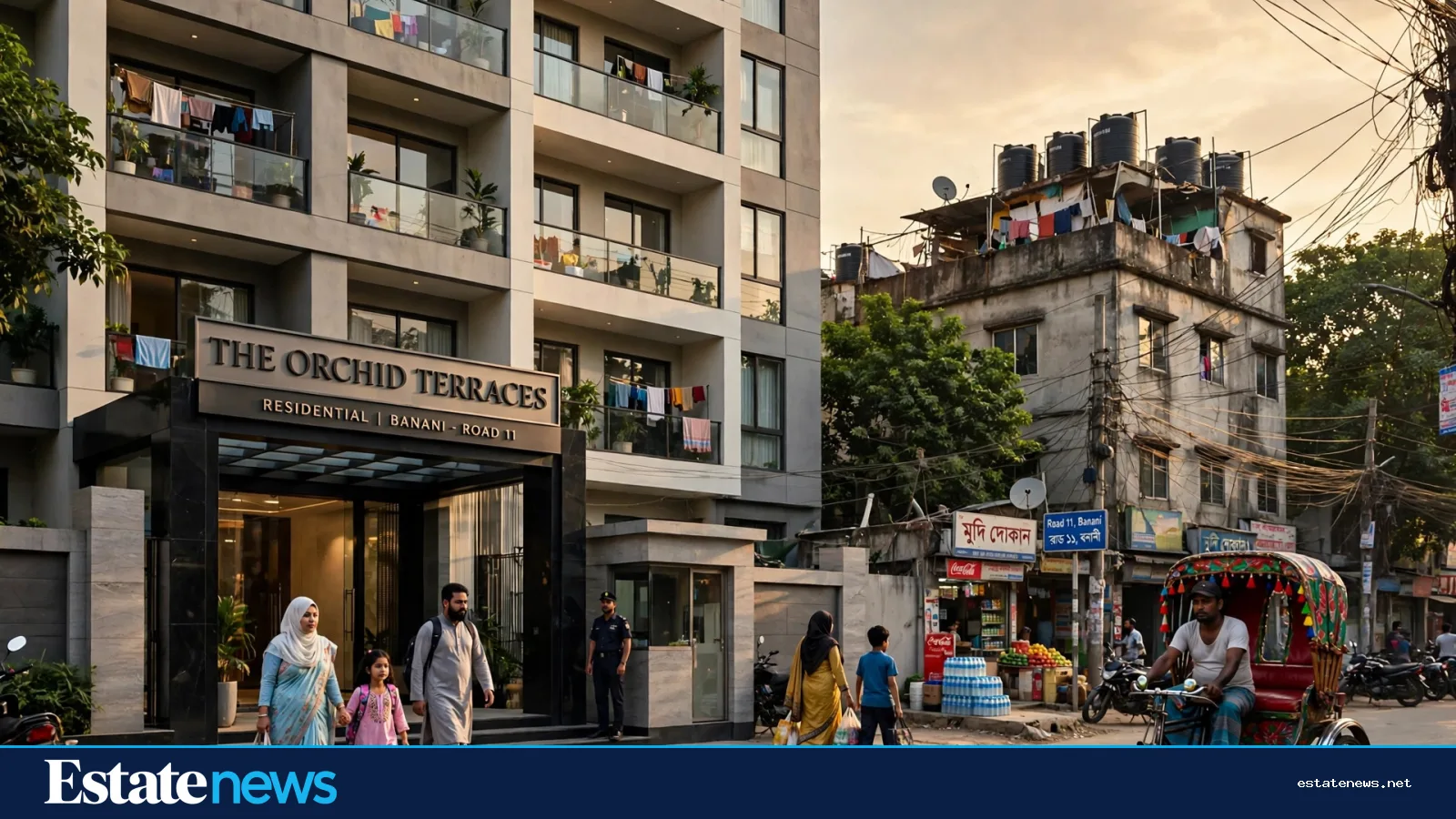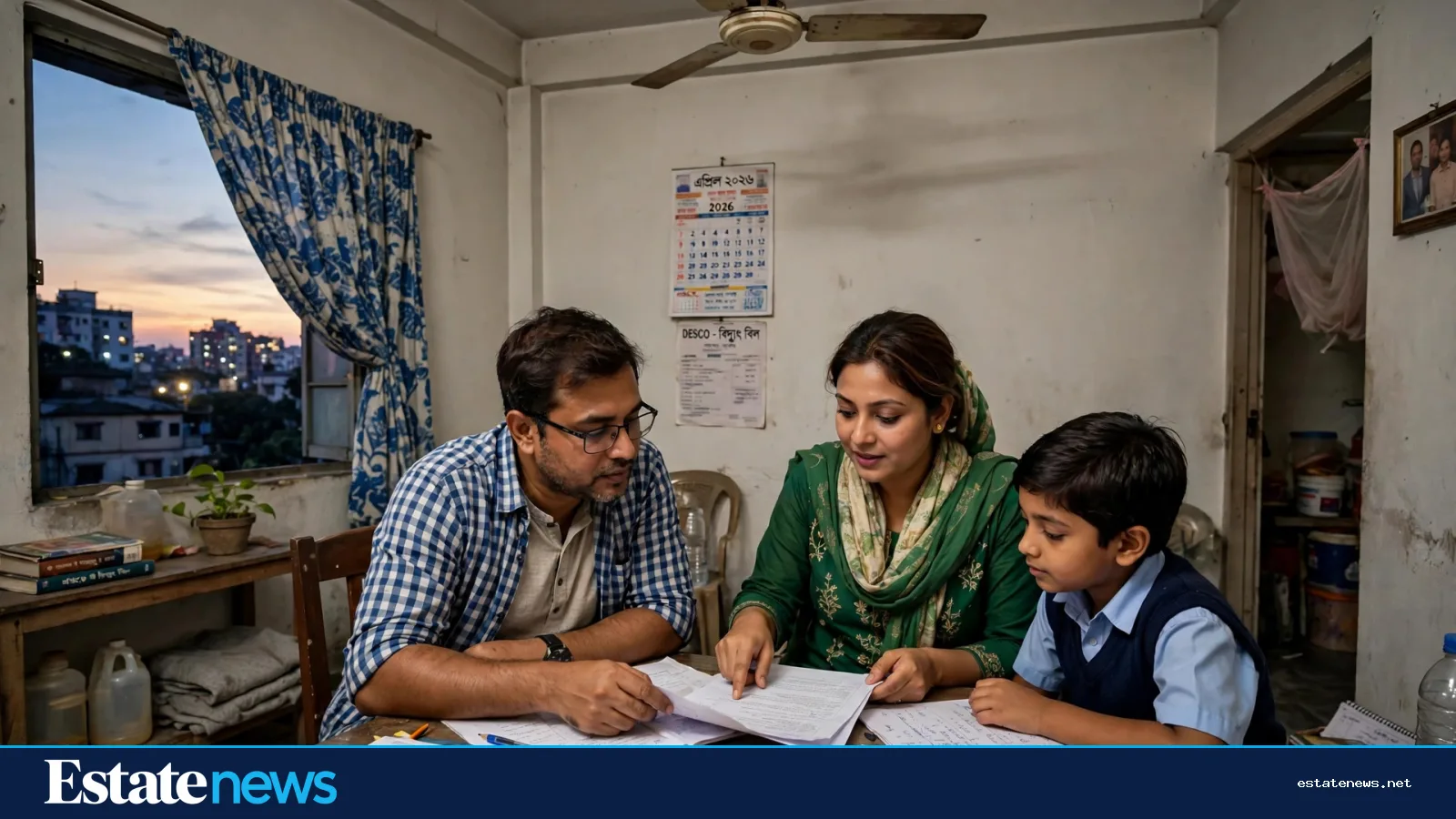
Every Dhaka family that rents has had the same conversation at the dinner table. The rent goes out every month and nothing comes back. Would it not be better to pay a loan instalment instead, and own the flat at the end? The question sounds simple. The maths is not, and the honest answer depends on three numbers most families never put side by side: the loan rate, the registration cost, and how long they will actually stay.
Start with the loan, because it is the biggest number. Home loan rates in Bangladesh this November run from 9.72 percent at BRAC Bank to 15 percent at the dearest end of the market, with Bangladesh Bank's policy rate at 9.50 percent since 2 August 2026. On a loan of Tk 50 lakh over 20 years, the monthly instalment is Tk 47,327 at 9.72 percent, Tk 51,609 at 11 percent, and Tk 65,839 at 15 percent. The arithmetic has been checked. The gap between the cheapest and the dearest rate is Tk 18,512 a month on the same loan, which is the subject of today's companion piece on home loan rates.
Then there is the money that vanishes before the loan even starts. Registration cost is the part buyers most often forget, and it is not small. For a flat worth Tk 1 crore in a city corporation, with an area of 1,600 square feet or less, the bill comes to Tk 6,51,170: stamp duty at 1.5 percent is Tk 1,50,000, the registration fee at 1 percent is Tk 1,00,000, local government tax at 2 percent is Tk 2,00,000, VAT at 2 percent is Tk 2,00,000, and mutation costs Tk 1,170. That is money paid once, on top of the price, and it never comes back. A buyer who has saved exactly the down payment and nothing else is already short.

The price of the flat itself
The third number is the price, and it changes with the area. Estate News's area-prices tracker, refreshed on 16 November 2026 from public sale listings, records median asking prices of Tk 20,000 per square foot in Dhanmondi, Tk 18,667 in Gulshan, Tk 13,888 in Banani, Tk 12,500 in Uttara, Tk 9,865 in Bashundhara Residential Area and Tk 8,700 in Mirpur. Those are asking prices from small samples of nine to eleven listings per area, not transaction prices, and they are the same figures used in today's rent guide, so the two pieces agree with each other.
Put them to work. A 1,200 square foot flat in Uttara at the tracker's median asking price costs about Tk 1.5 crore. A bank lending 70 percent of that price, the usual limit, would lend about Tk 1.05 crore, leaving a down payment of about Tk 45 lakh before registration costs. The same size flat in Mirpur at the tracker's median would ask about Tk 1.04 crore. The area decision is also a loan decision, and a family that falls in love with a Dhanmondi address is falling in love with a much larger instalment.


This is where the rent comparison has to be honest. Rent never ends, and that is its real cost. But rent also never asks for a down payment, never charges Tk 6,51,170 in registration, and never leaves a family paying an instalment when income dips. Buying builds ownership, and that is its real return. But buying also locks a family into one building, one area and one monthly bill for twenty years. The right test is not which one is cheaper in a single month. It is which one the household can keep paying, month after month, for as long as they plan to stay.
A method, not a verdict
There is a simple way to run the comparison without inventing a single figure. Write down the rent for a flat you would actually live in. Write down the instalment for a loan on a flat you would actually buy, at a rate a bank has quoted you in writing. Add the registration cost, spread over the years you expect to stay. Add the service charge and the maintenance a rented flat does not charge you for. Then ask how many years you will stay in one place. If the answer is three years, renting usually wins, because the registration cost and the down payment have no time to earn their keep. If the answer is fifteen years, buying usually wins, because the instalments end and the rent does not. Between those two, the answer belongs to the household's own numbers, and no article can give it for them.
Estate News's rent guide published today, "What Renting a Flat in Dhaka Costs in 2026: Area by Area", explains how to compare the whole monthly bill of a rented flat, including service charges and advance. The Bangla guide to registration costs, "ফ্ল্যাটের রেজিস্ট্রেশন খরচ ২০২৬: হিসাবটা যেভাবে করবেন", works through the registration arithmetic in full. The Bangla guide "প্রথম ফ্ল্যাটের ডাউন পেমেন্ট: সঞ্চয়ের পরিকল্পনা যেভাবে সাজাবেন" covers how to plan the down payment itself. Estate News also has a rent-versus-buy calculator on the site, which runs the same comparison with the reader's own figures.
None of this is financial advice. Rates move, prices move, and a family's circumstances move fastest of all. But the habit is worth keeping: never compare a rent with an instalment alone. Compare the rent with the instalment plus the registration cost plus the down payment, over the years you will actually stay. That is the whole of the rent-versus-buy question, and it fits on one page of a notebook.