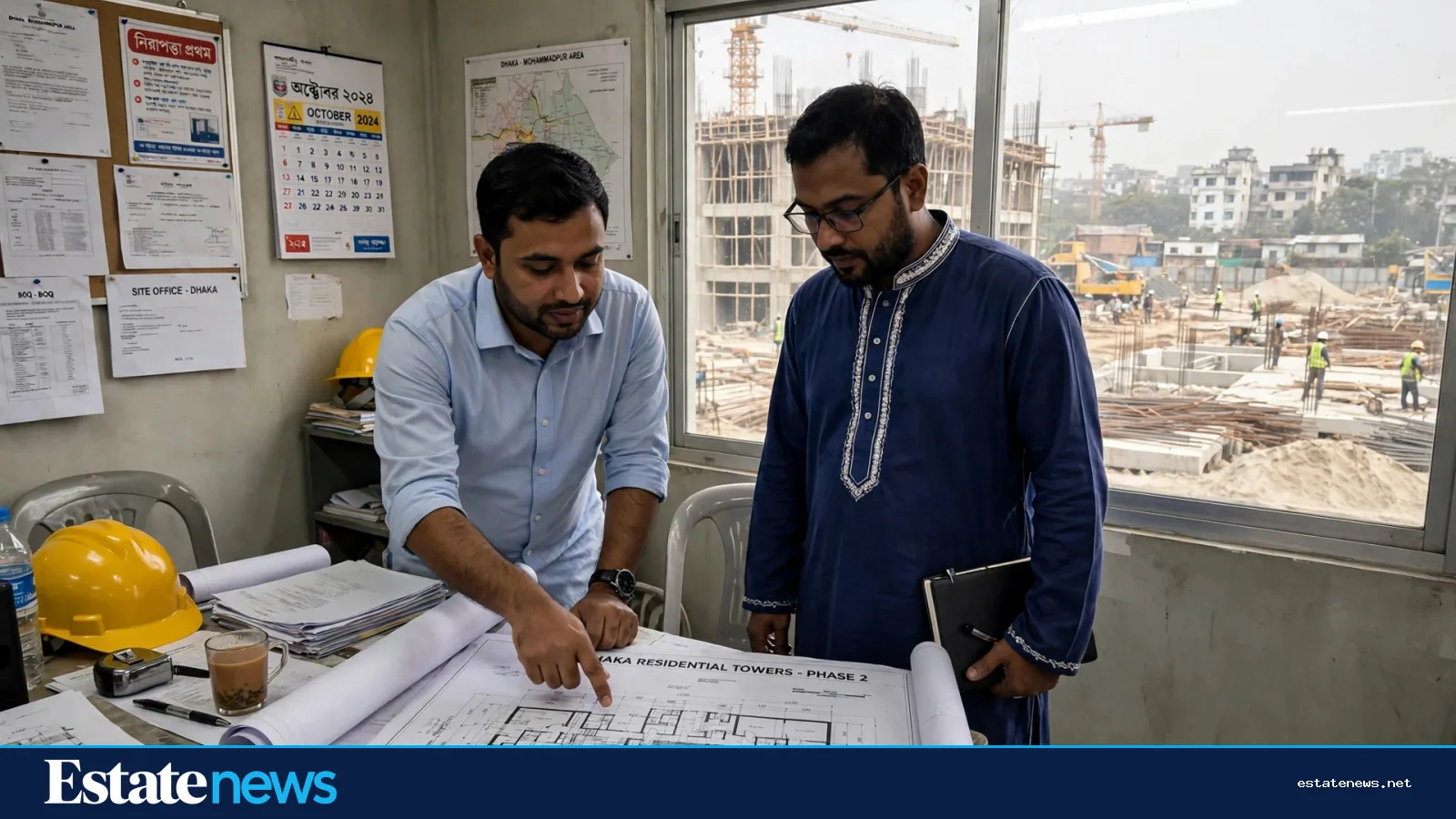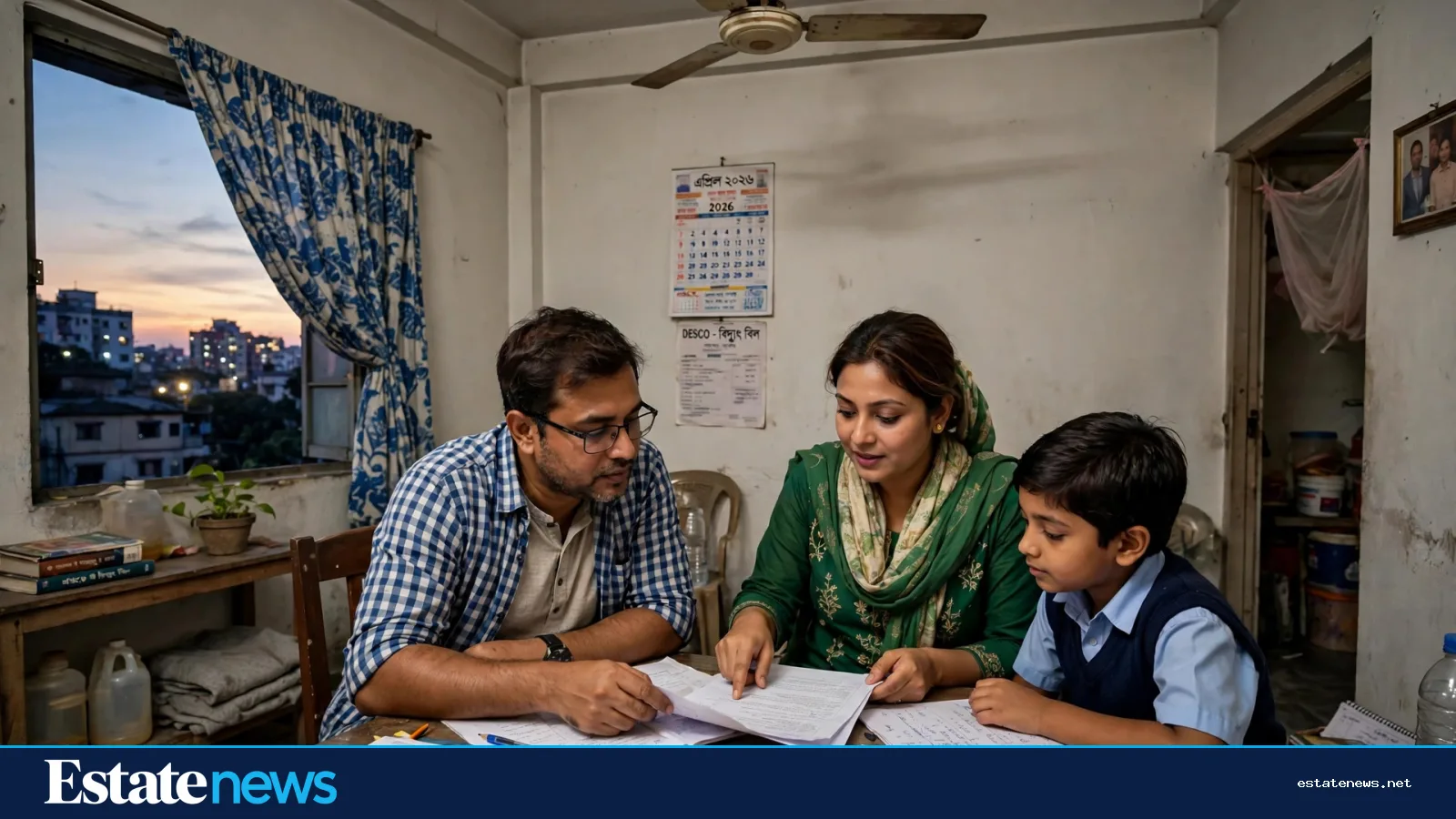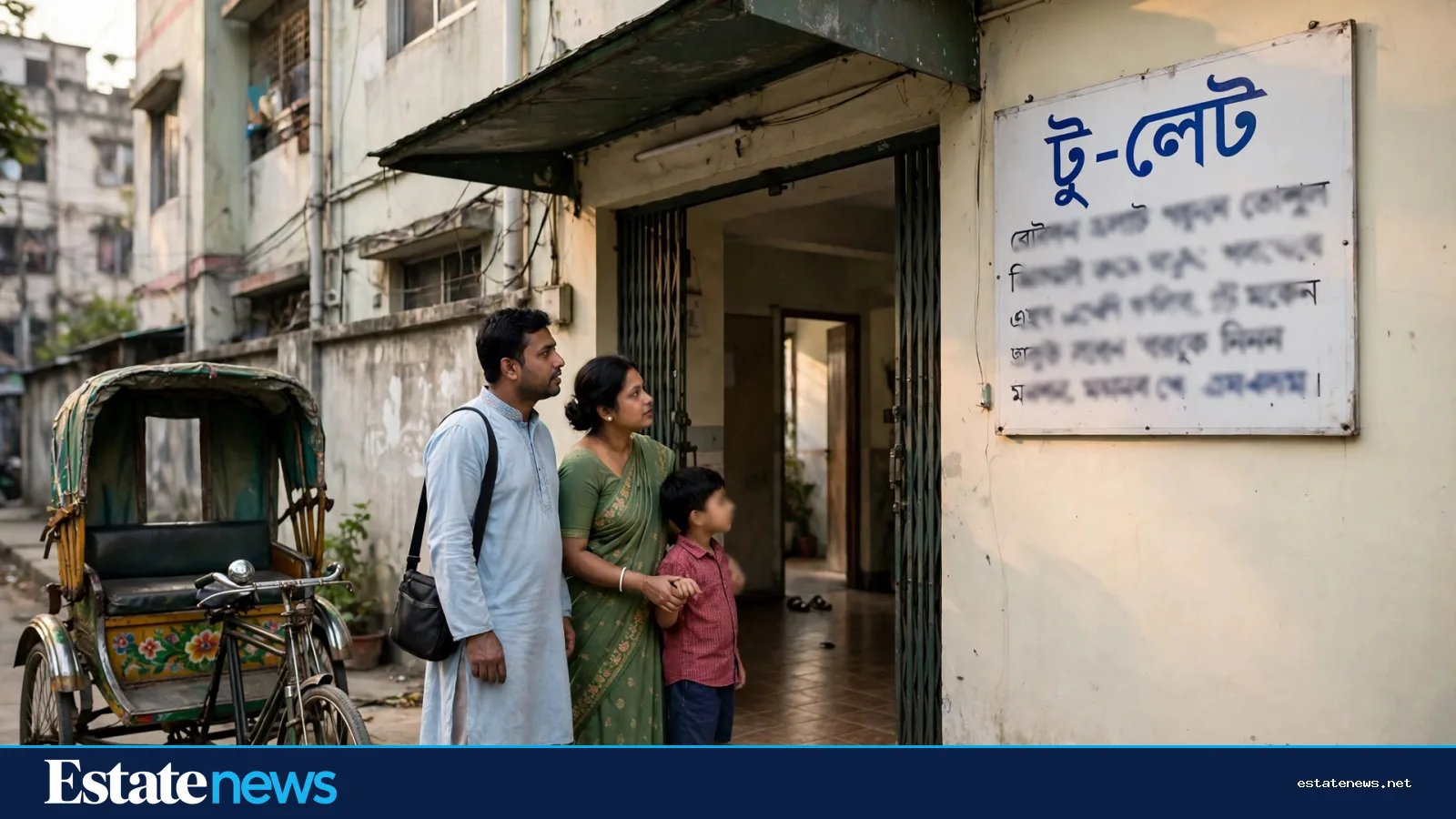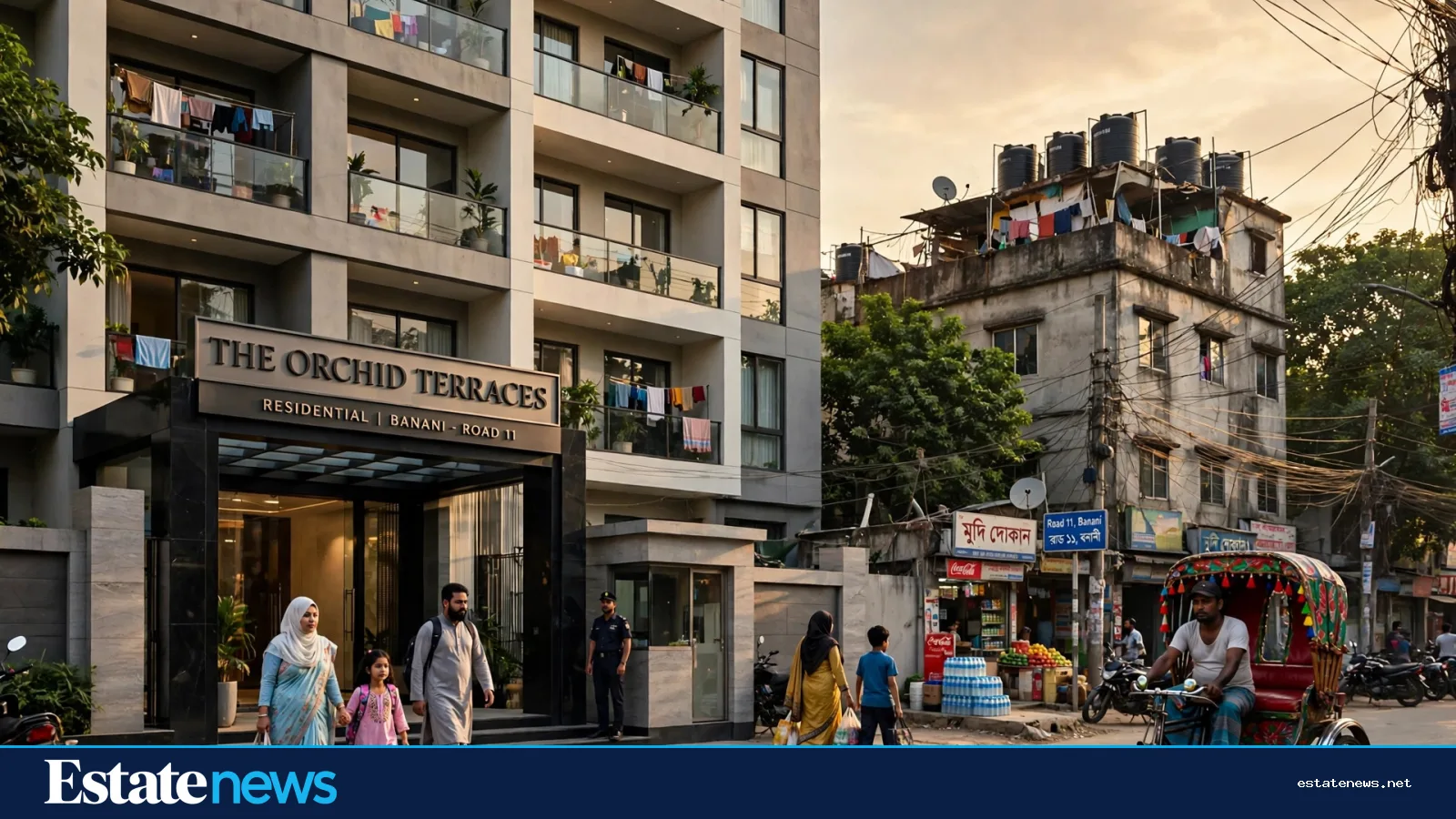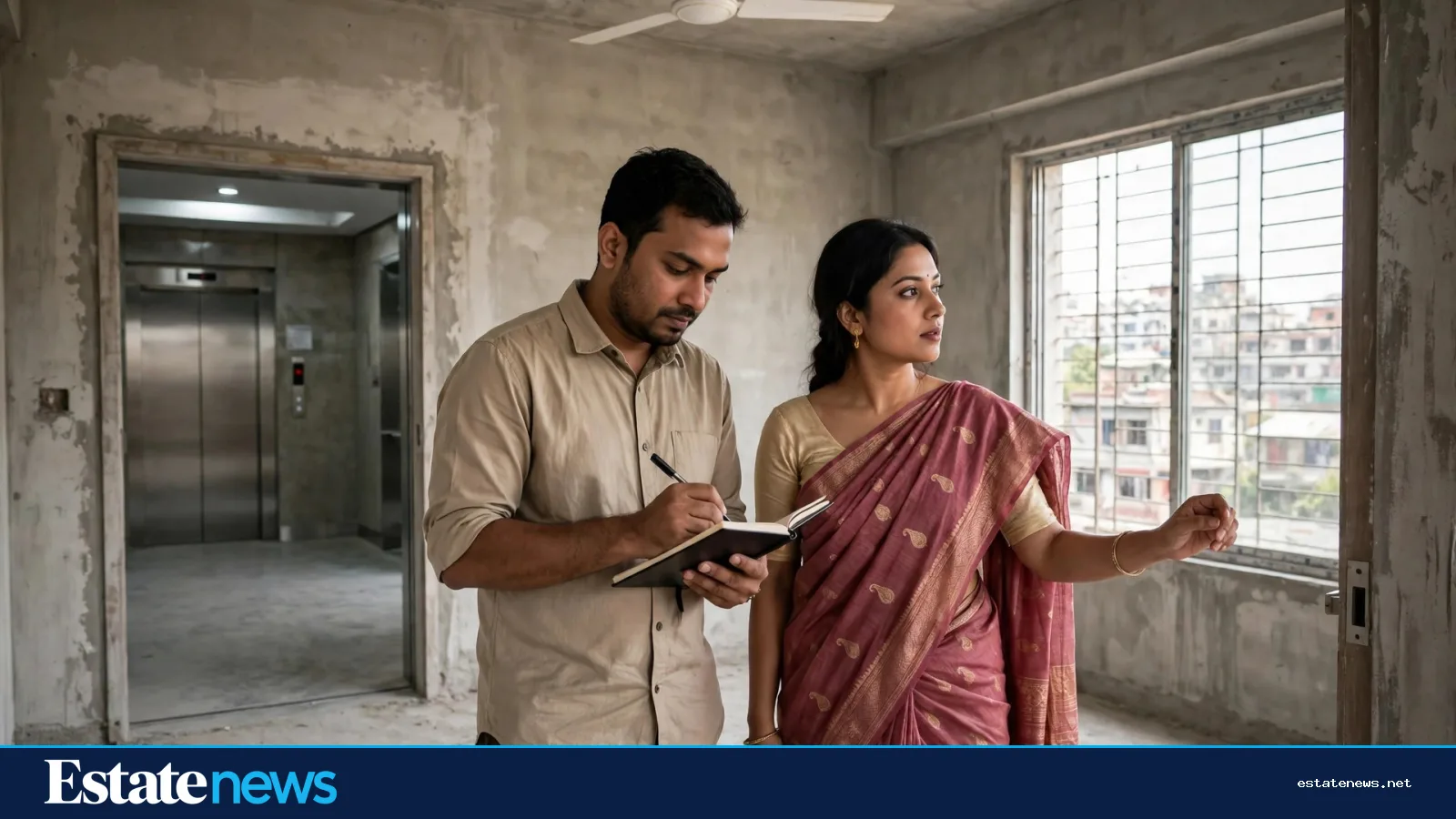
The advertisement was simple. A ready flat, a good size, a price per square foot well below the area's usual rate. A young couple in Mohammadpur did the sums in their heads and felt the excitement every first-time buyer knows. Then they visited. The building stood at the end of a lane that flooded in the rain. The lift had been out of order for a week. The common areas were unfinished, and the service charge, when they asked, was higher than in buildings twice the price. They walked away. The cheap flat had not been cheap at all.
Per-square-foot price is the number every Dhaka buyer compares first, and it is the number most likely to mislead. It is a single rate for a purchase that involves a place, a building, a neighbourhood and a decade or more of monthly costs. A low rate can be genuine. A builder may be clearing stock, or a seller may need money quickly. It can also be the price of something missing, and the missing part is what the buyer pays for later.
The asking-price map, and what it hides

The Estate News area-price tracker, which takes the median of 9 to 11 current public listings per area as of 14 November 2026, puts asking prices at about Tk 20,000 per sq ft in Dhanmondi, Tk 18,667 in Gulshan, Tk 13,888 in Banani, Tk 12,500 in Uttara, Tk 9,865 in Bashundhara Residential Area and Tk 8,700 in Mirpur. These are asking prices, not transaction prices, and they cover a wide range of buildings. A flat listed far below its area's median deserves a second look, not a quick booking.
Location is the first thing a low rate can hide. A flat two kilometres further from the main road, the school or the metro station costs less per square foot, and costs more in rickshaw fares, time and patience every single day. In the monsoon, a low-lying lane can turn a short walk into a wade. Ask how the lane behaves in heavy rain, and ask the neighbours, not only the seller.
Build quality shows up late
A cheap flat can also mean a cheap build. Thin walls carry sound from the next flat. Poor plaster cracks within a year. A roof that was not waterproofed properly leaks in the first heavy rain, and the repair falls on the residents. None of this shows in a photograph. It shows in the stairwell, in the corners of the top-floor ceiling, in the way doors sit in their frames, and in the state of buildings the same developer finished five years ago. Visit an older project by the same builder before you sign. That visit is worth more than any brochure.
The common areas tell their own story. A building with an unfinished lobby, a broken lift and a dark staircase has either run out of money or run out of care. Both are expensive for residents. The lift will need repair, the generator will need fuel, and the service charge will carry the cost. A flat that looked cheap can end up with a monthly bill that erases the saving within a few years.


The monthly bill is the real price
Service charges, gas, water and electricity are where a low per-square-foot rate often comes back to bite. Ask for the actual monthly bills of a flat in the same building, not an estimate from the seller. Ask what the service charge covers, and whether it has risen in the last two years. Ask about the gas line: a building on a shared line may face low pressure in the evening, when every kitchen is cooking at once. Ask about water: a building that depends on a deep tube well and a pump will charge for the power to run it, and a pump that breaks leaves every flat dry.
Resale is the last test. A flat that was cheap to buy is often cheap to sell, because the next buyer will see the same lane, the same lift and the same bills. A building with a good name, a maintained lift and a residents' association that keeps records will hold its value better than a cheaper flat in a building nobody maintains. The per-square-foot rate at purchase is only half the story. The rate at resale is the other half.
What to check instead
Start with the building, not the rate. Walk the lane in the evening, when the area is at its busiest. Ride the lift. Look at the roof and the staircase. Talk to a resident who has lived there for two years or more. Read the deed and the RAJUK approval, and check the mutation record. Then sit down with the monthly costs: service charge, gas, water, electricity, and a small reserve for repairs. Add them to the loan instalment, and compare that total with a flat that costs more per square foot but less per month.
A low rate is not a warning sign by itself. It is a question. Ask what the rate leaves out, and the answer will tell you whether the flat is a bargain or a bill that arrives in instalments for years.
[Read more: The Hidden Costs of Buying a Flat in Bangladesh That First-Time Buyers Miss](https://estatenews.net/finance/the-hidden-costs-of-buying-a-flat-in-bangladesh-that-first-time-buyers-miss) | [The True Monthly Cost of Owning a Dhaka Flat: Beyond the Instalment](https://estatenews.net/finance/the-true-monthly-cost-of-owning-a-dhaka-flat-beyond-the-instalment) | [Apartment Registration Cost in Bangladesh: A Buyer's Guide](https://estatenews.net/policy/apartment-registration-cost-in-bangladesh-a-buyers-guide)