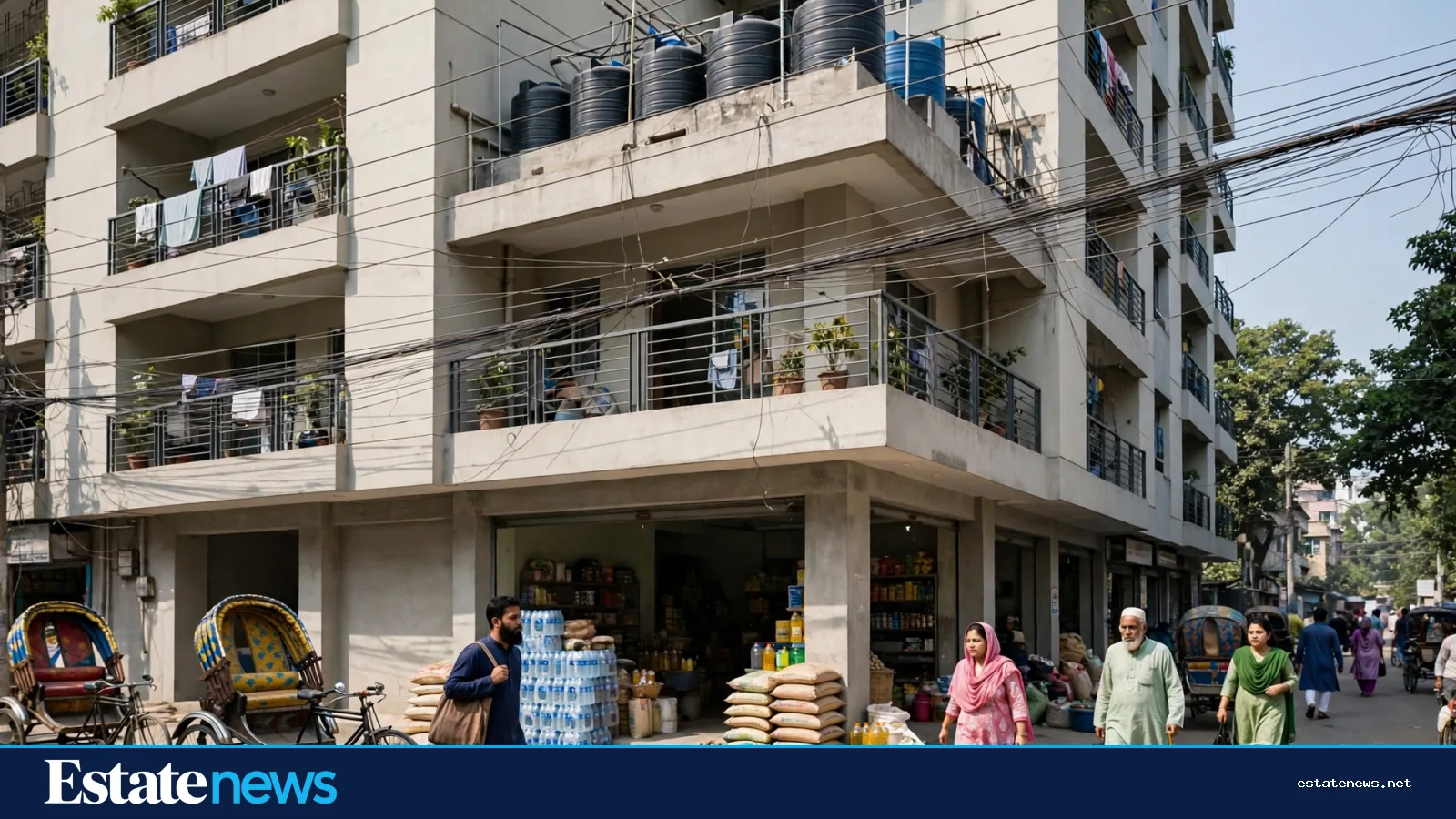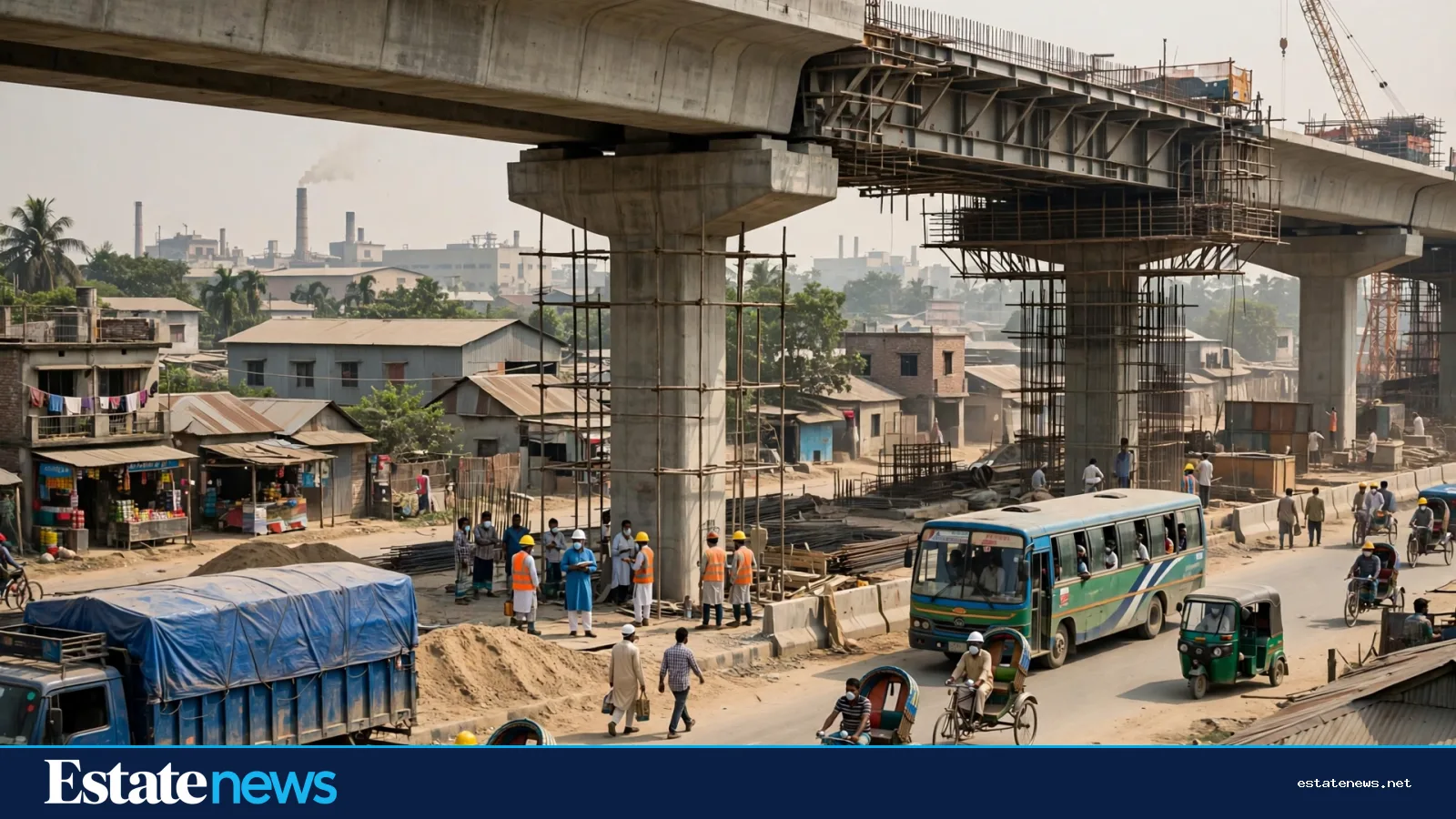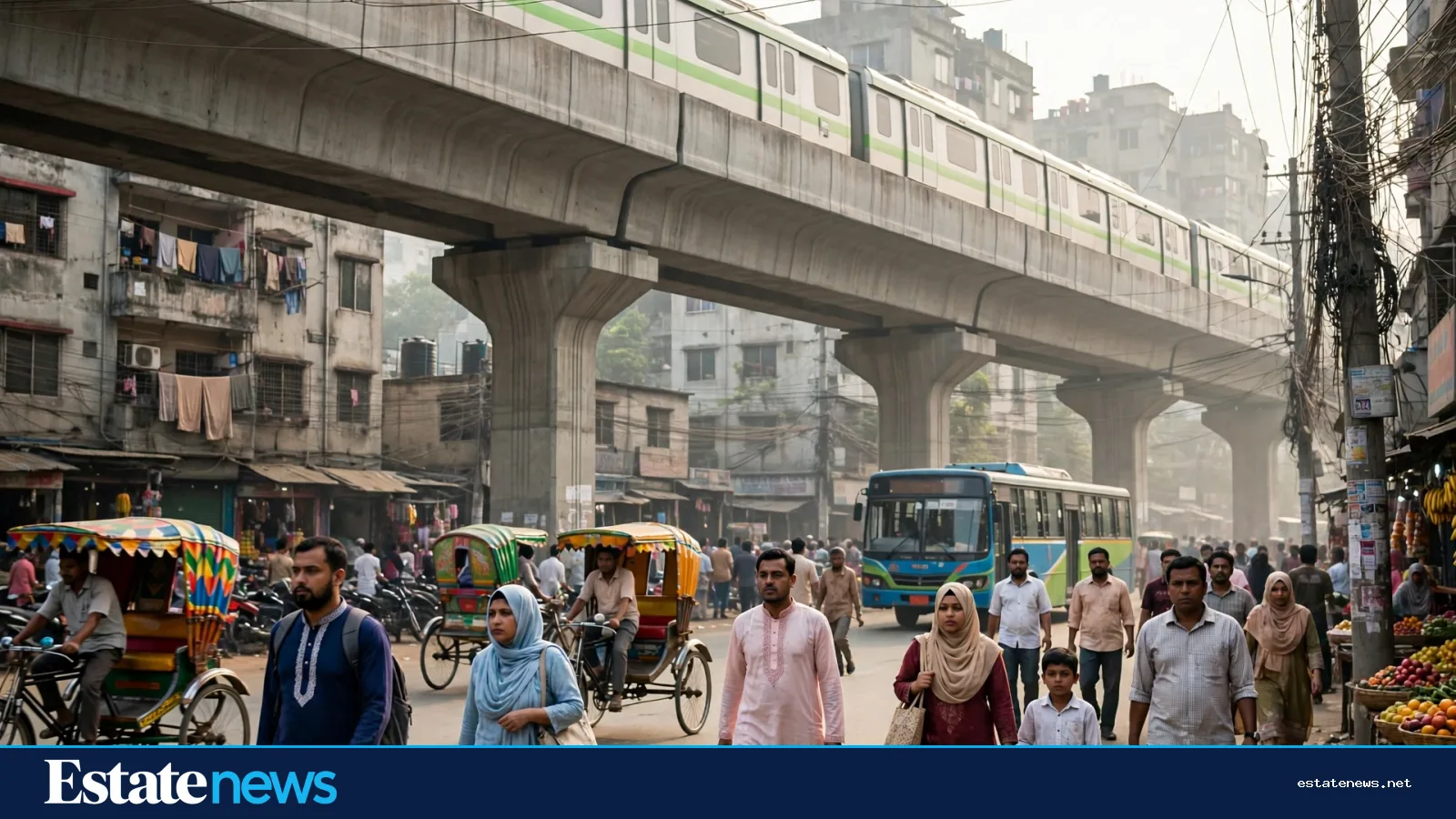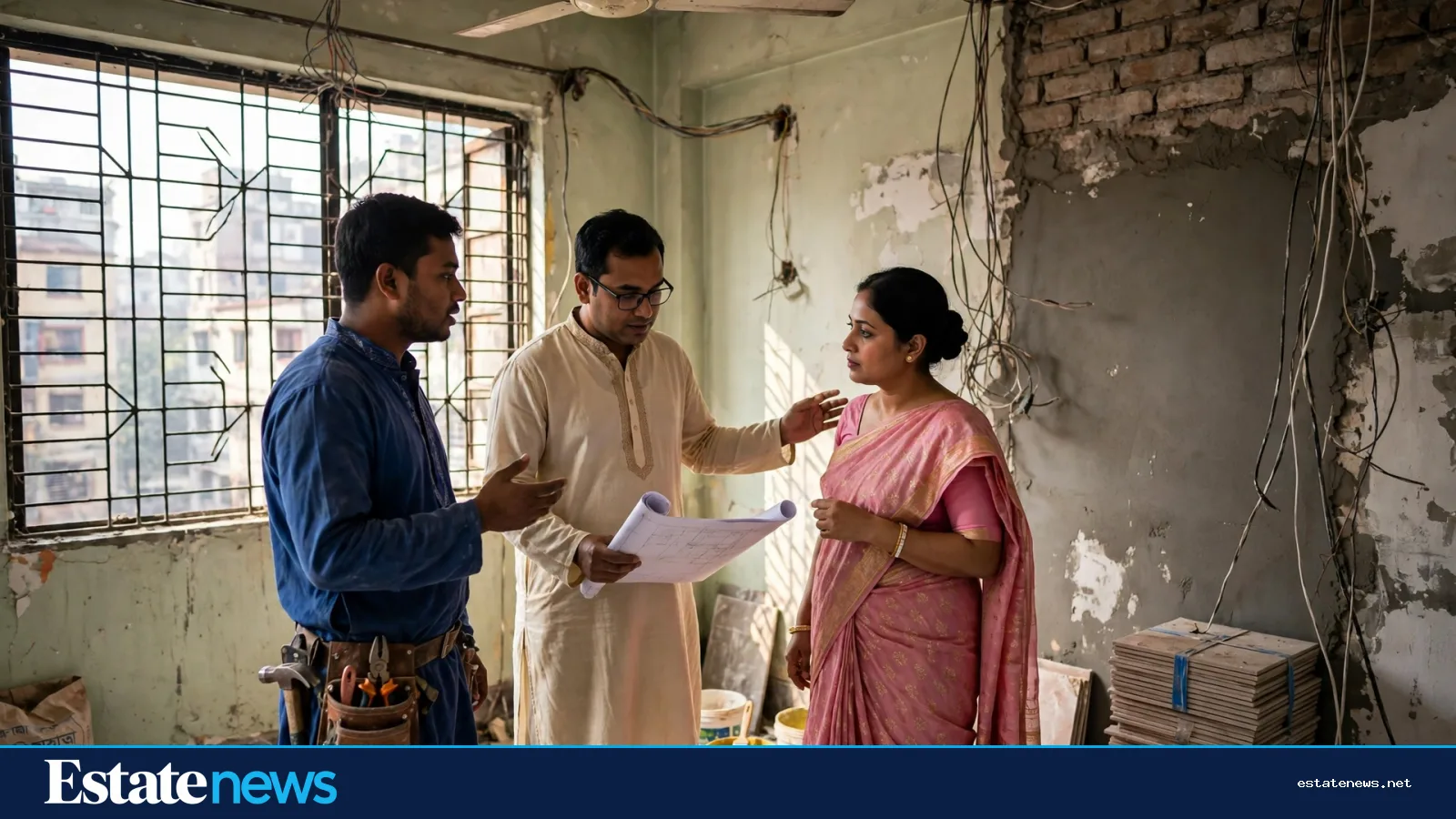
Ask a Sylhet family why they chose a particular neighbourhood and the answer rarely starts with a building. It starts with a school run, a parent's office, a relative's house in the next lane, or the time it takes to reach the airport when a brother lands from London. Housing in Sylhet is a family decision first and a property decision second, and connectivity is the thread that runs through it.
The city's shape helps explain that. Sylhet town sits between hills and tea gardens, with the Surma river nearby and neighbourhoods like Zindabazar, Amberkhana, Shahjalal Uposhohor and South Surma each carrying a different character. Zindabazar is the commercial heart, busy from morning to night. Uposhohor and its surrounding blocks offer quieter, planned streets that appeal to families with school-age children. South Surma, across the river, has grown as plots and houses spread along improved roads. A family's choice between these places often comes down to one calculation: how long, and how reliably, can we reach the places we go every day.
The airport road effect

Osmani International Airport sits to the north-east of the city, and the road to it carries more than passengers. For Sylhet's large non-resident community, the airport is the front door of the city. A relative arriving from the United Kingdom or the Middle East judges the journey home by that road. Families building houses in the city often think about that arrival, and about their own trips abroad, when they pick a location. Areas with a straightforward airport run, without a long detour through congested junctions, carry a quiet advantage in family conversations.
The same logic applies to the roads out of the city. Sylhet's links towards Dhaka, Chattogram and the border areas shape where people with businesses in more than one city choose to live. A house near a good outward road means a trader can reach a factory or a wholesale market without crossing the whole city first. Students heading to Shahjalal University of Science and Technology or to colleges in the city weigh hostel and mess options against the same road map.
Plots, flats and the NRB family


Sylhet's housing market has a feature that Dhaka's does not, at least not at the same scale: a large share of buyers live abroad. Non-resident Bangladeshi families send money home, buy plots, build houses and keep a family base in the city. For them, a plot in a developing area is often more attractive than a flat, because a house can be built in stages, extended as the family grows, and used by different generations on visits home.
That preference shapes whole neighbourhoods. Streets fill up house by house rather than block by block. A plot bought this year may sit empty for two years while the family finishes a house abroad, then gain a boundary wall, then a ground floor, then upper floors as funds allow. Local builders, masons and materials suppliers know this rhythm well, and it explains why Sylhet's outskirts show so many half-finished houses next to completed ones. It is not a sign of stalled work so much as a sign of how these families build.
Flats have their own place in this picture. Young professionals, small families and retirees who want less maintenance often prefer a flat in Uposhohor or near Zindabazar, close to hospitals, schools and markets. The trade-off is familiar: a flat offers security and services, while a plot offers space and control. Families argue about that trade-off over tea for months before deciding, and the road outside usually settles the argument.
What better links could change
Road widening, bridge work and airport improvements do not change a city overnight. They change it trip by trip. A mother who can reach a hospital in twenty minutes instead of forty starts to think of a neighbourhood as practical rather than distant. A businessman who can reach the airport without a two-hour margin starts to travel more often. A student who can commute from a family home instead of renting a mess saves money that the family can put into the house itself.
None of this points to a single direction for prices, and no index is offered here. Sylhet's housing costs vary sharply by lane, by plot position and by building quality, and any single figure would mislead. What better connectivity does change, with more certainty, is the map in people's heads: which areas count as near, which as far, and which as worth considering at all. In a city where family ties decide so much, that mental map is the market.