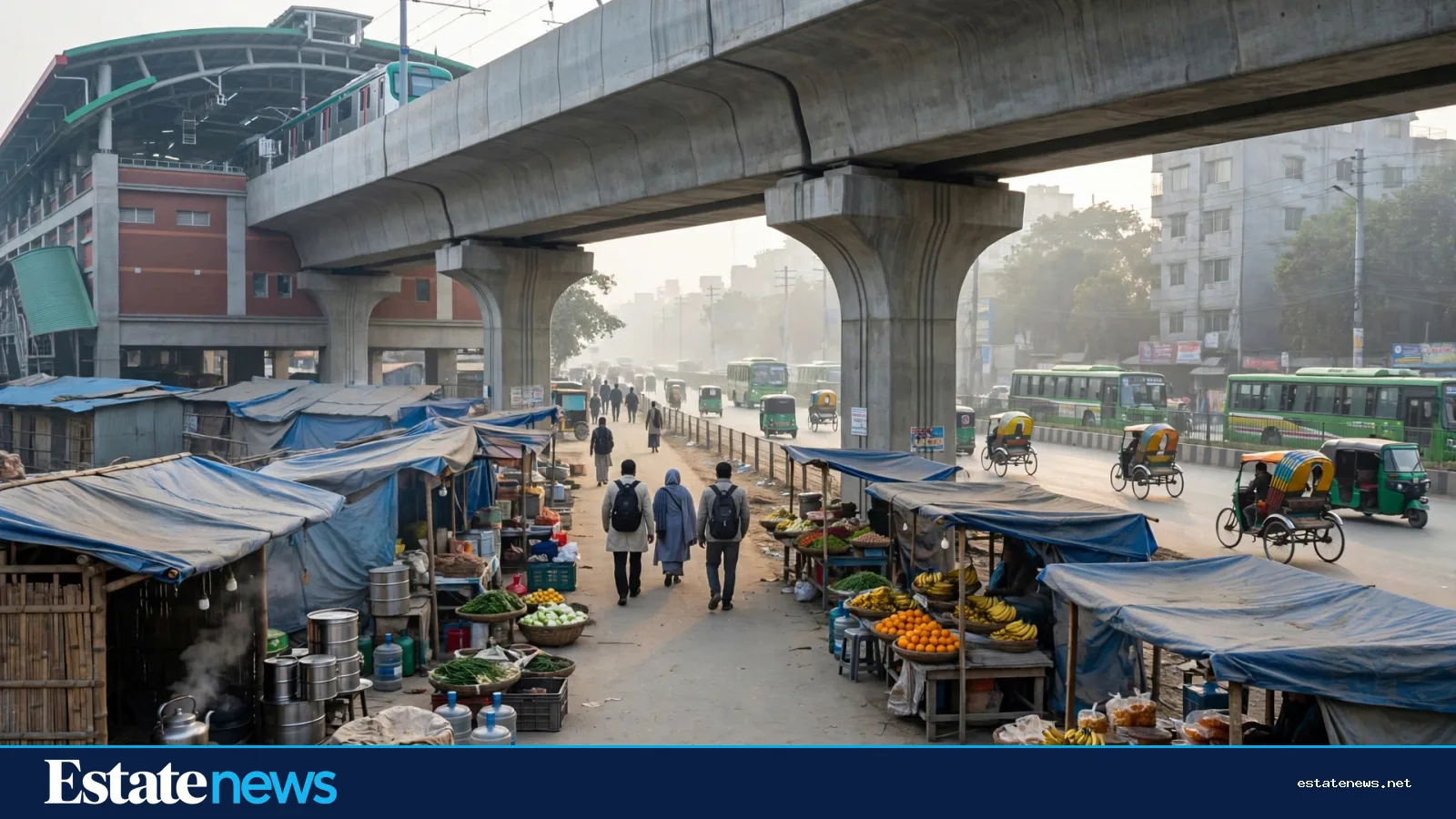
Stand at Motijheel station in the morning and the pattern is easy to read. Office workers pour out towards the banks and government offices. Students head for the university area. Vendors set up along the footpaths before the crowd thickens. Kamalapur, a short distance to the east, is where the city's railway network gathers. Linking the two by metro would close a gap that commuters currently cross by bus, rickshaw or on foot through some of the busiest streets in Dhaka.
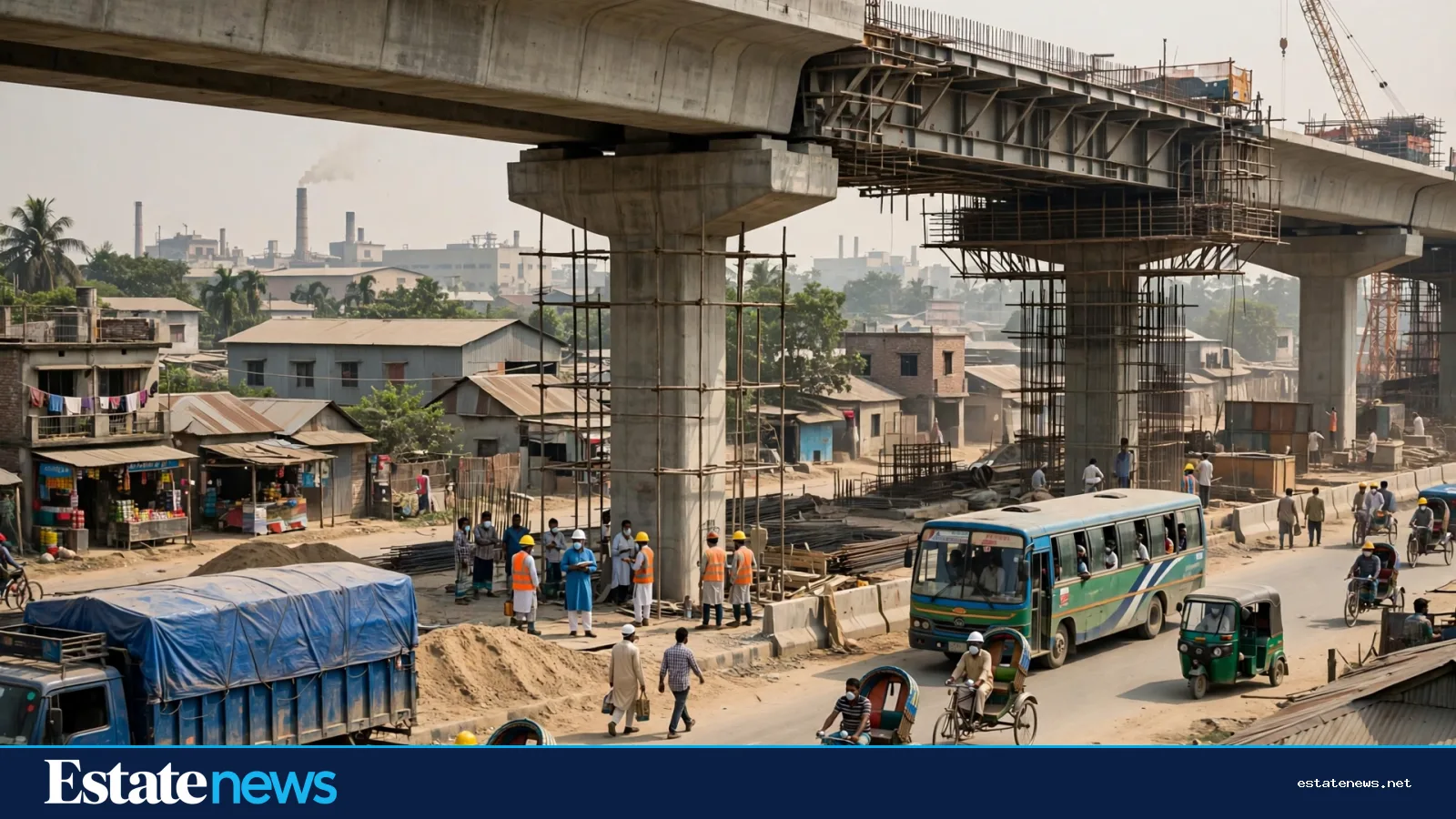
The extension works run east from Motijheel towards Kamalapur. Elevated viaducts, station structures and systems work have been visible along the corridor for some time, and the project has been described in official project material as the final stretch of the MRT Line 6 route. When it opens, a passenger arriving at Kamalapur by intercity train will be able to step onto the metro without a separate road journey into the centre. For a family travelling with luggage, or a worker catching an early train out of the city, that single change removes the most uncertain part of the trip.
What changes for the daily commute

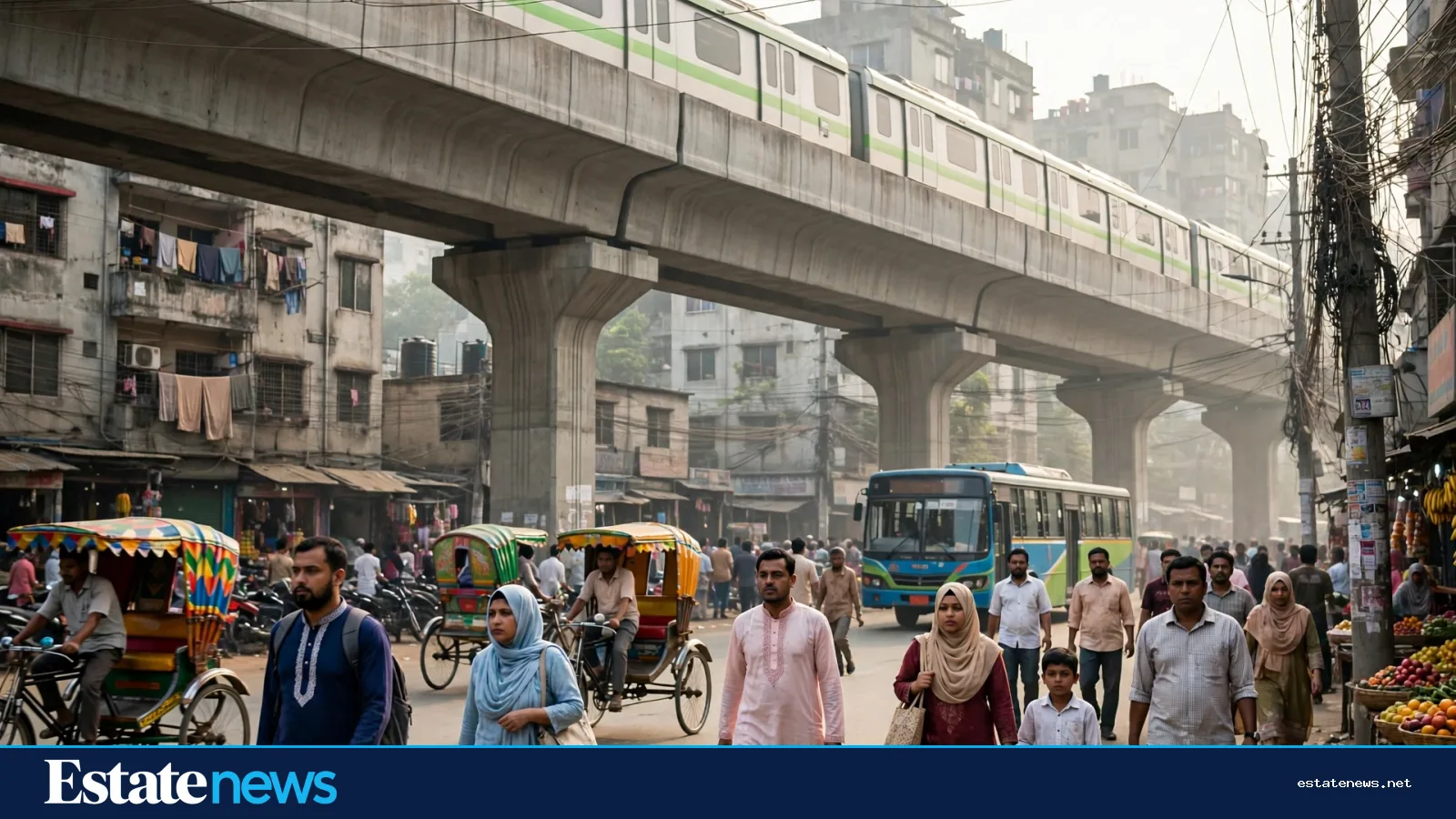
The practical gain is time reliability. A bus from Kamalapur to Motijheel can take ten minutes on a clear morning and far longer when traffic builds around the station approaches. A metro runs on its own viaduct, apart from that traffic. People who live in Khilgaon, Mugda and the streets around Kamalapur, and who now depend on buses or leguna services, would gain a direct ride to Uttara in the north and to the commercial centre in the middle of the route. School and hospital trips become easier to plan, because the journey time stops depending on the state of the road below.
The interchange itself matters as much as the stations. Kamalapur already handles long-distance trains, and the area around it carries heavy bus and rickshaw traffic. A working interchange needs clear footpaths, safe crossings and space for buses and rickshaws to pick up and drop off without blocking the station road. Those details will decide whether the extension feels like a smooth transfer or a crowded bottleneck. Dhaka's older stations show both outcomes, and the difference usually comes down to how the street outside is managed.
Homes near the line


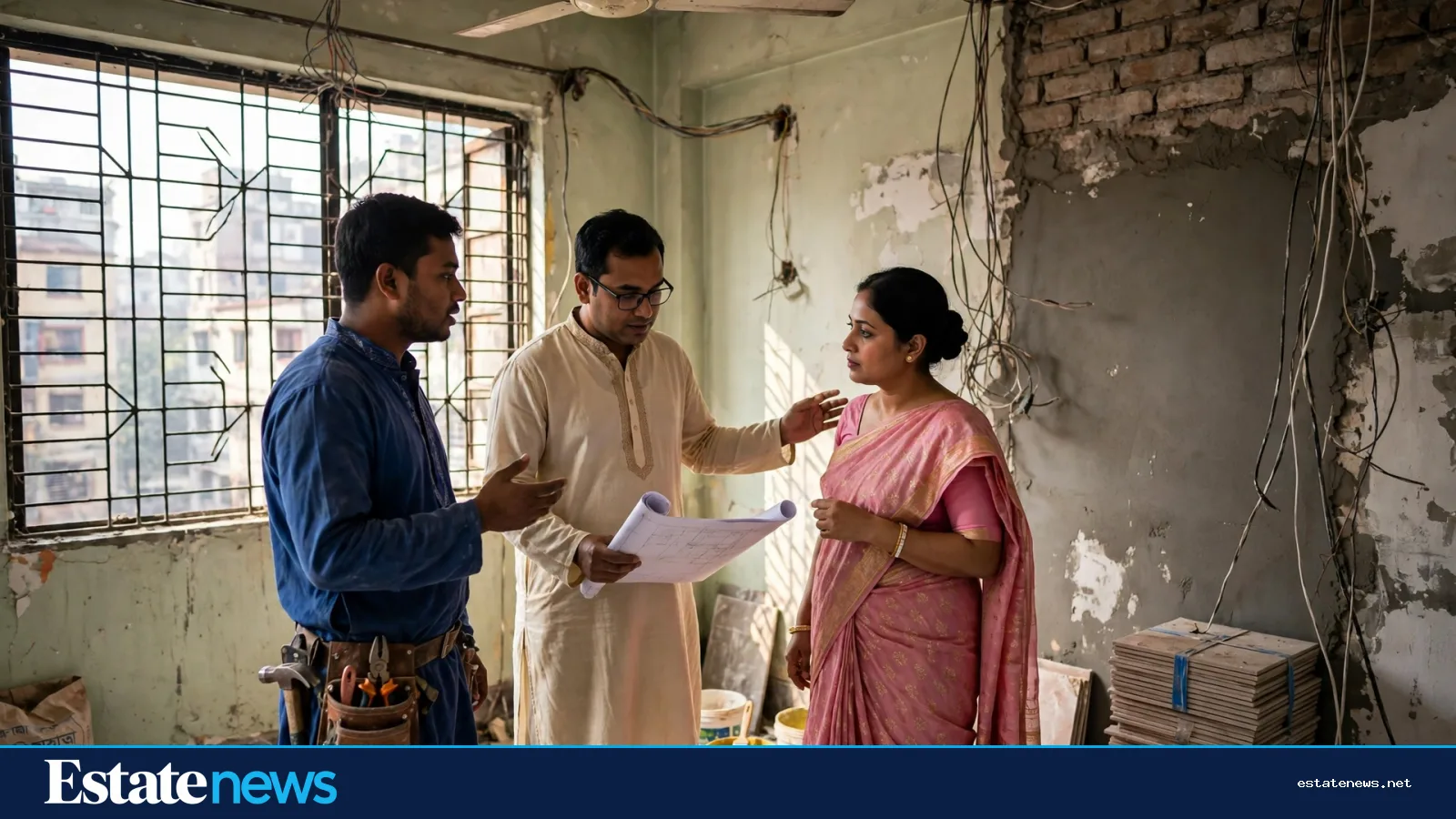
For households, the honest way to think about the extension is through daily life, not through price talk. A flat within walking distance of a station saves a rickshaw fare twice a day and gives teenagers a way to reach coaching centres and colleges without a parent driving them. Older residents gain a route to hospitals in the centre that does not require negotiating traffic. Tenants who move often, including young professionals and small families, tend to weigh that kind of access heavily when they choose between two similar flats in nearby areas.
None of that is a promise about values. Rents and prices near a new station respond to many things at once: the age of the building, the quality of the street, water and gas supply, and the wider market at the time. What can be said with more confidence is that access changes behaviour. People travel further for work, visit family more often and consider areas they once ruled out for distance. Over time, shops, clinics and coaching centres cluster near stations for the same reason, and the neighbourhood's daily rhythm shifts around the station's opening hours.
What to watch as opening nears
Three things deserve attention before the extension opens. Station access roads and footpaths need to be finished, not left as an afterthought. Feeder services, including buses and rickshaws, need organised stands rather than informal queues across the road. And the areas around intermediate stations need the ordinary services that make a station useful: lighting at night, safe crossings and clear signs. Residents near the corridor can judge the project on those practical points long before any timetable is published.
The extension will not solve Dhaka's traffic on its own. It adds one more reliable spine to a city that still moves largely by road. For the commuters who will use it every day, though, the difference between a road journey that varies by the hour and a rail journey that does not is the whole point.