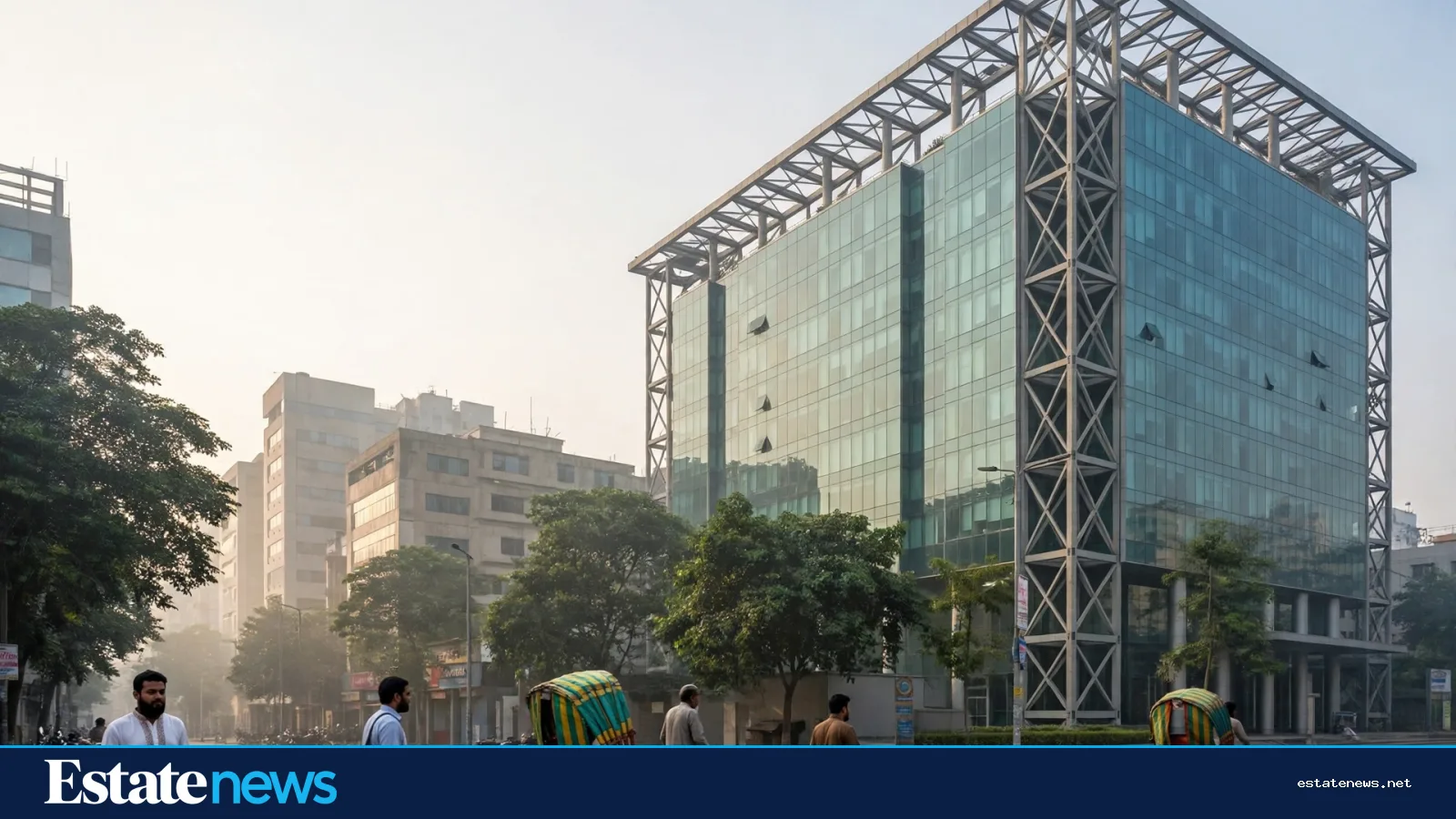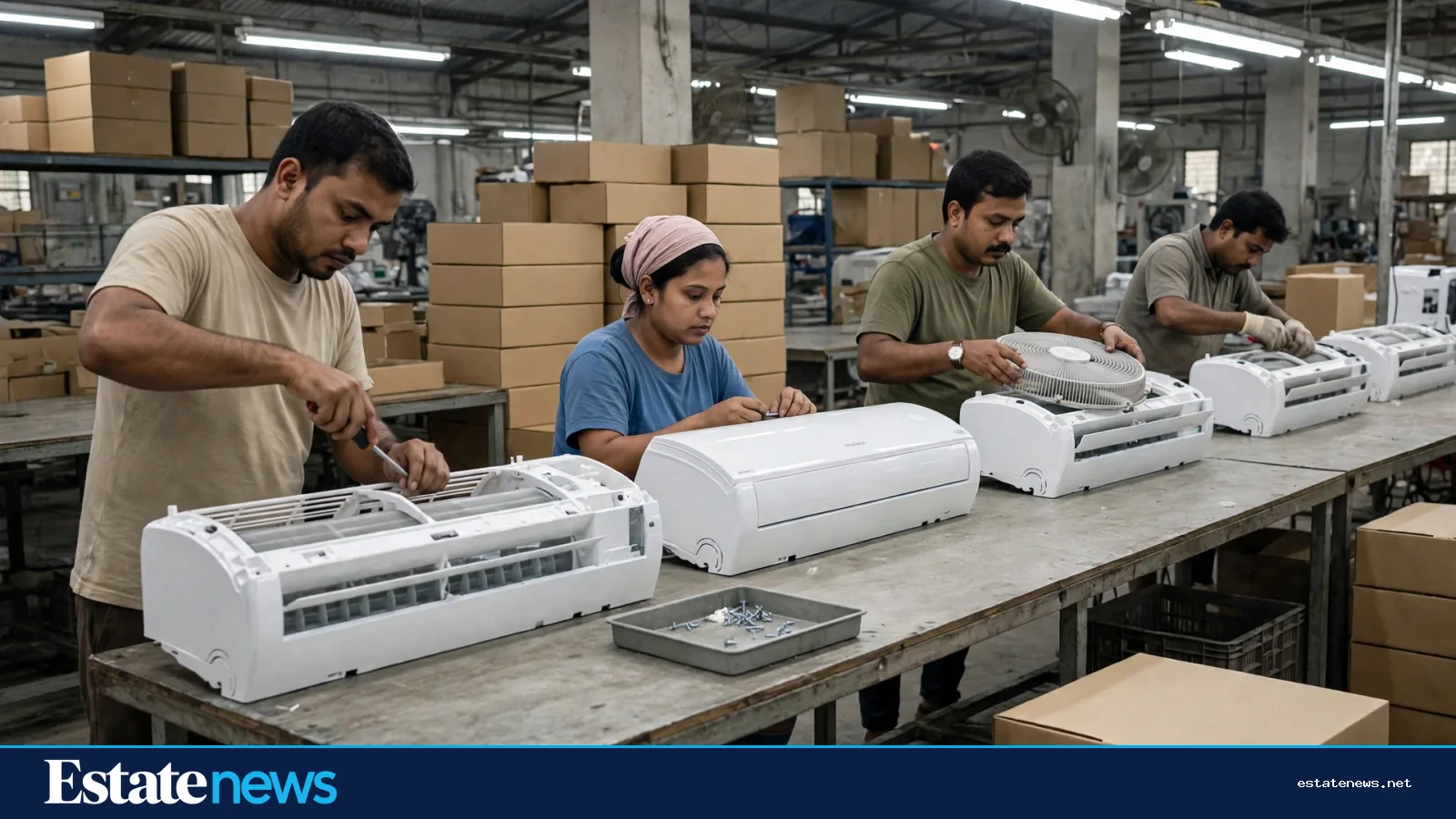
A global appliance maker wants Bangladesh to be the place it builds for the region. Haier Bangladesh Limited says it is working on a plan to expand local production and investment so the country becomes a regional manufacturing hub for South and Southeast Asia. The company laid out the plan at a knowledge-sharing session with journalists in Gulshan, Dhaka, and in a statement issued afterwards.
The aim, as the company put it, is to increase production capacity, reduce import dependency and help the country's home appliance industry grow. No figure was put on the expansion in the announcement, and no new location or completion date was given. What is on the record is the direction: more made here, more of it made from parts produced here, and a supply chain that leans less on imports.
What Haier already makes here

Haier began operations in Bangladesh in 2020. Its own factory in Gazipur now makes air conditioners, washing machines and televisions. Refrigerators and freezers are produced under contract manufacturing arrangements. The company also imports and markets other appliances according to local demand.
The local content is deeper than assembly. Company officials said Haier now produces key air conditioner components in Bangladesh: condensers, evaporators, tubes, and indoor and outdoor bodies. Each component made locally is one less part shipped in, and one more step in the value chain that happens inside the country. The company framed this under its Made in Bangladesh initiative, the push to raise local value addition in the industrial sector.


Fan Jing, chief executive of Haier Bangladesh Limited, said the company's goal is to bring world-class innovation and modern technology to every household in the country. Fan took over as chief executive in October 2026, after nearly two decades with Haier across Southeast Asia. Haier Bangladesh is part of the global Haier Group, and its parent company, Haier Smart Home Co. Ltd., is listed on the 2026 Fortune Global 500.
What a hub means for factory towns
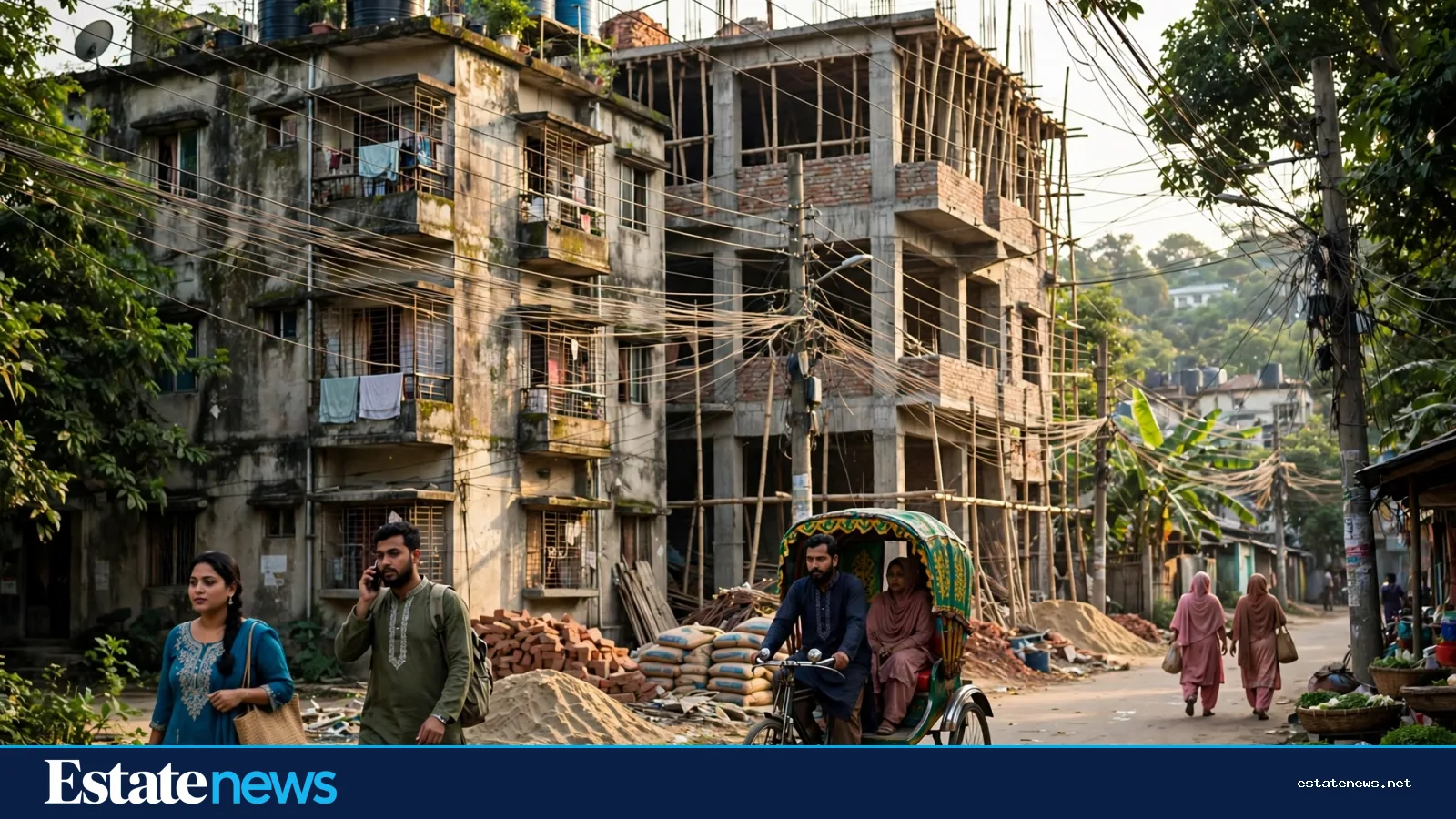
A regional hub is not only a factory. It is the suppliers around it, the workers it trains, the warehouses and the housing those workers need. Gazipur already knows this pattern: a large plant draws component makers, transport firms and services, and the town around it grows to house the workforce. If Haier's expansion follows the plan it described, the same logic applies at a larger scale, with more skilled jobs and more demand for homes near industrial areas.
The announcement lands in a manufacturing economy that is already moving. Estate News reported in "Factories Grew 8.79% in August: What It Means for Housing" how factory output is rising, and in "Building Costs This Winter: Rod, Cement and the Sq Ft Maths" what the materials for new industrial buildings cost. A hub announcement is a promise about the future, and its test will be visible in the ordinary signs: new lines running, new suppliers opening, new workers hired.
For readers in Gazipur and the industrial belts around Dhaka, the detail to watch is the next step after the announcement: which products get new capacity first, and how much of the component chain moves local. Haier has said what it intends. The factory floor will show how fast it happens.