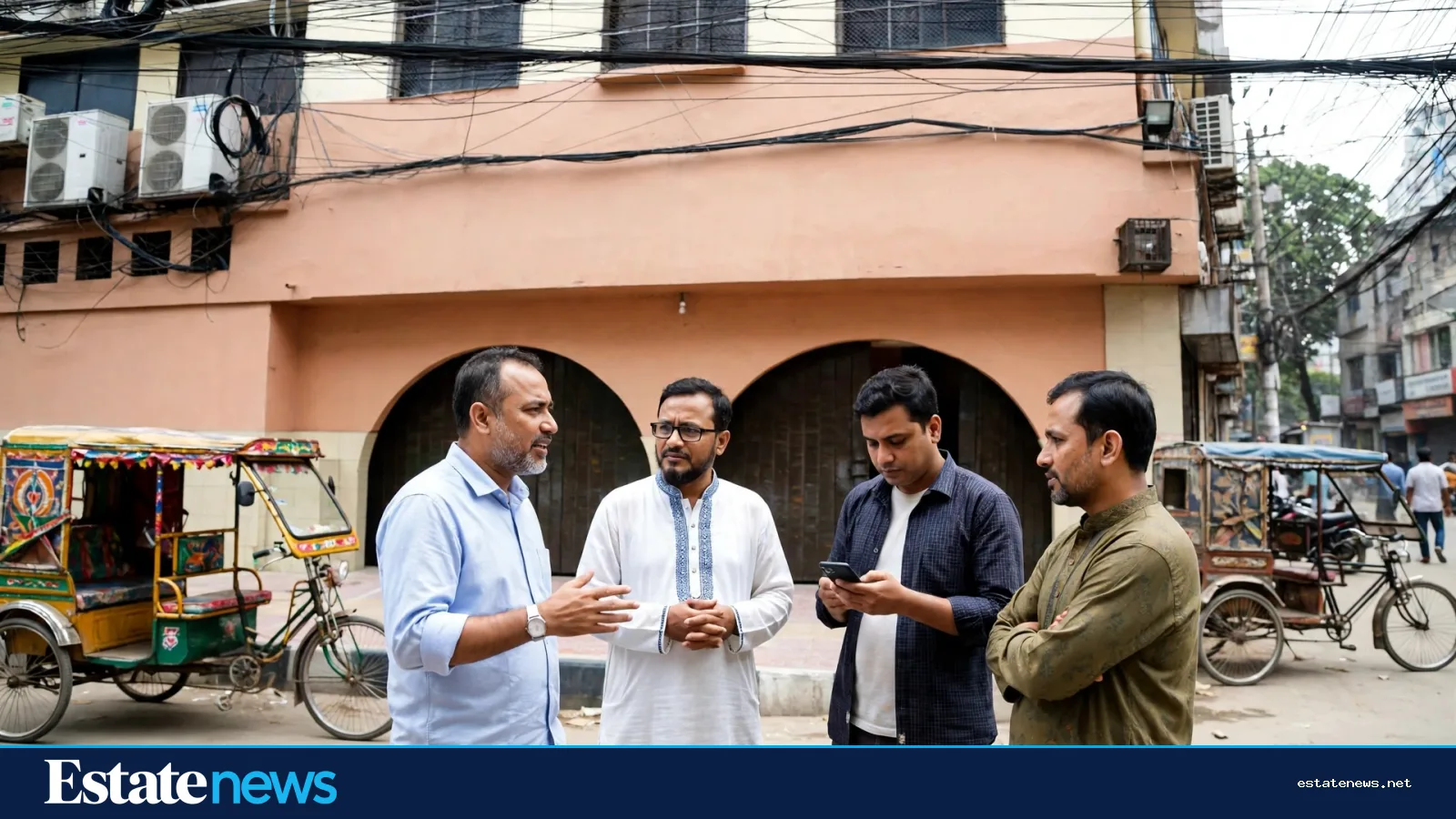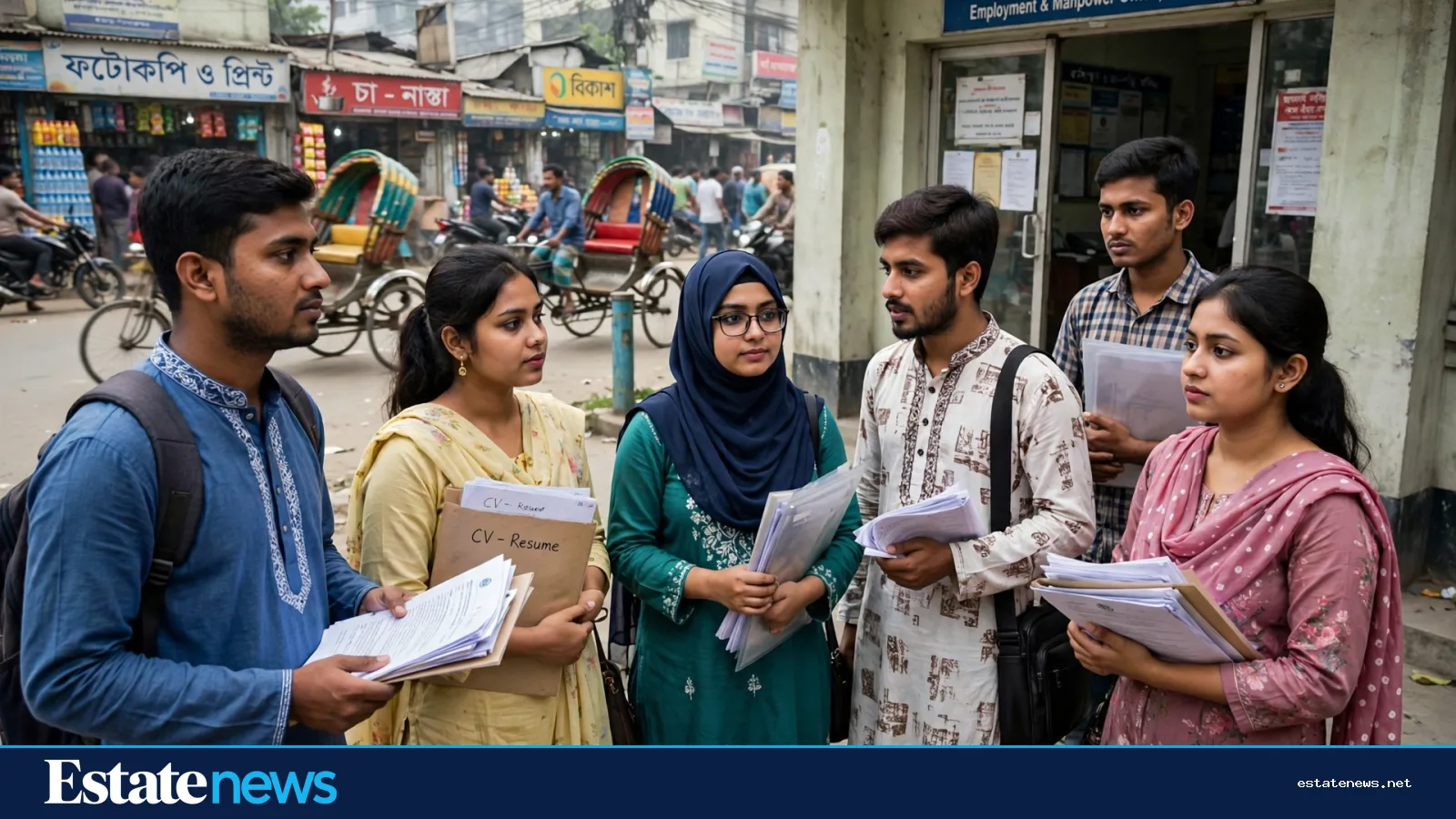
The jobs are there, or so the plans say. The training courses run, the loan schemes are announced, the policies are written. Yet a young graduate in Dhaka still sends out application after application and hears nothing back, and a young shopkeeper in a district town still cannot borrow enough to buy a second sewing machine. A study released in Dhaka on Friday says the gap between the opportunity and the outcome is where the story sits.
The survey comes from the Power and Participation Research Centre, working with The Asia Foundation. It was presented at the CIRDAP auditorium in Dhaka under the title "Opportunities Exist, Results Do Not: The Missing Middle in Youth Livelihood Pathways". Its finding is plain: young people struggle to turn economic opportunities into jobs and businesses because the institutions around them do not carry them the last stretch.
The numbers behind the wait

Unemployment among people aged 15 to 29 stands at 8.07 percent, according to the survey, against a national rate of 3.66 percent. Many fail to find work even after completing higher education. Most of the young people who are working are in the informal sector, outside the protections and the steady pay of formal employment.
Money is the sharpest edge. Nearly two-thirds of aspiring entrepreneurs named a lack of capital as a major challenge, and around 70 percent said microcredit was not enough for what they wanted to build. Hossain Zillur Rahman, the PPRC executive chairman, put the problem as a gap in the middle: microcredit is too small for a growing business, and a bank loan asks for collateral a young borrower does not have. Between the two, there is no workable step.
Hiring, skills and the runaround
Finance is only one of four barriers the study names. Recruitment is often non-transparent, so a young applicant cannot tell what a job actually requires or why someone else got it. Skills do not match what employers want: the certificate says one thing, the workplace asks for another. And public services are hard to reach, with young entrepreneurs reporting harassment when they try to use them.


Imran Matin, executive director of the Bangladesh Institute of Governance and Development, told the event that the distance between a budget allocation and a result on the ground needs closing, and so does the distance between a training certificate and a usable skill. That means employers involved in training, and local governments strong enough to carry the work.
Regional differences make it worse. Investment and opportunity cluster in a few places, and a young person outside them starts further back. The study's authors argue that policies and projects alone cannot create jobs unless their benefits reach young people through more private investment, banking reform, skills development and local employment.
What a fix could look like
Jean Pesme, the World Bank's division director for Bangladesh and Bhutan, told the event that greater domestic and foreign private investment is essential, and that it needs banking reforms, wider financial access, better revenue administration and a resolution of the energy crisis. He suggested something practical: banks could judge a small borrower's ability to repay from digital data instead of land or fixed assets. For a freelancer whose earnings arrive online, that change matters. The survey found banks often fail to recognise digital earnings when assessing loan applications.
Women face a steeper version of the same climb. Female entrepreneurs reported extra hurdles, including land ownership requirements that shut them out of the collateral a bank asks for. A finance system built around land as security will keep favouring the people who already hold land.
This is a housing story as much as a jobs story. A young person who cannot get finance or a fair hire cannot rent a room near work, let alone plan for a flat. Estate News covered one attempt to close the gap in "উদ্যোগ: তরুণ উদ্যোক্তাদের জন্য ২০ লাখ টাকার মিশ্র অর্থায়ন", the City Bank UDYOG programme offering Tk 20 lakh of blended finance to young entrepreneurs. Small loans reaching rural borrowers were the subject of "Agent Banking: Women Now Hold Half the Accounts", and the longer maths of renting against buying sits in "Rent or Buy in Dhaka: The Maths That Decides It in 2026".
The study does not call for a new scheme. It calls for the schemes that exist to work as promised: finance a young business can actually reach, hiring a young applicant can actually read, training that teaches what employers actually need, and services that do not punish the people who use them. Until those pieces connect, the opportunities will keep existing on paper, and the results will keep missing the young people they were meant for.