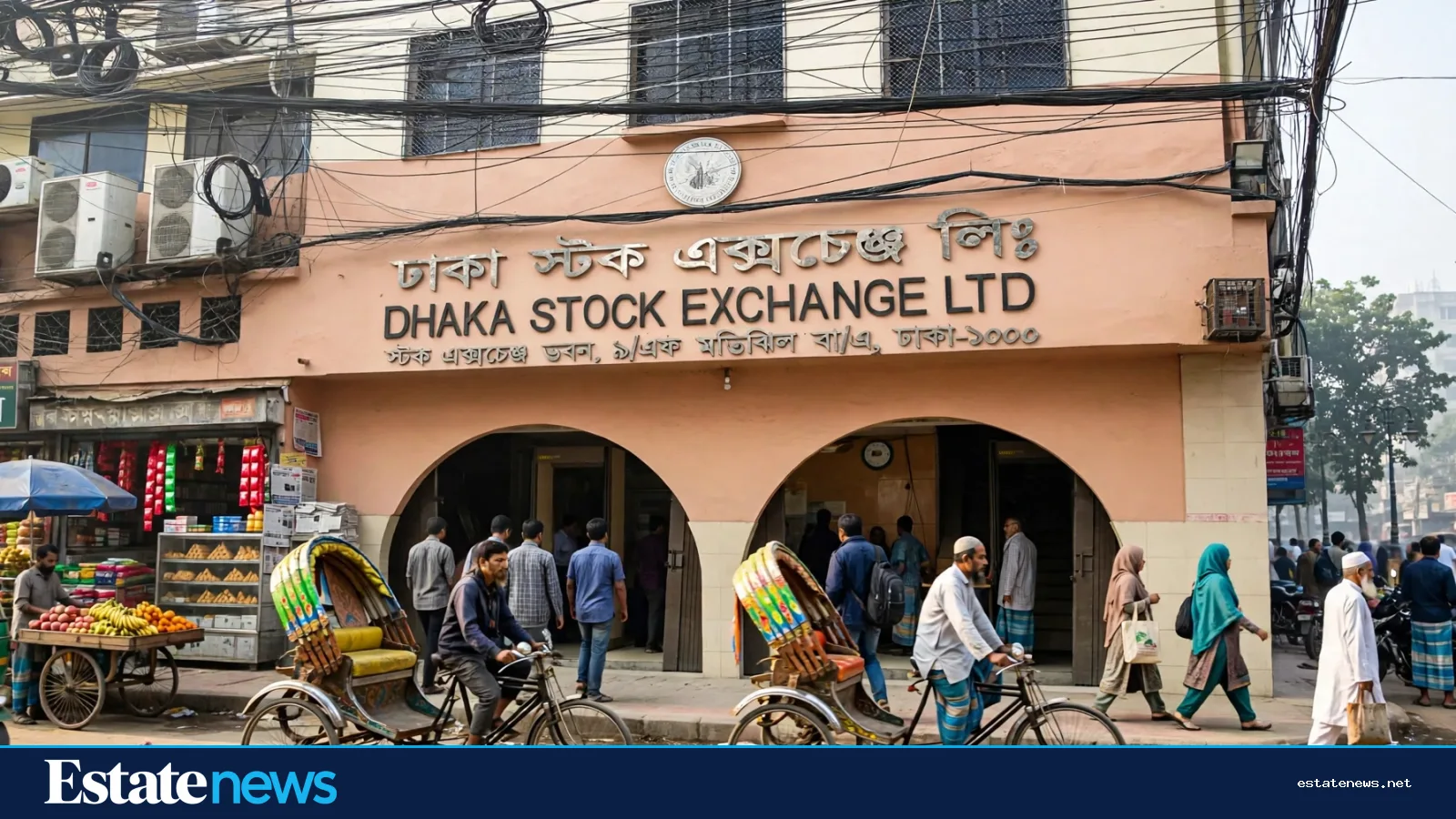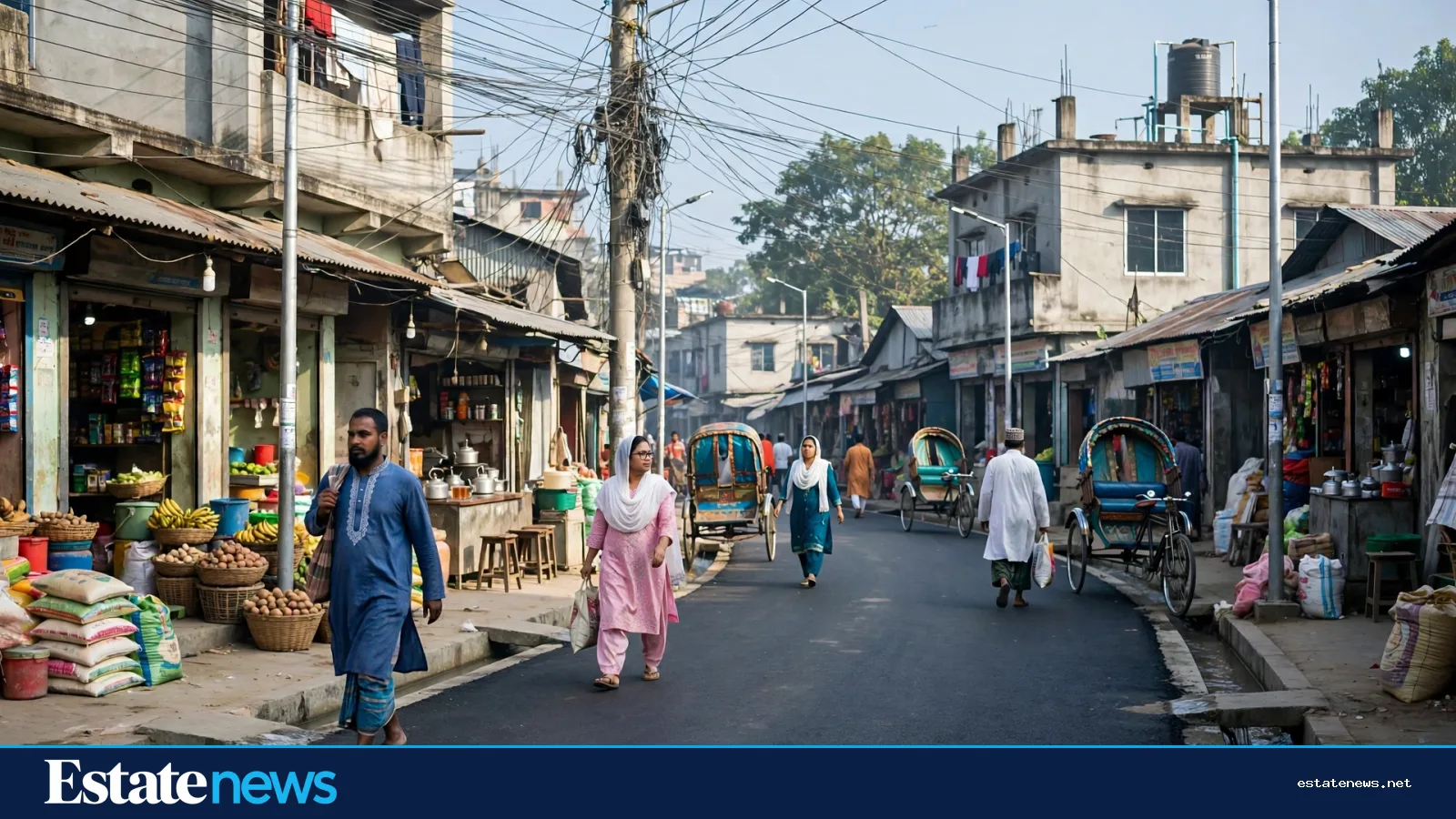
The money for Bangladesh's towns does not always arrive as a new project. Sometimes it arrives as a refill. The World Bank has signed an additional $95 million for the Resilient Urban and Territorial Development Project, known as RUTDP, to replace money that was moved away for emergency needs and to keep the project on track for completion by June 2030.
The financing agreement was signed on 15 November by Md Shahriar Kader Siddiky, secretary of the Economic Relations Division, and Jean Pesme, the World Bank's division director for Bangladesh and Bhutan. The Business Standard reported the signing on 16 November, citing an ERD press release.
Why a top-up was needed

The project was originally allocated $400 million. Of that, $95 million was later reallocated to the Contingency Emergency Response Component, the part of a project that can be drawn on quickly when a crisis hits. The new financing replenishes that amount, so the work can be completed as set out in the project proposal. Without it, the towns would have had $95 million less to spend on the services the project was built for.
What the $95 million is made of
The terms are generous, and they differ between the two parts. Of the $95 million, $92 million comes through the International Development Association's Scale-up Window-Shorter Maturity Loan. That portion carries no interest, no service charge and no commitment fee, and it is repayable over 12 years including a six-year grace period.
The remaining $3 million comes from the World Bank's Performance-Based Allocation. That portion carries an interest rate of 1.5% and is repayable over 25 years, including a five-year grace period.


What it pays for in the towns
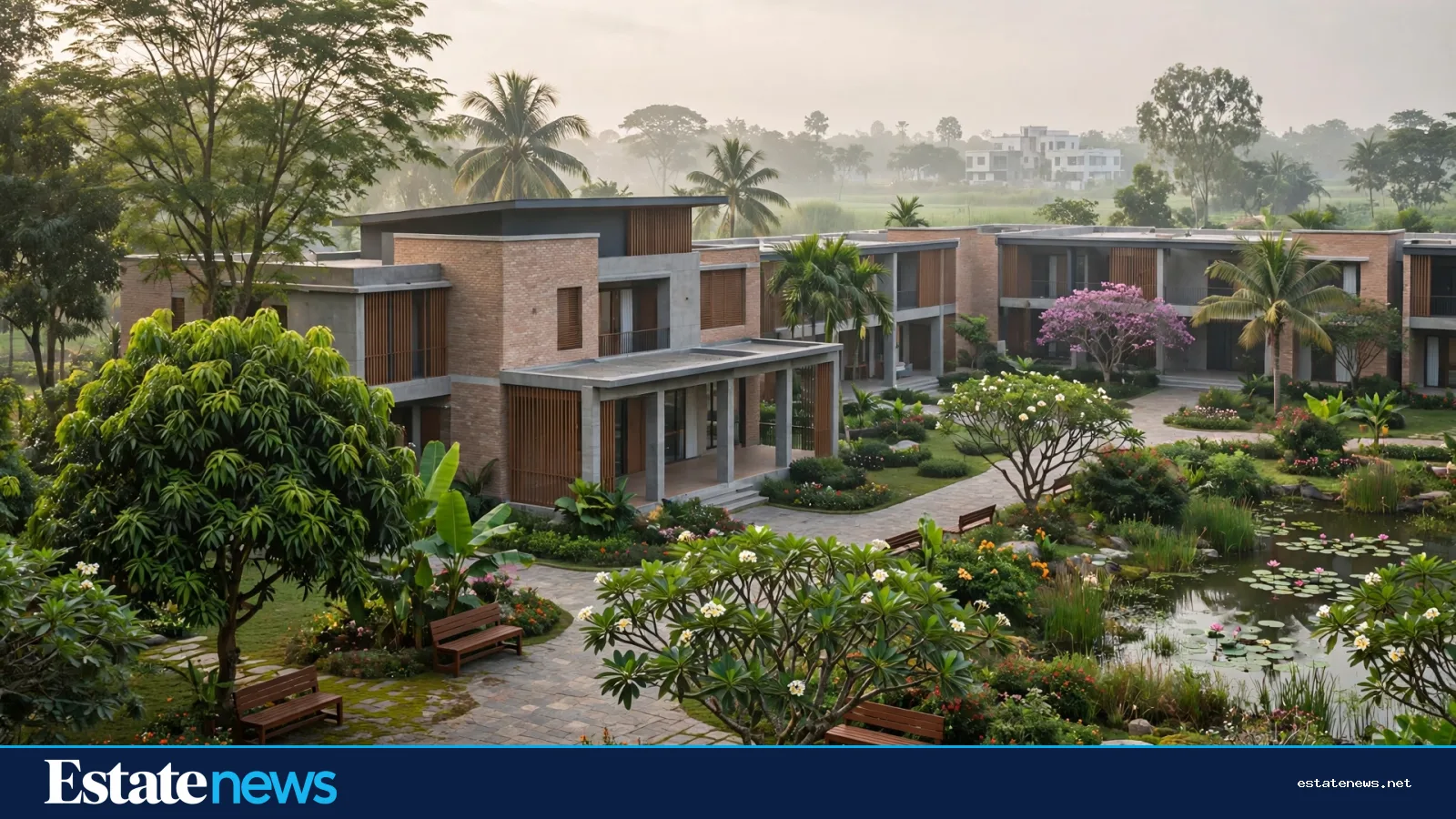
The project has been implemented since 2025 by the Local Government Engineering Department, LGED, under the Local Government Division. Its work is the unglamorous kind that decides whether a town is livable: basic urban services and their maintenance, municipal governance and own-source revenue, and the institutional capacity of pourashavas and city corporations in planning, procurement and financial management.
A pourashava that can collect its own revenue and maintain its own drains is a different place from one that waits for Dhaka to send money. That is the bet behind RUTDP, and it is also a housing bet. Towns with working water, roads and drains hold their residents, and their housing markets hold their value. Estate News has followed the same link between services and housing in "Flat Price in Dhaka 2026: What a Flat Costs Area by Area", where the price of a flat tracks the services around it, and in "Chattogram Port: New Operator Rules, Old Monopoly Question", where the infrastructure around a city shapes what gets built there.
What is not in the announcement
The announcement does not name which towns the project covers, and this article will not guess. The project works through pourashavas and city corporations, and the list of municipalities is a matter for LGED and the project documents. What is clear is the timetable: the project runs to June 2030, and the additional financing is meant to make sure it finishes as planned rather than stopping short.
A top-up is rarely the headline a project wants. It means money was diverted, and something else needed it more urgently at the time. The honest reading is that the emergency use was real, and the refill is the correction. The towns get their $95 million back, on terms that cost the country little, and the work that was paused can now be finished.