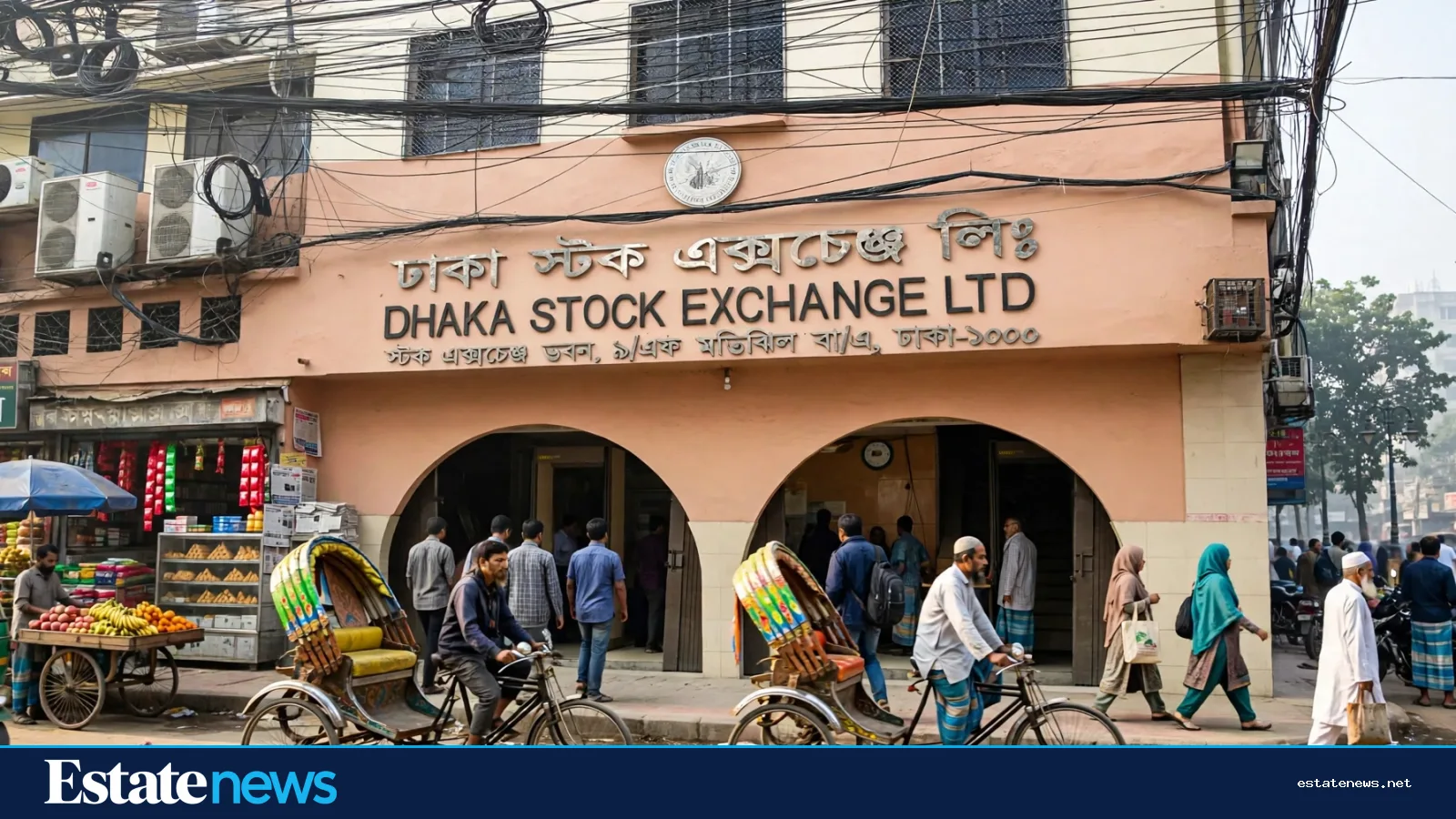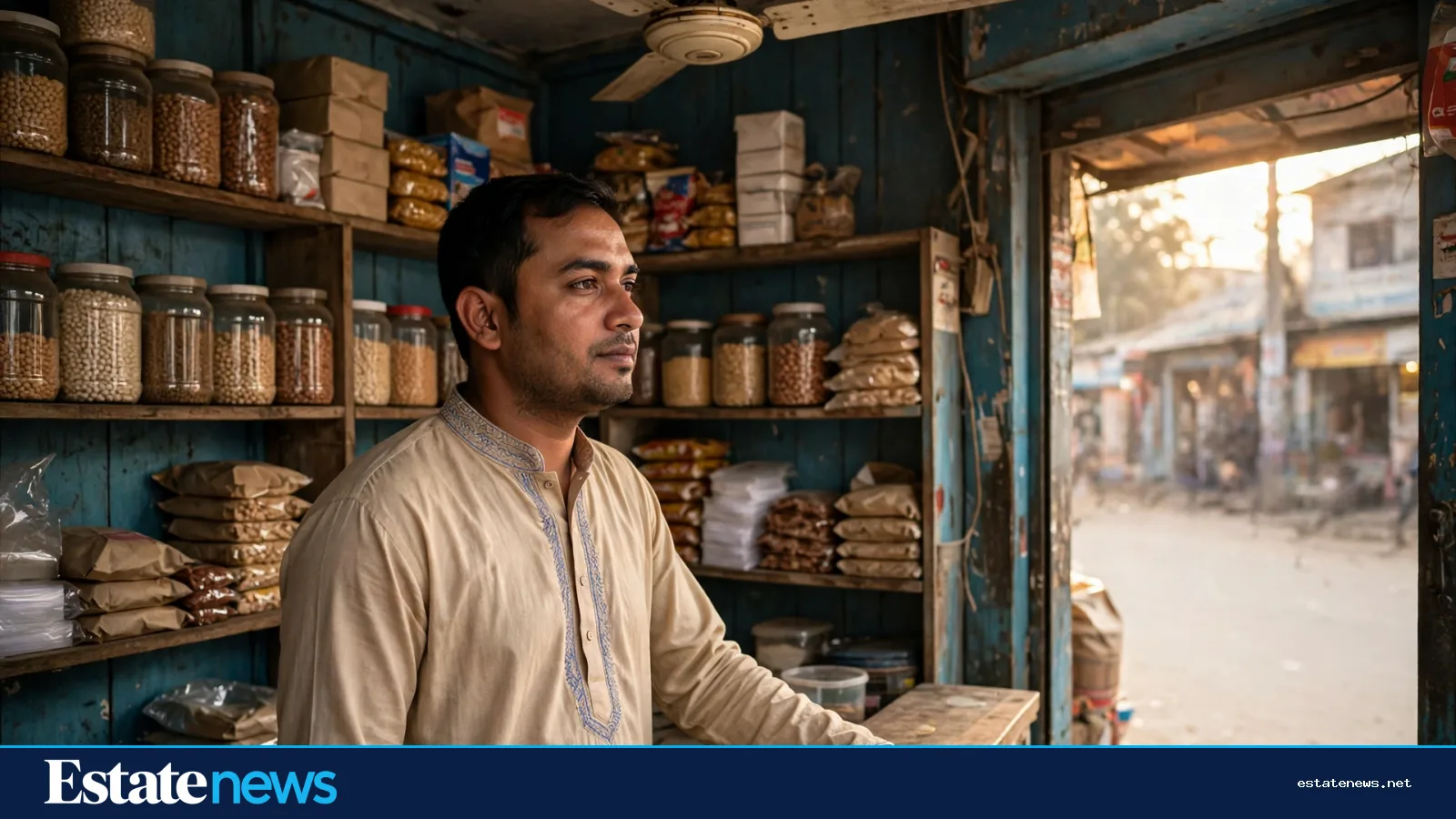
Walk into a small workshop in Keraniganj or a grocery in Chattogram and ask the owner about a bank loan. The answer is usually the same. The bank wants collateral the owner does not have, or the file moves so slowly that the season passes before the money arrives. Bangladesh Bank now wants to change that arithmetic, and the governor has put a number on it.
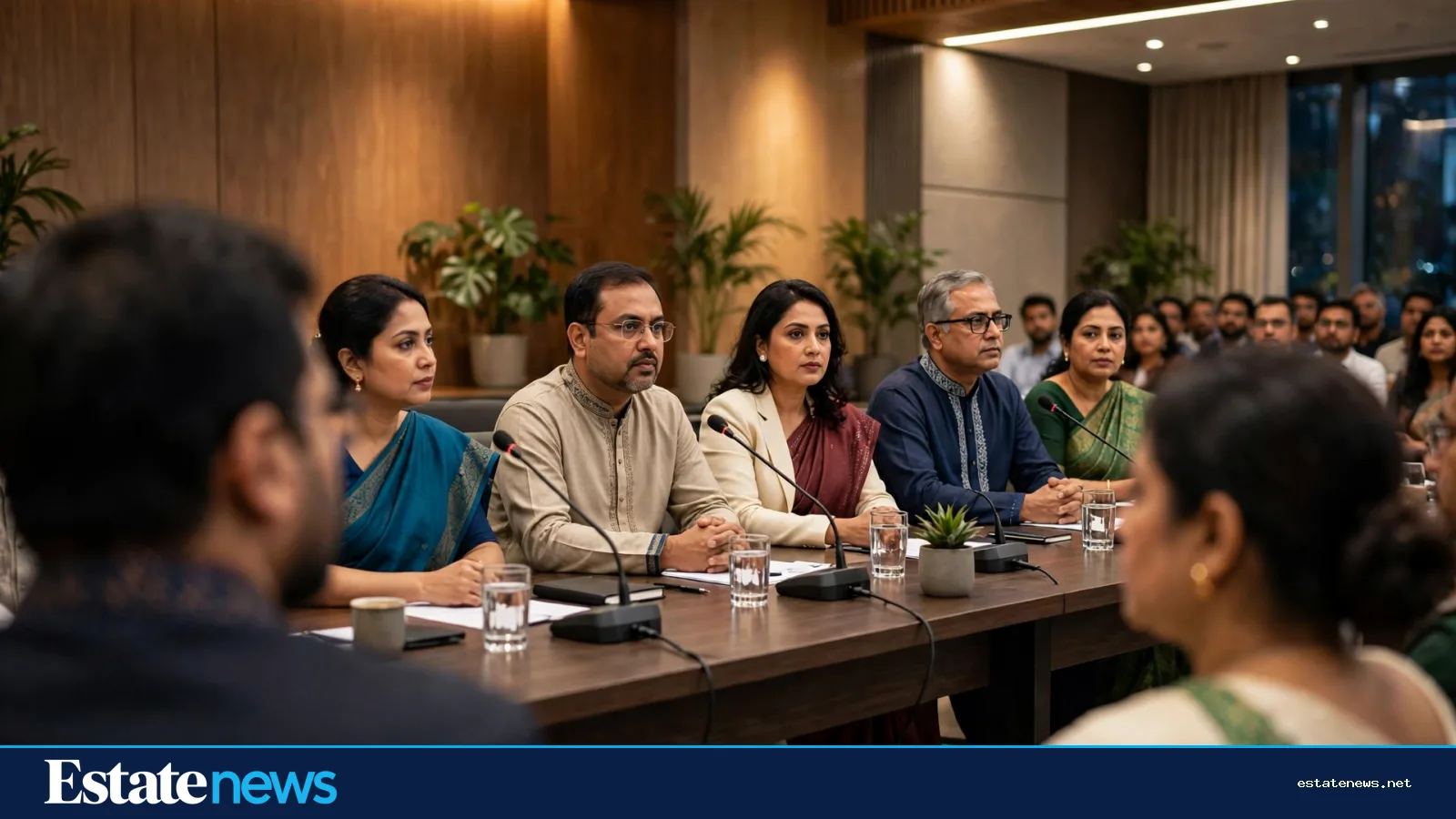
Governor Md Mostakur Rahman said on 20 November that the central bank is considering lending targets for next year: 35% of bank lending to small and medium enterprises, 20% to retail borrowers, and corporate lending capped at around 45%. He was speaking at a consultative meeting at the Bangladesh Bank office in Chattogram, held as part of the work on monetary policy for January to March 2027. The news agency BSS reported his remarks the same day.
The word to hold on to is considering. These are not rules yet. The governor first raised the idea at the Bangladesh Economic Summit in Dhaka on 14 November, and he told bankers there that he was talking to managing directors and chief executives about it. A target for next year is on the table. It has not been imposed.

How far banks are from the split
The gap between the plan and the present is wide. Private banks now put 70 to 80% of their lending into corporate books, according to the governor. The Business Standard, writing on 17 November, put the rough split at 75% corporate, 15% retail and 10% SME. Either way, small business is getting about a tenth of the credit while the plan asks for more than a third.
The small-business share has been moving the wrong way. Bangladesh Bank data cited by The Business Standard shows the CMSME share of bank credit at 19.11% in 2023, down to 15.87% by March 2026. That sits against a regulatory target of 25.5% for this year, a target the system is already missing. The governor's 35% would be a bigger jump still, and from a smaller base than the one the current target assumed.
What it would mean for a borrower
For a small business, the split matters in a practical way. A workshop that needs Tk 10 lakh for a machine, or a trader who needs working capital before Eid, competes for the same pool of money as a large corporate group borrowing hundreds of crores. When three quarters of lending goes to corporates, the small file waits. A 35% SME share would not guarantee any single loan, but it would change what a branch manager is told to look for.


Retail lending sits in the same picture. The 20% retail share covers home loans, personal loans and the small credit that lets a family buy a flat or a shopkeeper buy a fridge on instalments. Estate News has written about how a home loan is judged in "Flat Price in Dhaka 2026: What a Flat Costs Area by Area", and a bigger retail book would matter to the same first-time buyers who read that guide.
The hard part is the plumbing
The Business Standard's 17 November analysis made the point plainly: a target needs a workable plan behind it. Small loans cost a bank more to assess and monitor than one large loan, and the rules already push banks in particular directions. No more than 35% of SME lending should go to trading, the paper noted, with at least 40% for manufacturing and 25% for services. A bank that simply chases the number could end up lending to the easiest small borrowers and calling it done.
Agent banking is one route that already reaches small borrowers outside Dhaka, and Estate News covered its growth in the 21 November agent-banking piece. Today's SME fair in Agargaon, covered in "450 Small Businesses, Most Run by Women: The SME Fair Opens in Agargaon", shows the other side of the same market: 450 enterprises, most of them run by women, looking for customers and for credit in the same week.
What to watch next
The next signpost is the monetary policy statement for January to March 2027. If the targets appear there, they will come with a timetable and with the question every banker is already asking: what happens to a bank that misses them. Until then, the 35-20-45 split is a stated intention, not a rule, and a small business owner should treat it that way. The loan application still goes through the branch, the papers still matter, and the collateral question has not gone away.
What has changed is the direction of the conversation. A central bank that used to talk mostly about large borrowers is now talking about the shop, the workshop and the household. For the businesses that employ most of the country's workers, that is a start worth watching.