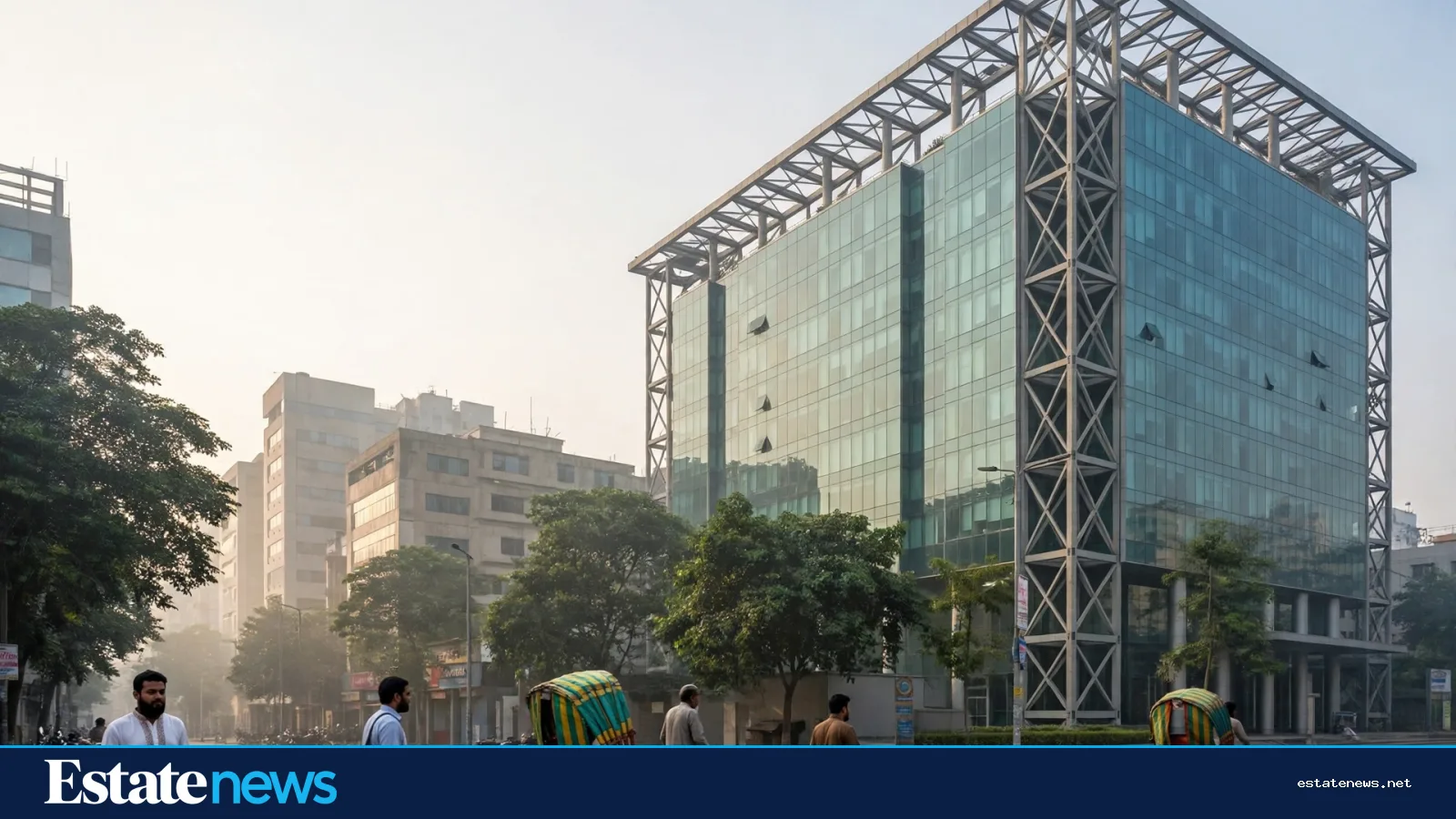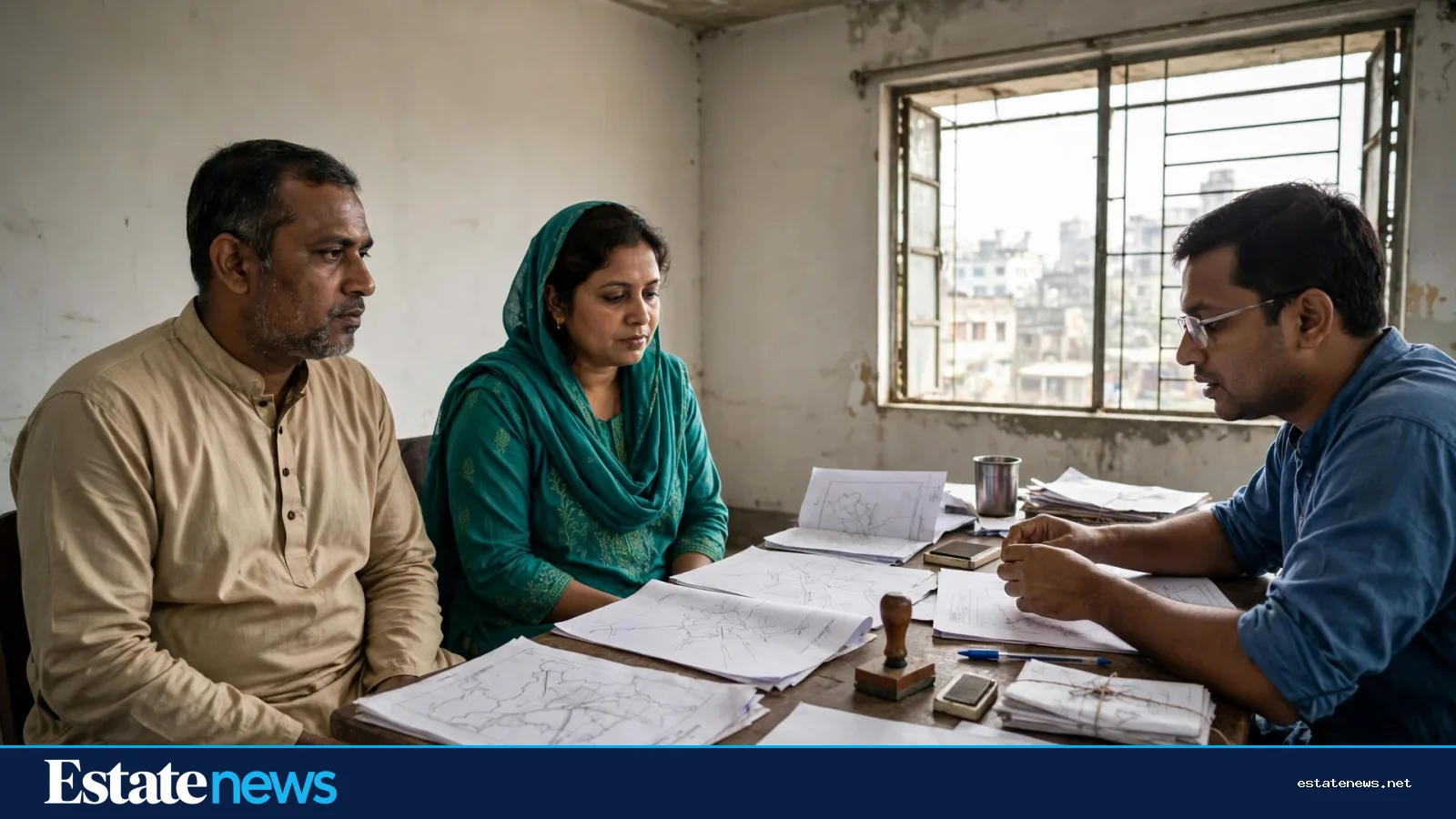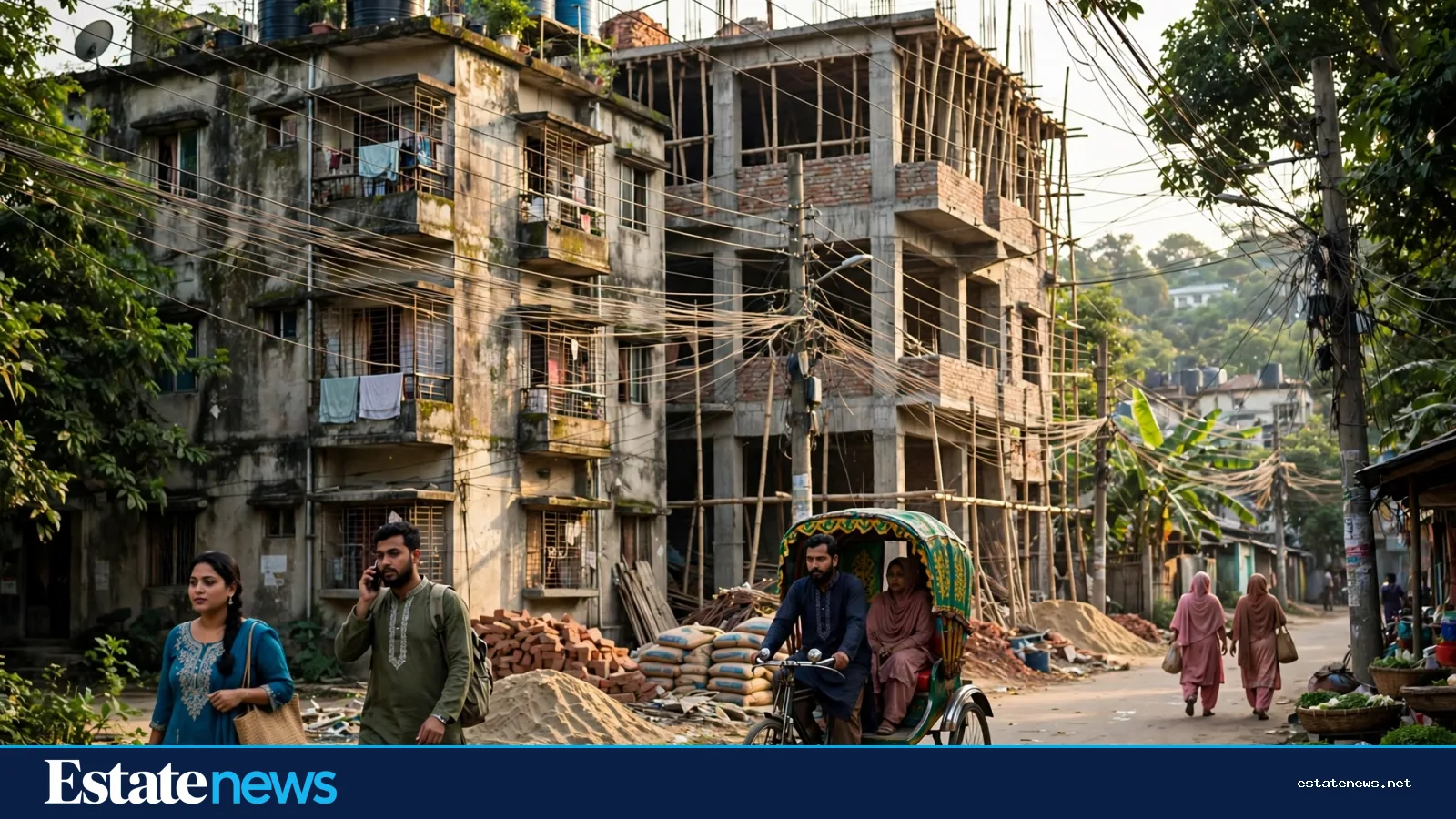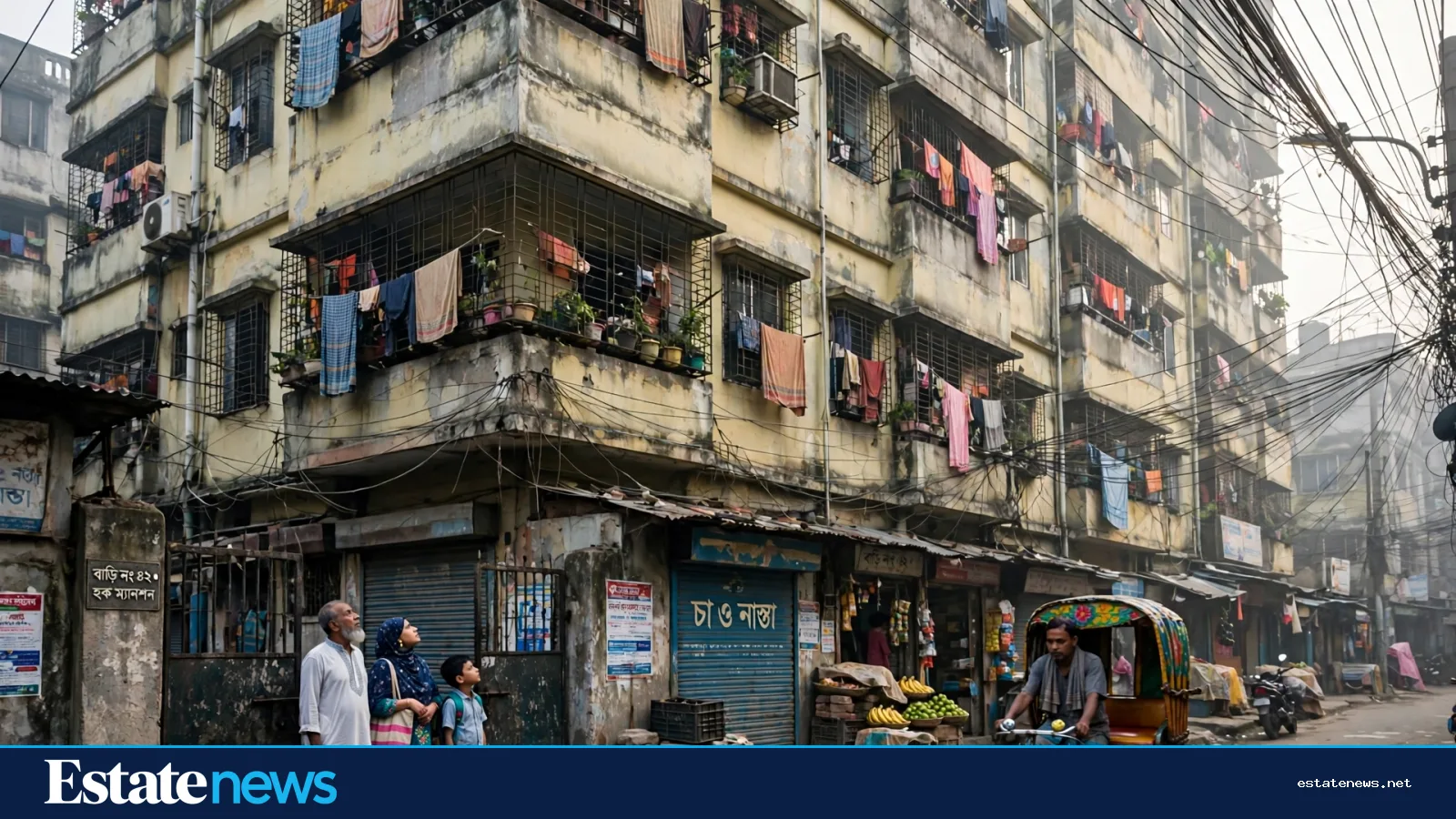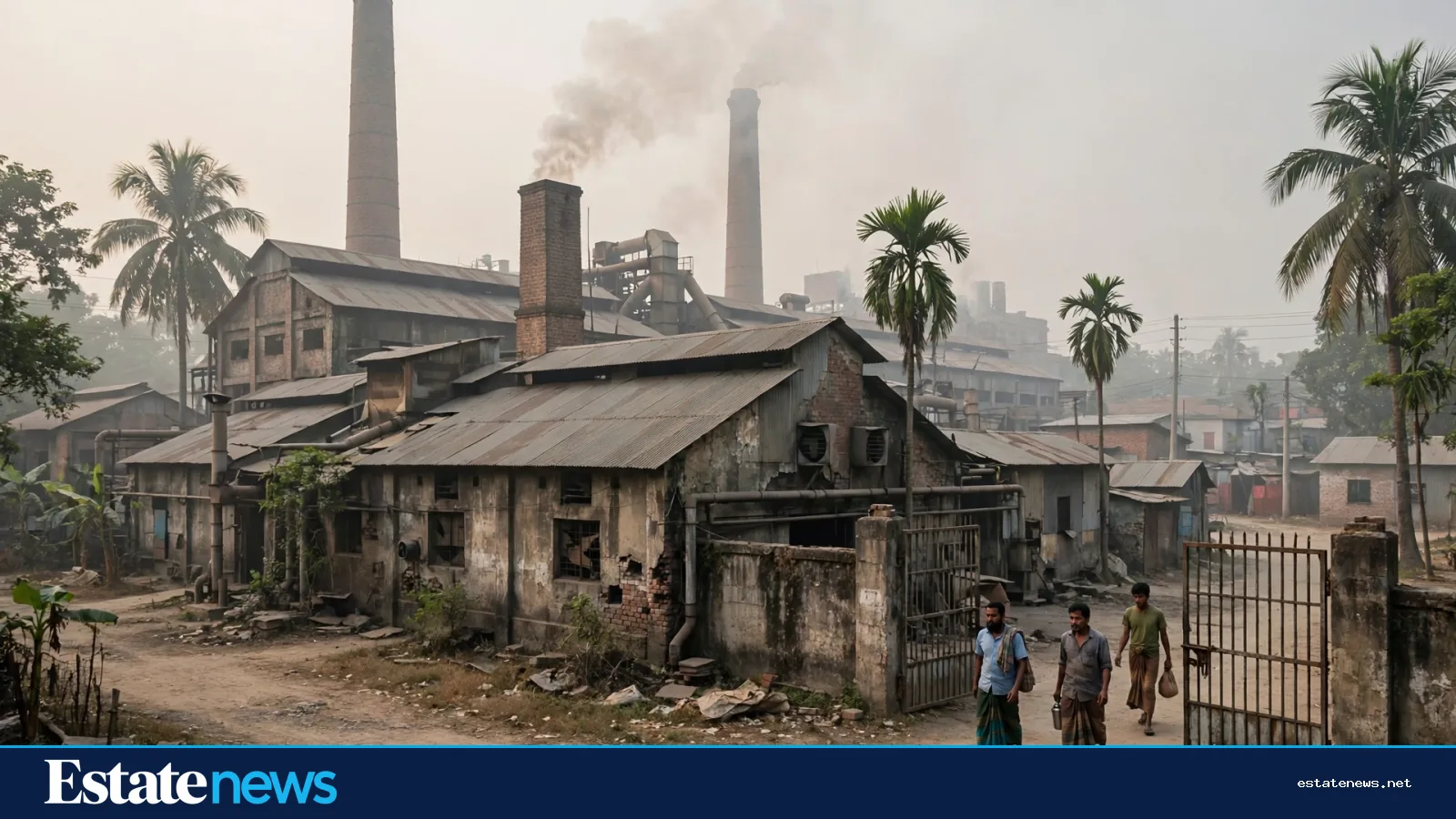
Some of the largest industrial plots in Bangladesh have sat quiet for years: sugar mills that stopped crushing, textile mills with silent looms, jute mills behind locked gates. The government now plans to hand them to private operators, and the scale of the plan is the story. Every state-owned industrial enterprise under the Ministry of Industries, except fertiliser factories, is to go into public-private partnerships.
Industries Minister Khandaker Abdul Muktadir said so at a press conference at the ministry on Saturday 21 November. Private investors will operate the facilities through leasing, revenue-sharing or profit-sharing arrangements, the Daily Times of Bangladesh reported. The process may begin early next year, once the necessary rules and regulations are approved.
What is on the table

The portfolio behind the announcement was unveiled by the Bangladesh Investment Development Authority, BIDA. It covers 44 state-owned enterprises across more than 10,000 acres of industrial land, in steel, textiles, chemicals, sugar, food and jute. The breakdown, as BIDA published it, is 4 units under the Bangladesh Steel and Engineering Corporation, 10 under the Bangladesh Chemical Industries Corporation, 13 under the Bangladesh Sugar and Food Industries Corporation, 12 under the Bangladesh Textile Mills Corporation and 5 under the Bangladesh Jute Mills Corporation.
BIDA Executive Chairman Ashik Chowdhury announced the portfolios in July, inviting private participation through PPPs, joint ventures and long-term leases. The idea, he said then, is for the government to act as an enabler of investment rather than competing with the private sector, and to put idle assets back to work. A later roadmap promises to complete the approval process, from proposal to agreement, within a maximum of 77 working days.
The jute mills show how it works
The plan is not starting from zero. PRAN-RFL and the Hamko Group have already taken leases of three closed jute mills, National, Star and Platinum Jubilee, with about Tk 619 crore of investment and at least 11,629 jobs expected, according to the figures reported with the announcement. The Bangladesh Textile Mills Corporation has handed over four factories for PPP. Marubeni Protechs is weighing investment in three modern sugar mills with the sugar corporation, The Daily Star reported around 16 November.
These are the examples the ministry will point to when investors ask whether a closed mill can reopen. A lease puts the building, the land and the machines back in use without a sale, and the state keeps the asset while the operator takes the risk of running it. Revenue-sharing and profit-sharing are the other two models on offer, and the choice will depend on the factory.


Why it matters beyond the factory gate
A reopened mill is a jobs story first, and a housing story second. Every mill that restarts needs workers, and workers need rooms, messes and flats in the town around it. The sugar towns of the north, the jute towns along the rivers and the textile towns outside Dhaka all carry housing that was built for a workforce that left. If the factories come back, that housing fills again.
The land itself is part of the value. More than 10,000 acres of industrial land, much of it near towns and transport, is a large holding to leave idle. The government's dual-track approach, as BIDA described it, is to restore enterprises to their original purpose where that is commercially viable, or repurpose them for new industries where the market points elsewhere.
What is still missing
Rules come first. The minister was clear that the process begins after the regulations are approved, and that is the step to watch early next year. Investors will also want to see the condition of each factory, the state of its machines, and the terms on which workers are taken on. None of that is in the announcement, and no list of individual factories beyond the corporation breakdown has been published.
Estate News has followed the industrial side of this story through the year, including the port and trade picture in "Chattogram Port: New Operator Rules, Old Monopoly Question" and the construction-cost picture in "Flat Price in Dhaka 2026: What a Flat Costs Area by Area". The PPP plan belongs in the same frame: industry, jobs and housing move together, and a factory that reopens changes the town around it.
If the rules land early next year as planned, the first leases will be the test. A mill that restarts on time, hires locally and pays its way will do more for the next 43 than any announcement can.