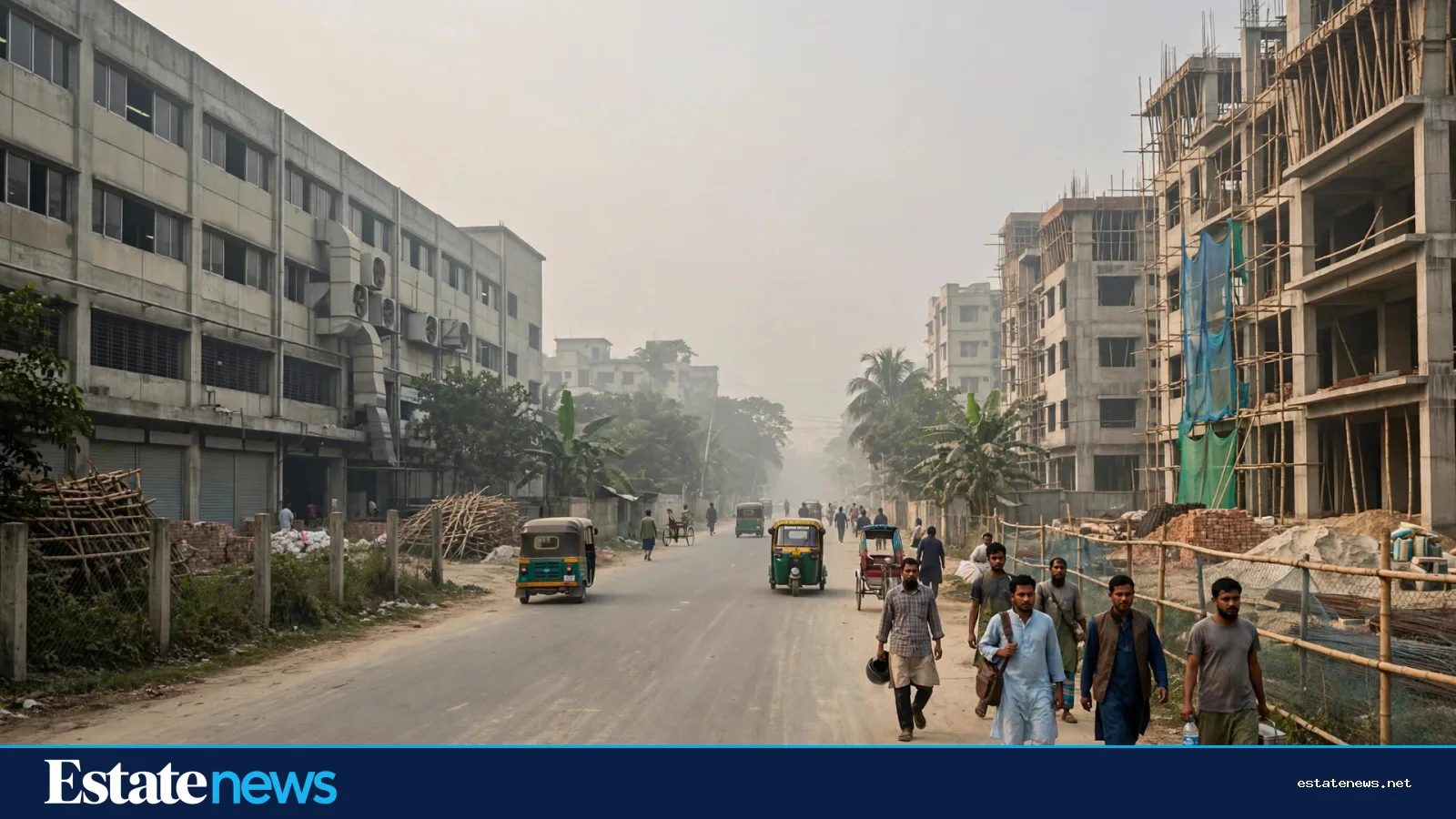
Drive north from Dhaka on a weekday morning and the traffic tells the story before any housing data does. Buses full of garment workers. Motorcycles carrying lunch tiffins. Trucks loaded with fabric and finished clothes. Gazipur is the factory belt, and for years that was the whole description. People worked there and lived wherever they could. The housing market is now catching up with the jobs.
The numbers behind the shift are simple. Gazipur's factories employ hundreds of thousands of workers, and the district sits close enough to Dhaka for a daily commute while its land still costs far less than land inside the capital. That gap between Dhaka prices and Gazipur prices is the foundation of the housing story. A family that cannot buy in Dhaka can still buy near its work.
A pledge with a price on it

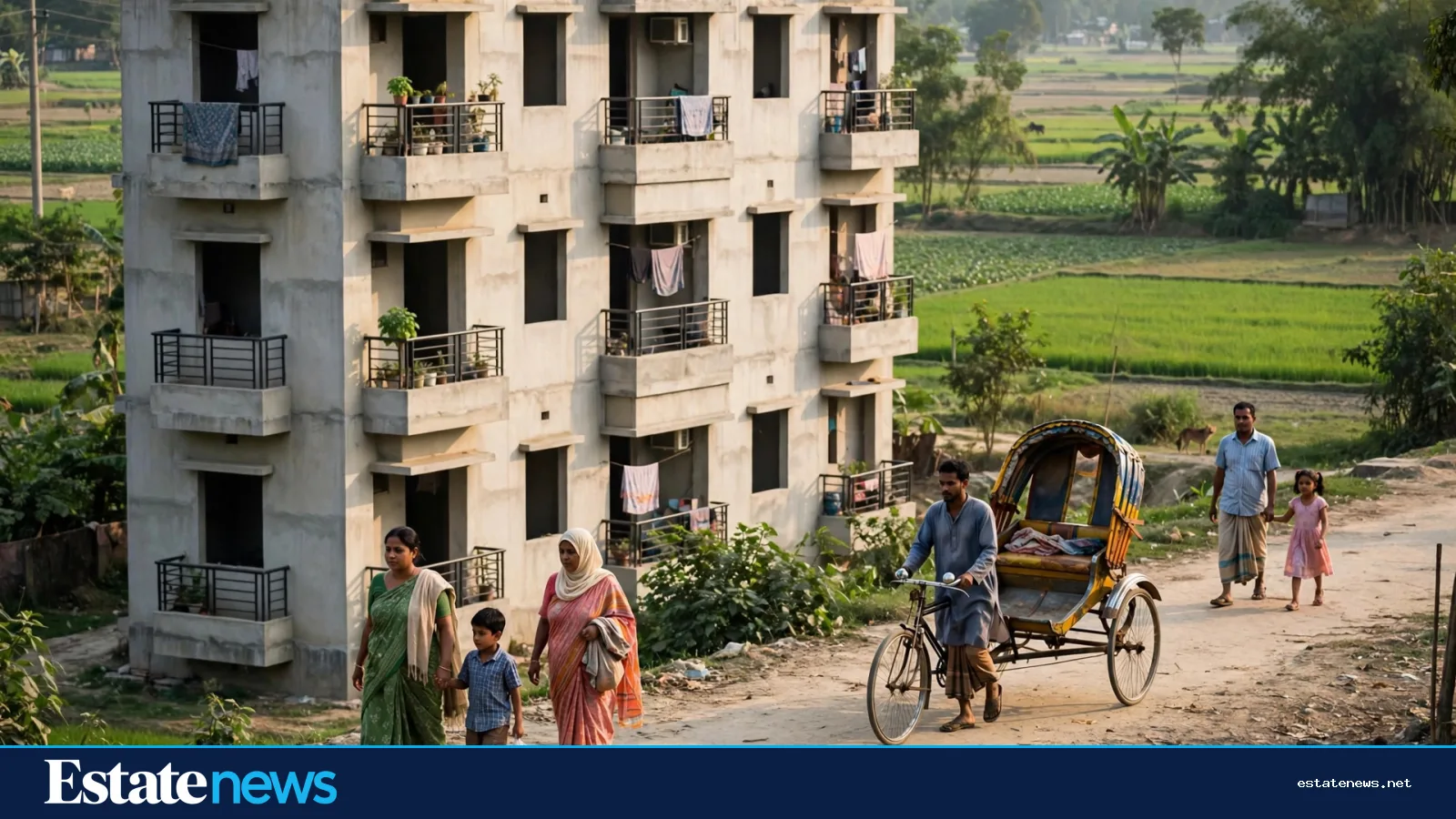
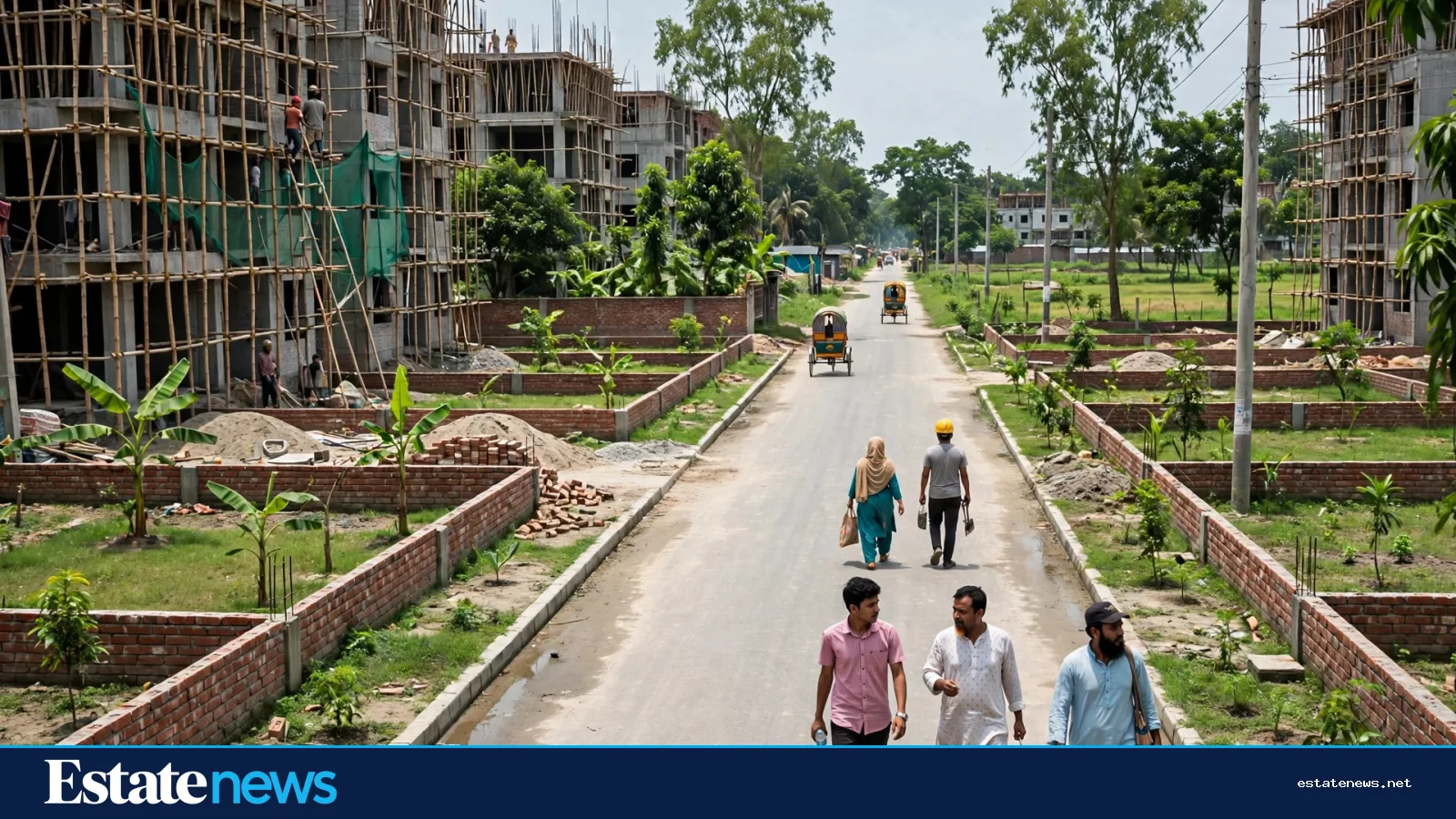
The clearest sign of where this is heading came from REHAB, the developers' association. Its new leadership, with president Ali Afzal and senior vice-president Abdur Razzaque taking office on 4 November 2026, put affordable housing at the top of its agenda. The pledge: small flats priced around Tk 40-60 lakh in Savar, Gazipur and Keraniganj. REHAB has said flats inside Dhaka at that price are not feasible under current conditions, because land costs too much. The three districts on Dhaka's edge are where the maths can work.
The pledge matters because it names a price. Most housing promises stay vague. This one gives buyers a figure to hold the industry to. It is still a promise, not a catalogue. As Estate News reported when the pledge was made, REHAB has not yet set out a list of projects with names, locations and launch dates that buyers can visit. Until those projects appear, the test is whether developers actually build at that price. Read the full account in REHAB's new leadership promises Tk 40-60 lakh flats beyond Dhaka (https://estatenews.net/markets/rehabs-new-leadership-promises-tk-40-60-lakh-flats-beyond-dhaka).
What already exists


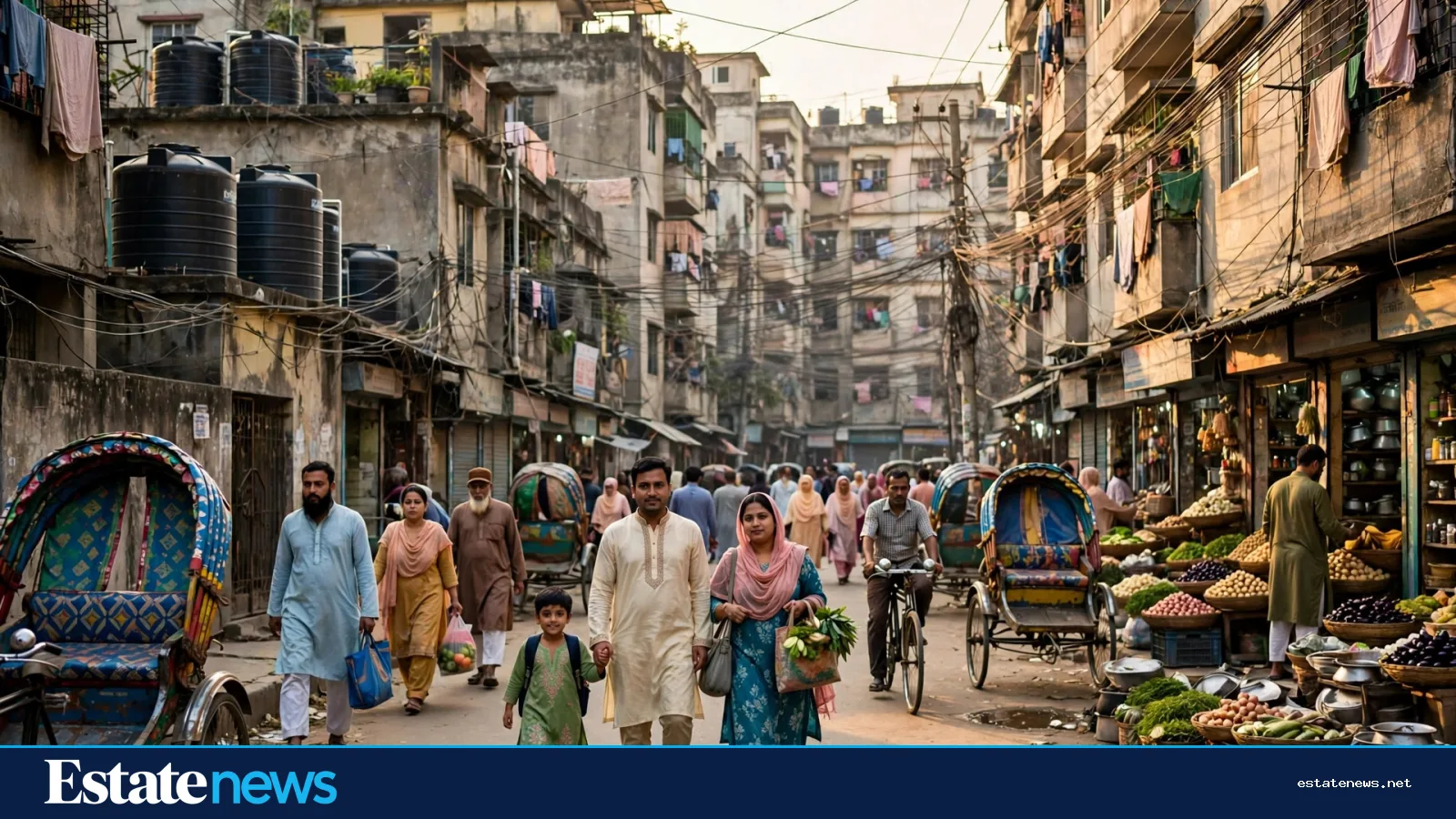
Gazipur's housing market did not start with the pledge. The district already has a mix that Dhaka's buyers would recognise: apartment blocks near the industrial zones, plotted housing for families who want a house of their own, and rented rooms and small flats for workers. Rents are lower than in Dhaka, which is why so many workers live there already. Estate News looked at that daily reality in Gazipur: factory families, rents and the commute (https://estatenews.net/markets/gajeepure-karkhana-pribarer-ghr-vada-zatazat-ar-thitu-hoozar-hisab), and the picture was of families balancing cheap rent against long travel times.
The older story of the corridor is worth remembering too. Gazipur's housing corridor: factories, commutes and the families moving beyond Dhaka's edge (https://estatenews.net/development/gazipurs-housing-corridor-factories-commutes-and-the-families-moving-beyond-dhakas-edge) described how the district grew as Dhaka's edge moved outward. What has changed since is the direction of the conversation. Gazipur is no longer only a spillover market. Developers, planners and the industry association are now talking about it as a housing destination in its own right.
What buyers should watch
A flat in Gazipur is cheap until the daily trip is counted. That was true when the pledge was announced, and it stays true. A buyer should ride the commute at the hour they will actually travel, not on a quiet Sunday. They should ask how water reaches the building in the dry months, and what happens to the road outside it when it rains. They should check the developer's record and the project's approval, the same way they would in Dhaka.
The other question is who the Tk 40-60 lakh flats are for. If they go to factory workers and their families, Gazipur gains a settled population with a stake in the district. If they go to investors from Dhaka, the district gains buildings but not residents. REHAB's delegation met RAJUK chairman Engineer Riazul Islam on 5 November to press for planning changes, including amendments to the Detailed Area Plan and credit facilities outside Dhaka. That meeting was a hearing, not a decision. The follow-through will show in the projects that get approved and the prices they carry.
Gazipur's factories are not moving. The workers are not moving either. The housing market is the part still taking shape, and the next year will show whether the pledge becomes bricks.