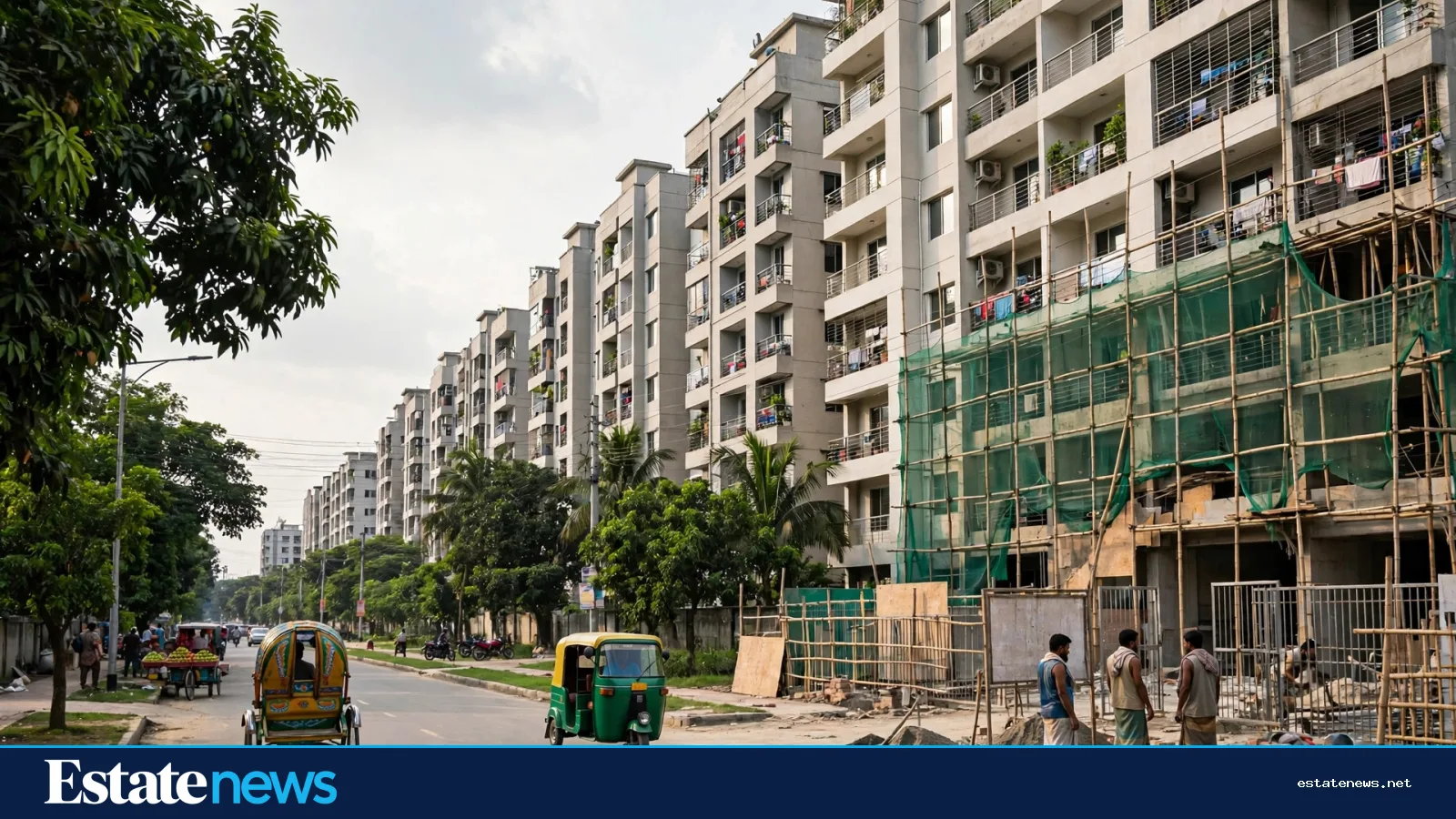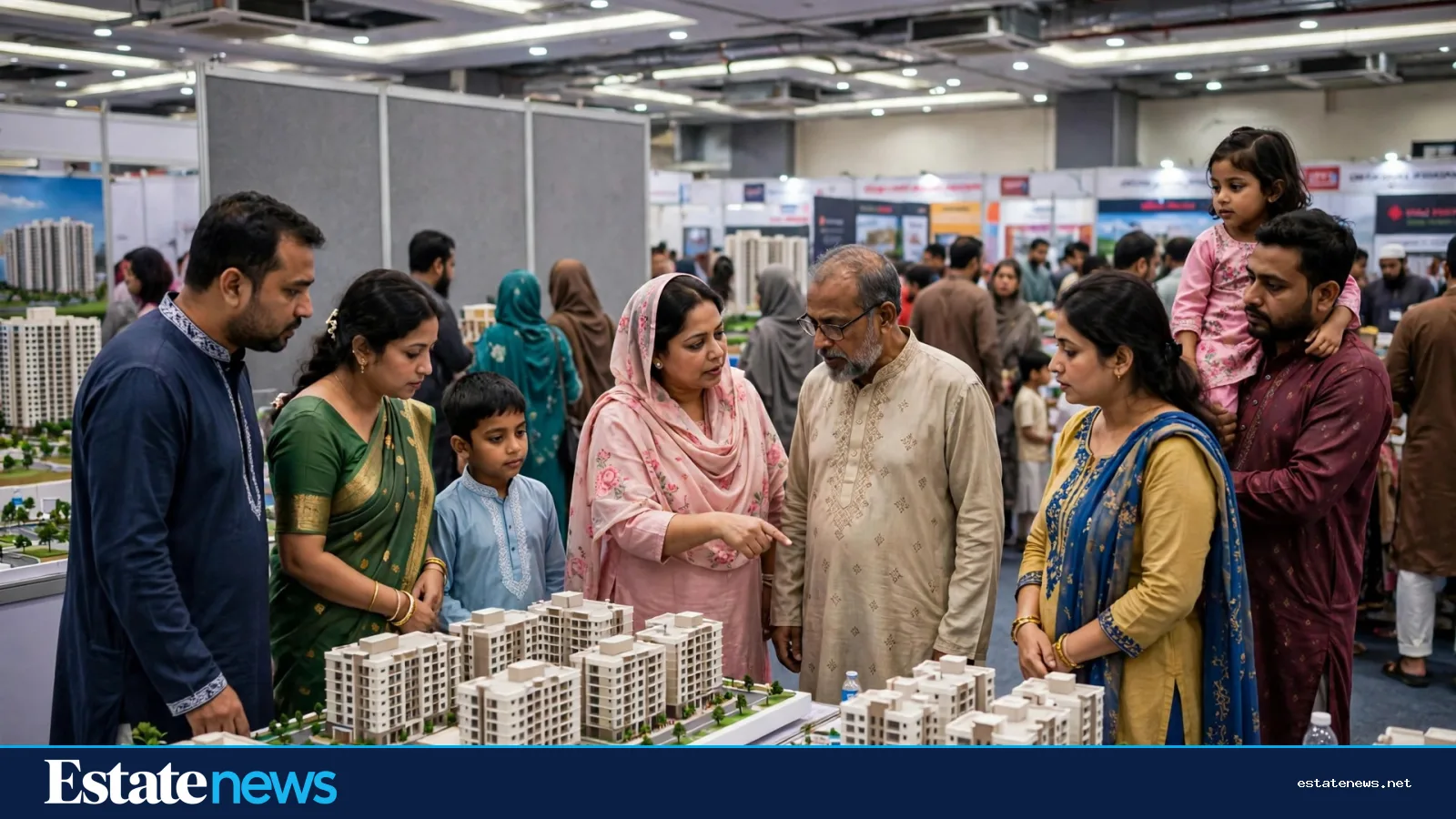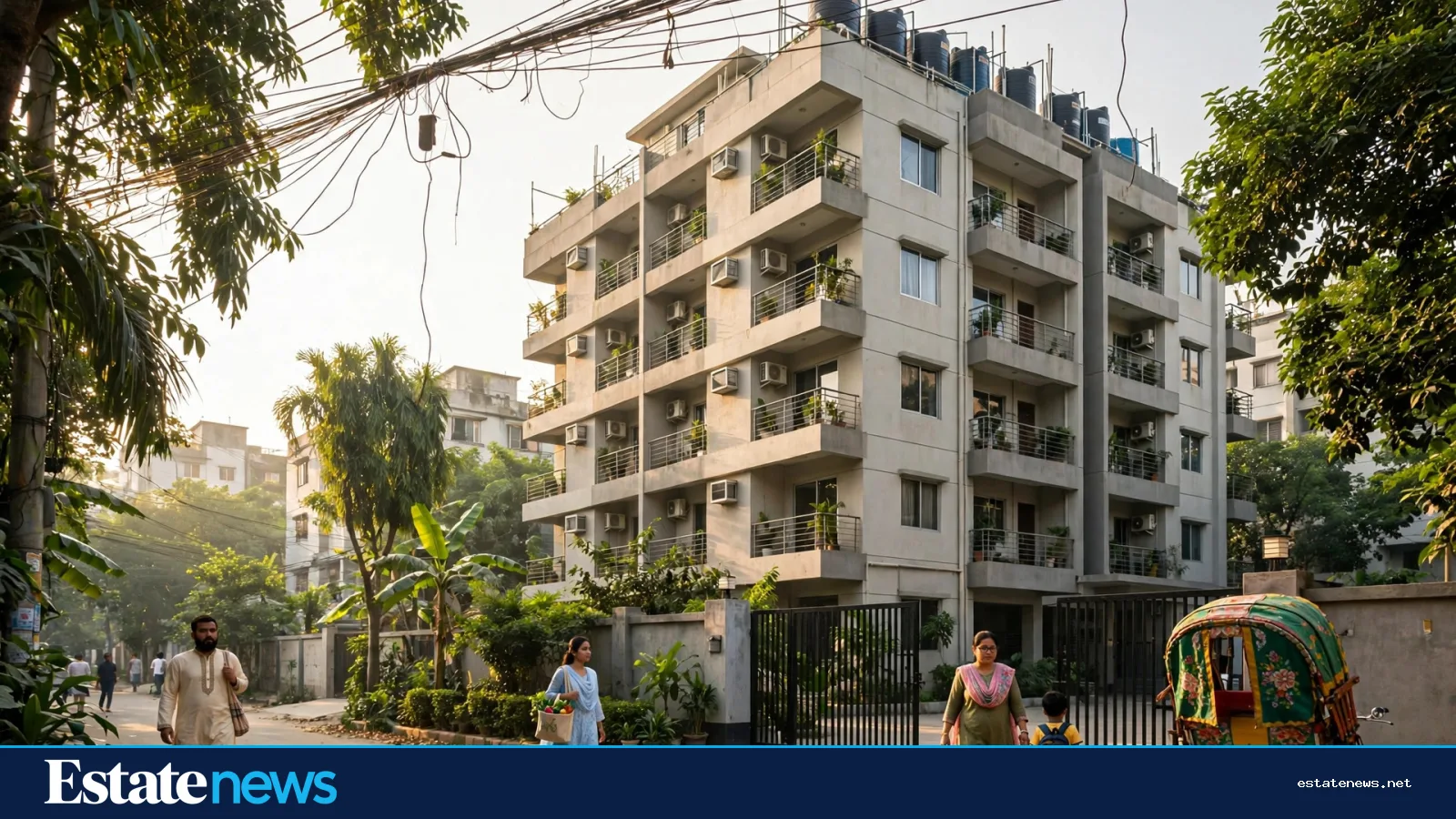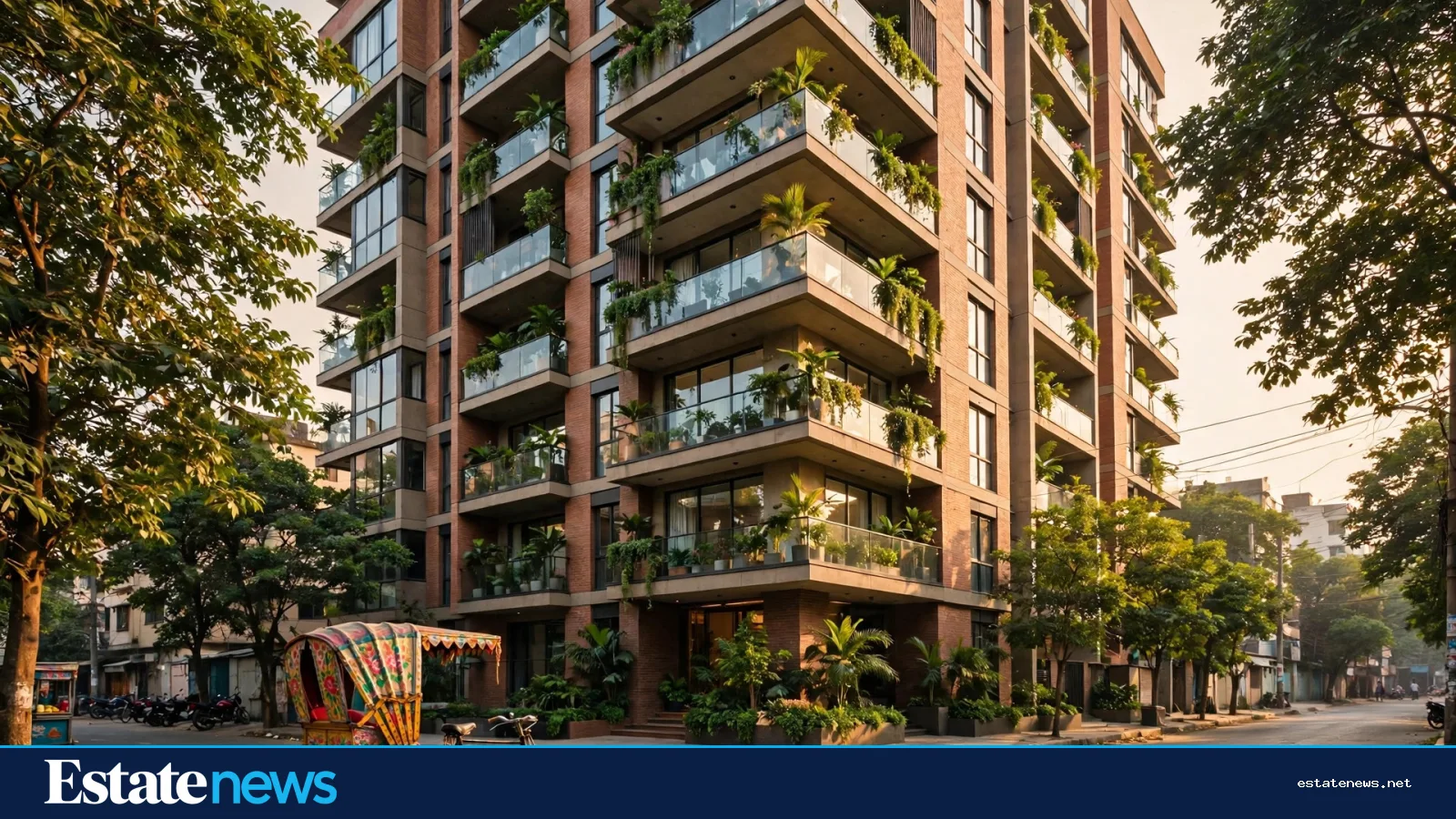
There is a particular kind of Dhaka company that never shouts. Sheltech is one of them. Walk through Dhanmondi, Banani or Uttara and you will pass its buildings without noticing the name. The company has been building in the capital since 1988, and by its own count it has handed over more than 4,650 apartments and commercial spaces. It marked its 38th anniversary in March 2026, a milestone few Bangladeshi developers reach.
Sheltech (Pvt.) Ltd. was founded in 1988 by the late Dr Toufiq M. Seraj and Engineer Kutubuddin Ahmed. Seraj, an academic who had spent years writing about housing and cities, brought an unusual idea to the business: that a developer's reputation is built on delivery, not on launch events. Kutubuddin Ahmed chairs the group today, and his son Tanvir Ahmed runs it as managing director. The family shape of the company is part of its character. Decisions are made close to the top, and the same names appear on the letterhead year after year.
The Sapphire line and the old neighbourhoods

Sheltech's best-known residential brand is the Sapphire Series, its premium line in Dhaka's older, established neighbourhoods. The Daily Star described the series in 2025 as standing in Dhanmondi, Gulshan, Banani, Eskaton and Uttara, the areas where the city's professional class has bought homes for two generations. These are not the biggest flats in the city. They are the flats bought by families who already live in the neighbourhood and want to stay there, close to the school, the mosque and the market they know.
That focus on the established city is what separates Sheltech from the township builders. In Dhanmondi, a new building goes up on a plot where an old house stood. The buyer is often a neighbour. The negotiation is personal. Sheltech's own material puts its on-time handover record at 99.3 per cent, a company claim, and it holds ISO 9001:2015 certification. Buyers should treat any handover figure as the company's own account, and check the record of the specific project they are buying into. The figure is still a useful sign of what the company wants to be judged on: finishing, not starting.
Jolshiri, the new frontier
If Dhanmondi is Sheltech's past, Jolshiri Abashon is its future. The township, a 2,133-acre planned development in Rupganj supervised by the Bangladesh Army, sits 8 to 9 kilometres from Baridhara. Sheltech is developing 21 residential projects there, according to The Daily Star's July 2026 report on the group's expansion, with an investment of Tk 265 crore through joint ventures. [Our earlier look at Sheltech in Jolshiri](https://estatenews.net/luxury/in-jolshiri-sheltech-is-betting-on-room-to-breathe) found its projects clustered in sectors 12, 13, 16 and 17, mostly single-unit apartments of about 2,700 to 2,850 square feet, four bedrooms, one family to a floor.
The scale of the shift is striking. A company built on infill plots in old Dhaka is now one of the largest builders in a brand-new township. The Jolshiri apartments are bigger than the Dhanmondi ones, and the buyers are different too: younger families trading the centre for space, greenery and a planned road network. Three more projects, Sheltech Golf Edge, Sheltech Celestia and Sheltech Alor Bhuban, had their groundbreakings arranged in 2026, according to the company's April 2026 newsletter.


Beyond Dhaka, and beyond housing
Sheltech's footprint reaches Chattogram, where the company has built residential and mixed-use projects, though its presence there is smaller than in Dhaka. The group has also grown far beyond apartments. Sheltech Group now spans textiles, through Envoy Textiles, ceramics, consultancy, financial services, property management, cargo transport, agro-processing, boutique hotels and brokerage, according to the company's anniversary material. The Daily Star reported in July 2026 that the group has an annual turnover of nearly Tk 6,700 crore and a workforce of around 16,000, with plans to build a 17-storey shopping complex in Banasree at a cost of Tk 575 crore.
That diversification matters for homebuyers in a practical way. A developer with several businesses behind it is less dependent on the sale of any single project to fund the next one. It is not a guarantee. The housing market has seen diversified groups fail too. But it is one of the things a careful buyer weighs, alongside the project's own papers, when choosing between two similar flats.
What the quiet approach buys
Sheltech rarely appears in the news the way its flashier rivals do. There are no celebrity launches, no record-breaking price claims. Its announcements are usually about handovers, anniversaries and new projects in Jolshiri. That restraint has a cost: the company is less visible to first-time buyers searching online than builders who market harder. It also has a benefit. In a market where trust is the scarcest material, a developer that has delivered homes for 38 years, through booms, crashes and a pandemic, carries a record that no brochure can invent.
The test ahead is Jolshiri. The township is still filling in, and the buyers who moved early are betting that a planned town on Dhaka's edge will become a real neighbourhood, with schools, shops and services, not just a collection of handsome buildings. Sheltech has staked more on that bet than almost any other Dhaka developer. If Jolshiri works, the quiet giant will have built its second city. If it stalls, the company will learn what every developer eventually learns: that a building is only as good as the life that grows around it.
Read more: [Our feature on the ready-apartment appeal of Sheltech's Dhaka homes](https://estatenews.net/luxury/the-quiet-appeal-of-a-ready-apartment-inside-sheltechs-dhaka) | [Our profile of bti, another of the capital's large builders](https://estatenews.net/development/bti-building-technology-ideas-what-its-classic-luxury-and-wellness-communities-say-about-how-dhaka-buys-homes-now)