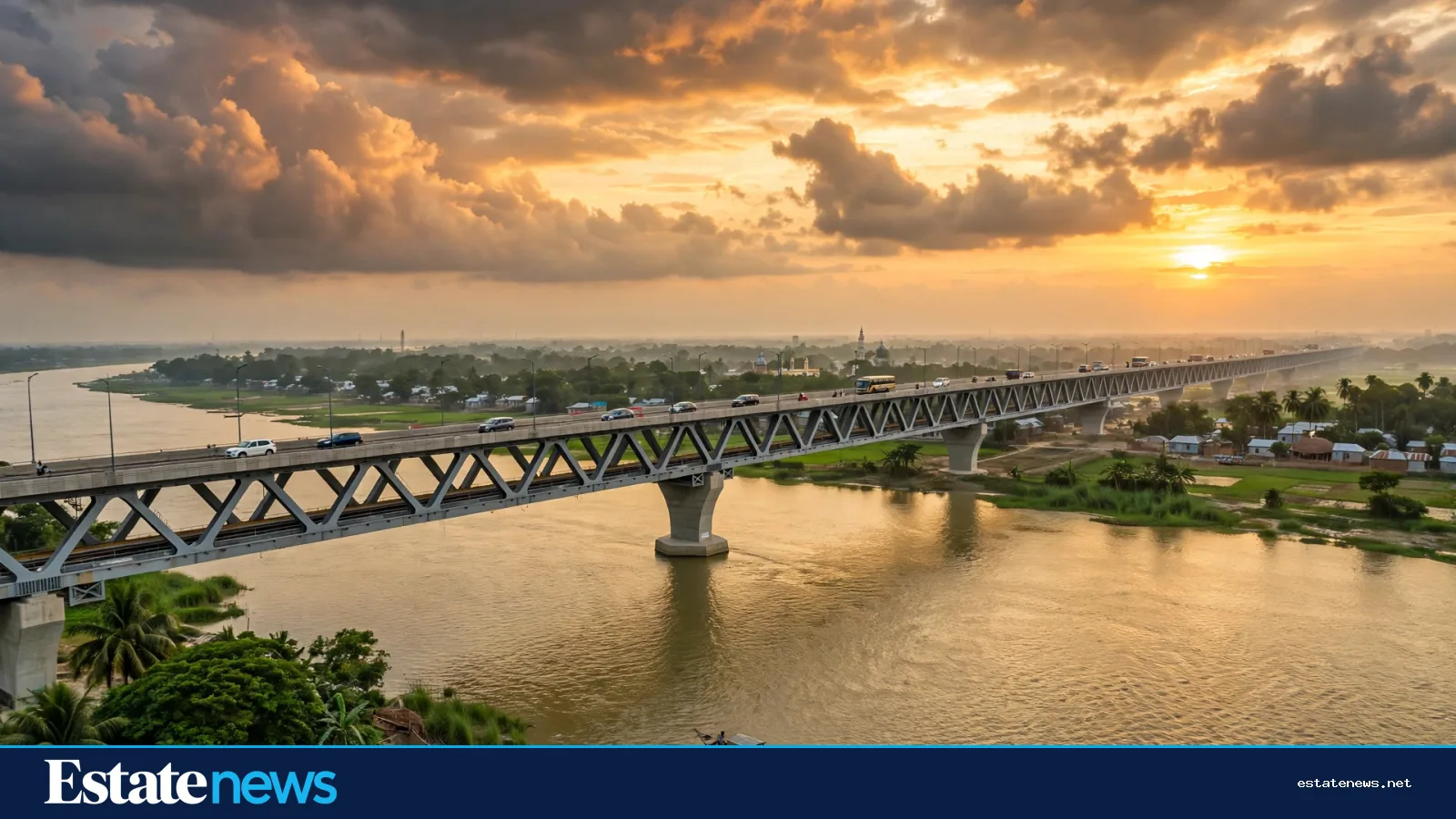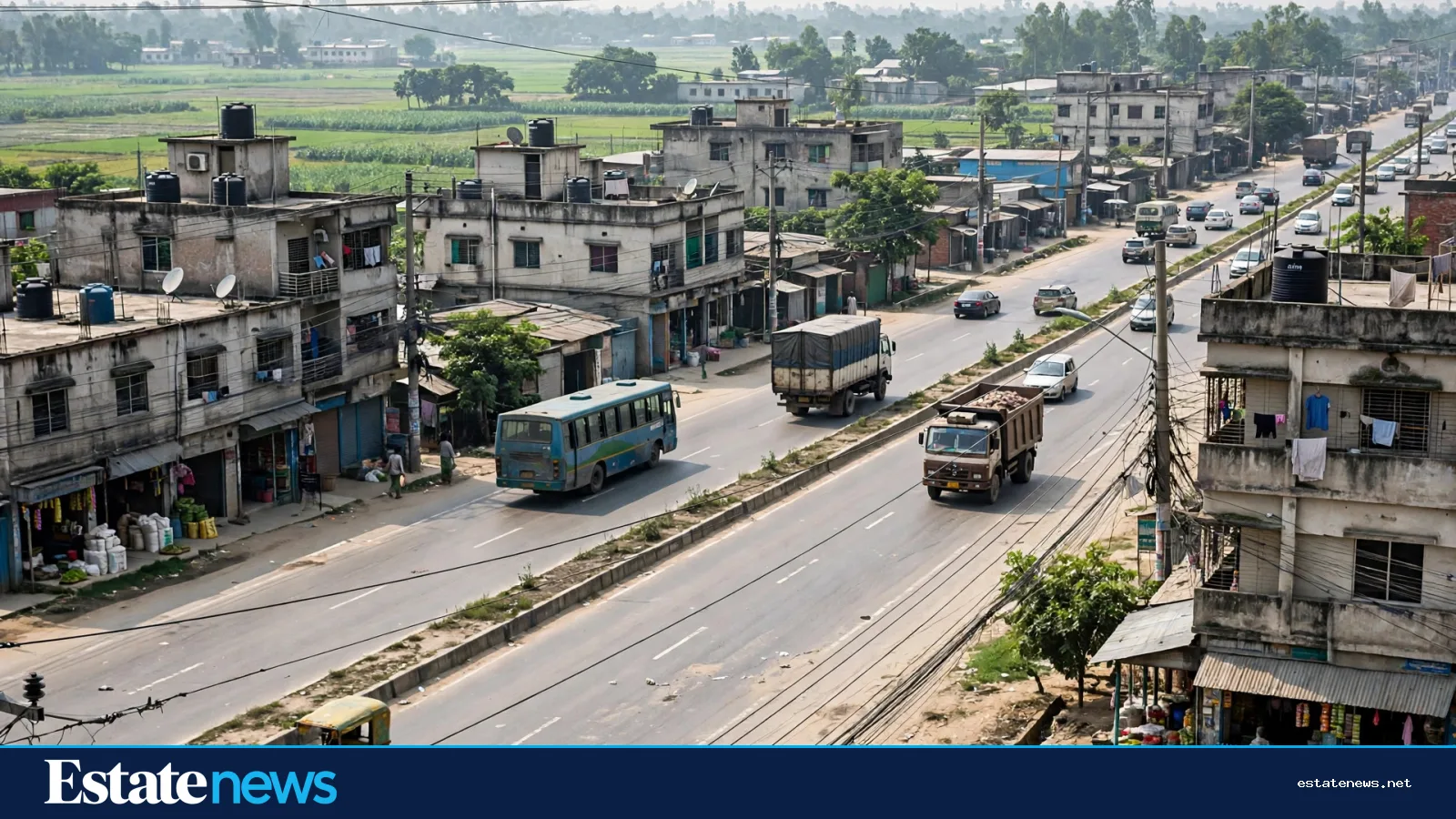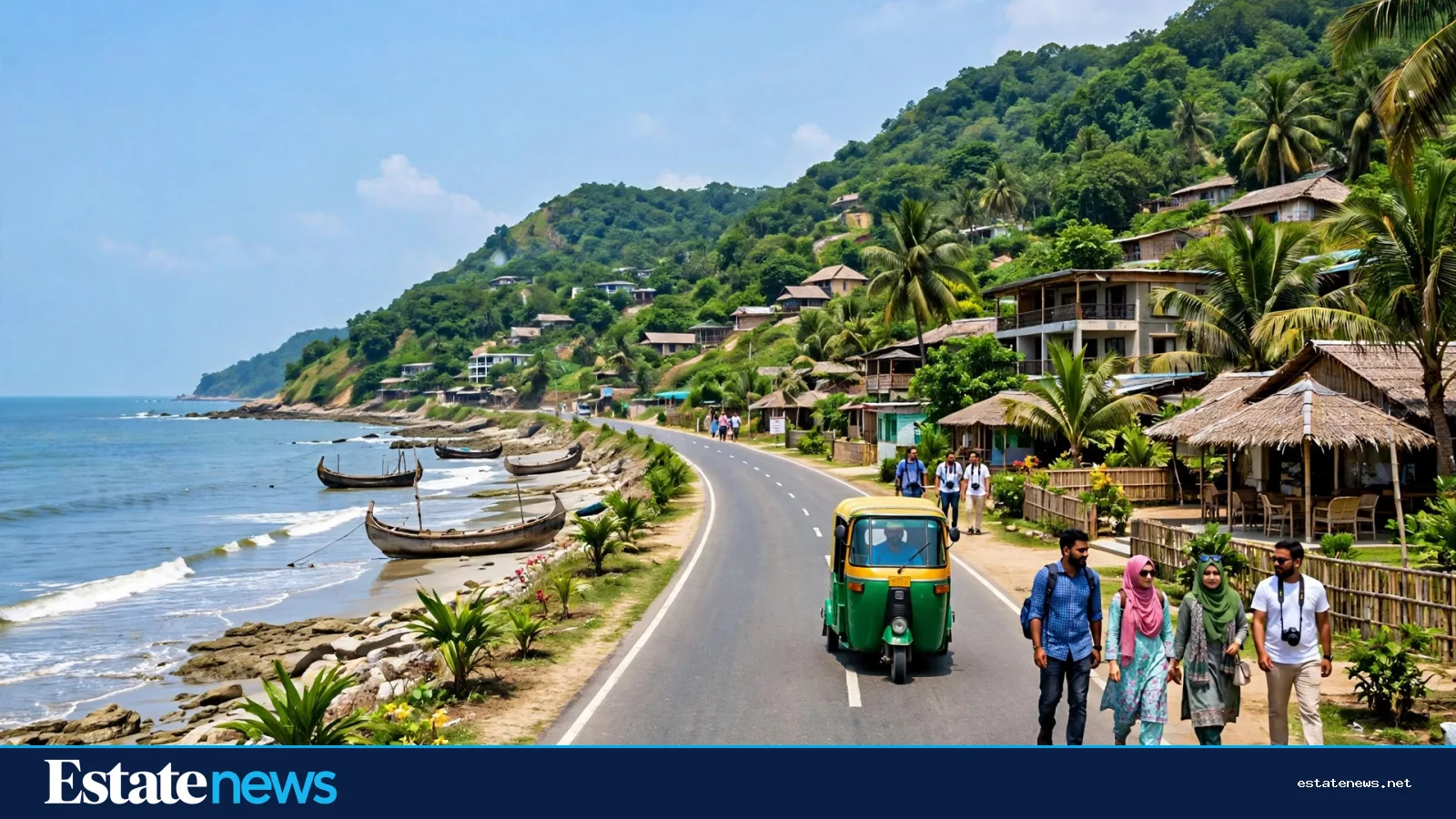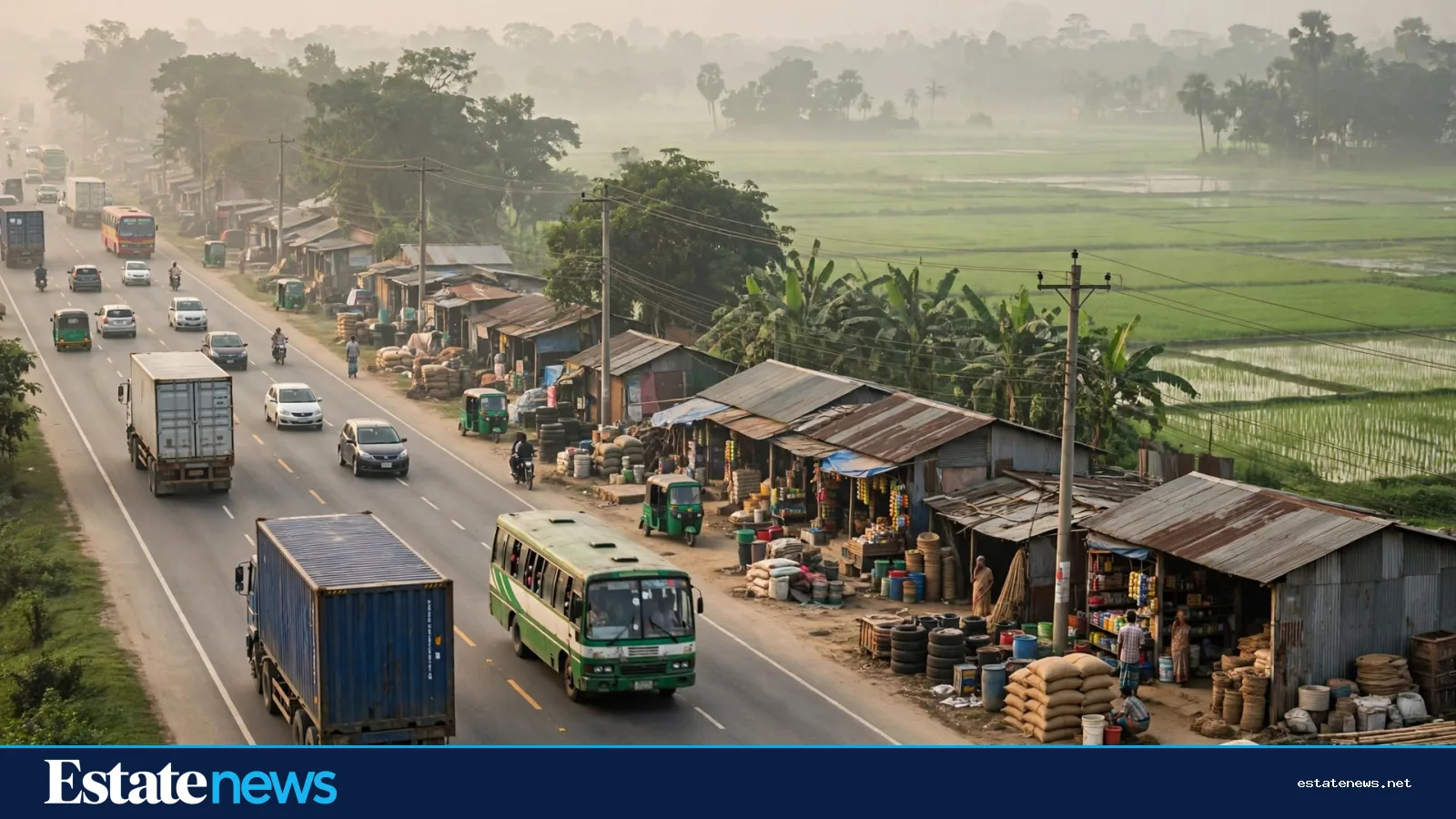
Stand on the Dhaka-Chattogram highway near Cumilla at dawn and the corridor explains itself. Covered trucks roll toward the port in a long line. Buses overtake them where they can. A driver drinking tea at a roadside stall will tell you the same thing every traveller says: the road is the country's busiest, and it is tired. More than 30,000 vehicles use it every day, according to the Roads and Highways Department, and the jams cost exporters time they cannot get back.
For years, the answer on paper was a six-lane upgrade. That plan is now off the table. The Business Standard reported on 1 November 2026 that the government has shelved the Tk 71,850 crore plan to widen the 232-kilometre highway to six lanes using foreign loans. The proposal was sent back by the Foreign Assistance Search Committee on 8 October, after the Planning Commission had given it in-principle approval. The reason was a change of direction: the authorities now favour an access-controlled, fully or partly elevated expressway built under a public-private partnership, or PPP, model.
What the new plan looks like

The corridor runs about 232.76 kilometres, from Daudkandi in the Dhaka region to GEC Crossing in Chattogram, mostly parallel to the existing Dhaka-Chattogram National Highway. The earlier proposal divided it into three stretches: a 38-kilometre section crossing Dhaka, Narayanganj and Munshiganj; a 125-kilometre central section from Cumilla to Feni; and a 69-kilometre section ending in Chattogram. Those distances describe the corridor, not a finished design. The Roads and Highways Department is now assessing three structural options: a fully elevated expressway along the entire route, an elevated structure covering one-third of the corridor, or elevated sections restricted to the worst congestion bottlenecks.
A review report setting out these options has been prepared for submission to the Prime Minister through the Road Transport and Highways Division, and the Prime Minister will make the final decision on the expressway's scope and financial framework. If the PPP model is approved, the department will formally engage Invest Bangladesh to target domestic and foreign investors. No construction has started. No completion date is fixed. The earlier target of January 2027 to December 2032 belonged to the shelved six-lane plan, and it no longer applies.
The idea itself is not new. The Business Standard reported that Buet first recommended an elevated expressway for the Dhaka-Chattogram route around 2015. Inter-agency disagreements and slow decision-making stalled it for more than a decade. What has changed is the financing route. The six-lane plan needed about Tk 55,080 crore in foreign loans, and the search for that money was the hard part. The Financial Express reported in August that the government was seeking nearly US$4.5 billion in foreign financing, with the Asian Development Bank expressing interest. A PPP model shifts the question from who lends the money to who builds and operates the road, and what tolls will pay for it.
What faster freight would mean between the cities


If the expressway is built, the headline figure is travel time. The Business Standard reported that the expressway could cut the Dhaka-Chattogram journey from eight to ten hours to four. Traffic on the corridor is projected to reach 119,000 vehicles a day by 2040. Those are planning figures, not promises, but they show why the corridor matters. The highway connects Chattogram Port, the export processing zone and the economic zones with the capital, and every hour saved on that run is an hour saved for an exporter, a trucker and a factory waiting on raw material.
The towns between the two cities would feel the change first. Cumilla sits in the middle of the corridor, with its own markets, colleges and housing demand. Faster freight makes a town like Cumilla a better place to store, sort and dispatch goods, and warehousing follows the road. Feni, smaller and closer to Chattogram, has long lived on through-traffic: the tea stalls, the tyre shops, the small hotels that serve drivers. An elevated expressway with limited entry points changes that trade. Some businesses gain, some lose, and a town's main street can go quiet while its outskirts grow.
Mirsharai, near the Chattogram end, already sits beside the Mirsharai economic zone, and better road access strengthens the case for factories and the housing their workers need. The same logic applies to the smaller bazaars along the route. Land near an interchange becomes useful for godowns and logistics yards. Land far from one stays farmland, or stays quiet.
The questions a buyer should ask
None of this is a reason to buy land beside the highway tomorrow. An expressway that has not been approved has no fixed alignment, and an alignment can move. A plot advertised as "beside the future expressway" may sit a kilometre from the final route, or on the wrong side of an embankment. The honest position today is that the direction has changed, the options are being weighed, and the decision sits with the Prime Minister.
For the corridor towns, the useful work starts now. Local traders, warehouse operators and families thinking about a home near the route should watch three things: which structural option is chosen, where the entry and exit points fall, and what the tolls look like. Those three decisions will decide whether a town gains a logistics hub or loses its passing trade. The road itself, when it comes, will be the easy part to see. The choices around it are the ones that shape the towns.
[Read more: Along the Expressway: The New Housing Streets of Dhaka's Airport Road Corridor](https://estatenews.net/development/along-the-expressway-the-new-housing-streets-of-dhakas-airport-road-corridor) | [New Roads, New Neighbourhoods: How Expressways and Arterial Roads Reshape Dhaka's Housing Map](https://estatenews.net/development/new-roads-new-neighbourhoods-how-expressways-and-arterial-roads-reshape-dhakas-housing-map-without-promising-a-price-rise) | [Gazipur's Housing Corridor: Factories, Commutes and the Families Moving Beyond Dhaka's Edge](https://estatenews.net/development/gazipurs-housing-corridor-factories-commutes-and-the-families-moving-beyond-dhakas-edge)