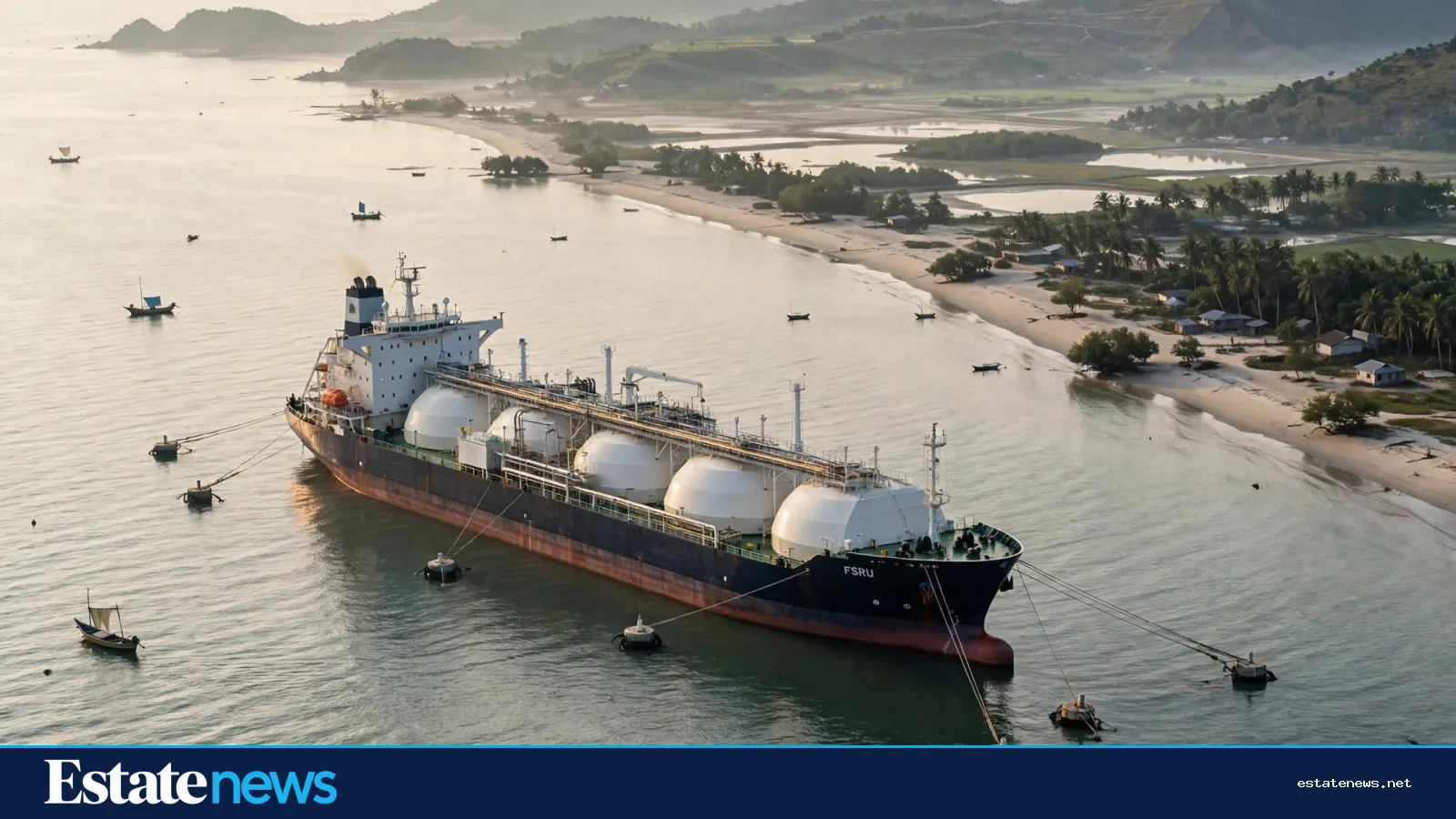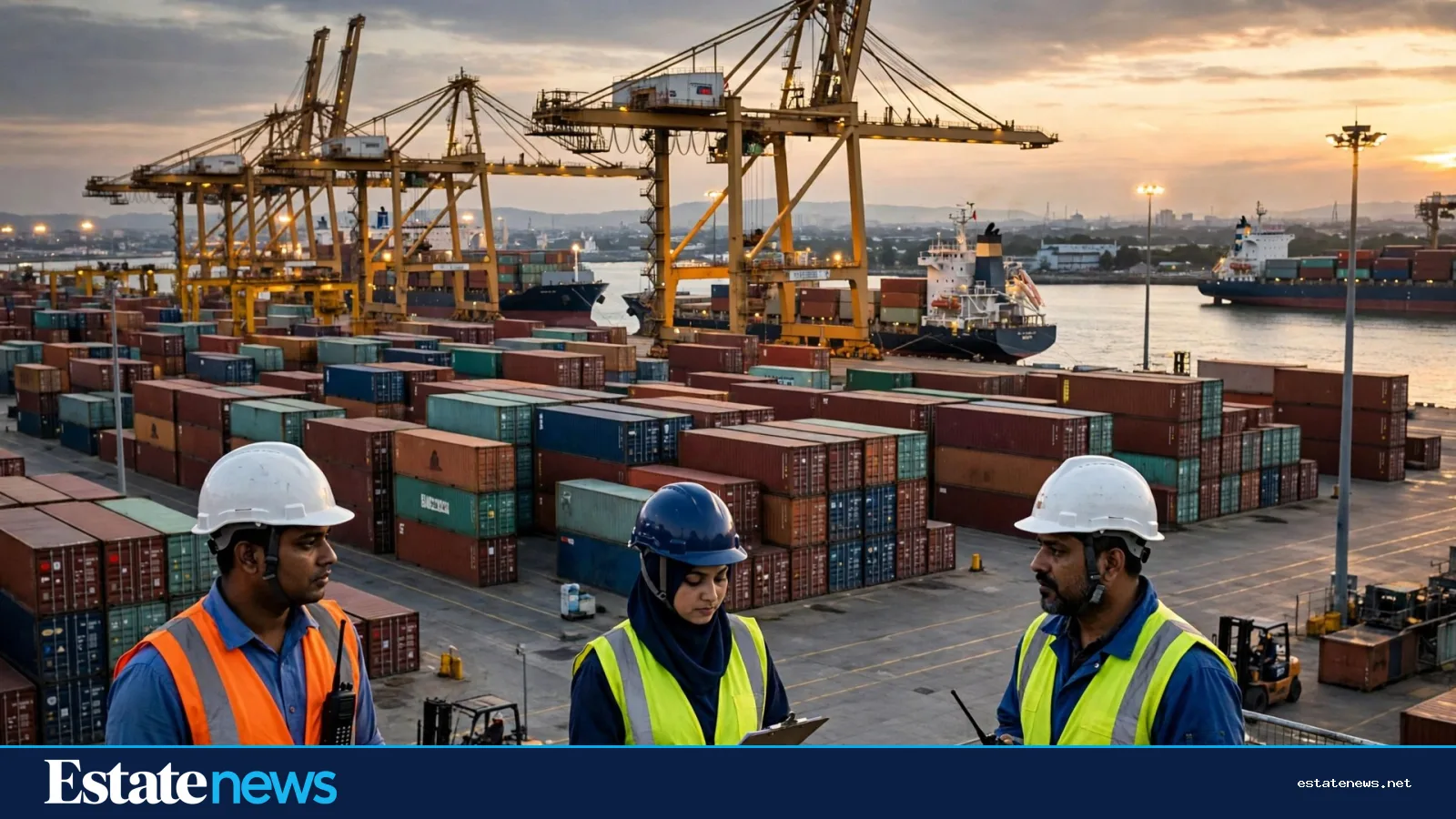
Chattogram Port has moved a step closer to settling who runs its oldest container terminal, and it has given importers more breathing room at the same time. Four firms have bid for a six-month operating contract for the Chittagong Container Terminal, The Daily Star reported, and the port has extended its suspension of fourfold penal rent on imported containers for three months.
The two moves sit on either side of the same question. The terminal needs an operator for the months ahead, and the importers who use it need charges they can plan around. The port authority answered both in the same week.
A six-month contract, four bidders

The Chittagong Container Terminal is one of the port's four main container and cargo terminals, alongside the General Cargo Berth, the New Mooring Container Terminal and the Patenga Container Terminal. The six-month contract is a bridge, not a settlement. It keeps the terminal running while the longer-term shape of the port's operations is decided.
The Daily Star did not name the four bidders, and Estate News is not naming them either. What matters for now is that the competition exists. A terminal with four firms chasing a short contract is a terminal the market still wants to run, and that is a useful signal in a year when the port's biggest decisions have been about who operates what.
The bigger date sits behind all of it. DP World is to take over the New Mooring Terminal in March 2027, under a 15-year concession. Estate News reported the terms in "Chattogram Port: DP World to Take Over New Mooring Terminal in March 2027", with an upfront payment of about Tk 600 crore, a quarter of it on signing and the rest before operations begin, and more than Tk 1,000 crore of investment over ten years, according to the port authority via BSS. The New Mooring Terminal handles more than 40 percent of the port's container traffic. Whoever runs the Chittagong Container Terminal for the next six months will be working in the shadow of that handover.
The rent freeze, and why importers care


The second move is the one importers will feel first. Chattogram Port has extended its suspension of fourfold penal rent on imported containers by three months, The Business Standard reported, confirming a Bangladesh Sangbad Sangstha item from 18 November. The suspension also covers the Kamalapur inland container depot in Dhaka.
Penal rent is the charge that bites when a container sits too long. At four times the normal rate, it turns a delay at the port into a real cost for the importer, and eventually for the buyer of whatever was inside the box. Freezing it for another three months does not fix the delays. It stops the delays from compounding into bills that push small importers out of the market.
The port has been remaking its operating map all year. "Chattogram Port Turns Landlord: Tenders, Terminals and the Bay Terminal Bill" looked at the port authority's tender-rules gazette, and "Chattogram Port: New Operator Rules, Old Monopoly Question" followed the rules that now govern who can run a terminal. The Chittagong Container Terminal bids are the next chapter of that story, and the rent freeze is the part of it that reaches beyond the port gates.
What it means for the towns between the ports
A container terminal is not only a port story. It is a freight story, and freight decides what the towns between Dhaka and Chattogram can sell. "The Dhaka-Chattogram Expressway: What Faster Freight Means for the Towns Between" traced that link, from the port gates to the factories and warehouses along the highway. A terminal that runs smoothly keeps trucks moving and keeps the cost of moving goods down. A terminal that stalls pushes the cost onto every business that imports through it.
For a buyer or a builder, the port's moves are background noise until they are not. Cement, steel and machinery all arrive through Chattogram, and the cost of clearing them feeds into the cost of a flat. The rent freeze keeps that cost from jumping this quarter. The six-month contract keeps the terminal staffed while the port decides its future. Neither is a headline on its own. Together they say the port is being managed, not left to drift, in the months before its biggest terminal changes hands.