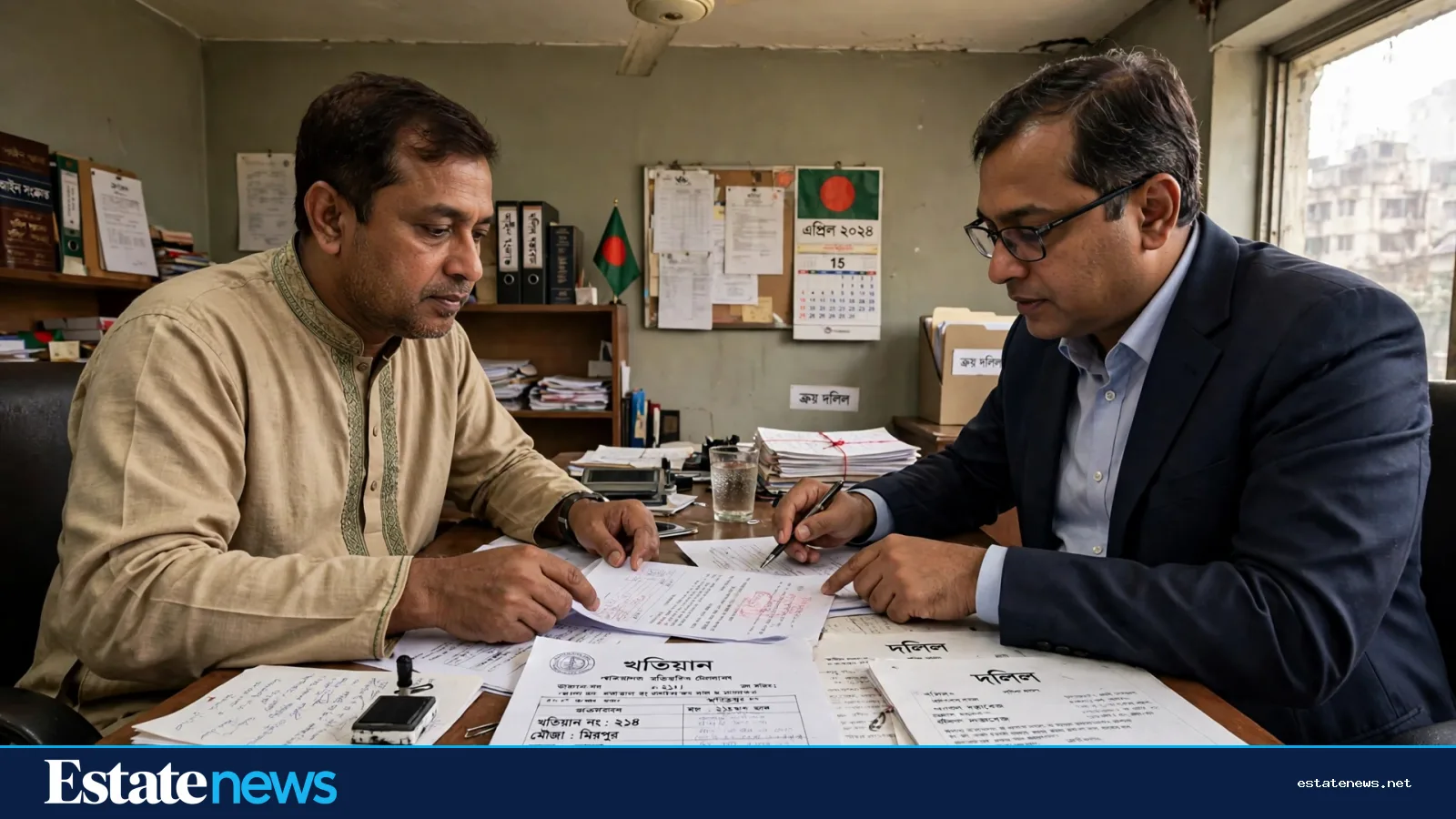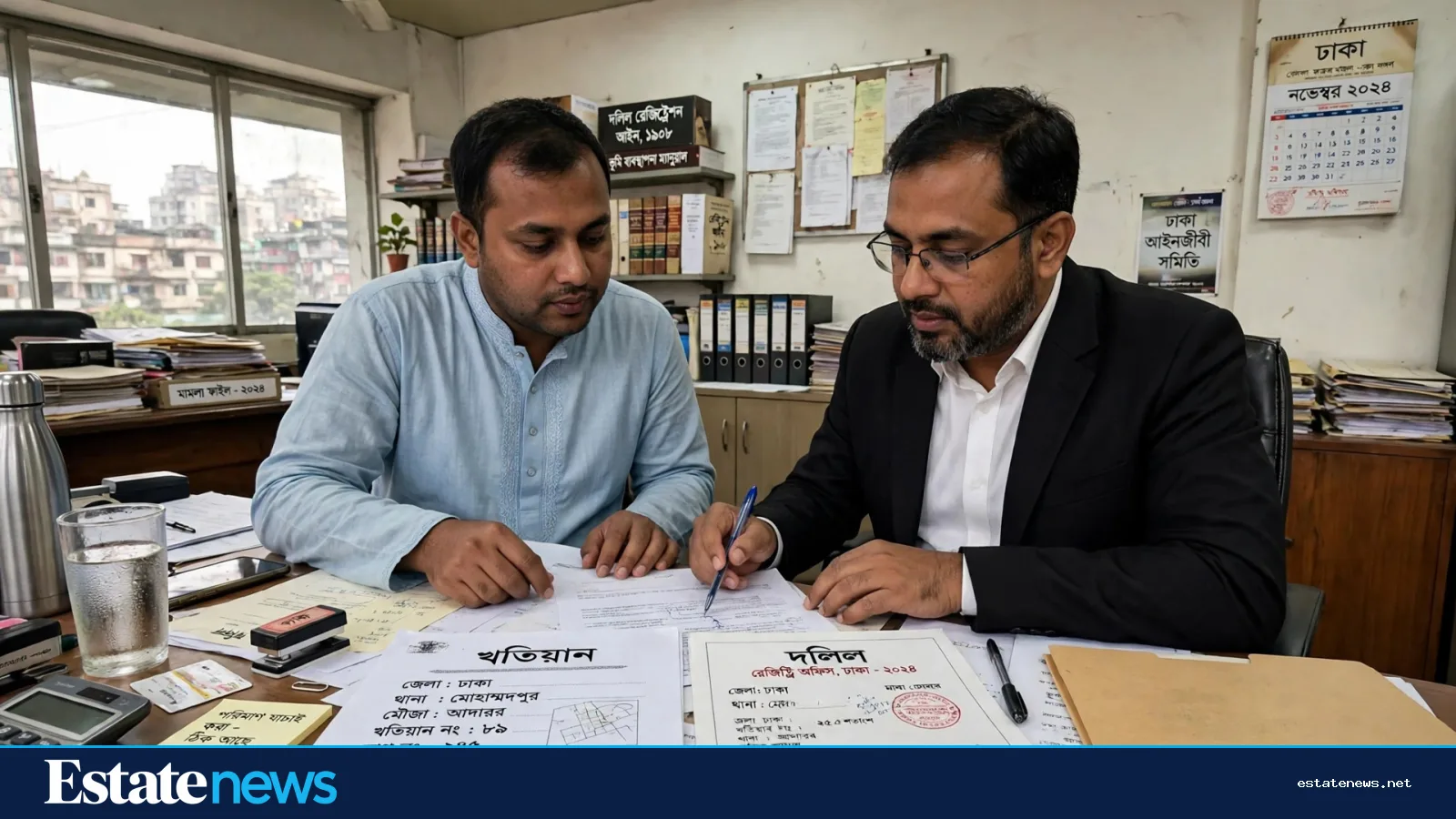
The building is finished. The tiles are laid, the lift runs, the paint is dry. The developer hands over the keys, and the family moves in. In Dhaka, that moment often happens without a paper that the law says should come first: the occupancy certificate.
An occupancy certificate, usually called an OC, is issued by the development authority, RAJUK in Dhaka, and it confirms that a completed building matches its approved plan and is fit for occupation. The same number of floors, the same setbacks, the same structural design, the same fire safety provisions. It is the last regulatory checkpoint between construction and occupation, and without it, a building is technically not cleared to be lived in. That is the position under the Dhaka building construction rules, and it is the reason buyers, lenders and utility providers ask for the certificate.
How the certificate is obtained

Under the Dhaka Metropolitan Building Construction Rules of 2008, the process runs in steps. When construction is complete, the owner applies to RAJUK with a completion report, known as Form-401, and the appointed architect and engineer issue a certificate, Form-402, stating that the work was completed under their supervision and as per the approved plan. RAJUK then inspects the building, with the rules saying the inspection should happen within 15 days of receiving the application, and issues the residence or use certificate, Form-403, if the building matches the plan. The documents that go with the application include the completion certificate, as-built drawings, evidence of utility connections and the fire no-objection certificate from the Fire Service and Civil Defence.
The certificate's validity is one place where the rules are in flux. Under the 2008 rules, the residence or use certificate was valid for five years and had to be renewed. A current guide to RAJUK's rules notes that draft 2026 rules would end the five-year renewal once a certificate is issued. Buyers should check the position in force when they buy rather than assume either version applies.
Why so few buildings have one
Here is the number that stops most buyers short. A Bangla Tribune report put the count at just 165 occupancy certificates across the capital's roughly 2.2 million buildings. Most buildings in Dhaka are occupied without one. The usual reasons are extra floors beyond the approved plan, setback violations, or simply that nobody ever applied. RAJUK has said it cannot issue the clearance where a building has faults, and it has decided that utility services should not be given to buildings without the certificate.


That gap is exactly why the paper matters to a flat buyer. A building without an OC is not automatically unsafe, and many of the city's best-known addresses were occupied long before anyone talked about certificates. But a buyer who moves into a building without one has less to stand on if the authorities act, and less weight behind any complaint if the developer's work turns out to differ from the plan. Banks and large tenants are increasingly asking for it, which is why the certificate is becoming a selling point rather than a formality.
What to ask for before you take the keys
The handover is the moment to ask. A buyer should ask the developer for the occupancy certificate, the completion certificate from the architect and engineer, the fire no-objection certificate, and the as-built drawings, and should check that the flat handed over matches the approved plan in the ways that matter: the floor count, the flat's size and layout, the common areas. If the certificate is still being processed, ask for the application and the timeline in writing, and get the developer's position recorded in the handover documents.
The steps before that point are covered in "RAJUK Approval Step by Step: How a Building Plan Gets Its Stamp", which follows a plan from application to approval. After the purchase, the paper trail continues with mutation, covered in "Mutation After Buying a Flat: The Paper Trail From Deed to Holding Number". And the handover itself, with its delays and disputes, is covered in Bangla in "হস্তান্তরে দেরি: চুক্তিতে আসলে কী লেখা থাকে".
If the certificate is missing and the developer cannot explain why, that is a question to take to a lawyer before paying the final instalment, not after. No fee or timeline is fixed in this guide, because RAJUK's requirements and charges change, and a buyer should confirm the current position with RAJUK or a professional before acting. The certificate is a small paper. It is also the only paper that says, in the authority's own words, that the building you are about to live in is the building that was approved.
This article is general information, not legal advice. For a specific building or purchase, speak to a lawyer.