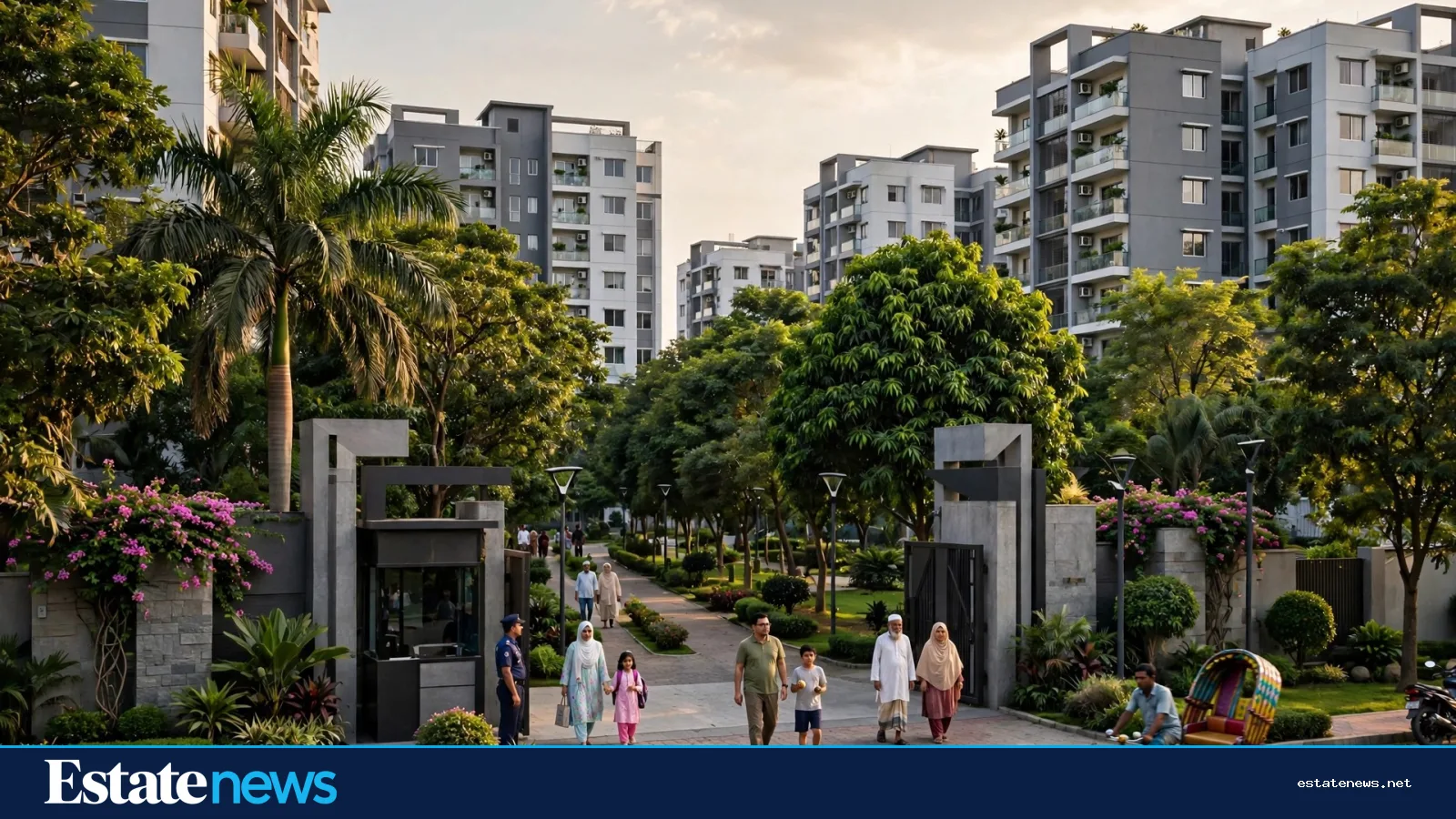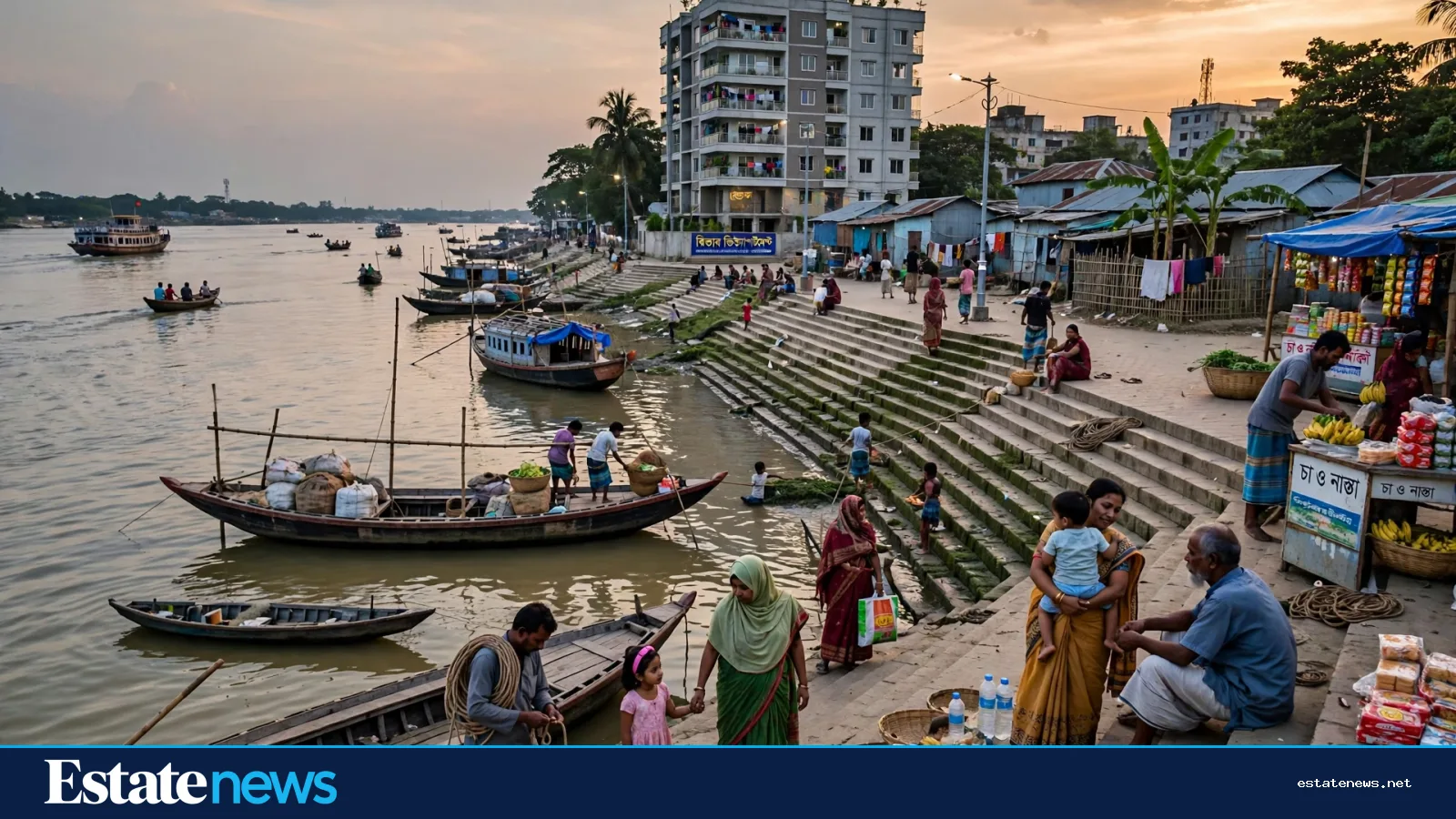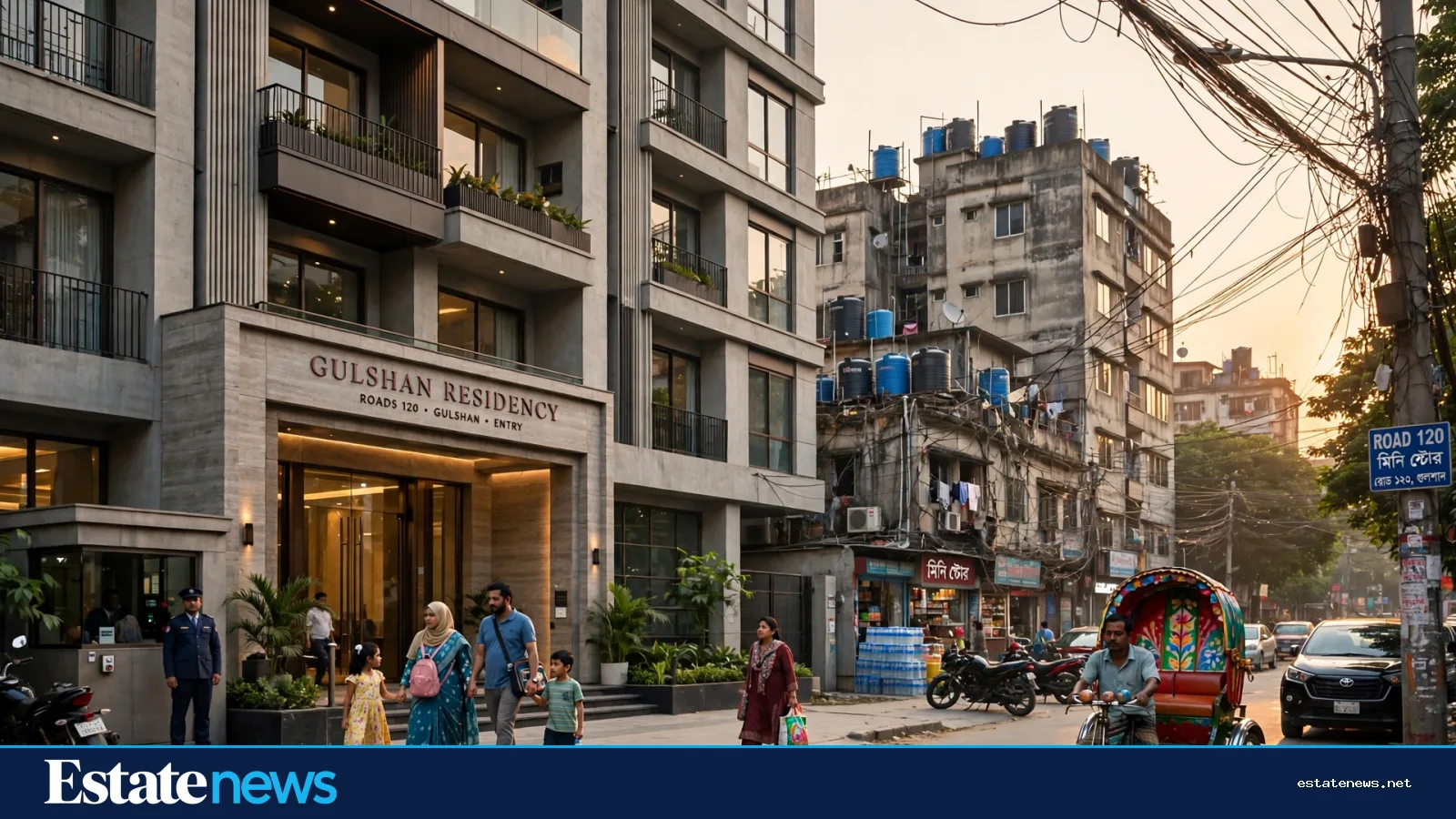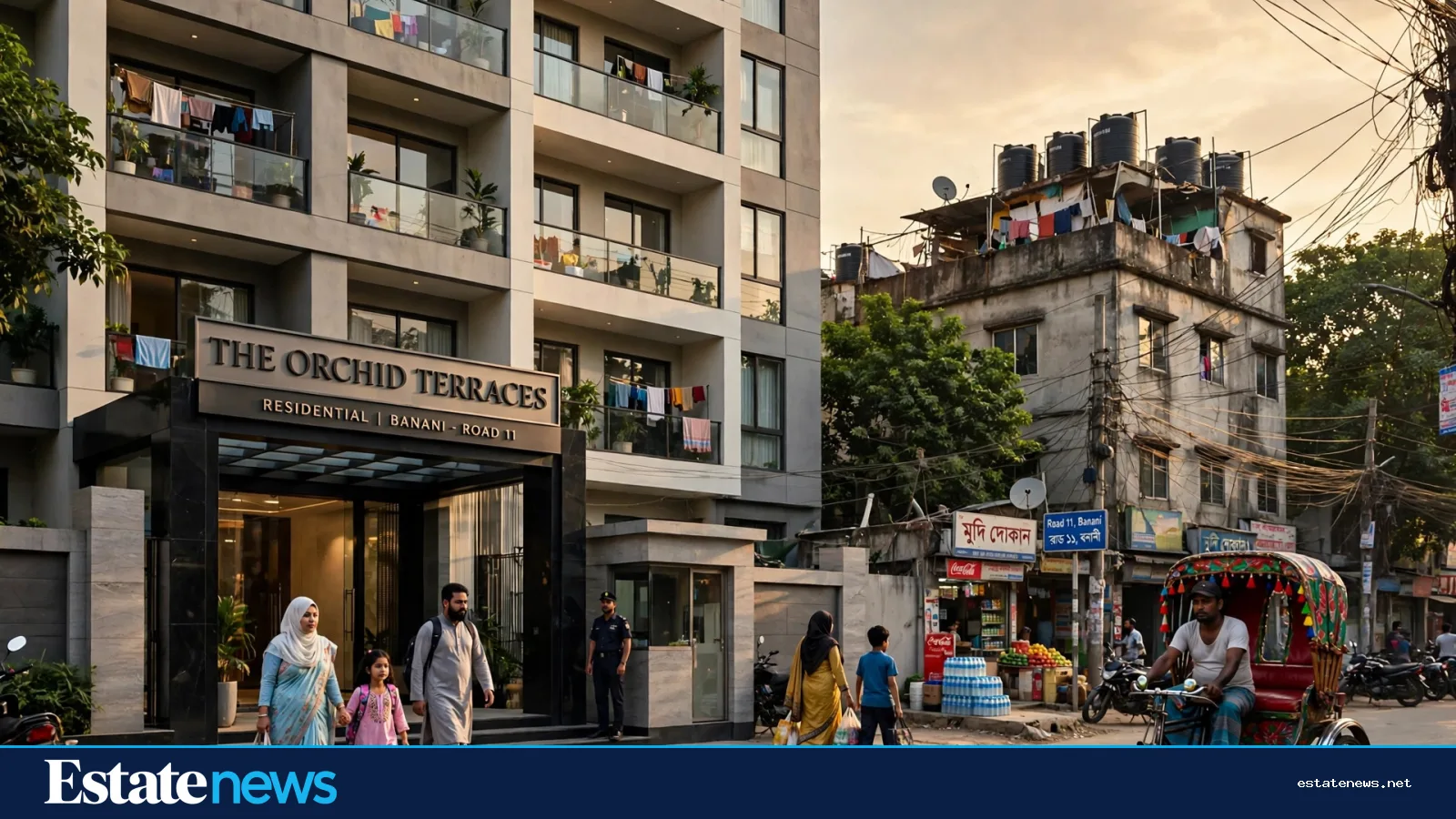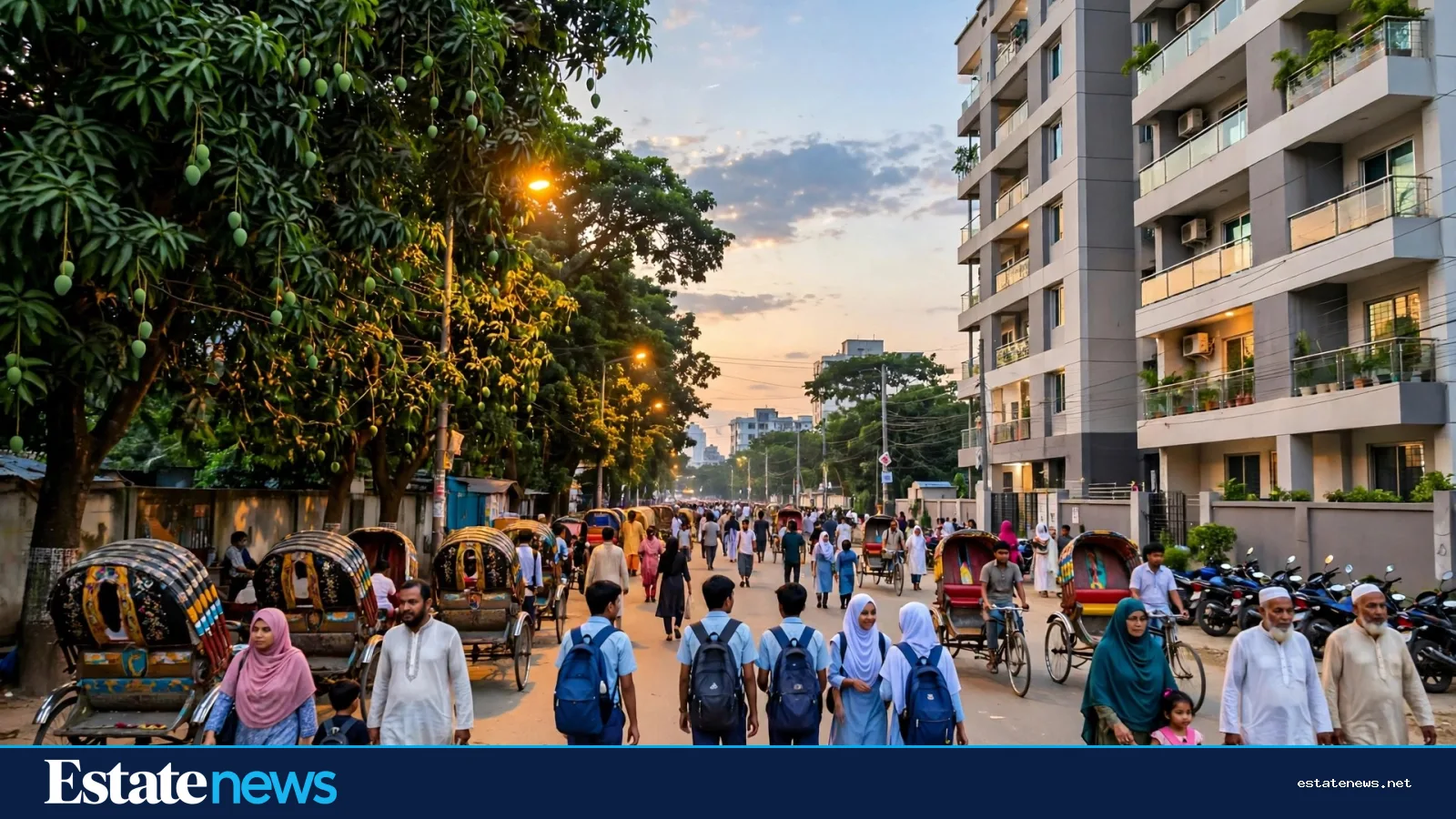
The light goes soft over Rangpur just after five. Rickshaws crowd the road past the college gates, students walk in groups with bags on their shoulders, and the mango trees that line the older streets throw long shadows across the footpaths. On a corner plot a new apartment block stands half-finished, its concrete frame rising above the tin roofs around it. A tea stall below it does steady business. Nobody here talks about a property boom. The talk is slower, and more practical: a plot near the school, a flat for a son who has taken a government posting, a house with room for parents.
Rangpur is a divisional city in the north of Bangladesh, and for years its housing story was written in plots rather than flats. Families bought land, built a house a little at a time, and added a floor when money allowed. That pattern is still the city's backbone. What has changed is the shape of demand around it. The city is an education and administrative centre for the whole northern region, and the students, teachers, officials and traders who arrive each year need somewhere to live. Some rent. More and more, some buy.
The change is visible in the streets before it shows in any price list. Old neighbourhoods of single-storey houses now sit beside three and four-storey blocks. Newer roads carry small apartment buildings where a family once kept a garden. The cantonment, the colleges and the courts anchor the city's daily rhythm, and housing has grown outward from those anchors, along the roads that connect them to the paddy fields beyond.

A city built on palaces and paddy
Rangpur's past still sets the tone of the place. Tajhat Palace, built in 1917, stands as the city's best-known building, a zamindar palace that has served as a museum since 2005. Estate News covered the palace itself in our Tajhat Palace story, and the building draws visitors from across the north. It is the first thing a newcomer is shown, and it tells a visitor something the housing market cannot: this is a city that has been important for a long time, and its houses were once built to last generations.
That history sits beside a farming economy. Paddy comes in from the fields around the city, and the trade in rice, jute and seasonal crops fills the bazaars. Traders who made their money in the mandis are among the buyers of the new flats, and so are families whose children work in Dhaka and send money home. The money that builds a house in Rangpur often starts somewhere else, in a job in the capital or abroad, and comes back to the north to be put into brick.
Who is moving in
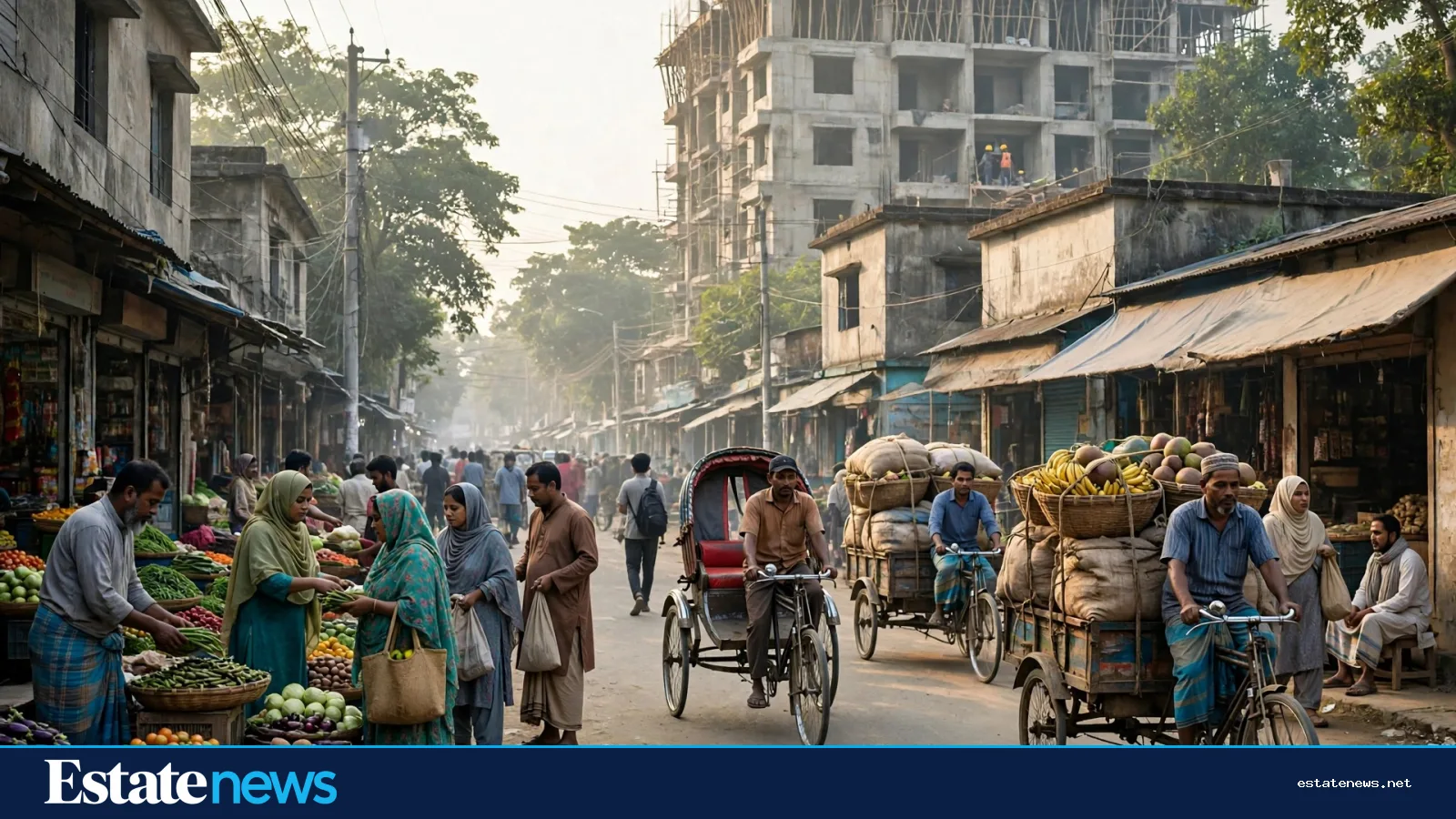
Trade is what keeps the city's streets busy from morning. Shopkeepers open shutters on roads that fill with cycle vans carrying sacks of rice and vegetables. The bazaars are the city's commercial heart, and the families who run them have lived in Rangpur for generations. Around them, a newer group is settling in: teachers posted to the city's colleges, bank officers, health workers and small business owners who want a flat close to their work rather than a plot on the edge of town.


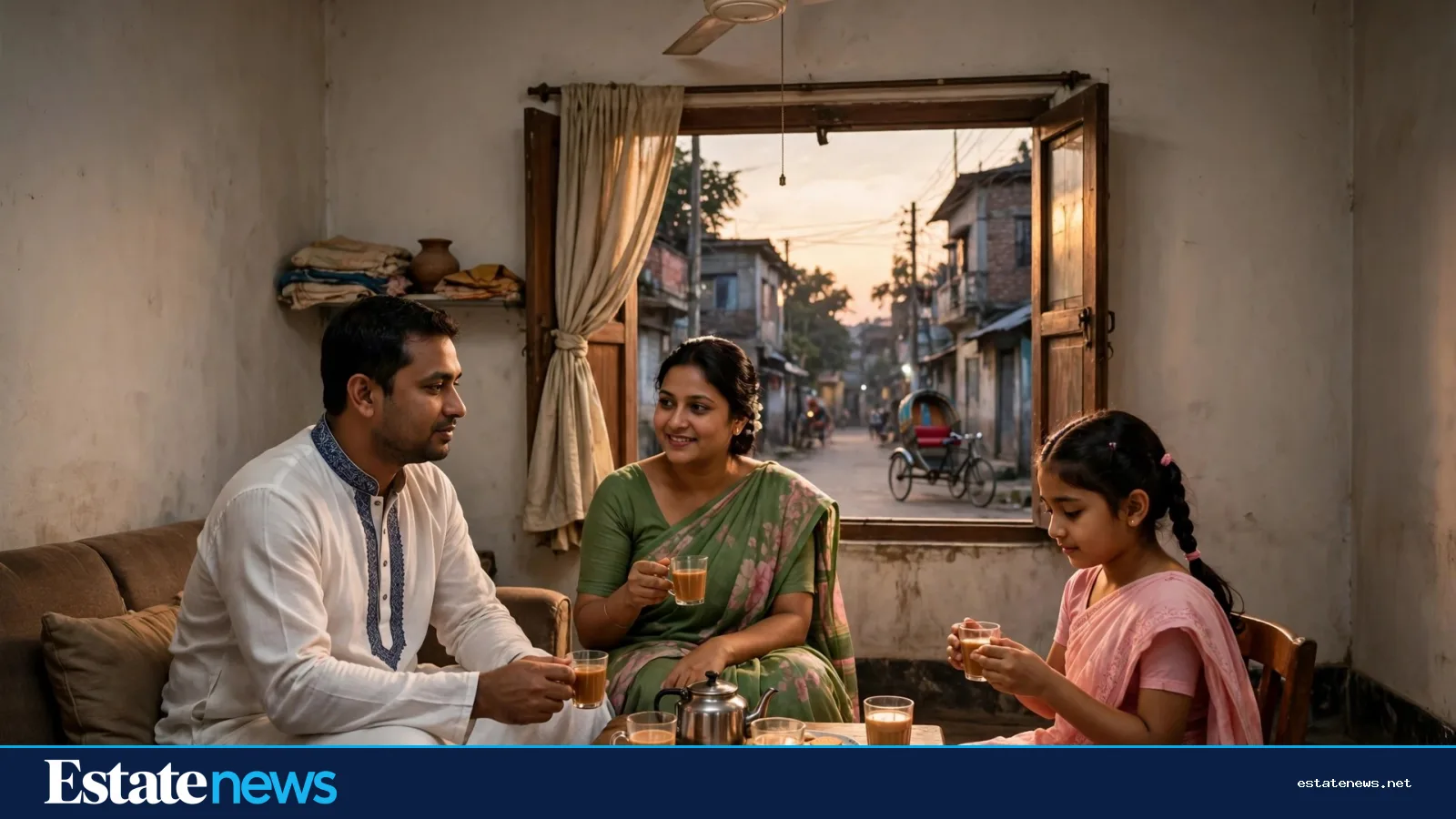
Step inside one of the new flats and the change feels quieter. A living room with a ceiling fan and a window onto the street, a kitchen sized for a family that cooks every day, a balcony where clothes dry in the winter sun. The flats are modest by Dhaka standards, and that is part of their appeal. Buyers here are not chasing a skyline view. They want a sound building, a road that does not flood in the monsoon, and neighbours they know.
Plots still sell, and for many families a plot remains the first choice. A plot lets a family build at its own pace, add rooms as children grow, and keep a courtyard. Flats suit a different buyer, someone posted to Rangpur for a few years, or a small family that wants to move in at once. Prices vary by area and road frontage, and no single figure describes the city. A plot near a college or a main road costs more than one on a narrow lane, and a flat's price turns on the building's age, its fittings and how far it stands from the centre.
What buyers check first
The questions a Rangpur buyer asks are the same ones a Dhaka buyer asks, asked in a smaller market where everyone knows the seller. The deed and the chain of title come first, then the mutation record, then the question of whether the plot sits inside an approved layout. Estate News's guide to verifying a land title in Bangladesh walks through the documents that matter, and the same checks apply here. A buyer who skips them in a small city pays the same price as one who skips them in Dhaka.
The city's growth also raises a practical question about its roads and drains. New buildings bring more families onto streets that were laid out for fewer. The monsoon tests every new road, and a flat that looks fine in winter can sit in water in July. Buyers who walk a neighbourhood after rain learn more than any brochure tells them, and in Rangpur, where distances are short and sellers are neighbours, that walk is easy to take.
Rangpur will not become Dhaka, and it does not need to. Its housing market is growing on its own terms, fed by its colleges, its courts, its cantonment and its trade, and by the families who have always lived here. The palace still draws visitors, the paddy still comes in from the fields, and between them a northern city is quietly finding its own buyers, one plot and one flat at a time. Estate News also covered Jashore, another district town whose housing follows its border trade, and Rajshahi, the Padma-side city whose flat market is growing in a similar way, and the pattern in all three is the same: a regional city, a local economy, and buyers who know exactly what they are paying for.