Read the index first, plainly, because a wrap that softens a fall does its readers no favour. The Dhaka Stock Exchange benchmark DSEX closed at 5,385.15 points on Sunday 1 November, down 32.29 points, or 0.60 per cent, from 5,417.44 in the previous session, according to The Business Standard's report of the session. The blue-chip DS30 fell 0.88 per cent to 2,068.43, and the Shariah-based DSES declined 0.45 per cent to 1,045.93. It was the market's second straight losing session, and the report links the mood to disappointing corporate earnings and dividend declarations alongside persistent economic pressure.
Turnover told a quieter story. It fell 14.6 per cent to Tk482.19 crore from Tk564 crore in the previous session, the same report says, citing EBL Securities. Of the 387 issues traded, 190 declined, 151 advanced and 46 stayed unchanged. Textile stocks accounted for 20.5 per cent of turnover, followed by general insurance at 17.3 per cent and banks at 11.3 per cent. Put together, the session reads as cautious rather than panicked: fewer buyers willing to chase prices, sellers still active, and trading concentrated in a few familiar sectors.
Why earnings season is setting the tone

Earnings season has a way of exposing what a rising or falling index only hints at. When listed companies report weaker profits or smaller dividends than investors expected, the reaction is rarely confined to one share. Fund managers reassess whole sectors, small investors follow the selling, and the market drifts lower even where the wider economy has not changed overnight. That is the pattern described in the 1 November commentary: concern about near-term earnings, layered over business costs that have stayed high.
The stronger news arrived from outside the market
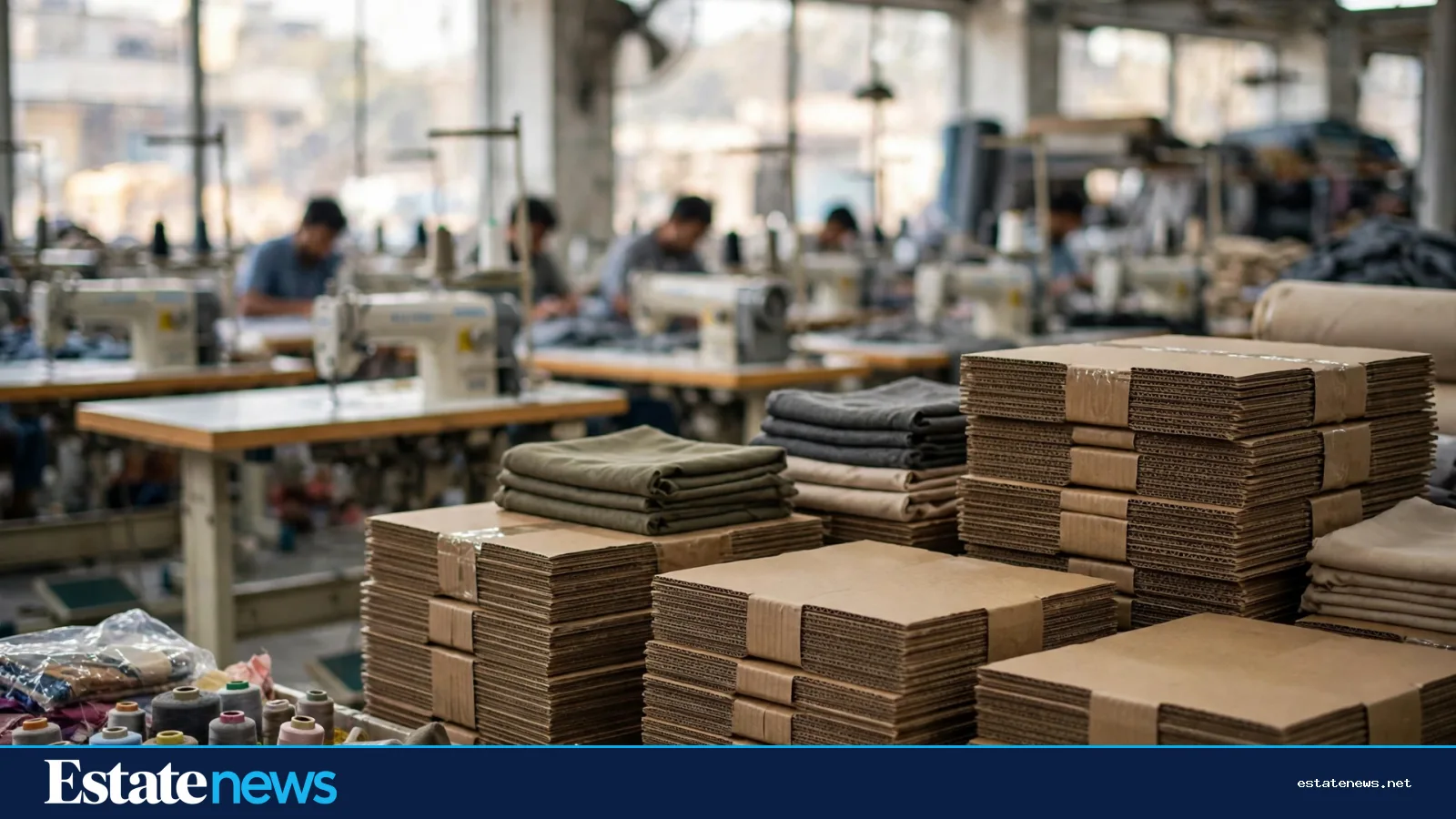
The same weekend, Bangladesh Bank released figures that point in a steadier direction. Merchandise exports rose 4.39 per cent year on year to $3.99 billion in October, according to Export Promotion Bureau data reported by The Business Standard, marking a third straight month of growth. For July to October of fiscal year 2026-27, exports reached $17.04 billion, up 6 per cent, or around $960 million, from $16.08 billion a year earlier. Knitwear led the way at $7.71 billion, up 7 per cent, while woven garments reached $6 billion, up 4.8 per cent. Pharmaceuticals, jute and leather shipments also strengthened, the report says.
Remittances moved the same way. Expatriate Bangladeshis sent $2.87 billion in October, up 12.18 per cent from a year earlier, Bangladesh Bank executive director and spokesperson Arief Hossain Khan told reporters on 1 November, as reported by The Business Standard. The July to October total reached $11.465 billion, up 13 per cent from $10.149 billion in the same period last year. September had brought $2.77 billion, so October was also an improvement on the previous month.
These are not abstract trade figures. Export earnings pay factory wages, keep orders flowing through Gazipur, Narayanganj and Chattogram, and support the small businesses that cluster around industrial areas. Remittances pay school fees, clear debts, fund deposits on flats and keep construction going in districts where migrant families are building. When both rise together, the property market gains something a stock index cannot give it: households with money actually arriving.


Borrowing still sets the pace for property
Against that backdrop, borrowing costs remain the brake. Bangladesh Bank has held its policy rate at 9.50 per cent for the October to December quarter, with the standing lending facility at 11.00 per cent and the standing deposit facility at 7.50 per cent, according to its quarterly monetary policy statement of 30 September. September headline inflation, measured by the Bangladesh Bureau of Statistics, was 8.34 per cent. Expensive borrowing plus prices still rising at that pace is the combination every home buyer in Dhaka recognises: loans cost more, savings lose ground, and the monthly budget has less slack.
There is a constructive reading of this, and it does not require pretending the squeeze away. High borrowing costs reward buyers who arrive prepared. A family that uses these months to build a larger deposit, clear a small loan, check its credit record and compare loan terms across banks will borrow less when it finally buys, whatever rates do next. Patience in this market is not inaction. It is the work that makes the eventual purchase cheaper and safer.
What this week means for a buyer or a builder
Start with the stock market, but do not stop there. A second straight fall, thinner turnover and earnings worry argue for caution with fresh equity exposure, and for checking any dividend income you were counting on. They do not argue for freezing every other decision. Export growth for a third month and remittance growth of more than 12 per cent in October argue that incomes supporting housing demand are still arriving, even if the market is not celebrating them yet.
For someone saving for a flat, the practical order stays the same. Protect the deposit first, in an account you will not raid for everyday spending. Treat any remittance inflow as part of that plan, decided before the money arrives, not after. If you are comparing projects, ask how the developer is financing construction and what happens to the payment schedule if costs rise, because those answers matter more in a high-rate period than a brochure ever will. And if you already own, the same logic applies to maintenance: small, planned spending now beats a large, forced repair later.
The 2 November trading session will add its own numbers when it closes, and they may extend the fall or interrupt it. Either way, the picture from the last reported session is clear enough to act on: a market that is cautious, an export sector that is still growing, remittance flows that are still strong, and borrowing that is still expensive. Households that plan around all four, instead of reacting to any one of them, are the ones best placed for whatever the market does next.