Every flat hunter in Dhaka hears the same advice: look for a south-facing flat. The advice has a reason behind it. South-facing rooms catch the sun for more of the day, and in the cooler months that sun feels generous. But the advice leaves out half the city's flats, and it leaves out the fact that north-facing rooms have their own strengths. They stay cooler in the hot months. Their light is softer and more even, without the harsh glare that makes a south-facing room hard to sit in at midday. The task is not to fight the orientation. It is to design around it.
A north-facing room in Dhaka still gets daylight, just not direct sun for long stretches. In the monsoon, when the sky stays grey for days, that room can feel dim. In winter, the light thins earlier. The fixes below work with those facts, not against them, and none of them requires a renovation budget.
Start with the walls

Paint is the cheapest way to change how a room feels. North-facing rooms suit warm whites rather than stark, blue-white shades, which can look cold when the light is already cool. A warm white, a pale cream, or a very light warm grey will bounce what light there is without making the room feel clinical. One accent wall in a soft warm tone, such as a muted terracotta or a pale sage, can add depth, but keep it to one wall. Dark colours on every wall will swallow the light you are trying to save.
The ceiling matters as much as the walls. A bright white ceiling reflects light downward, and a ceiling fan in white, rather than dark brown, helps rather than hurts. If the flat has dark wood panelling or heavy dark curtains from a previous tenant, removing them often changes the room more than any new purchase.
Mirrors, glass and the path of light
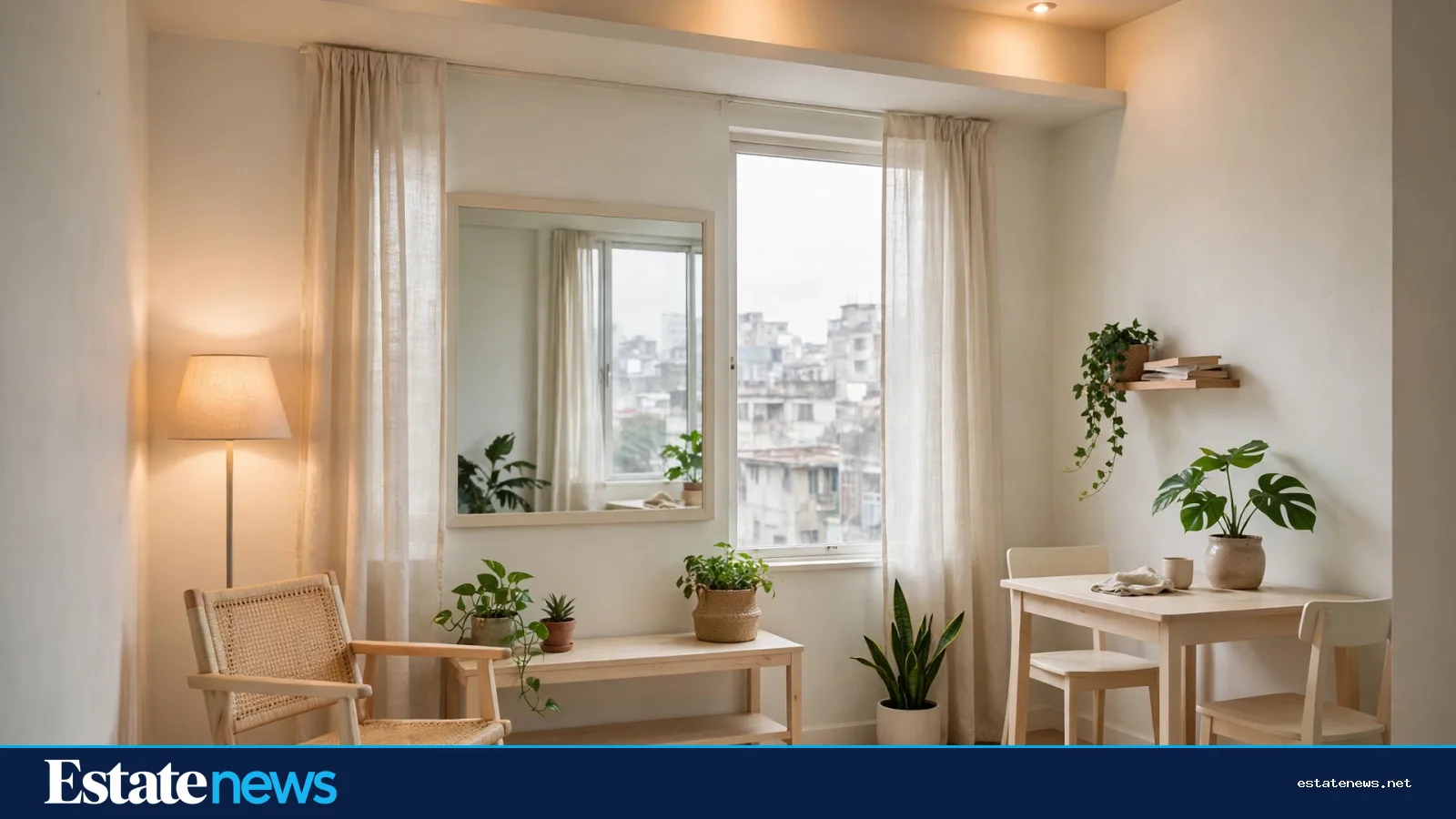
A mirror is the oldest trick in the small-flat book, and it works because it does real work. A large mirror placed opposite a window, or on the wall beside it, doubles the sense of light and depth. It does not need an ornate frame. A plain, well-sized mirror, hung at eye level, does more than a small decorative one hung too high.
Glass and light finishes extend the same idea. A glass-topped table, a light-wood shelf, pale curtains instead of heavy drapes, and furniture with legs that let the floor show through, all keep light moving around the room. Sheer curtains are the right default for a north-facing window. They soften the view without blocking it, and they can stay drawn all day while heavier curtains are kept for the night.
Furniture placement decides whether light reaches the back of the room. A tall, dark wardrobe placed beside the window blocks light before it enters. Move it to a side wall, and the window can do its job. A desk near the window gets the best light for reading and working, which matters in a flat where a corner doubles as a home office.
Layer the lighting


One ceiling light in the middle of a room leaves corners dark and faces shadowed. Layered lighting fixes that without much expense. A ceiling light for general brightness, a floor lamp or table lamp near the seating area for warmth, and a small task light at a desk or reading chair, together make a room feel bright even after sunset. Warm-white bulbs, rather than harsh white ones, keep the evening mood comfortable and avoid the clinic-like glare that cheap tubes produce.
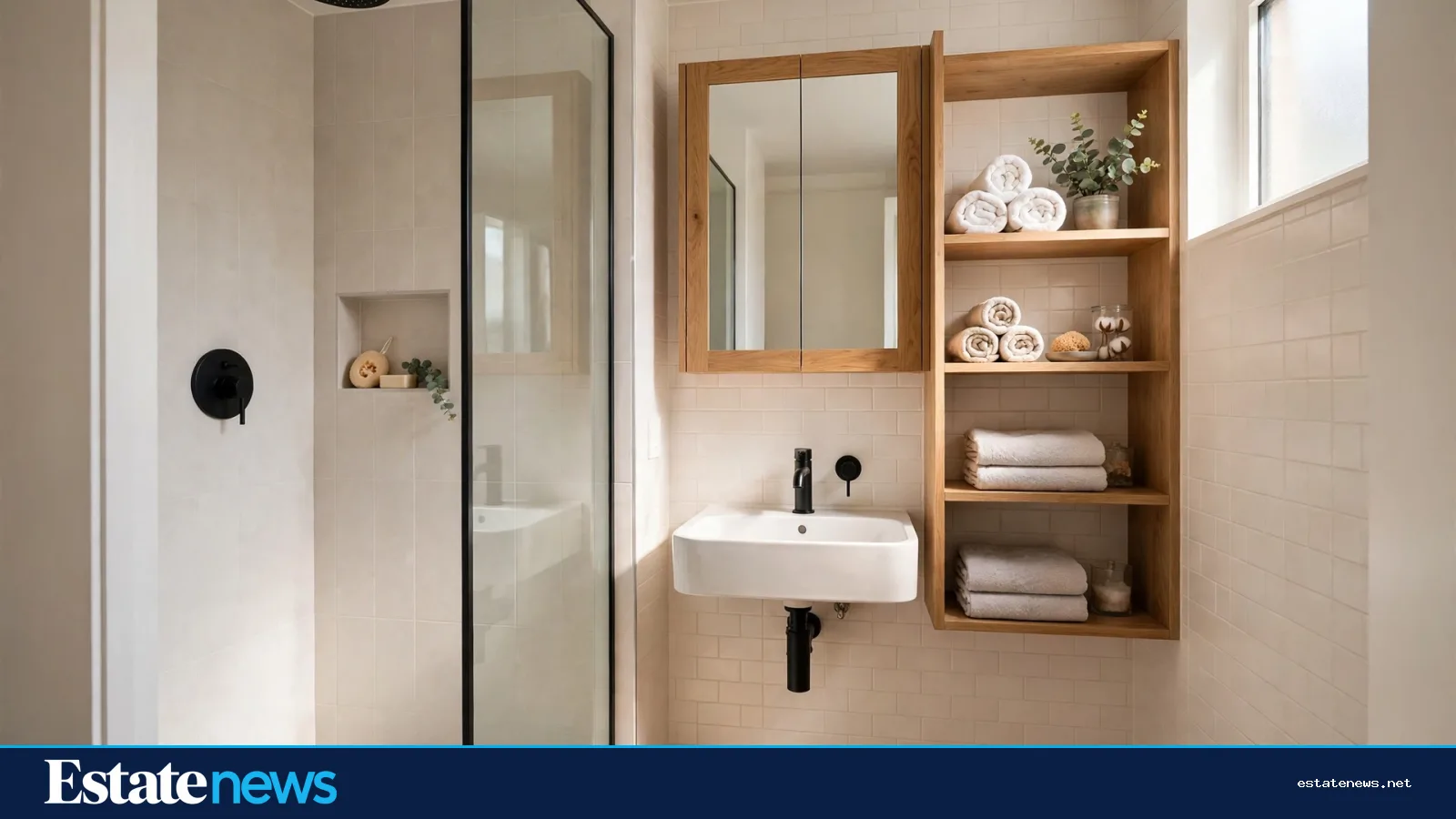
In the kitchen and bathroom, where north-facing rooms often feel darkest, under-cabinet lights or a bright mirror light change the space out of proportion to their cost. These are the rooms where people notice poor light most, because the work there needs it.
Colour, plants and the finishing touches
Colour in a north-facing flat works best in warm accents rather than dark blocks. Cushions in mustard, rust or warm green, a rug in a light pattern, artwork with warm tones, and wooden touches in pale or mid-toned timber, all add warmth without darkening the room. Avoid the temptation to paint everything beige. A room with no colour at all can feel as flat as a room that is too dark.
Plants help, but choose them for low light. Money plants, snake plants, ZZ plants and peace lilies tolerate the softer light of a north-facing room better than sun-loving varieties. A few healthy plants near the window add life and a sense of freshness, and they cost far less than new furniture. Keep them in light pots that match the room's palette, and avoid crowding the windowsill so much that light is blocked.
Rugs deserve a mention too. A light rug over a dark floor changes the whole tone of a room, and it adds warmth underfoot in the cooler months. Choose a rug large enough to sit under the front legs of the sofa and chairs. A small rug floating in the middle of the floor makes the room look smaller, not bigger.
Living with the orientation
A north-facing flat will never behave like a south-facing one, and that is fine. Its rooms stay cooler when Dhaka heats up, its light stays gentle through the afternoon, and its furniture fades more slowly without direct sun beating on it. Those are real advantages, and they are easy to overlook when flat hunting focuses only on sun.
The buyers who enjoy north-facing flats most tend to be the ones who design for them deliberately: warm paint, a mirror in the right place, sheer curtains, layered lamps, and furniture that lets light travel. Start there, and the flat stops feeling like a compromise. It starts feeling like a home that happens to face north.