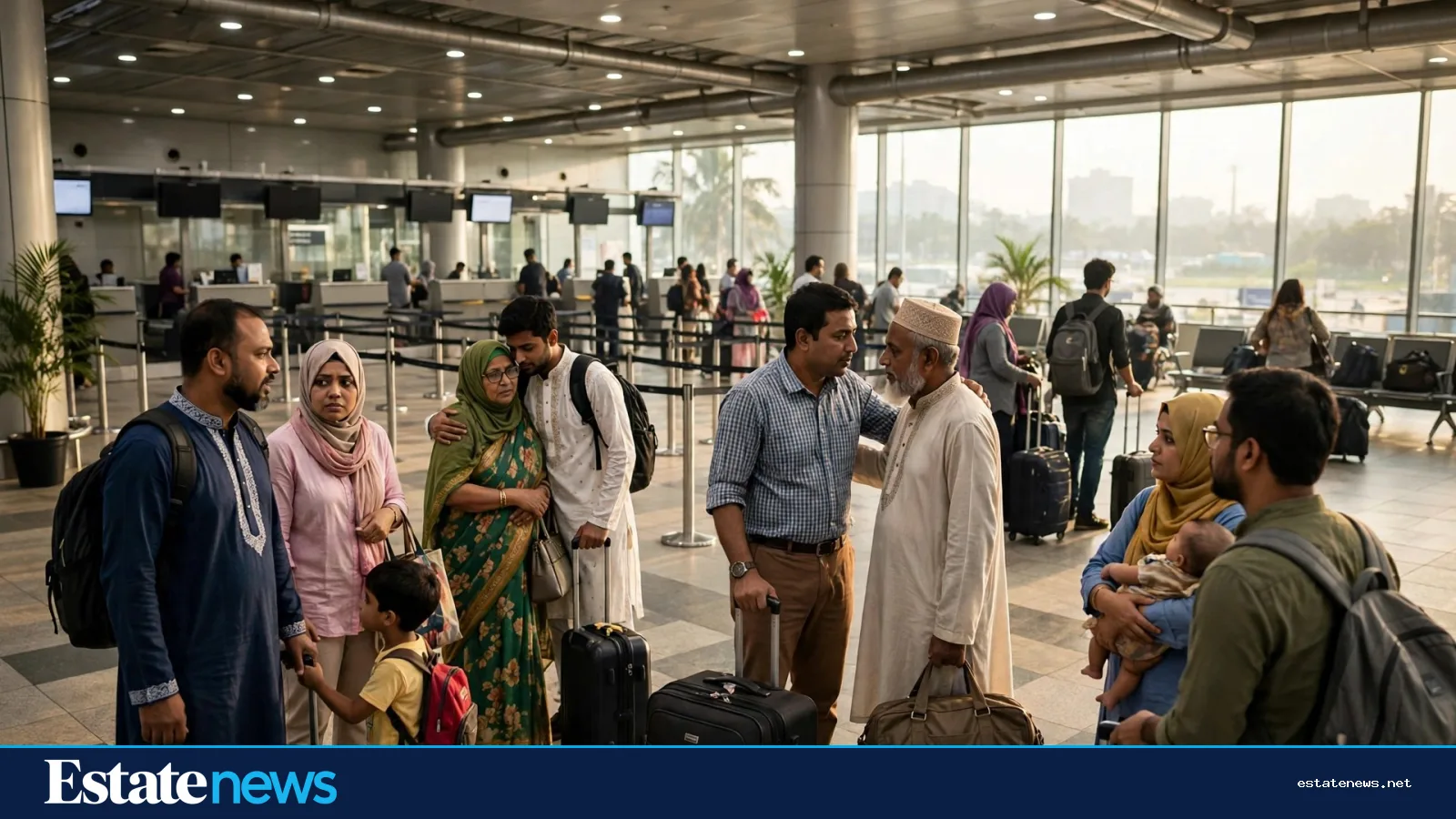
The form you fill in at the airport has become the most important piece of paper in a returning traveller's pocket. Not the ticket. Not the passport. The customs declaration.
Bangladesh Bank's Foreign Exchange Policy Department-2 issued a circular on 9 November 2026, FEPD-2 Circular No. 11, that changes three things at once. Two of the changes make life easier. One of them tightens the rules, and it is the one travellers need to understand before they land.
The easy parts first. Banks can now release up to $30,000 for medical treatment abroad without prior approval from Bangladesh Bank, doubled from $15,000. A family taking a patient to Chennai or Bangkok no longer has to wait for a central bank nod for that amount. Foreign exchange for secondary and higher secondary level study abroad no longer needs prior approval either, once the availability of free education has been checked, and all correspondence academic courses are covered.
The declaration that decides everything
The third change is the one that bites. Foreign currency brought into Bangladesh by resident Bangladeshis can now be credited to a Resident Foreign Currency Deposit, or RFCD, account only if it was declared to the Customs Authority on Form FMJ when it arrived. The declaration is no longer a formality. It is the condition.
Before this circular, a resident Bangladeshi could bring in up to $10,000 without a customs declaration, and cash brought in without a declaration could still find its way into an RFCD account. That gap is now closed. The central bank's own analysis, set out in the days after the circular, was blunt about why: cash that enters without a declaration has no paper trail showing where it came from, and once it sits in an RFCD account it can be used for payments abroad under the foreign exchange rules. The declaration, in other words, is how the bank knows the money is what the traveller says it is.
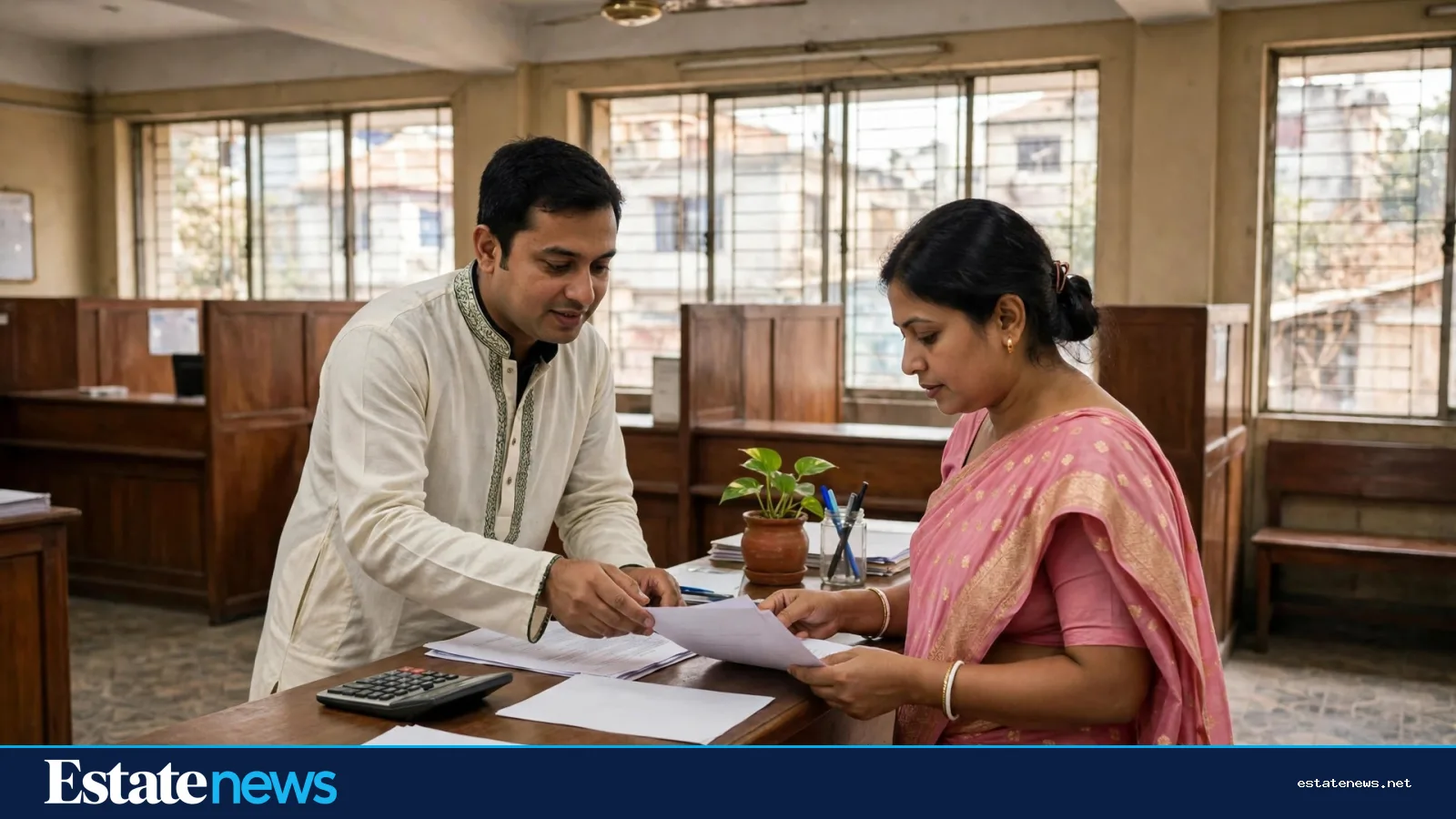
What does this mean in practice? If you are a resident Bangladeshi returning home with foreign currency you want to keep in an RFCD account, declare the full amount on Form FMJ at customs when you land, and keep the passenger copy of the form. It is a short, three-copy declaration: one copy for Bangladesh Bank, one for Customs, one that stays with you. Without that copy, your bank may not be able to credit the money to the account, whatever the amount is.

A smaller change at the money changer
There is a fourth, smaller change worth knowing. Licensed money changers may now charge a maximum of Tk 300 for passport endorsement, under the central bank's consolidated licensing circular of 17 October. The cap matters because endorsement is the step that lets a traveller buy foreign currency legally before flying out, and the fee used to vary from counter to counter.
The Daily Star, which led its business page with the new rule, described it as a change that squeezes banks and travellers alike. The squeeze on banks is real: they now have to check the declaration before they credit an account, and turn away cash they used to accept. The squeeze on travellers is the new habit the rule demands. The declaration takes a few minutes at the airport. Skipping it can cost a traveller the account the money was meant for.
Who should care most
Patients and students get the better end of this circular. The $30,000 medical limit and the easier study-abroad rules remove two approval queues that used to slow families down at the worst possible moment. Returning NRBs get the harder end. Many come home with cash saved abroad, and many of them have never filled in an FMJ form in their lives, because under the old $10,000 threshold they did not have to. That habit has to change now, and the place to change it is the customs desk at Hazrat Shahjalal International Airport, not the bank branch a week later.
A few practical points, then. Declare on arrival, even if you are unsure whether the amount needs it. Keep the passenger copy of the FMJ form with your passport, not in a suitcase. Ask your bank, before you travel, what it needs to open or credit an RFCD account. And remember that the rules are set by circular, which means they can change again; the figures here carry the dates they were read, and a bank or Bangladesh Bank itself is the final word before you travel.
Readers planning a move abroad will find the wider picture in "NRB Home Loans: How Bangladeshis Abroad Can Buy a Flat From Afar", which explains how non-resident Bangladeshis finance a flat from overseas, and in "Malaysia for Tk 2 Lakh: 10,000 Workers to Go at Low Cost", which covered the latest low-cost migration route. For the bond route, the Bangla piece on NRB bonds and Bangladesh Bank's new initiative for flat buyers sets out what returning savers can do with their money once it is home. This article is general information, not financial advice, and currency rules are revised by circular, so confirm the current numbers with your bank before you travel.