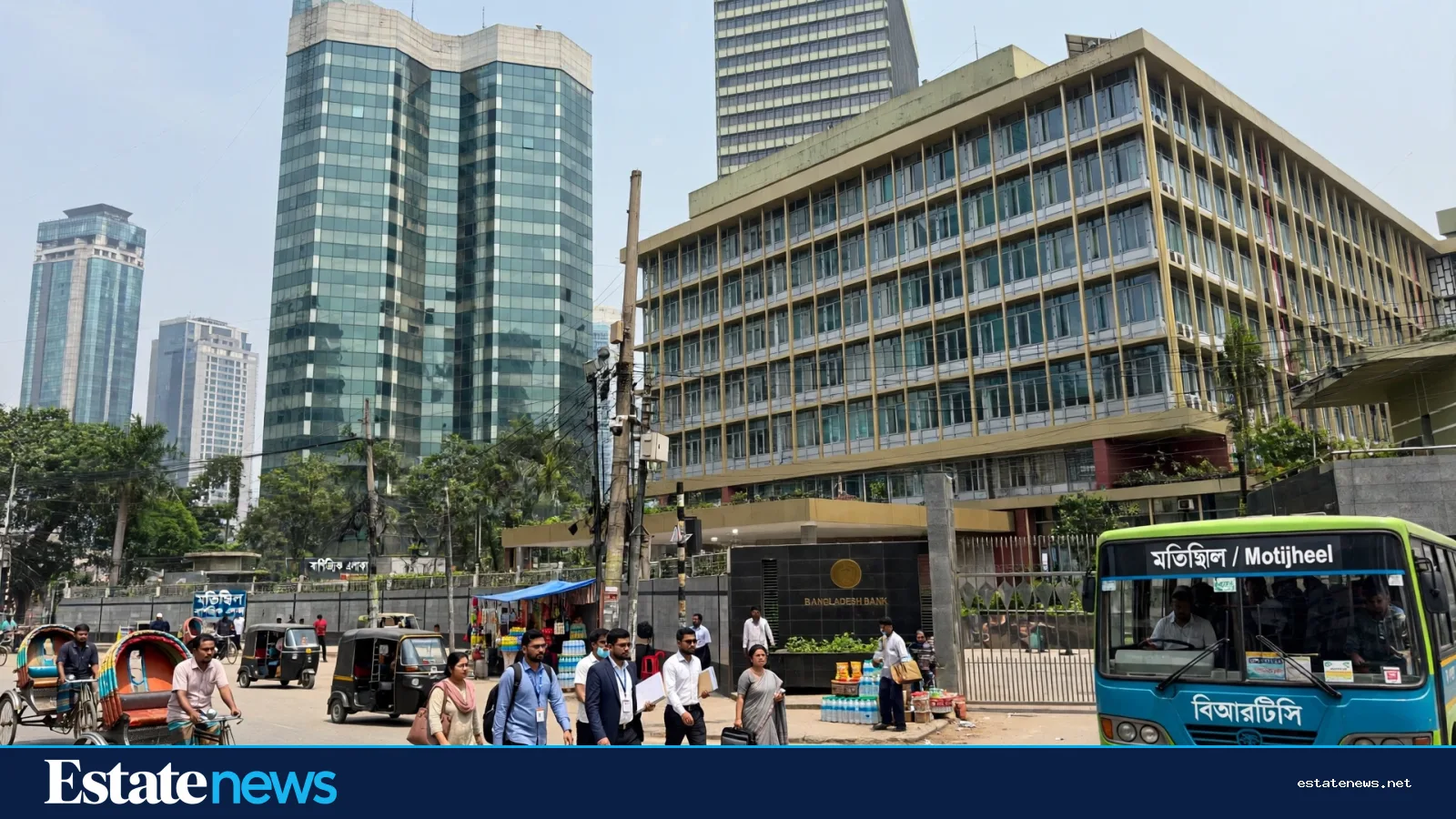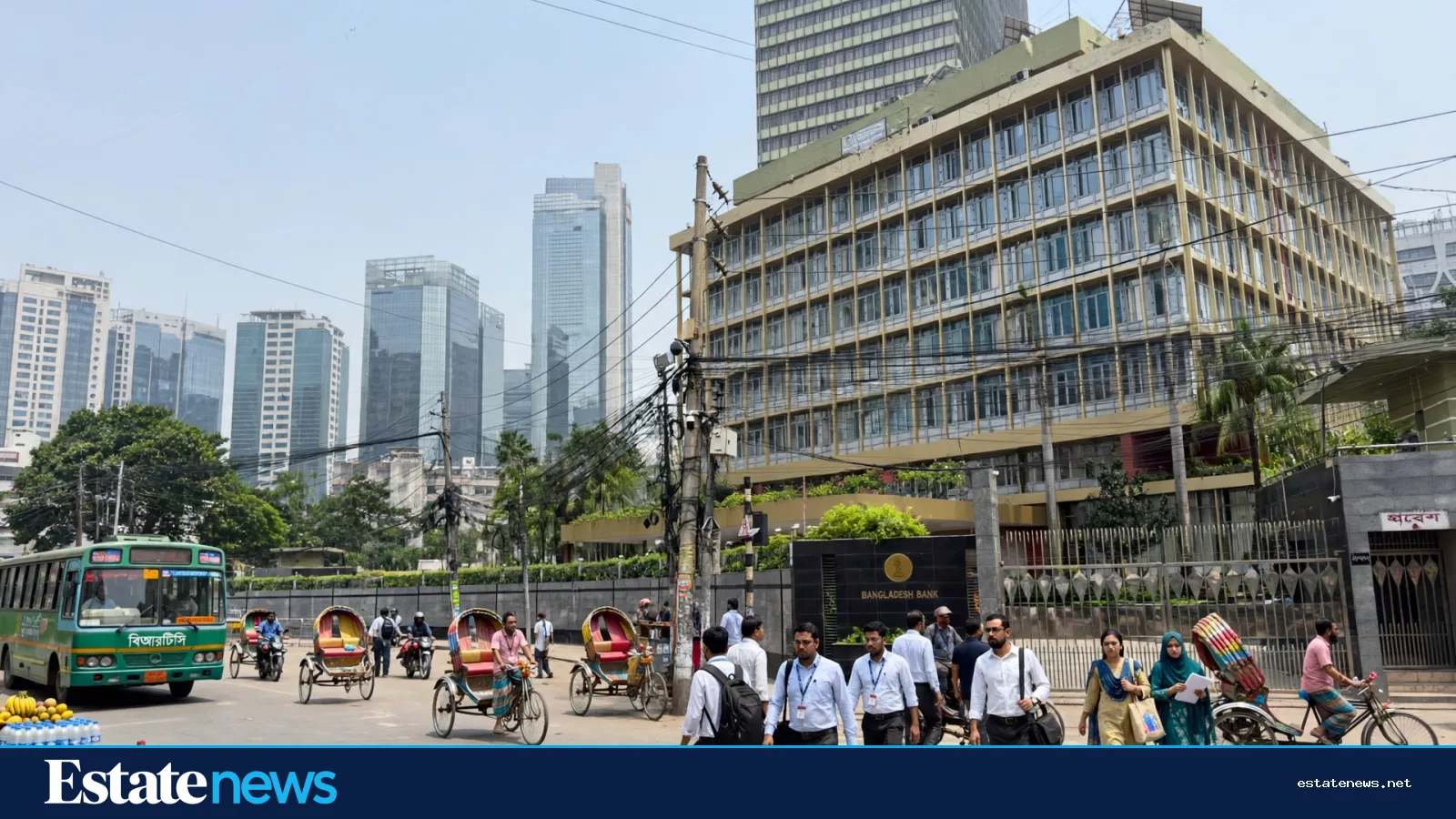
Bangladesh Bank will collect government agencies' schedules for large import letter of credit payments in advance, after finding that foreign remittance aggregators were pushing up dollar prices on the days the government paid its big bills. The central bank has also instructed banks to stop aggregators from inflating dollar rates, and has warned of strict action against anyone involved in manipulating the market.
The move followed a meeting at the Bangladesh Bank headquarters on 25 November, where the central bank reviewed the foreign exchange market with commercial banks' treasury heads. A deputy managing director and head of treasury at a private bank, who attended the meeting and spoke on condition of anonymity, told The Business Standard that aggregators were exploiting demand from large government payments to charge higher rates, which pushed up banks' Bill of Collection selling rates on those days.
The rates on 25 November

The numbers from 25 November show how far the market had drifted from the official rate. Virtually no transactions were taking place at the declared interbank rate of Tk 123.75 per dollar. Banks' BC selling rates for import payments ranged from Tk 123.90 to Tk 124.25, while they bought expatriate dollars at Tk 124.80 to Tk 124.90. Remittance aggregators, the intermediaries who buy dollars from expatriates and sell them on, were demanding up to Tk 125.20.
A bank deputy managing director estimated the market's monthly dollar shortage at around $1 billion. He said Bangladesh Bank could have kept the exchange rate between Tk 124.50 and Tk 125 had it started supplying dollars a week earlier. The central bank said a sudden rise in demand had prompted it to sell nearly $700 million through auctions. Bangladesh Bank spokesperson Arif Hossain Khan said the central bank had advised banks' treasury heads to ensure imports faced no disruption ahead of Ramadan, and would supply additional dollars to the market if necessary.


There is also a question the central bank itself raised at the meeting: how did the aggregators know the payment dates in advance? The Financial Express reported that central bank officials were surprised at how aggregators obtained information about government letter of credit obligations before the payments fell due, and that early information may have let them anticipate dollar demand and move rates. The meeting was chaired by Bangladesh Bank Executive Director Mohammad Shamsuddin Ahmed, with representatives of the government entities that supply fuel oils, gas, power and fertilisers in attendance.
More banks to handle government imports
The central bank also wants more private banks to handle government import letters of credit, most of which are currently managed by state-owned lenders. City Bank, Prime Bank, UCB and NCC Bank already provide such services, and more lenders may be brought into the process. Spreading the work across more banks would spread the dollar demand too, instead of concentrating it on a few payment days at a few banks.
For importers of steel, cement and machinery, the dollar rate is not an abstract number. It is the first line of the landed cost of every shipment, and a jump of a taka on the dollar feeds straight into the price of a tonne of rod or a bag of cement. Dollar outflows typically rise in November and December, according to Bangladesh Commerce Bank Managing Director Obaidul Hoque, so the pressure is seasonal as well as structural. The trade deficit widened to $7.47 billion in the first quarter of FY2026-27, from $5.71 billion a year earlier, according to Bangladesh Bank data, which means the demand for dollars is not going away soon.
The early-collection plan is a practical fix rather than a grand reform. If the central bank knows the payment dates before the market does, it can arrange dollars ahead of time instead of scrambling on the day. Whether that is enough will show in the rates on the next big payment day. Readers following the central bank's wider clean-up can see Bangladesh Bank's Four-Year Plan to Fix the Banks, Step by Step and A Third of Bank Loans Is Now Bad. What the Cleanup Means for Home Borrowers, and the terms of the small-business fund are set out in Bangladesh Banks' Tk 1,500 Crore Fund: Who Can Borrow and at What Rate.