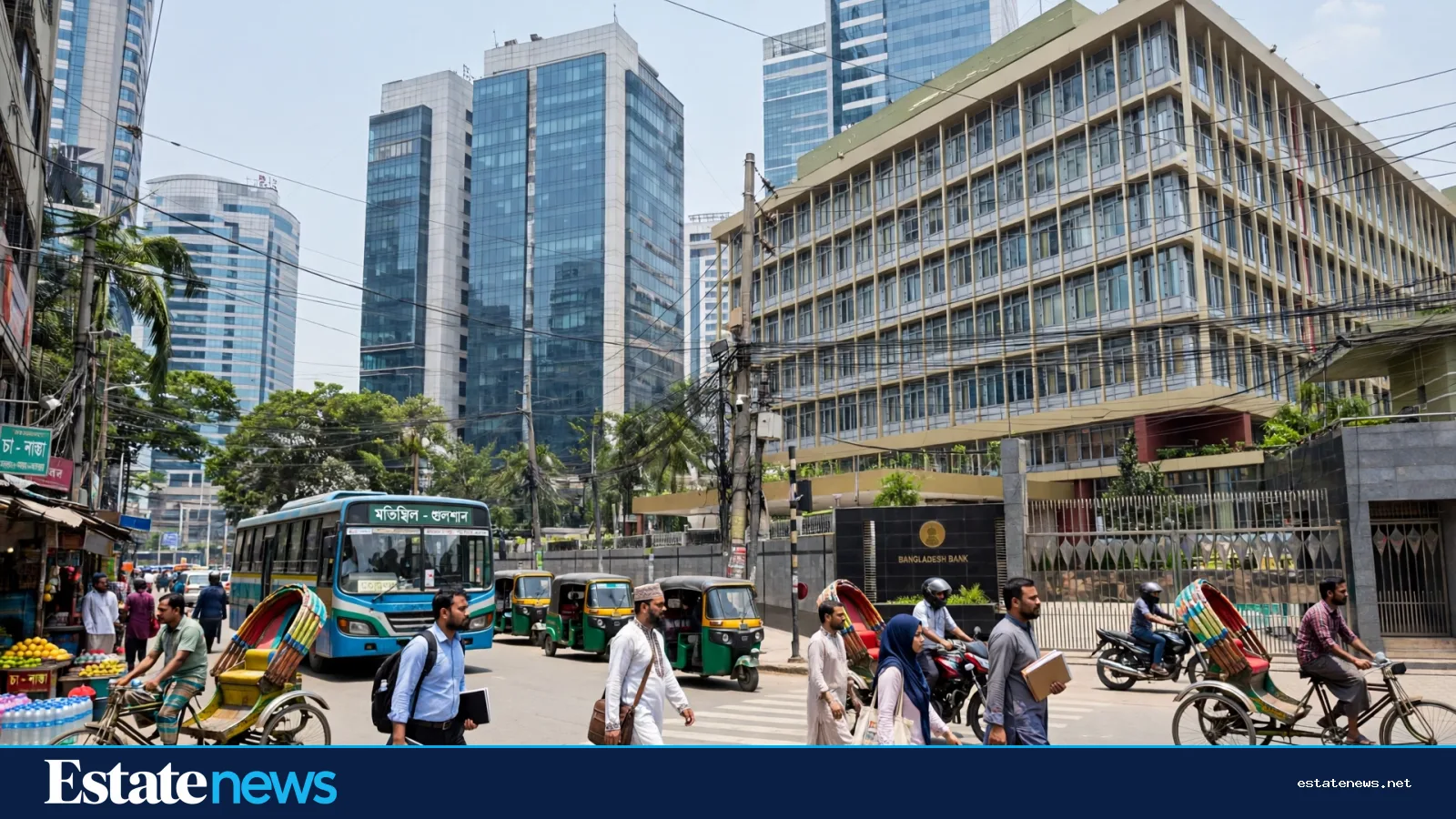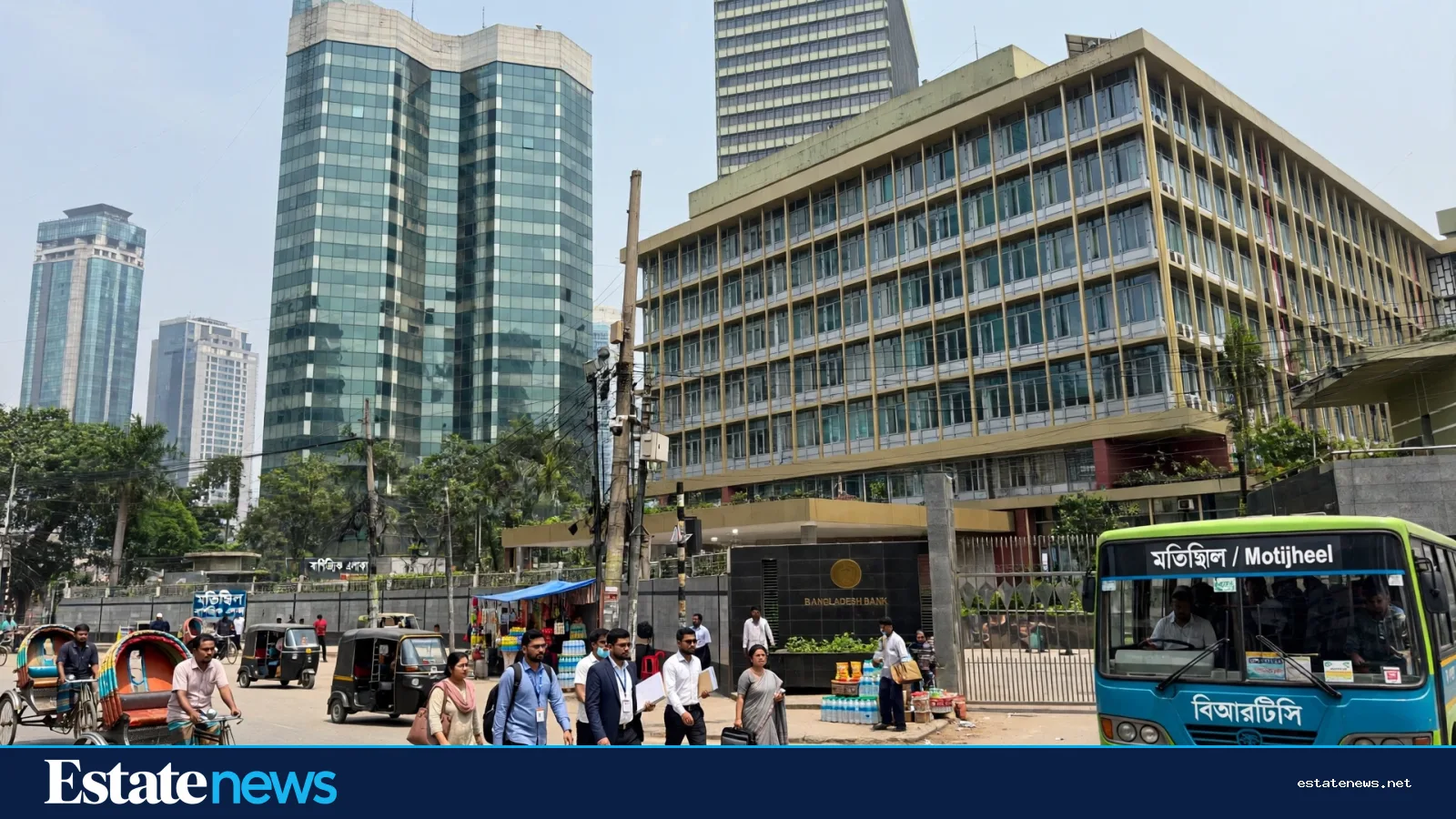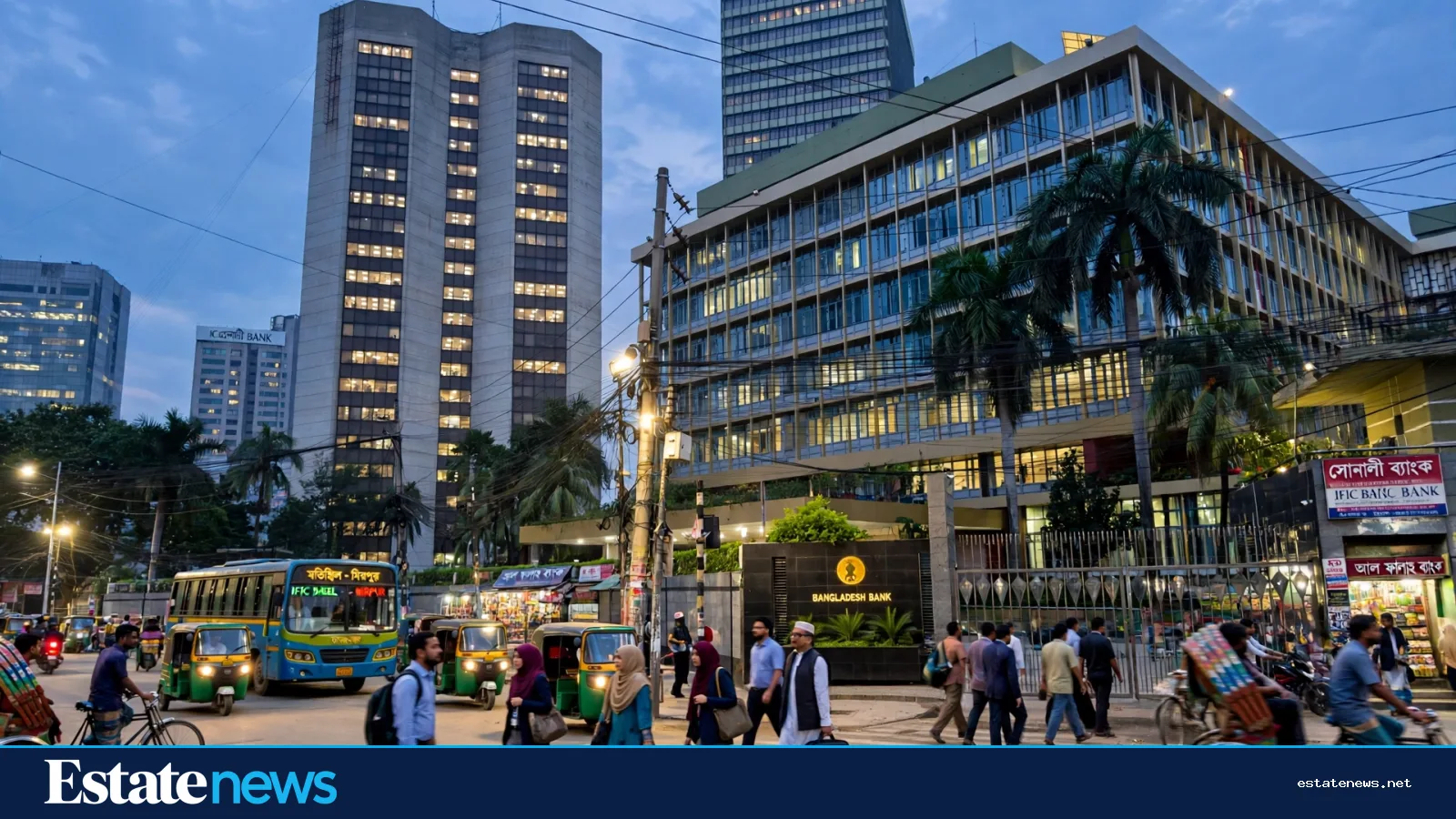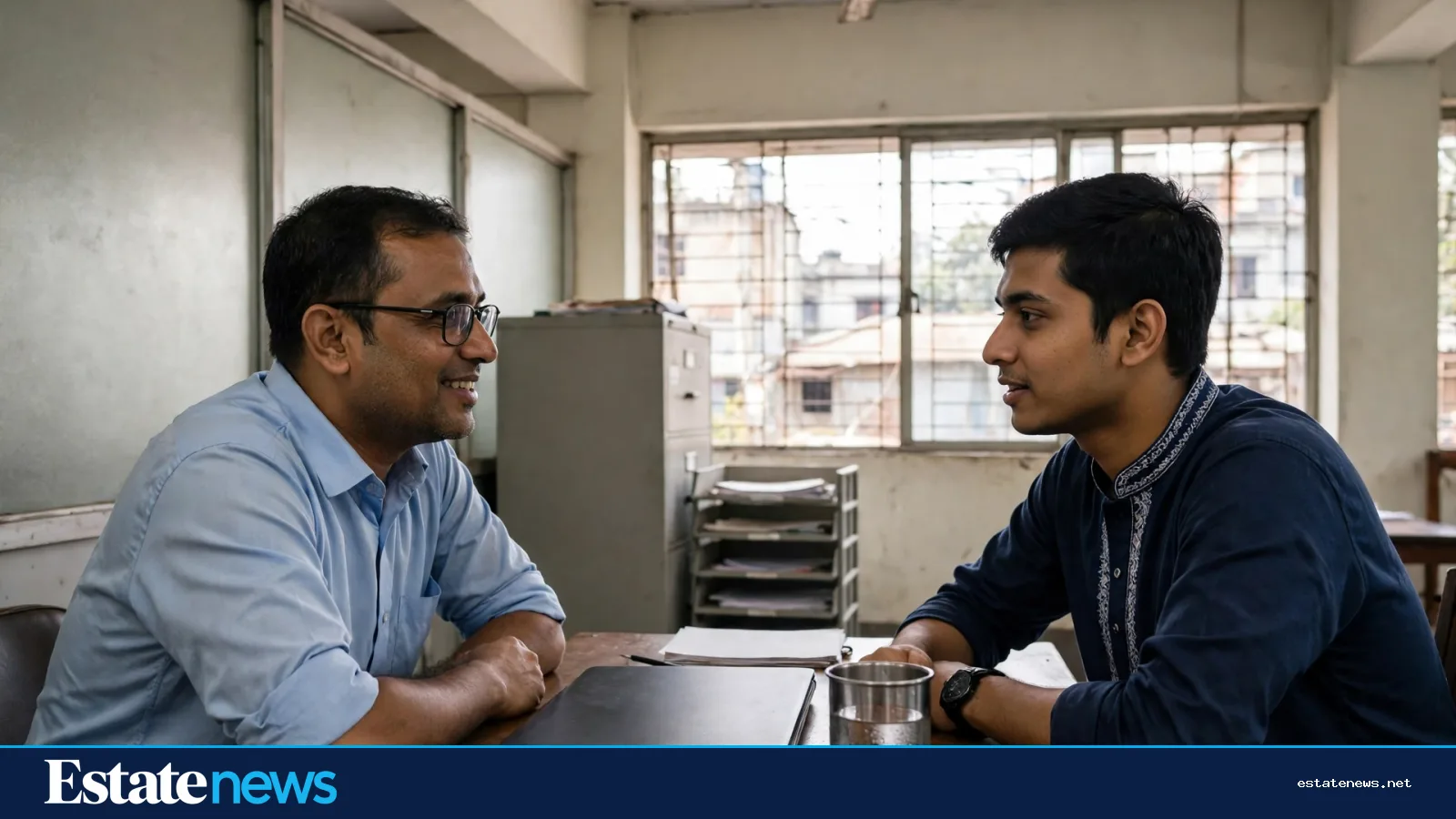
Two banks signed up in January 2026 to lend from Bangladesh Bank's Tk 500 crore Start-up Refinance Fund, the central bank's refinance scheme for new, technology-driven businesses. SBAC Bank PLC signed its agreement on 6 January 2026 at the Jahangir Alam Conference Hall of Bangladesh Bank, and NCC Bank PLC signed a similar agreement in the same week. Both deals let the banks disburse loans to eligible start-up entrepreneurs using refinance funds provided by the central bank.
The SBAC signing was done by SM Mainul Kabir, managing director and chief executive officer of SBAC Bank, and Nawshad Mustafa, director of the SME and Special Programmes Department of Bangladesh Bank, in the presence of Deputy Governor Nurun Nahar. The NCC agreement was signed by M Shamsul Arefin, managing director of NCC Bank, and Nawshad Mustafa at the central bank's headquarters in Motijheel. The fund aims to support technology-driven, innovative and scalable start-up ventures across the country, according to the banks and the central bank.
How the fund works

The fund is a refinance scheme, which means the bank lends to the entrepreneur first and Bangladesh Bank reimburses the bank afterwards. A bank that wants to join must sign a participation agreement with the central bank's SME and Special Programmes Department. NCC Bank and SBAC Bank are two of the banks that have done so.
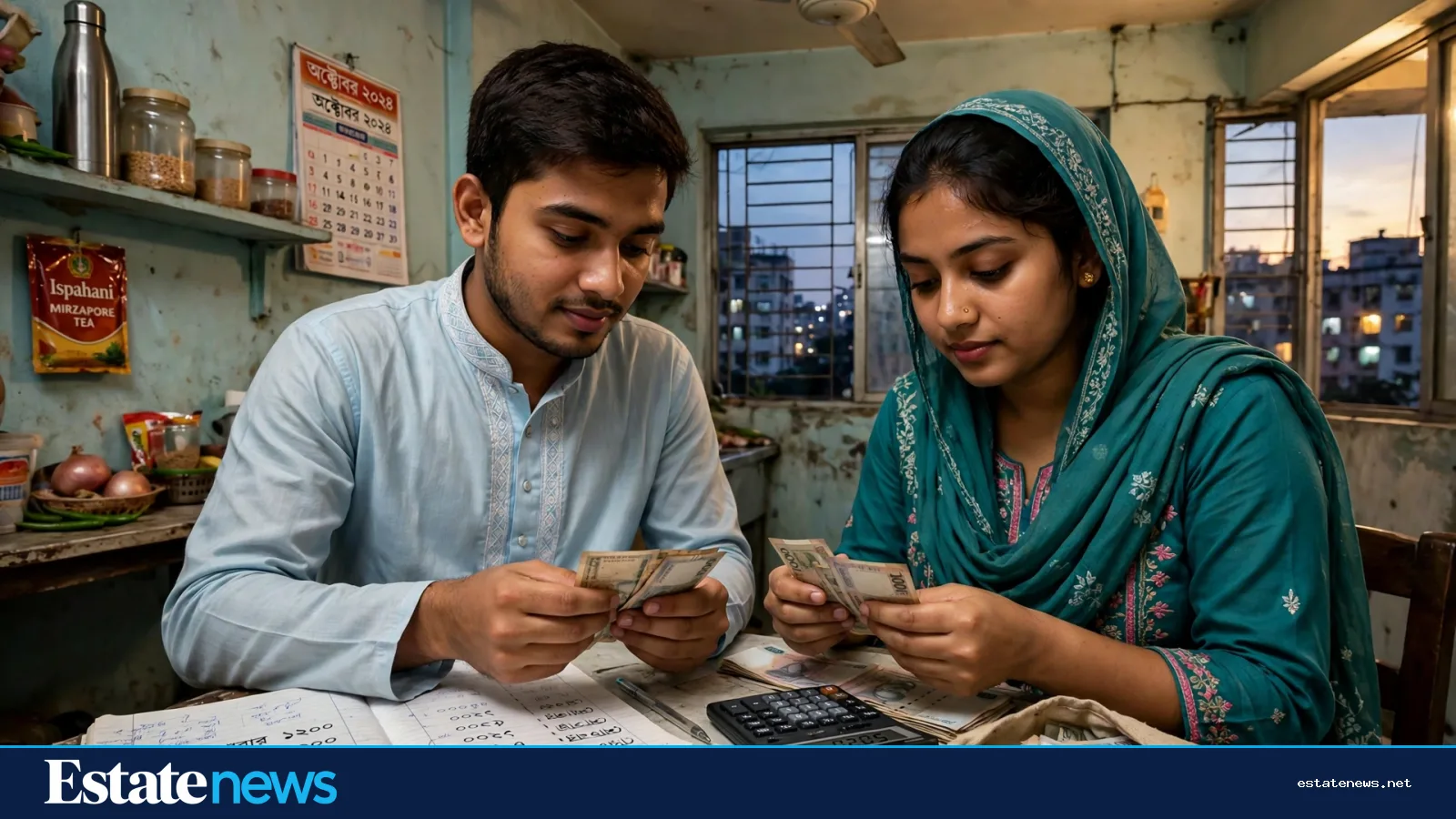
The terms a founder can expect are set by the central bank's start-up financing circular. Loans are grouped by the age of the business: up to Tk 2 crore for a firm registered less than two years, up to Tk 5 crore for one between two and six years, and up to Tk 8 crore for one between six and twelve years. At least 10 percent of the loans disbursed under the scheme must go to women entrepreneurs. Finance Minister Amir Khosru Mahmud Chowdhury told parliament in July 2026 that loans from the fund carry an interest rate of 4 percent. The central bank provides the refinance to the participating bank at 0.5 percent.
A second Tk 500 crore fund, and how not to mix them up


The same parliament answer announced a second fund of the same size, and founders should not confuse the two. Bangladesh Bank has also expanded its refinance scheme for new entrepreneurs in the cottage, micro and small enterprise sectors from Tk 100 crore to Tk 500 crore. Under that scheme, a new entrepreneur can borrow up to Tk 10 lakh without collateral at a maximum interest rate of 7 percent, and up to Tk 35 lakh with collateral. That scheme is for small traders and makers starting out. The Start-up Refinance Fund is for a different kind of business: a registered start-up building something new, usually around technology, with room to grow.
Alongside the lending, the central bank has helped set up Bangladesh Start-up Investment Company PLC, formed with 39 scheduled banks, to provide equity support to promising start-ups. A founder who does not want a loan, or who needs a partner rather than a lender, has that door too, though equity decisions rest with the company and its bank shareholders, not with Bangladesh Bank.
What it means for a founder's first office
A loan of Tk 2 crore is serious money for a young firm, and it changes the shape of the first office. In Dhaka, a start-up's first address is usually a rented room above a shop, a desk in a shared workspace, or a corner of a family flat. The fund does not pay rent directly, and no founder should borrow for a grand office before the business earns its keep. What the fund does is make the rest of the business possible: the product, the first hires, the working capital that keeps the lights on while the orders build.
That is the property angle worth keeping in sight. A start-up that survives its first two years starts looking for a real office, and the firms that grow into the Tk 5 crore and Tk 8 crore brackets are the ones that take floors, hire in dozens, and put down roots in a neighbourhood. The two bank signings do not guarantee any of that. They open a channel, and the channel is now there for founders to use. The wider small-business picture is covered in 25,000 New Entrepreneurs in Four Years: What the SME Policy Promises, and the terms of the larger small-business fund are set out in Tk 10 Lakh at 7 Percent, No Collateral to Tk 5 Lakh: Who the Tk 1,500 Crore Fund Is For and in Bangladesh Banks' Tk 1,500 Crore Fund: Who Can Borrow and at What Rate.